




Picking the right induction heating machine supplier helps your factory. You need to check four main things:
technical expertise
system design capabilities
post-purchase service
total cost of ownership
Your supplier choice creates your success.
Optimal induction turns 90% of energy into heat. This direct shift speeds up work. It improves heat control. It also lowers energy waste everywhere.
Factories need machines that run all the time. Check strong engineering skills now. This step ensures long-term efficiency. It raises your profits too.
Key Takeaways
Test your real parts in supplier labs.
Check heating depth and material quality first.
Do this before you buy anything.
Pick systems with smart PLC controls.
Use live feedback to keep heating steady.
This helps make every batch the same.
Keep cooling water very clean.
Watch the water temperature and hardness limits.
This stops machine damage and costly downtime.
Pick suppliers with remote diagnostic tools.
Ensure they offer quick field service.
This helps fix errors very fast.
Check the total cost to own it.
Compare energy savings and lower scrap rates.
Look closely at the system lifespan.
Key Criteria for Choosing an Induction Heating Machine Supplier
You must check top market candidates. Use clear operating tests. Leading factories check vendors carefully. They review several main areas:
Technological advancement and thermal efficiency
Integrated automation and customized solutions
Application reach and global service support
Work with experienced engineers. This guarantees long-term system success. It keeps production stable.
Application Metallurgical Testing
A good supplier tests your actual parts. They use a special metallurgical lab. Engineers check exact heat depth. They verify material structure changes. This step improves product consistency. It helps every production batch. Precision induction heating gives fast heating. It provides high heat repeatability. Lab testing keeps quality tight. Do this before setting up equipment. Pick a trusted supplier. This ensures easy machine setup.
Solid-State Power Conversion
New systems use great power units. An efficient induction power supply works well. It turns power into electromagnetic fields. You get quick heat. Energy loss stays low. Digital controls keep frequency stable. They handle sudden heat spikes. High build quality protects parts. It stops severe thermal shock. Flexible units adjust very easily. They adapt to changing work. Direct induction technology boosts plant efficiency.
Safety and Regulatory Compliance
Safety rules demand strict machine design. Get reliable systems with protective shields. Modern machines use smart automation. This stops hazards for workers. Built-in sensors track water flow. They check voltage and coil heat. Smart control units shut off power. They act during system errors. Precise power control boosts daily output. Great build quality keeps workers safe. Good vendor partners help you pass rules. They maintain high process repeatability. Modern technology gives total heat control. Heat consistency ensures even surface hardness. Powerful induction processes change metal cleanly. The work stays very efficient.
Evaluating Induction Heating Equipment Engineering
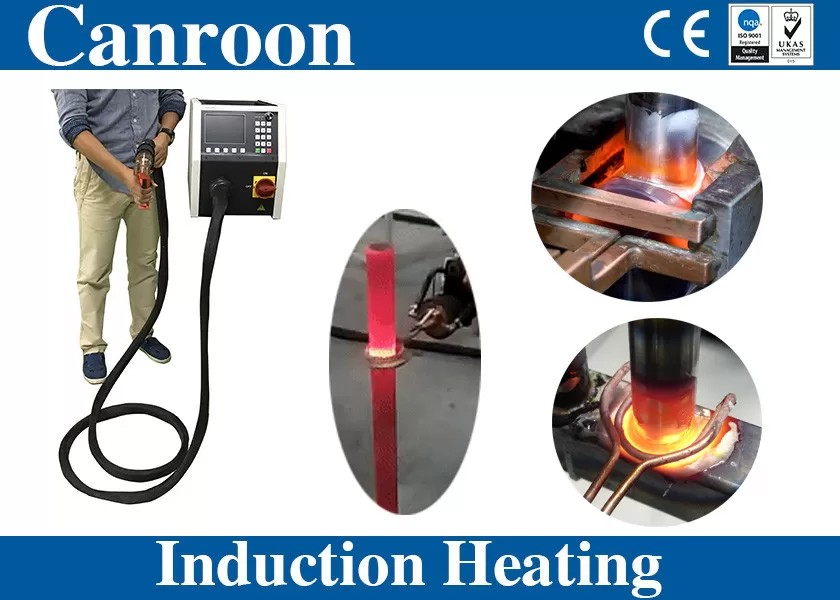
Engineers must compute vital process values correctly. Suppliers find your part mass quickly. They check target heat levels. They study thermal losses. Accurate math saves your plant. It stops poor machine choices. Precision induction heating raises output fast. Check three key parts now. Test the power unit first. Review the tank circuit next. Inspect the custom work coil. Modern induction technology moves heat fast. Energy flows into your parts.
Resonant Load Matching
Matching power helps every heating cycle. Parts shift properties as heat grows. Metal loses magnetism at Curie points. Your induction heating system shifts output quickly. It adjusts frequencies right away.
Power Supply ===> Tank Circuit (Capacitor Bank) ===> Custom Work Coil ===> Workpiece
Engineers build smart tank circuits. These units balance pure energy. They link capacitors to coils. Fast dynamic tuning prevents power drops. It stops phase shift losses. Proper tuning brings total heat control. It works across every cycle. Good frequency choices stop surface flaws. Balanced systems save useful energy. They protect parts from high voltage.
Custom Coil Design
Coils shape strong magnetic fields. They push heat into workpieces. Coils give efficient induction heating. Engineers set thin air gaps. This step improves magnetic coupling. Correct coil shapes target key areas. They protect nearby zones well.
Custom coil geometry prevents thermal distortion. Efficient coils shorten cycle times and boost overall throughput.
Good coils create smooth magnetic lines. They handle complex metal shapes. Thick copper tubing holds heat steady. It supports long work shifts. Strong outer covers stop arcing. They protect tight coil setups. Flexible induction heating units aid plants. They fit modern factory lines. Engineers raise magnetic field strength. Parts reach targeted hardness depths. Fast speeds increase line output.
System Automation and PLC Controls
Plants rely on smart automation. It manages hard heating steps. Pick simple manual tools. Or choose fully automated cells. These suit large factory lines. Small run work uses benchtop units. Big plants need smart robots. Automation helps load your parts. It spots accurate part positions.
Modern tools share live plant data. Fast networks stream critical info. Automation-ready power units link fast. They join direct plant systems. Common network pathways link power units. They talk to master controllers:
EtherNet/IP
PROFINET
Modern tools use closed-loop controls. They meet tight heat rules. Fast sensors send instant data. They manage heat during cycles.
Dynamic Parameter Adjustment: Smart controls tweak output parameters constantly. They alter power levels, cycle time, and heat settings.
Variation Compensation: Live feedback fixes part size differences. It handles changing raw materials.
Process Verification: Systems log vital heating data. This confirms product consistency and tight quality control.
Exact heat control builds quality. Automated logs show process history. Automatic tools lift daily output. They lower costly manual labor. You gain total control now. Use advanced plant tools today. Pick smart designs for updates. Automation reduces daily operator errors. Smart setups change power fast. Flexible tools speed up changeovers. Plant systems talk with robots. Automation improves overall machine effectiveness. Digital power holds thermal balance. Instant control cuts process shifts. You keep total cycle control. Simple manual controls work too. Closed-loop units track heat well. Smart motion tools move parts. Operators direct every single cycle. Feedback loops improve heat consistency.
Water-Cooling Infrastructure
Active coils carry large currents. Your heating cell needs cooling. Strong water systems stop burnout. They handle heavy daily usage. Closed-loop chillers protect key parts. They use four simple methods:
Thermal Management: Closed systems control inner heat. They stop heat-related component damage.
Scale Prevention: Clean deionized water stops scale. It prevents blocked lines and hotspots.
Corrosion Control: Clean water protects internal pipes. It fights harsh chemical corrosion.
Electrical Safety: Lower water conductivity cuts shocks. It guards parts against DC voltage.
High water flow removes heat. Flow matters more than pressure. Blocked lines hide flow drops. Built-in flow switches act fast. They shut systems off quickly.
Your plant needs clean cooling:
Clean water protects internal lines. Induction processing cuts overall plant expenses. Proper cooling stops unscheduled downtime.
Auditing Service, Support, and Reliability
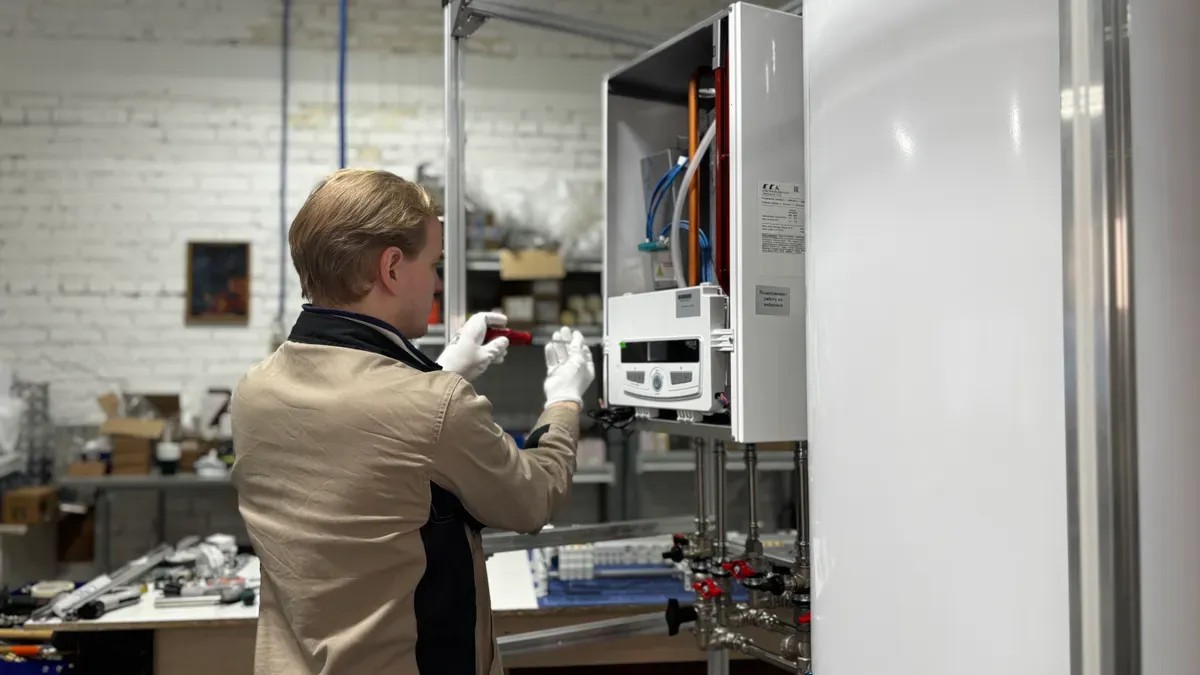
Check vendor help options now. Do this before buying units. Broken machines stop your plant fast. Good vendors offer smart tools. They protect your daily work.
Remote System Diagnostics
New hardware uses smart sensors. They send live machine data. Your team checks coil heat. They check vibrations and power. Digital models test machine stress. They run without stopping work. Smart software spots bad parts. It warns you early. You get two full days.
These remote tools aid plants. They save data for quality checks. Cloud tools keep output steady.
Global Field Service Response
Some machine errors need real help. Top vendors keep local hubs. They send certified workers fast. You get quick local fixes. They solve hard power errors. Skilled workers reset heat settings. They fix sudden line stops.
Fast help saves your factory goals. Reliable vendors keep plants running well.
Smart software gives workers data. They see past machine records. This view speeds up fixes. It gives you better control. Plants keep lines running fast. Good vendors act very quickly.
Spare Parts Standardization
Top vendors use common parts. They pick standard pumps and boards. Easy parts speed up fixes. You swap modular units quickly. Long wait times vanish now.
Custom coils need strong parts. They must last very long. Standard spares ensure top quality. Your team runs automation easily. They use good replacement parts. Strong induction technology keeps work steady. It aids big production runs. Good designs protect your money. They boost total plant output. Proper spares help every machine.
markdown
Total Cost of Ownership and Value Assessment
Check all running costs first. Compare purchase prices with long savings.
CapEx versus Energy Efficiency
Great vendors build smart systems. Efficient heating lowers power bills. Top brands stop heat loss. Good power units create heat fast. Efficient tools save money later. Modern units use less idle power.
Maintenance and System Lifespan
Strong internal parts keep systems tough. Smart tools protect delicate circuits. Built-in monitors check heat levels. They stop early part failure.
Proper maintenance doubles system life. Good cooling stops costly coil breaks.
Modern power units need few fixes. Solid parts eliminate worn pieces. They lower yearly maintenance costs.
ROI and Performance Guarantees
Vendors must promise clear results. Smart tools protect product quality. They boost total factory output. Exact power stops part warping. It prevents wasted material too. Track specific monthly metrics later:
Check monthly defect rates closely. Track saved labor hours constantly. Measure total output per shift.
Compare real results with goals. Confirm your actual payback timeline.
This table shows expected savings:
Proper systems yield fast returns.
Picking a good supplier means checking prices and long savings. Great tools transform most power into useful heat quickly. Strong machines last up to 15 full years. Check these simple steps on your vendor list:
Quick power changes and exact heat control
Small setup size and high energy savings
Custom coil builds with smart automated controls
Long service value and easy repair options
Test real parts in a lab before buying.
Lab testing proves your parts heat the same way.
FAQ
How long does an induction heating machine run?
These heating machines last 10 to 15 years. Normal work conditions make this possible. You must do regular machine checkups. Clean cooling water protects inner lines. Use good coils to extend machine life.
Why get lab tests before you buy machines?
Lab tests show exact heat depths on parts. They check metal structure changes too.
Tests prove real machine power. You avoid big setup mistakes. They ensure high product quality. Do this before signing vendor deals.
How does load matching save useful energy?
Load matching shifts output frequency fast. It adjusts as metal gets hot. Real-time control stops big power drops. It lowers heat losses quickly. Energy moves right into your parts.
What water settings protect cooling units?
Keep water between 75°F and 105°F. Keep water hardness below 100 PPM. Clean water stops mineral scale buildup. It prevents rust inside pipes. It stops short circuits too.
Sign up for updates