




You need to pick the right induction heating equipment for your job. Think about your workpiece size, how deep you need to heat, and what you want to do. For example, thin materials often need a high frequency induction heating machine. This machine heats only the surface. Medium frequency machines are good for non-ferrous metals. They give a balanced heating depth. The table below shows common workpiece sizes and heating depths in industry:
Canroon gives expert help to match your needs with the right solution.
Key Takeaways
Pick high frequency induction if you have thin materials. It heats the surface fast and works well.
Use medium frequency induction for big or thick parts. It heats deeper and more evenly for better results.
Think about your part’s size and what it is made of. Different materials heat up in different ways with induction.
Look at your budget and how much energy you need. Medium frequency machines save energy for big jobs. High frequency is quicker for small parts.
Ask experts like Canroon for advice that fits you. They can help you choose the best induction heating for your needs.
Quick comparison
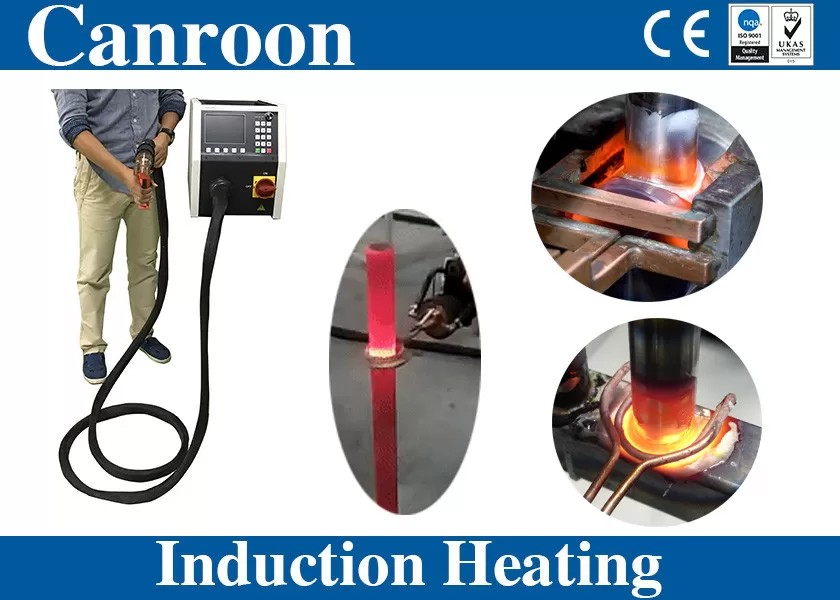
If you want to pick an induction heating machine, you need to know the main differences. This part helps you see high frequency and medium frequency machines side by side.
Frequency range overview
High frequency induction machines work between 60 kHz and 500 kHz. Medium frequency induction furnaces use 200 Hz to 10 kHz. When the frequency is higher, the heat stays near the metal’s surface.
Heating depth and speed
High frequency induction heating warms just the surface and does it fast. This is good when you only need to heat the outside. Medium frequency induction heating goes deeper into the metal. You can use it for bigger parts that need heat inside. Both types heat quickly, but high frequency is faster for thin or small pieces.
Suitable applications
High frequency induction heating is best for surface hardening, brazing, and small parts. Medium frequency induction furnaces are good for tempering, annealing, and forging. These jobs need deeper and more even heat.
Equipment size and efficiency
High frequency induction machines are small and easy to move. You can use them in tight spaces. Medium frequency induction furnaces are bigger and heavier. They work well in factories or big workshops. Both types are efficient, but each is better for different sizes of workpieces.
Tip: Check your workspace and the size of your parts before picking an induction heating machine.
Key differences
Heating depth explained
You need to know how deep heat goes in metal. This is called heating depth. The skin effect is important here. High frequency induction keeps current near the surface. It makes a thin hot layer outside. You get focused heat on the surface. Medium frequency induction lets current go deeper. Heat spreads inside the metal. This gives more even heating through the part.
Surface vs. deep heating
Each method has good and bad points. High frequency induction is best for surface jobs. Medium frequency induction heats deeper inside. The table below shows the main pros and cons:
Tip: Use high frequency for fast surface jobs. Pick medium frequency if you need heat inside the part.
Uniformity and penetration
You want your part to heat evenly. High frequency induction gives sharp heat on the surface. This can make the outside much hotter than the inside. Medium frequency induction gives deep, even heat. The temperature spreads from outside to inside. This keeps the whole part strong and flexible.
Energy use and cost
Think about energy and cost before you choose. High frequency induction uses less energy for small, thin parts. It works fast and saves power for surface heating. Medium frequency induction takes more time and energy for big or thick parts. Medium frequency machines are bigger and cost more. You need to balance your money and heating needs.
Note: Always match your machine to your part size and job. This helps you save energy and money.
Application scenarios
High frequency induction heating machine uses
A high frequency induction heating machine is used in many metalworking jobs. It works best when you only need to heat the surface. The skin effect keeps the heat close to the outside. This gives you fast and exact results. Here are some ways people use this machine:
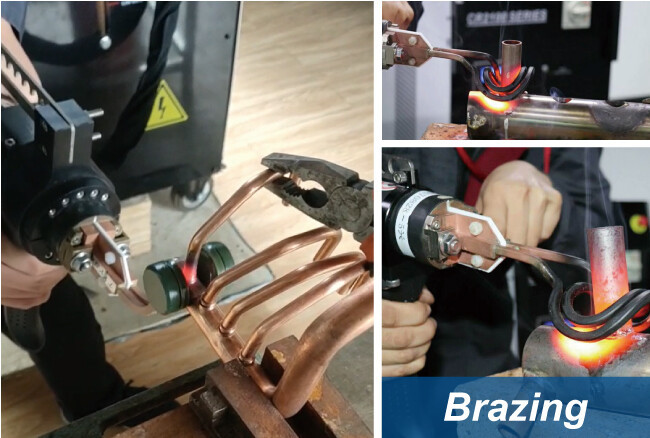
Brazing: You can join different metals with focused heat and good temperature control.
Hardening: You make the outside of gears and shafts stronger.
Annealing: You make metals softer so they are easier to shape.
Forging: You get small parts ready for shaping.
The table below shows how a high frequency induction furnace helps with these jobs:
You can find high frequency induction heating machines in tool making, electronics, and transformer factories. The skin effect helps you save both energy and time.
Medium frequency induction furnace uses
A medium frequency induction furnace heats deeper into the metal. The skin effect lets heat go further inside. You can use this furnace for melting, casting, and heat treatment. Here are some common uses:
Melting and casting metals like iron, steel, aluminum, and copper in foundries.
Heat treatment such as annealing, quenching, and tempering to make metals better.
Forging and shaping in car and machine factories.
Recycling scrap and making jewelry to use metal well.
You get even heating and strong, bendable parts. The medium frequency induction furnace is good for big pieces and non-ferrous metals.
Real-world examples
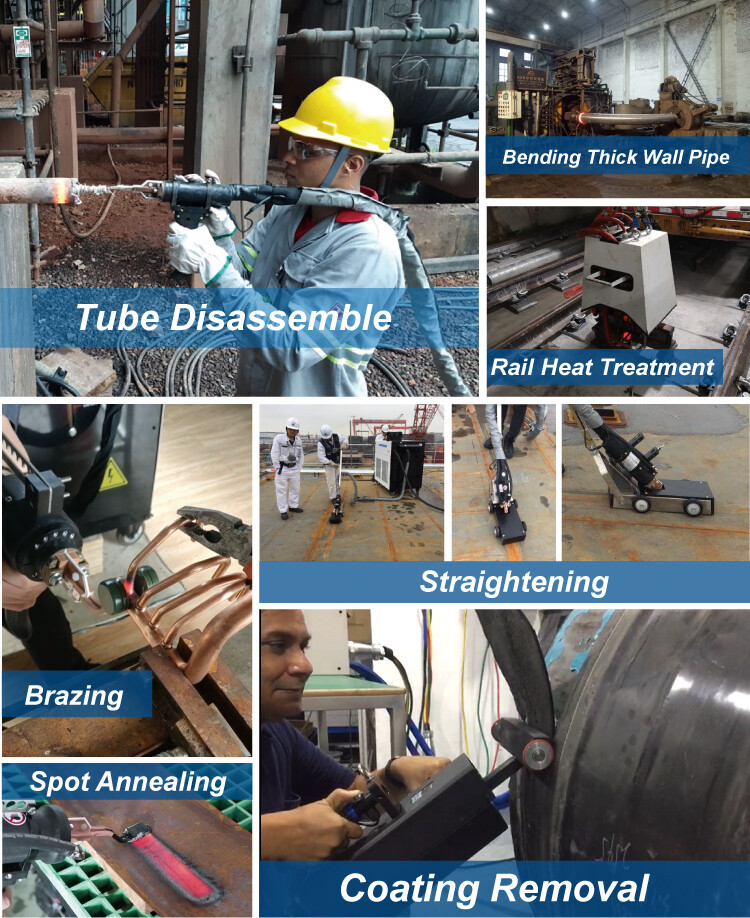
High frequency induction furnaces are used in many places. For example, motor and transformer factories use them for brazing flat copper parts. Tool makers use them to weld saw teeth for tile and marble cutting. Shipyards use them to straighten decks after welding. The skin effect lets you heat just the spot you want, so you waste less.
A Canroon customer in the car industry uses a medium frequency induction furnace for forging and heat treatment. This makes car parts last longer. Jewelry makers use the furnace to cast gold and silver with care. The skin effect gives even heat, which helps make great products.
Note: You should pick your induction process based on your part size and heating job. Comparing furnaces helps you choose the best one for your needs.
Selection guide
Assessing part size and geometry
Look at your part’s size and shape before picking a furnace. Small or thin parts work well with high frequency induction. This method heats the surface fast. Large or thick parts need medium frequency induction. The heat goes deeper and spreads evenly. For example, use high frequency induction for small gear surfaces. Medium frequency induction is better for big billets or shafts. The shape of your part matters too. Complex shapes need even heating, which medium frequency induction gives.
Tip: Match the frequency to your part’s size and shape. This helps you get the best heating results.
Material compatibility
Different materials react to induction heating in their own ways. Steel and iron absorb energy quickly. You can use both high frequency and medium frequency induction for these metals. Copper and aluminum need careful choice. Medium frequency induction works better for these metals because it heats deeper. If you use alloys or special metals, check their properties first. Some materials need a special heating process to stop defects.
Desired heating effect
Decide what kind of heating you want. Surface heating is good for hardening, brazing, or annealing small parts. High frequency induction gives you surface heating. Deep heating is needed for forging, melting, or casting big pieces. Medium frequency induction gives even heat from outside to inside. If you need both surface and deep heating, you can combine methods or use a furnace with adjustable frequency.
Note: Think about your goal. Pick the induction furnace that matches your heating needs.
Budget and efficiency
Your budget and energy needs are important when choosing. Medium frequency induction furnaces save up to 60% energy compared to old methods. They focus energy on the right spot and waste less. High frequency induction is not as efficient for big parts but works well for surface jobs. Balance cost and efficiency. If you have small parts and need fast heating, high frequency induction saves time. For bigger jobs, medium frequency induction gives better energy savings and even heating.
Medium frequency induction furnaces focus energy on the right spot and waste less.
High frequency induction works best for surface jobs and needs careful planning for material and size.
Canroon recommendations
Follow this checklist to match your needs to the right furnace:
Check your part’s size and shape. Small and thin parts need high frequency induction. Large and thick parts need medium frequency induction.
Look at your material. Steel and iron work with both types. Non-ferrous metals need medium frequency induction for deep heating.
Decide on the heating effect. Surface jobs use high frequency induction. Deep heating uses medium frequency induction.
Review your budget and energy needs. Medium frequency induction saves more energy for big jobs. High frequency induction is faster for small parts.
Ask Canroon for advice. Our experts help you pick the best furnace for your job.
Advantages: You get better results, save energy, and avoid defects when you match your furnace to your needs.
Use this guide to make a smart choice. Think about your part, material, heating process, and budget. Canroon gives expert advice and reliable furnaces.
You need to think about your part’s size and what it is made of. You also need to know what kind of heating you want. The table below shows which machine fits your job:
Always look at your part’s size and what it is made of.
Pick the right frequency for your job to get the best results.
If you are not sure, Canroon can help you choose the best induction machine for your heating needs.
FAQ
What is the main difference between high frequency and medium frequency induction machines?
The biggest difference is how deep they heat metal. High frequency machines heat just the outside layer. Medium frequency machines heat deeper inside the metal.
Can you use one machine for all heating jobs?
No, one machine cannot do every job. Each machine is best for certain tasks. You need to pick the right machine for your part and the result you want.
Which industries use induction heating most?
Induction heating is used in car making, electronics, and metalworking. These industries use it for jobs like hardening, brazing, and forging.
How do you choose the right induction machine for your needs?
Look at your part’s size, shape, and what it is made of. Think about if you need surface or deep heating. Ask an expert if you are not sure.
Is induction heating safe to use?
Induction heating is safe if you follow the rules. Always wear safety gear and keep your work area clean.
Previous:
Next:
Sign up for updates