




You can change your pipe factory line today. Use high-frequency induction heating power supplies now. These systems create hidden eddy currents fast. They work inside the steel tube easily. They do not touch the metal at all. You get very fast line speeds quickly. You save a lot of energy too. You get exact heat control right away. This creates a tiny heat-affected zone. Modern tube mills use solid-state inverter technology. It keeps high-speed work going without stopping. Canroon leads the market with great tech. Their solid-state induction heating power supplies work well. They offer top stability for your welding. They make your welding process very efficient.
Key Takeaways
High-frequency induction heats pipe edges very fast.
It touches nothing during the process.
Non-contact heating stops tool wear completely.
It keeps steel pipe surfaces very smooth.
Good coil setup saves a lot of energy.
Water-cooled impeders also help save energy.
Canroon solid-state power supplies adjust heat levels automatically.
This easy fix removes all seam defects.
Fundamentals of high-frequency induction heating power supplies
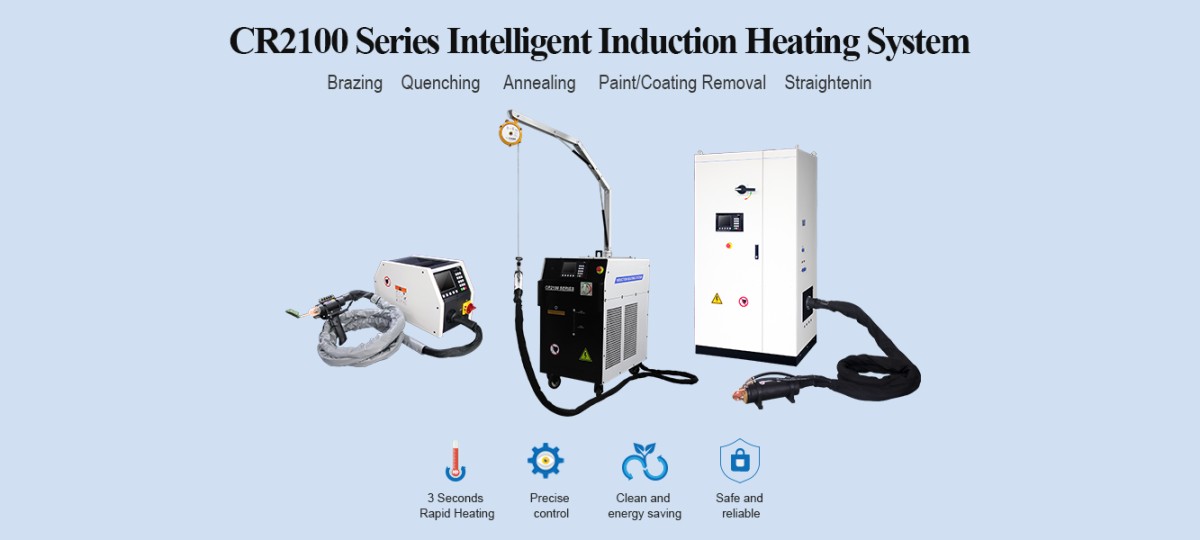
Special power supplies turn raw electricity into heat. They never touch the metal. Learn four main ideas to master this process.
Electromagnetic induction and eddy current heat generation
Magnetic fields create electrical flow in metal. The simple steps happen in a fast sequence:
Induction of Eddy Currents: The coil makes a changing magnetic field. This field creates fast spinning currents inside steel.
Current Surface Concentration: High frequencies push these currents near the surface.
Heat Generation: This narrow path creates strong resistance ($R$). Fast current ($I$) creates heat by Joule heating ($R cdot I^2$).
Skin effect and proximity effect in seam welding
Two physics rules push energy into pipe edges.
High-frequency rules push current to strip edges. This makes a small heating zone. Energy hits meeting edges quickly. Steel melts fast for a good weld.
Frequency selection and wall thickness dynamics
Match your power frequency to pipe thickness. Higher frequency makes shallow heat. Lower frequency makes deep heat.
Use lower frequencies for thick pipes. High frequencies (>400 kHz) heat thin surfaces fast. This stops bad energy loss inside metal.
Curie temperature transitions in steel pipe production
Steel stops being magnetic above 768°C. Power supplies adjust energy during this change. This keeps factory line speed steady. It makes strong continuous welds.
Key process factors and system components
You need balanced systems for perfect pipe welding. Each part changes heat focus, power, and quality. Optimize your setup to boost speed and stop flaws.
Work coil geometry and magnetic coupling efficiency
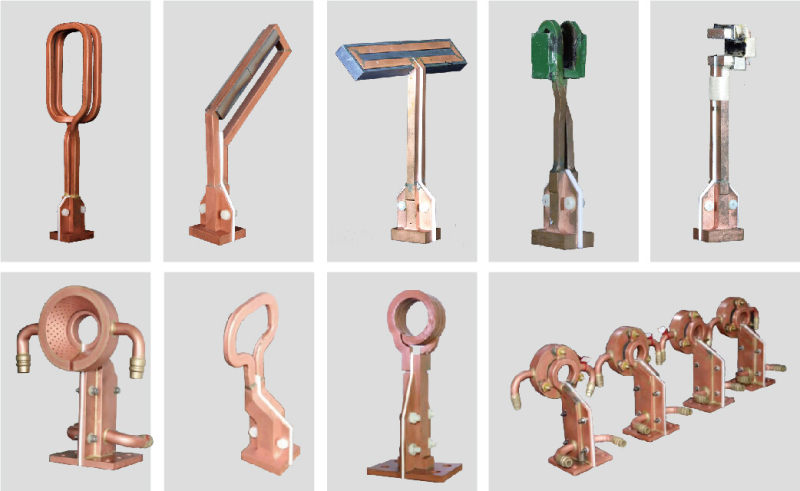
The work coil sends power into steel pipe. Pick proper coil shapes for your tube size.
Coil Diameter: Keep the coil gap very small. Small gaps make strong magnetic links.
Number of Turns: Single-turn coils focus fast energy. Multi-turn coils heat thick walls deeper.
Coil Width: Match coil width to line speed. Wider coils heat metal longer.
Tip: Keep a small gap of 2 to 4 mm. This stops sparks and boosts power.
Impeder selection and ferrite core cooling dynamics
An impeder stays inside open pipes during welding. It uses ferrite cores to block back flow.
                  +-----------------------------------+
                  |      Water Cooling Channel        |
+-----------------+-----------------------------------+-----------------+
|                 |    High-Density Ferrite Core      |                 |
|  Flowing Tube   |===================================|  Welding Edge   |
|                 |    High-Density Ferrite Core      |                 |
+-----------------+-----------------------------------+-----------------+
                  |      Water Cooling Channel        |
                  +-----------------------------------+
Cool your impeder with running water constantly. High heat ruins ferrite magnetic power at 200°C. Cold ferrite forces current to strip edges. This smart path cuts energy loss fast.
Weld vee geometry and apex angle configuration
Open pipe edges form a 'V' shape. Adjusting this vee angle controls heating power.
Keep vee angles tight to focus current. This setup stops high voltage spikes.
Forge pressure rolls and mechanical squeeze force
Forge rolls squeeze hot pipe edges tightly. Physical force turns heat into clean welds.
Edge Plasticity: Heat softens strip edges for easy shaping.
Impurity Expulsion: Strong force pushes out dirty slag.
Grain Refinement: Pressure fuses steel grains without filler metal.
Balance your roll pressure very carefully. Low pressure leaves bad oxides inside seams. High pressure creates extra flash and weakens pipes.
Canroon induction heating power supplies in tube mills
Modern pipe mills need flexible power systems. Canroon builds units from 50 kW to 2,200 kW.
       [ Power Grid ]
             │
             ▼
[ Canroon Rectifier Section ]
             │
             ▼
[ Solid-State IGBT Inverter ]
             │
             ▼
 [ Precise Power Matching ] ──► [ Optimized Tube Weld ]
Canroon solid-state systems use fast IGBT tech. These parts yield over 90 percent efficiency. Power matching fixes load shifts automatically during starts. You get steady heat, less scrap, and lower energy bills.
Induction seam welding versus contact welding
Pick high-frequency induction heating power supplies or contact tools. Both heat pipe edges fast. But they bring different results.
Physical contact wear and maintenance demands
Contact tools touch moving pipes directly. High friction wears them out fast. Strong current causes bad wear too. You must stop lines often. Then you change worn parts.
Induction units work without touching. A coil stays near tubes. It never rubs the metal. You stop tool wear completely. This cuts your repair costs. Your plant stays running longer.
Key Takeaway: Non-contact tools stop physical wear. They save you thousands. You lose zero work hours.
Surface quality on coated and sensitive metals
Physical contacts leave dark burn marks. They create deep surface scratches. High pressure ruins delicate metal finishes.
Induction tools protect pipe surfaces. Magnetic fields travel through air easily. They heat steel edges directly. You make clean, smooth products:
Galvanized steel tubes
Aluminized steel pipes
Polished stainless steel profiles
Electrical efficiency and processing speed capabilities
Contact tools create bad electrical friction. Constant sparks waste your electrical power.
Modern high-frequency induction heating power supplies move power. They work fast and accurately. You boost total electrical output. Your mill runs very fast. You get zero power drops.
Material compatibility for carbon steel, stainless, and aluminum
Contact tools fail on soft metal. Soft aluminum oxide ruins contacts fast.
Induction tools weld any metal easily. Work on steel or soft aluminum. Use one single line easily. Just adjust settings very fast.
markdown
Parameter optimization with Canroon power systems
Mastering your mill requires full control over system parameters. Canroon power units give you total precision during fast production runs. You can optimize every setting to eliminate seam flaws and boost daily output.
Frequency and line speed synchronization
Your mill speed changes during startup and line stoppage. You must match power frequency to moving pipe speed constantly.
Startup Acceleration: Ramp up generator frequency as your tube mill gains momentum. This sync action stops burn-through on slow strip edges.
Peak Production Speed: Lock frequency at high line speeds. High speeds demand fast energy penetration right at the apex point.
Line Deceleration: Lower energy delivery instantly when slowing down. Quick drops prevent melted metal pooling inside the mill rolls.
Automatic matching keeps heat delivery perfectly steady. You eliminate continuous manual adjustments completely.
Power input control to prevent pre-arcs and cold welds
You must balance exact electrical energy input at the weld vee. Unbalanced power creates severe seam defects quickly.
[ Too Much Power ]  ──►  Pre-Arcs & Sparks  ──►  Pitted Seam Edges
[ Precise Power ]   ──►  Optimal Plasticity  ──►  Flawless Forge Weld
[ Too Little Power ] ──►  Insufficient Heat  ──►  Brittle Cold Welds
High voltage causes pre-arcs across narrow gaps. Pre-arcs throw bright sparks and pit raw steel edges. Low energy creates weak cold welds that fail under pressure testing. Canroon systems adjust output voltage rapidly to keep energy directly in the ideal heating zone.
Real-time temperature tracking and closed-loop tuning
Modern high-frequency induction heating power supplies track heat. Smart optical tools watch the hot seam. They send live data back to control systems fast.
This hardware setup uses fast modular cards. They update twenty times per second. Systems talk over digital network protocols. They change detector voltage ($V_{det}$) into real heat readings ($T_{pyro}$). Closed-loop power systems adjust power output ($W_{gen}$) constantly. They keep heat between solder and melt points. Smart setting schedules fix live line problems fast. They handle raw steel surface shifts easily.
Digital controllers manage system work in three fast steps:
Error Calculation: Controllers check heat differences to set power needs.
Power Adjustment: Power levels update fast based on error checks.
Stabilization Mode: Controllers hold steady power at target heat levels.
Smart power supplies protect your line from heat jumps.
Maintenance strategies for coils, impeders, and inverters
Regular care stops line shutdowns and protects expensive hardware. Follow these essential daily practices:
Proactive Care Checklist: Flush cooling passages with clean water. Check ferrite cores for heat cracks. Clean inverter dust filters weekly.
Work Coil Inspection: Clean copper surfaces daily. Remove scale buildup to prevent electrical short circuits.
Impeder Water Flushing: Keep cooling water flowing above 0.3 MPa. High water flow stops ferrite core overheating.
Inverter Cabinet Cleaning: Inspect internal IGBT modules monthly. Blow out mill dust to prevent high-voltage arcing inside drive units.
Modern power units make fast welds. They join long pipes fast. Heat stays very even. You use less energy. You must set frequency. Align your coil right. Keep the impeder cool. Squeeze the hot edges. Good settings fix heat. Bad scrap falls fast. Waste drops to 1%. Defects drop 98.89% total.
Maximized Efficiency: Canroon systems deliver high mill uptime, minimal weld defects, and lower total energy consumption for your plant.
FAQ
How do you pick the right frequency for welding pipes?
Pick frequencies using pipe wall thickness. Thin pipes need high frequencies over 400 kHz. Thick pipes need lower frequencies near 30 kHz. Good frequencies prevent damage and boost efficiency.
Why cool the impeder all the time?
Cooling Alert: High heat ruins ferrite magnetism fast.
Water protects inner ferrite cores from big heat. Hot ferrite stops working above 200°C. Water keeps the impeder cool. Cold impeders push heat to pipe edges. This saves power.
What makes cold weld defects in tube mills?
Cold welds happen from low power or fast speed. Low heat misses melting steel edges. Forge rolls then squeeze them. Fix this by raising power or changing speed.
How do Canroon power supplies save energy costs?
Canroon tools use IGBT parts for high efficiency. Smart circuits match power to metal shifts. You drop wasted power and lower your bills.
Sign up for updates