





You use high frequency induction systems for precise and fast heating in factories. These systems use electromagnetic induction to heat things without touching them. This way, less energy is wasted and it is safer because there are no open flames. You can see how helpful they are in stress relieving, heat treatment, and brazing. The process gives clean, focused, and eco-friendly heating, so it is a good choice for today’s manufacturing.
Key Takeaways
High frequency induction systems heat things fast and accurately. They do not touch the material. This makes them safer and more efficient.
These systems save energy. They put heat right on the workpiece. This cuts waste and lowers costs.
Induction heating is good for the environment. It makes very little pollution. It helps meet environmental rules.
Regular maintenance keeps induction systems safe. It helps them work well. It also makes equipment last longer.
Industries like automotive and medical use precise heating. This improves product quality. It also makes products more consistent.
High Frequency Induction Systems Overview
What Are High Frequency Induction Systems
High frequency induction systems heat things fast and accurately. They use electromagnetic induction, so the heater does not touch the material. The system makes a magnetic field. This field heats the material from inside. The process keeps the area clean. It lowers the chance of contamination.
High frequency induction systems are special. They heat the workpiece from inside. They do not use open flames or touch the material. This makes the process safer and more efficient.
Here is a table that shows how high frequency induction systems compare to other heating technologies:
Key Features and Advantages
You get many benefits from high frequency induction systems:
Precision: You can control the heat and time. This gives you the same results every time.
Efficiency: The system sends energy right to the material. This saves energy.
Non-contact heating: The material does not touch the heater. This stops contamination.
Fast heating: The process is much faster than old methods. This helps you work quicker.
Eco-friendly: The system makes very little pollution. This keeps your workplace safe and green.
High frequency induction systems are used in many industries. These include automotive, construction, and agriculture. They make parts stronger and last longer. People want better materials and faster production. This makes these systems popular. They also help the environment. The process uses less energy and makes less pollution.
High frequency induction systems let you control the temperature exactly. They heat things evenly. You get good quality and results you can repeat. You can change the power, frequency, and time. This helps you meet special needs for each job.
How They Work
Electromagnetic Induction Principle
You can understand high frequency induction systems by looking at electromagnetic induction. When you run a high-frequency alternating current through an induction coil, the coil creates a strong, changing magnetic field. If you place a metal object inside this field, the magnetic field makes electric currents flow inside the metal. These are called eddy currents. The metal heats up from the inside because of these currents. This process does not need direct contact, so you keep your work area clean and safe.
The magnetic field in high frequency induction systems works like an invisible force. It heats the metal from within, making the process fast and efficient.
Role of Frequency and Eddy Currents
The frequency of the electrical current plays a big part in how high frequency induction systems work. You can change the frequency to control how deep the heat goes into the metal.
Lower frequencies let the heat go deeper into the workpiece. This is good for thick or large parts.
Higher frequencies heat only the surface. You use this for surface treatments or when you want to heat just the outside layer.
You must think about the size and thickness of your workpiece when you pick the frequency.
High frequencies help you heat things quickly without spreading the heat too far.
Eddy currents are key to the heating process. When you put a metal object in a changing magnetic field, eddy currents start to flow inside it. These currents move in circles and create heat as they pass through the metal. The heat comes from the resistance inside the metal. This is why you see the metal get hot even though nothing touches it.
Joule Heating Effect
The Joule heating effect explains how the metal gets hot in high frequency induction systems. When electric currents flow through a conductor, like your metal workpiece, the resistance in the metal turns the electrical energy into heat. This is called Joule heating.
The power of the heat you get depends on the current and the resistance. The formula is
P = I²R, where P is power, I is current, and R is resistance.If you double the current, the heat goes up four times. This means you can heat things very quickly.
The eddy currents, made by the magnetic field, are what cause the Joule heating inside the metal.
You can use high frequency induction systems to heat metals fast and with great control. The process uses science to give you safe, clean, and repeatable results.
System Components
Power Supply
A good power supply is needed for high frequency induction systems. The power supply controls how fast and deep you heat things. There are different types you can pick:
Medium frequency power supplies work from 1 kHz to 100 kHz. They give a good mix of speed and energy use. Factories use them a lot.
High frequency power supplies are above 100 kHz. They heat small parts fast and help with careful jobs.
Low frequency power supplies are not used much. They are for special kinds of work.
Picking the right power supply helps you get the best results.
Induction Coil
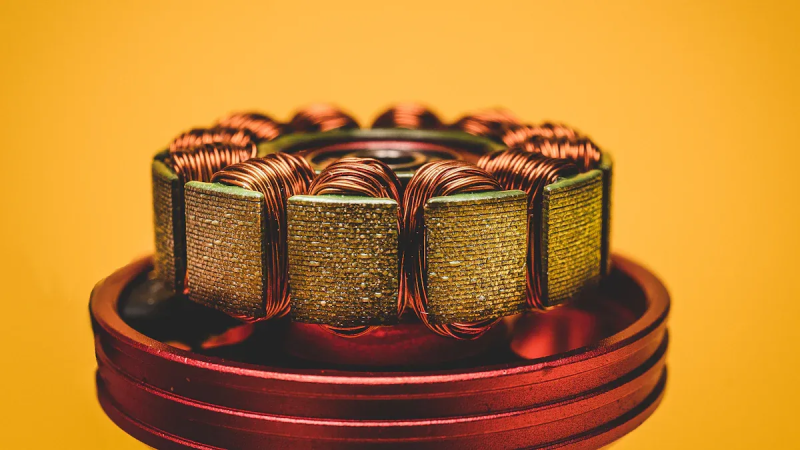
The induction coil is the most important part of the system. You put your workpiece inside or close to the coil. The coil makes the magnetic field that heats the material. In high-frequency systems, there are fewer turns and magnetic cores. New coil designs lower inductance by up to 80% compared to old ones. The number of windings and cores drops by half. These changes help the coil work better at high frequencies and make heating more efficient.
Workpiece and Load
The shape and material of your workpiece change how well it heats. You can use different coils for different jobs. Here is a table that shows which coil works best for each shape:
You can use high-purity copper or litz wire for the coils. These materials help save energy and heat your workpiece faster. Flux concentrators guide the magnetic field and make the system up to 50% more efficient.
Cooling and Control
You need to keep your system cool so it does not get damaged. Water-based cooling systems are often used. They keep the temperature safe and help your equipment last longer. Control circuits let you set the power and temperature. Sensors, like thermocouples, check the heat and adjust the system. You can check and clean your system every day, week, and month to keep it working well.
Tip: Doing regular maintenance keeps your high frequency induction systems safe and working well.
Industrial Applications
Metal Hardening and Forging
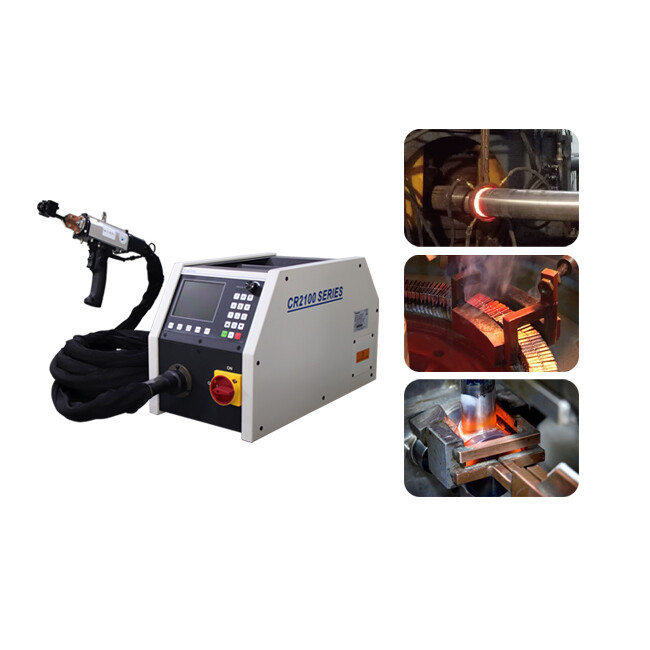
High frequency induction systems make metals stronger and last longer. This technology helps with heat treatment like hardening, annealing, and tempering. You can control the temperature and how deep the heat goes. This means every part gets the same treatment. Induction heating is also used for forging. It heats metal fast and evenly. This lets you shape metal with less wasted energy. Surface hardening is common. Only the outside gets hot and hard. The inside stays tough and flexible.
You get the same results every time.
You can make car and airplane parts better.
You avoid problems like uneven heat and wasted energy.
Here is a table that shows the main benefits in different industries:
Brazing and Soldering
You can join metal parts with brazing and soldering. High frequency induction systems heat things fast and with control. You can set up the heating steps and use them again. This makes your work the same each time. You also save energy because heat goes right to the joint.
You can heat the joint quickly and melt the filler metal.
You can use this technology in machines for faster work.
Medical and Laboratory Uses
High frequency induction systems are used in medical and lab work. You can use them to soften metal, join parts, and shape catheter tips. They help clean, harden, and test medical tools. You can also use them for research, like heating tiny particles for cancer studies.
Tip: Induction heating helps make medical devices safer and more reliable.
Other Emerging Uses
There are new ways to use high frequency induction systems in many fields. Companies use them to save energy and help the planet. You can connect these systems to the Internet of Things for better control. Some factories use machine learning to make heating more accurate. Portable units let you use them in different places. You can even use clean energy to power these systems.
You can use high frequency induction systems in cars, planes, metal shops, hospitals, and electronics. This technology helps you work faster, safer, and with less waste.
Benefits of High Frequency Induction Systems
Efficiency and Precision
High frequency induction systems heat things accurately and reliably. They keep the temperature error very low, under 5 °C. The difference between hot spots is less than 10 °C. You do not get much extra heat, so parts do not overheat. The process works well almost every time, with a success rate over 98%. If you skip pre-tuning, the temperature spread gets three times bigger. The success rate drops to only 14%.
Mean absolute temperature error: under 5 °C
Difference between heated spots: less than 10 °C
Extra heat (overshoot): below 10 °C
Success rate: over 98%
No pre-tuning: temperature spread triples, success rate falls to 14%
You get the same results each time. This helps you make good products.
Safety and Environmental Impact
These systems make your workplace safer. They do not use open flames or make dangerous byproducts. You avoid burns because there are no hot surfaces. The design lets you use automation. This keeps workers safe and lowers mistakes. These systems also help the environment. When you switch from old coke furnaces to electric induction, you cut pollution. You also make the air cleaner. These systems heat metal directly, so less energy is wasted. You lower your carbon footprint. You meet clean manufacturing rules and follow safety and environmental laws.
Tip: Using high frequency induction systems helps you meet OSHA and EPA rules in your factory.
Cost Savings
You save money in many ways with these systems. Car makers in Germany used 20% less energy in 2023. A steel company in Canada cut its main energy use by 30%. They also met their decarbonization goals. An electronics company in the U.S. made production 25% more efficient with IoT-enabled induction heating.
Here is a table that shows how these systems compare to other heating technologies:
You spend less on electricity and repairs. Even if you pay more at first, you save more later. This is because you use less energy and need fewer repairs.
High frequency induction systems heat things quickly and neatly. They help you use less energy and keep things safe. You can count on them to work well in many jobs.
You can start heating right away and control it easily.
You save energy and spend less money.
You work in a place that is safer and cleaner.
Try these systems to make your work better and use new technology.
FAQ
What materials can you heat with high frequency induction systems?
You can heat metals like steel, copper, aluminum, and brass. These systems work best with materials that carry electricity. Non-metallic materials do not heat well with this method.
Is high frequency induction heating safe for you to use?
Yes, it is safe because there are no open flames or hot surfaces. The system uses shields and sensors to keep you safe. You should always follow safety rules and wear the right gear.
How do you choose the right frequency for your job?
You pick the frequency by looking at the size and thickness of your workpiece. Low frequencies heat deeper. High frequencies heat only the surface. If you are not sure, ask an expert.
Can you use high frequency induction systems for small parts?
Yes, you can heat small parts fast and evenly. These systems let you control the heat well, so you do not overheat or damage delicate items.
Sign up for updates