




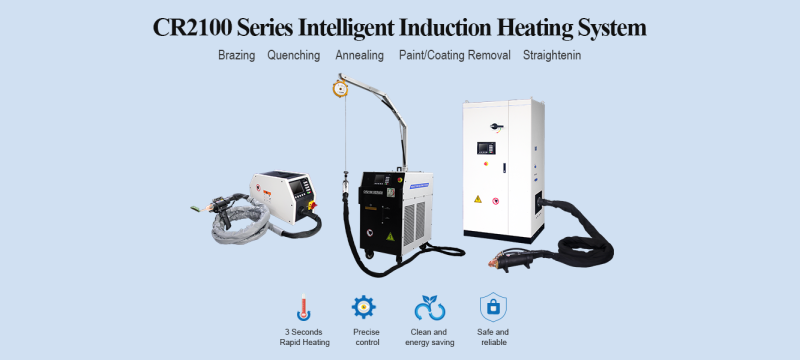
You see the induction hardening machine uses electromagnetic induction to heat metal. This heats only the outside of steel parts. The inside stays tough and strong. The heating changes the crystal structure on the surface. This makes a hard martensitic layer. The surface gets harder and resists wear better. The rest of the part does not change. Fast cooling puts pressure on the surface. This helps the part last longer. Many industries use this method. It keeps machine parts strong and reliable.
Surface hardening makes a martensitic layer for hardness.
The core does not change, so it stays strong.
Pressure forms on the surface, making it last longer.
Key Takeaways
Induction hardening makes a tough layer on metal parts. The inside stays strong and bends easily.
Good preparation is important for induction hardening to work well. This means cleaning the metal and checking its details.
The process heats the metal fast and cools it quickly. This changes the metal so it lasts longer.
Induction hardening saves energy and is good for the environment. It uses electricity and does not make harmful gases.
Many industries use this method, like car and airplane makers. It helps them make parts that work well for a long time.
Induction Hardening Machine Basics
Electromagnetic Induction Principle
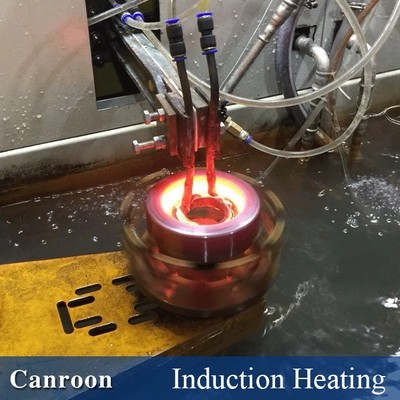
The induction hardening machine heats metal parts using electromagnetic induction. A coil makes a changing magnetic field. When you put a metal part in the field, eddy currents form in the metal. These currents heat the surface because of resistance. If the metal is magnetic, it also heats up from hysteresis losses.
The skin effect means most current stays near the surface. This makes the outside heat up faster than the inside. Some heat moves deeper, but most stays on the surface.
Electromagnetic induction creates a force in the metal.
The skin effect keeps current near the outside.
Heat conduction spreads energy inside the metal.
Machine Components Overview
An induction hardening machine has many important parts. Each part does a special job. The table below lists the main parts and what they do:
The power supply sends energy to the coil. The coil makes the magnetic field. The cooling system keeps the machine safe and cool.
Surface Hardening Process
You can use an induction hardening machine to harden metal surfaces. First, put the metal in a water-cooled copper coil. The coil heats the surface very fast. It gets hotter than the transformation range. The heat can go as deep as 8 mm. Next, cool the metal quickly in oil or water. This step makes the surface hard and stops heat from going inside. The outside becomes a tough martensitic layer. The inside stays strong and bendable.
This process helps parts last longer and fight wear. The induction hardening machine lets you control how hard the surface gets.
Induction Hardening Process Steps
Preparation and Setup
You need to prepare your metal parts before you start the induction hardening process. Good preparation helps you get the best results. Here are the main steps you should follow:
Clean the surface of each part. Remove rust, oil, and dirt. This helps heat move evenly into the metal.
Check the size and shape of your parts. Make sure they match the needed specifications.
For tool steels, use precise machining. This prevents problems during hardening.
Some tool steels need preheating. Preheating lowers stress and stops cracks.
Choose steels with the right carbon content. This makes the hardening process more effective.
Tip: Clean parts and the right material choice help you avoid defects and get a strong, even hardened layer.
Heating and Quenching
The induction hardening machine uses electromagnetic induction to heat the surface of your metal part. You place the part inside a coil. The coil creates a changing magnetic field. This field makes the surface heat up quickly. The heat goes above the critical temperature, turning the steel into austenite.
After heating, you must cool the part very fast. This is called quenching. You can use water, oil, or molten salt. Fast cooling changes the austenite into martensite. Martensite is a very hard crystal structure. This step gives your part a tough, wear-resistant surface.
Here is a table showing the key parameters you need to control during heating and quenching:
Induced quenching works fast and gives high hardness.
Longer heating time and a smaller gap between the coil and the part make a deeper, better hard layer.
Note: The martensitic layer forms only on the surface. The core stays tough and flexible. This selective hardening gives you a part that resists wear but does not break easily.
Microstructural Changes
You can see the following changes in the steel during this process:
You heat the steel above its critical temperature. The structure changes to austenite.
You hold the steel at this temperature for a short time.
You quench the steel quickly. The structure changes to martensite.
Martensite forms because the fast cooling traps carbon atoms. This makes the surface very hard.
Martensite has a special crystal structure. It is hard and strong but can be brittle if not controlled.
Finishing and Inspection
After hardening, you need to finish and inspect your parts. This step makes sure your parts meet quality standards.
Remove any scale or residue from the surface.
Straighten the parts if they bent during heating or quenching.
Polish or grind the surface if needed for your application.
You must check the hardness and depth of the hardened layer. Here is a table showing common inspection requirements:
Quality check: Always measure the hardness and depth to make sure your parts will last in tough conditions.
By following these steps, you can use an induction hardening machine to create parts with a hard, wear-resistant surface and a strong, flexible core. This process helps you get reliable parts for many industrial uses.
Advantages of Induction Hardening
Efficiency and Precision
Induction hardening works fast and is very accurate. The machine heats metal quickly, so you save time. You can set the temperature and how deep the hardening goes. This helps you get the same results every time, even with many parts. You can pick which part of a piece to harden. For example, you can harden just the gear teeth or the bearing surfaces. The rest of the part stays strong and flexible.
Here is a table that shows how induction hardening helps you work faster and more accurately:
Wear Resistance and Core Toughness
Induction hardening makes the outside of parts very hard. This hard layer protects against rubbing and scratching. The inside stays tough and can bend without breaking. Parts last longer, even when used for hard work. This is good for gears, shafts, and other parts that carry heavy loads.
Parts last longer because of the hard surface.
There is less chance of parts breaking.
The shape stays the same because the inside stays cool.
Tip: Induction hardening is great for parts that need to be strong and resist wear at the same time.
Energy and Environmental Benefits
Induction hardening is better for the environment. It uses electricity, not burning fuels. You do not need gases or chemicals, so the air stays clean. The machine heats only the part you want, so less energy is wasted. Fast cycles mean the machine does not stay hot when not working.
You spend less money on energy.
There is less pollution at work.
The process is cleaner for making things.
Industrial Applications with Canroon
Automotive Components
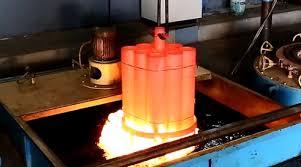
Induction hardening machines help make car parts stronger. They are used for gears, crankshafts, camshafts, axle shafts, and transmission parts. Many car makers use vertical induction hardening for gears and shafts. This makes parts last longer and work better. One auto supplier saved 30% of processing time. Their gears lasted 15% longer after using this method. Engine parts like crankshafts and camshafts get better wear resistance and higher fatigue strength. Car parts can handle more stress and keep working for a long time.
Tip: Focus on gear teeth and bearing surfaces for best results.
Aerospace and Aviation
In aerospace, you need parts that are light and strong. Induction hardening helps make actuators, landing gear parts, and turbine shafts. These parts resist wear and stay tough inside. The process increases fatigue strength, which is important for planes and helicopters. You can trust your parts will last longer and stay safe during flights. Canroon gives you machines with the control needed for these high-tech parts.
Tools and Machinery
Induction hardening is used for many tools and machines. It works well for cutting tools, dies, punches, and other parts. These parts are made from medium to high carbon steels, alloy steels, cast irons, powder metal, and some stainless steels. Canroon’s DuraPower series gives you power supplies from 5 to 500 kW. Frequencies range from 1 to 400 kHz. This lets you match the right settings to your tool or machine part. You get tools that stay sharp and strong, even after heavy use.
Heavy Equipment
Heavy equipment parts like rollers, pins, and spindles face a lot of stress. Induction hardening puts compressive stress on the surface. This helps stop cracks from starting. You get a hard outside and a tough, bendable inside. Your equipment can handle tough jobs without breaking. Canroon’s induction hardening machine gives you speed and control for big parts.
Here is a table showing where induction hardening is used in different industries:
Canroon helps you with more than just hardening. Their machines can be used for welding, brazing, and quenching. This gives you a full set of solutions for your factory.
Induction Hardening Machine vs. Other Methods
Comparison with Flame and Case Hardening
There are different ways to harden metal surfaces. Each way works in its own style. Induction hardening machines give you more control and faster results. Flame hardening uses a torch to heat the outside. Case hardening uses a furnace and adds carbon to the metal. Case hardening needs big furnaces and deep heating. This makes it hard to use for large parts.
Studies show induction and flame hardening work well for big pieces. Case hardening has limits because of furnace size and how deep it can heat. You can look at the table to see the main differences:
Induction hardening gives you better accuracy and control. Flame hardening depends on how skilled the worker is. This means results can change. Case hardening takes more time and uses more energy.
Unique Benefits
Induction hardening machines have special advantages. Other methods cannot do these things. You can harden parts very fast, sometimes in less than an hour. The process uses less energy and heats evenly. You can keep parts straight and control how much they bend. You can also use machines to make many parts the same way.
Here are some unique benefits:
You get fast and even heating.
You can control how deep and hard the surface gets.
You use less energy and save money.
You keep parts from bending or twisting.
You can use machines to make lots of parts the same.
The table below shows how induction hardening is different from other ways:
Induction hardening is good for important parts. The process lets you check quality and follow strict rules. Your parts last longer and work better.
Tip: If you want fast, accurate, and energy-saving hardening, induction hardening is the best pick.
You can make your parts stronger and last longer with an induction hardening machine. This process lets you control heat exactly where you want. It heats parts fast and keeps them from changing shape. Canroon’s machines help you get the same good results every time and speed up your work. When picking a machine, think about how much power it has, what frequencies it uses, how the coil is shaped, and how well it cools.
You save material and your parts last longer, so work is easier.
Cleaner shops and safer air help everyone stay healthy.
In the future, machines will use more robots, be more exact, and save more energy.
Pick induction hardening if you want strong, dependable parts and a better way to make things.
FAQ
What materials can you harden with induction hardening machines?
You can harden many kinds of steel. Medium and high carbon steels work well. Alloy steels and some stainless steels are good too. Cast iron and powder metal parts can also be hardened.
How deep does the hardening layer go?
The hard layer is usually 1 mm to 8 mm deep. You can change the depth by adjusting the machine’s frequency, power, and speed. A higher frequency makes a thinner hard layer.
Do you need to clean parts before induction hardening?
Yes, you need to clean the parts first. Dirt, oil, or rust can block heat from spreading. Clean parts help make the hard layer strong and even.
Can you harden only certain areas of a part?
You can harden just the spots you want, like gear teeth or bearing surfaces. Induction hardening lets you heat only the needed areas. This saves energy and keeps other parts strong.
Is induction hardening safe for the environment?
Induction hardening uses electricity and does not make harmful gases. You do not need chemicals or flames. The process is clean and safe for people and the earth.
Previous:
Next:
Sign up for updates