




When you want to make your industrial heating better, induction heating equipment is a good choice for many reasons. Many companies pick this technology because it can save up to half the energy compared to old ways. It gives fast and steady heating. This helps use less energy and is better for the environment.
More people buy this technology every year. Experts think it will grow by over 5 percent from 2025 to 2035.
Key Takeaways
Induction heating equipment uses less energy. It heats only the needed parts. This helps cut down waste and saves money.
Pick the right frequency and power for your job. This makes the work faster and better.
Safety features are very important. Always follow safety rules. Check the equipment often to keep it safe.
Choose equipment that is simple to use and fix. This helps you work more and stop less.
Look at suppliers’ experience and support services. This helps you get good equipment and help when needed.
Define Your Induction Heating Application
Identify Process Goals
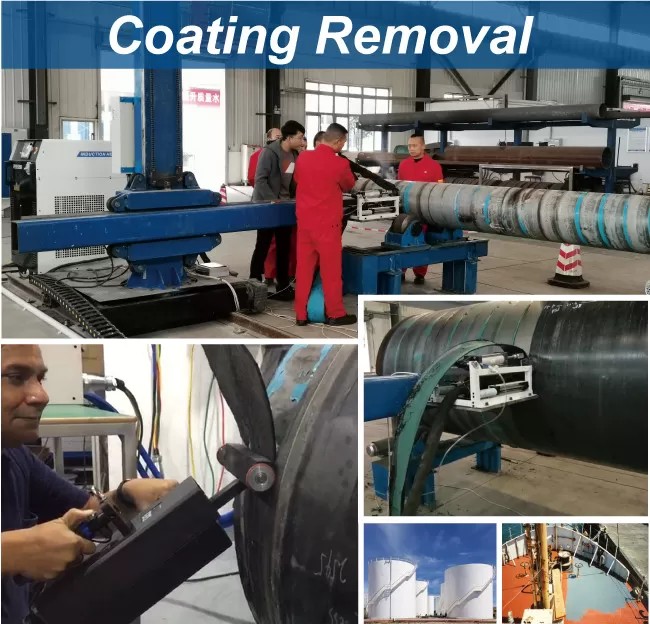
First, think about what you want to do with induction heating. Each industrial job has its own goal. Some jobs shape metal. Others join pieces or change how metal acts. Here is a table that lists common uses and what they mean:
You need to pick equipment that fits your job. Surface hardening needs quick and controlled heat. Brazing needs heat in just the right spot. What you need to heat will help you choose.
Assess Material and Workpiece
Check what your workpiece is made of and its shape. Induction heating works best with metals like steel, copper, and aluminum. Iron and steel heat up fast because they are ferromagnetic. The size and shape of your workpiece matter too. Magnetic permeability and electrical conductivity are important. Materials with high magnetic permeability heat up better. If your material is not magnetic, you may need more power or time.
Tip: Ferromagnetic metals heat up fast at first because of magnetic loss. Metals like steel with high resistivity heat quickly. Metals with low resistivity take longer.
Determine Heating Depth and Temperature
Decide how deep and how hot you want to heat your workpiece. Use the "1 hour per inch of thickness" rule for soaking time. Start timing after the center gets hot enough. For tempering, keep the temperature exact and soak for 1-2 hours. If you need a certain case depth, use formulas like Case Depth ≈ K√t.
Note: Getting the right heating depth and temperature helps you get good results and avoid waste.
Specify Induction Heating Equipment Requirements
Choose Frequency and Power
You need to pick the right frequency and power. This depends on what you want to heat and how you want to heat it. Frequency decides how deep the heat goes. Low frequency is good for heating thick parts. High frequency is better for heating just the surface.
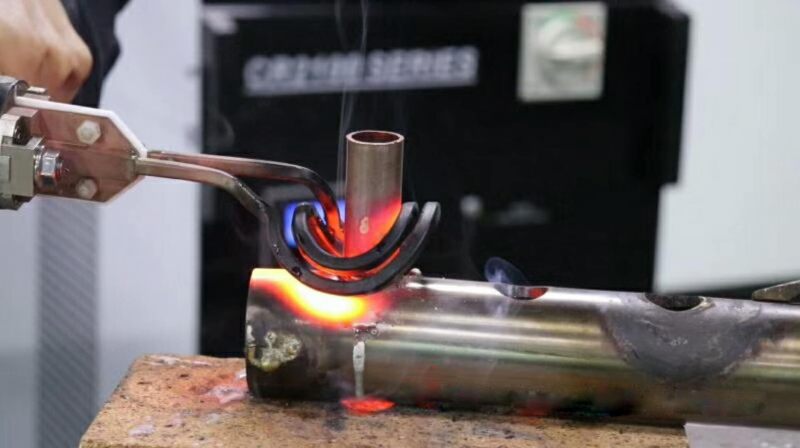
When you pick the frequency, you control how fast things heat up. You also control how far the heat spreads. If you want to heat only the end of a tube, use high frequency. The best frequency depends on the power supply, coil shape, and the part you are heating. You need to match the frequency and power to get good results.
You also need to pick the right power rating. Too much power wastes energy and money. Too little power slows down your work. The right power and frequency help you make good products and save time.
Induction heating is fast and efficient. You do not have to preheat the part. This saves time and energy. That is why many factories use induction heating.
Consider Coil Design and Coupling Efficiency
The coil is the main part of the induction heating machine. The coil’s shape affects how well it heats your part. You should pick a coil that fits your part’s shape and size. Good coil design helps more energy go into the part.
You can make the coil work better by using more layers. You can also pick the right winding density. The coil is usually made of high-purity copper. This helps it conduct electricity well. You must keep the coil cool so it works right. The space between the coil and the part matters. If the coil is too far, you lose energy. If it is too close, you might get sparks. The best coil design gives you good size and efficiency.
Tip: Use the right magnetic core materials. This helps guide the magnetic field. You get better heating and more even results.
Evaluate Equipment Footprint
You need to think about how much space you have. The size of the machine depends on your job. Here is a table to show what you might need:
Induction heating systems can fit many shapes and sizes. You can use them in small spaces. They heat only the part you need. This means you do not need a big area. Induction heating equipment is easy to add to automated lines. This helps your factory run smoothly. These systems help you use your space well.
Note: Always check your space before you install new equipment. This helps you avoid problems. It keeps your work safe and efficient.
Review Safety, Usability, and Integration
Check Safety Features
Safety is very important when picking induction heating equipment. International rules help keep things safe. These rules cover electrical safety, fire safety, and how to use the equipment. Here is a table with key standards:
You should use automatic fire systems like CO₂ or dry powder. Put manual fire extinguishers where you can reach them fast. Thermal sensors help find overheating early. Do not overfill the crucible to stop splashes or cracks. Regular checks keep your equipment safe and working well. Install everything the right way and ground it to lower fire risks. Always use the right power and check safety devices often.
⚠️ Common safety problems are electric shocks, overheating, coil short-circuits, cooling system failure, metal splashes, and electromagnetic radiation. You can stop these by following the manual and keeping the equipment in a safe place.
Assess Ease of Use and Maintenance
Pick equipment that is simple to use and care for. Fast heating helps you finish work quicker. Precise control lets you heat only certain spots. High efficiency saves energy and money. Clean operation means no burning and less fire danger. Consistent results help you make good products. Easy automation saves time. Less maintenance means fewer repairs and less downtime.
Easy maintenance makes your equipment last longer. If you check your system often, you stop damage. This means fewer repairs and your equipment works better.
Plan for System Integration
Think about how your equipment will fit in your factory. It can be hard to add new machines. High costs can make it tough to start. Mixing new and old systems can be tricky. You might need special skills to use and fix the equipment.
Modern induction heating systems help solve these problems. Certified experts can connect your equipment to control networks. These systems work with automation, SCADA, and IIoT. You get one platform to watch and control everything. Real-time data helps you work better and stop delays.
Tip: Pick equipment that connects easily to your control systems. This helps your factory run smoother and makes decisions easier.
Select an Induction Heating Supplier
Evaluate Supplier Experience
When you pick an induction heating supplier, check their experience. Suppliers with lots of experience make better machines. They care about quality and new ideas. This means their equipment works well and lasts longer. You can trust these suppliers to help you for a long time.
Assess Support and After-Sales Service
You need good support to keep your machines working. Fast help and repairs stop long breaks. This makes your equipment last longer and work better. The best suppliers give you many ways to get help:
Compare Cost and Value
Do not just look at the first price you see. Think about how much it costs to use the machine for years. Machines that use less power save you money. If the machine heats evenly, your products are better. Strong machines break less and last longer. If it is easy to add to your factory, you save time. Good support helps your machines keep running.
Power efficiency means you pay less for energy.
Even heating makes your products better.
Strong machines need fewer repairs.
Easy setup saves you time and money.
Good support keeps your machines working.
Tip: Always check for certifications and safety rules. These show the equipment is safe and meets industry standards.
You can make more products if you pick the right induction heating equipment. Think about safety, how fast it works, and if it can do different jobs. Try not to make mistakes like picking a machine that is too big or using the wrong frequency. Choose machines that match your metal and how much you need to make. Newer machines use less energy and keep the air cleaner. See the table below for the most important points:
Machines that save energy and work by themselves help you follow rules and get ready for the future.
FAQ
What materials can you heat with induction heating equipment?
You can heat metals like steel, copper, and aluminum. Ferromagnetic metals heat up faster than others. Non-magnetic metals need more power to get hot. Induction heating does not work well with plastics or ceramics.
How do you choose the right frequency for your application?
Low frequency heats thick parts deeply and slowly. High frequency heats surfaces fast and shallow. Pick the frequency based on your part’s size and how deep you need to heat. If you are not sure, ask your supplier for help.
Is induction heating safe for your factory?
Induction heating is safe if you follow safety rules. Make sure you ground the equipment and keep it cool. Set up fire protection systems. Check the machines often to spot problems early. Teach your team how to use the machines the right way.
Can you automate induction heating equipment?
You can connect induction heating machines to automation systems. Many machines work with robots or conveyor lines. Automation helps you save time and makes your products better.
How does induction heating save energy?
You use less energy than traditional heating methods.
Previous:
Next:
Sign up for updates