




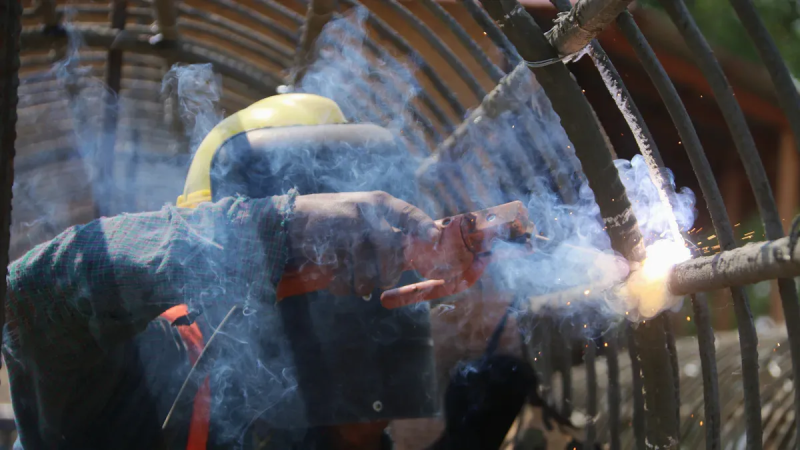
Induction brazing works better than traditional brazing. It heats up faster and makes stronger joints. Induction brazing machines also use energy better. Many manufacturers pick induction brazing because it is fast and clean. More people use it now because it makes less waste. You also get more control over the process. Here is a simple chart to show the differences:
Canroon is a top company for induction brazing machines. Their machines help you work faster and make better products.
Key Takeaways
Induction brazing heats just the joint. This saves time and energy. It also makes strong and clean joints. This method is safer than traditional brazing. It does not use open flames. This lowers the chance of burns and fires. Induction brazing machines are small and work well. They help make things faster and create less waste at work. Companies can get their money back in 2 to 5 years. This is because energy costs are lower and machines need less fixing. Pick induction brazing for making many parts with the same quality. Traditional brazing is better for custom jobs or small batches.
Induction Brazing and Traditional Methods Overview
What Is Induction Brazing?
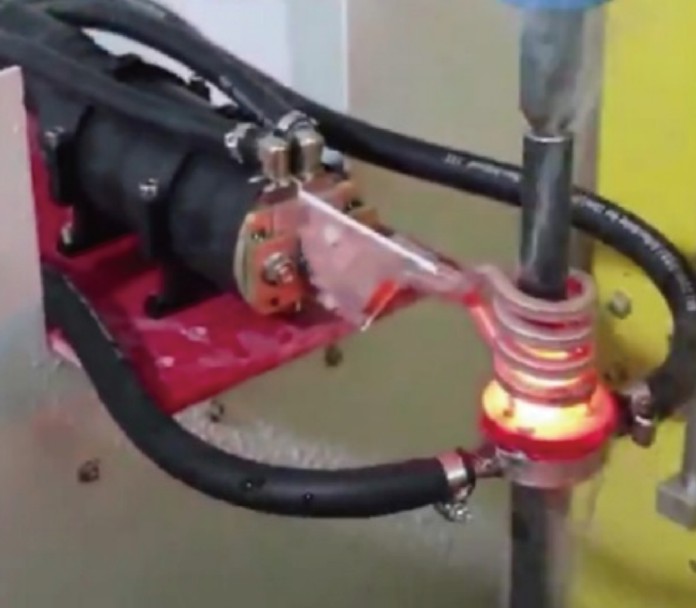
Induction brazing helps you join metals fast and neat. It uses electromagnetic coils to heat just the joint. You put the metal parts together and add filler metal. The coil makes heat that melts the filler. This bonds the metals. You do not need an open flame for this. Induction brazing is good for small, regular joints. It gives strong and clean connections. You do not need extra chemicals. You also do not use flux, so your work area stays cleaner.
What Is Traditional Brazing?
Traditional brazing joins metals with tools like torches or furnaces. This method heats the whole part, not just the joint. You put the parts in a furnace or use a torch. The heat melts the filler metal. This way works for big or odd-shaped joints. You might need flux to help the filler flow and stop rust. Traditional brazing takes longer because you heat more metal. People use it for batch jobs or many shapes.
Key Differences
There are clear differences between induction brazing and traditional brazing. Induction brazing heats only the joint. This saves time and energy. Traditional brazing heats everything. This takes longer and uses more power. The equipment and setup are also different:
You can also look at the equipment and setup time:
Induction brazing heats just the joint, so you finish sooner.
Traditional brazing heats the whole thing, so it takes longer.
Induction brazing is safer since you do not use open flames.
Tip: Induction brazing gives cleaner joints and more control. Traditional brazing is better for big or strange-shaped parts.
Induction Heating vs Traditional Heat Sources
How Induction Heating Works
Induction heating joins metals without touching them. You put a metal part inside a coil. The coil makes a magnetic field. This field heats the metal from the inside. You can control the temperature easily. You only heat the spot you want. Induction heating works quickly and keeps your area safe. There are no open flames or smoke. The heat goes right into the metal, so it saves energy.
Traditional Heat Source Methods
Traditional heating uses things like gas furnaces or torches. These tools heat the whole part and even the air. You have to wait longer for the metal to get hot. Traditional heating can make some spots hotter than others. You might see hot or cold spots. You need to be careful with flames and fumes. These ways can make your work area less safe. You use more energy and time to finish the job.
Note: Induction heating gives you more control and keeps your area cleaner. Traditional heating is sometimes easier to set up but uses more energy and can be more risky.
Efficiency Comparison
It is easy to see how induction heating and traditional heating are different.
Induction heating can be up to 90% efficient because it heats the part itself.
Traditional heating like gas furnaces are only 40-60% efficient.
Induction heating lets you control the temperature very well. This means fewer mistakes and better products.
You can get your money back in 2-5 years with induction because you save on energy and repairs.
Induction heating does not use flames, so it is safer. Traditional heating uses flames and can be more dangerous.
Induction heating gives you faster and safer results. It also makes your work more even. Traditional heating may look simple, but it costs more over time and can make weaker joints.
Induction Brazing Machine Efficiency
Speed and Cycle Times
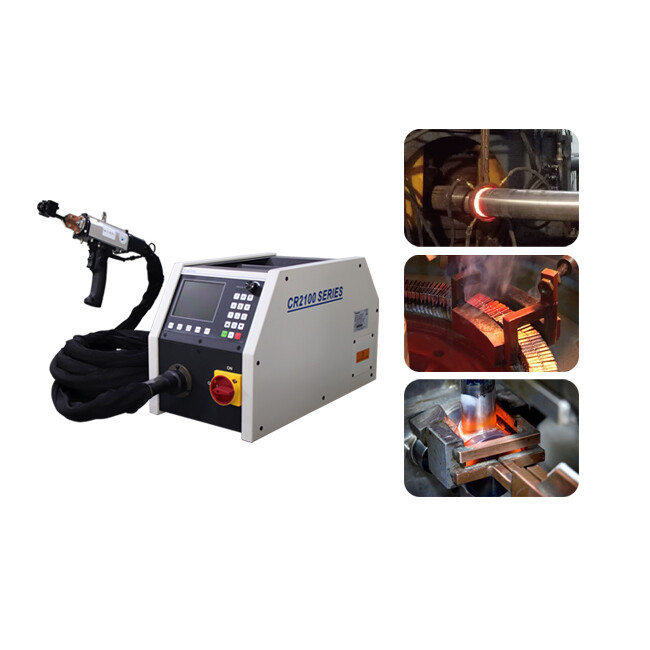
Induction brazing machines help you work faster. They heat metal parts in just seconds or minutes. Traditional brazing can take hours to finish the same job. You can make more parts in less time with induction brazing. Shorter cycle times mean you finish jobs quickly. The fast heating also keeps your assemblies from getting too stressed. You see fewer defects and less bending in your products. Faster work lets you handle big jobs easily. You also have less extra heat in your workspace, so it is safer and more comfortable.
Tip: Induction brazing lets you work on many parts at once. This helps you finish more jobs and meet deadlines.
Precision and Control
Induction brazing machines give you great control. They turn electricity into heat right inside the metal. You do not waste energy heating the air or the whole furnace. This saves energy and lowers your costs. You can set the machine to control power and timing. This makes sure your joints are always strong and neat. You get the same results every time you use the machine. Automatic systems help you make more parts without losing quality. Heating only the joint saves energy and makes the process better.
Induction brazing machines heat just the joint area.
You can set the machine for each job.
You get the same results every time.
You spend less time fixing mistakes.
Precision helps you keep your work high-quality.
Workspace and Lean Manufacturing
Induction brazing machines help you keep your workspace neat. They are small, so you need less space. You see fewer dangers because there are no open flames. Controlled heating gives you strong joints every time. Direct heat means less energy is wasted. Your team works in a safer place with fewer risks.
You can organize your workspace better with induction brazing. The machine helps you follow lean rules. You spend less time fixing the machine and more time making parts. You save money because the machine has fewer moving parts and does not use chemicals or flames. Your area stays clean and safe, which helps everyone work better.
Note: Induction brazing machines help you make more parts and keep your standards high. They also protect the environment and keep your workspace safe.
Joint Quality and Consistency
Induction Brazing Joint Strength
You want strong and reliable joints in your products. Induction brazing helps you reach this goal. The process uses rapid and uniform heating. This means you get fewer defects and more leak-proof joints. You can trust the quality of joint because the heat spreads evenly. This makes the bond strong and clean. Induction brazing also lets you control the temperature very closely. You can set the right heat for each job. This control helps the filler metal bond well with the base metal. Your joints can handle vibration and changes in temperature. This is important for products that must last a long time.
Rapid and even heating lowers the risk of weak spots.
You get clean bonds that stand up to stress and movement.
Uniform heat makes each joint strong and reliable.
You can adjust the temperature for the best results.
Traditional Brazing Joint Quality
Traditional brazing can make good joints, but you may see more problems. The heat from a torch or furnace spreads to the whole part. This can cause hot and cold spots. Sometimes, the joint gets too hot or not hot enough. This makes the quality of joint less steady. You may need to use flux to help the filler flow. If you do not control the heat well, you can get weak joints or leaks. In high-volume work, these problems can lead to more repairs and returns.
Heat is not always even, so joints can be weaker.
You may see more leaks or cracks.
The process takes longer and uses more energy.
Repeatability and Durability
You want every joint to be the same. Induction brazing gives you this repeatability. The machine lets you set the temperature and time for each job. You get the same results every time. Focused heating stops the metal from getting too hot. This keeps the metal strong and helps the joint last longer. In high-volume work, this means fewer defects and less waste. Traditional brazing does not always give you this control. You may see joints that look different or do not last as long.
Induction brazing gives you strong, repeatable joints.
Focused heat keeps the metal safe and durable.
Traditional methods can lead to joints that are not as steady or strong.
Tip: If you need high efficiency and reliable joints, induction brazing is the better choice. You will see better results and fewer problems in your finished products.
Cost Comparison: Induction vs Traditional
Initial Investment
When you compare costs, you see a difference at the start. Induction brazing machines cost more to buy. The table below shows the prices for different machines:
Traditional brazing tools, like torches or small furnaces, cost less. They are good for small jobs or if you move your tools a lot. Induction machines need more money at first, but they give you better control and results for big jobs.
Operating Costs
There is a big difference in how much it costs to run each method. Induction brazing uses less energy because it heats only the joint. This means it works better and wastes less. Traditional brazing heats the whole part, so it uses more energy and takes longer. The table below shows how they compare:
Induction brazing also means you spend less fixing and cleaning the machines. The machines have fewer parts that move and are easy to keep clean. You will also have less time when the machine is not working.
Long-Term Savings
Induction brazing saves you money over time. You can use up to 60% less energy than with traditional ways. Many companies get their money back in 2 to 5 years. You save on energy, repairs, and work time. The table below shows the main points:
You might have some problems when you start using induction brazing. You need to pick the right filler rings, set the joint gaps, and get power and cooling ready. Canroon can help you with these steps. Their team helps you switch and get the best return on your money.
Tip: If you want to work better and save money in the long run, induction brazing is a smart pick. You will see savings and better results for your company.
Safety and Environmental Impact
Safety in Induction Brazing
Induction brazing is safer for workers. There are no open flames, so burns are less likely. The machine heats the metal without touching it. This means you do not get close to hot parts. The risk of getting hurt is lower because the machine does most of the work. Many machines can turn off by themselves if there is a problem. This keeps you safe if something goes wrong. Your workspace stays neat and tidy. You do not have to worry about smoke or sparks.
Induction brazing does not use flames, so burns are less common. * There is a smaller chance of fire than with traditional brazing. * The workspace is cleaner and safer for everyone.
Safety in Traditional Brazing
Traditional brazing uses torches or furnaces. You work with flames and hot tools. This makes burns and fires more likely. You have to be careful to avoid getting hurt. The process can make smoke and fumes. You need good airflow to keep the air clean. Sometimes, you use chemicals like flux. These can bother your skin or eyes. Cleaning up takes more time after each job.
Tip: Always wear safety gear and keep a fire extinguisher close when using traditional brazing.
Environmental Benefits
Induction brazing is better for the environment. It uses less energy because it only heats the joint. This means you save energy and pay less for power. Induction brazing does not burn fuel, so no bad gases are made. It is easier to follow strict environmental rules. The process keeps your workspace clean and lowers pollution.
Induction brazing saves energy by heating just the part you need. * There are no flames or burning, so fewer gases are made. * No harmful gases are released, so it is good for strict rules. * Induction brazing is clean and helps lower pollution compared to old ways.
Note: Picking induction brazing makes your workplace safer and the environment cleaner. You help your team and the planet by making this choice.
Practical Applications and Suitability
High-Volume Production
Induction brazing is good for making lots of parts fast. It helps when you need to make many items quickly. Machines can make up to 250 parts each hour. This speed is used in car and airplane factories. Induction brazing gives strong joints and steady results. You save time and energy every cycle. Many companies use induction brazing for jobs that need quick and repeatable results.
Tip: If you want to make more parts and keep them strong, induction brazing is a smart pick.
When to Choose Induction Brazing
Pick induction brazing if you need speed, safety, and strong joints. It works best for jobs with lots of parts to make. You get great control and efficiency. Induction brazing works with many materials and shapes. You can use it for joining steel tubes, pipes, and electrical contacts. It is perfect for industries that need clean and reliable joints.
Here are some industries that use induction brazing machines:
HVAC
Automotive
Medical
Refrigeration
Agriculture
Plumbing
Making transformers and motors
Making generators
Steel tubes and pipes
Think about these things before picking induction brazing:
What material you use
How strong the joint needs to be
Safety
Cost
Note: Canroon can help you find the right solution. You can ask their experts for help with your job.
When Traditional Methods Fit
Traditional brazing is good for jobs with fewer parts or special shapes. You might use it for repairs or small batches. This method is flexible. You can use torches or furnaces for parts that do not fit standard machines. Traditional brazing is good for custom work and prototypes. Pick it if you do not need fast cycles or automation.
Tip: You can ask Canroon for advice on which method is best for your job.
Induction vs Traditional: Summary
You now know about both induction brazing and traditional brazing. You can see how they are different in a simple way. Induction brazing makes joints fast, clean, and strong. Traditional brazing is good for special shapes and small jobs. You should look at the main points to pick the best method for your work.
Tip: If you want to save energy and make strong joints fast, induction brazing is a smart choice. If you need to work with odd shapes or just a few parts, traditional brazing can help you.
Quick Comparison Table
This table shows the main differences between induction brazing and traditional brazing. You can use it to decide which method is right for you.
Induction brazing helps you control the process and get steady results.
Traditional brazing is flexible for special parts.
You can ask Canroon experts for help if you are not sure which method to use. They can help you find the best way for your job.
Note: Always think about your production needs, safety, and cost before you choose a brazing method.
You now know that induction brazing works better than traditional brazing. It lets you finish jobs faster and heat parts exactly where needed. You get the same good results every time. Induction brazing also keeps your work area safe and tidy.
You use less energy and make better products.
You finish jobs quickly and make less waste.
You follow safety rules and help the environment.
More companies now use machines and want to be eco-friendly. Canroon can help you pick the best induction brazing machine. Think about what you need and talk to experts to find what works for you.
FAQ
What makes induction brazing more efficient than traditional brazing?
You heat only the joint with induction brazing. This saves energy and time. You get strong, clean joints. You also avoid open flames and reduce waste.
Can you use induction brazing for all metals?
You can use induction brazing for most metals. It works best with materials like copper, steel, and aluminum. Some metals may need special settings or fillers.
Is induction brazing safe for your workspace?
You work safer with induction brazing. The process does not use open flames. Machines have automatic shut-off features. You avoid smoke and harmful fumes.
How long does it take to see cost savings with induction brazing?
You start saving money in 2 to 5 years. You use less energy and spend less on repairs. You also finish jobs faster and reduce waste.
Sign up for updates