




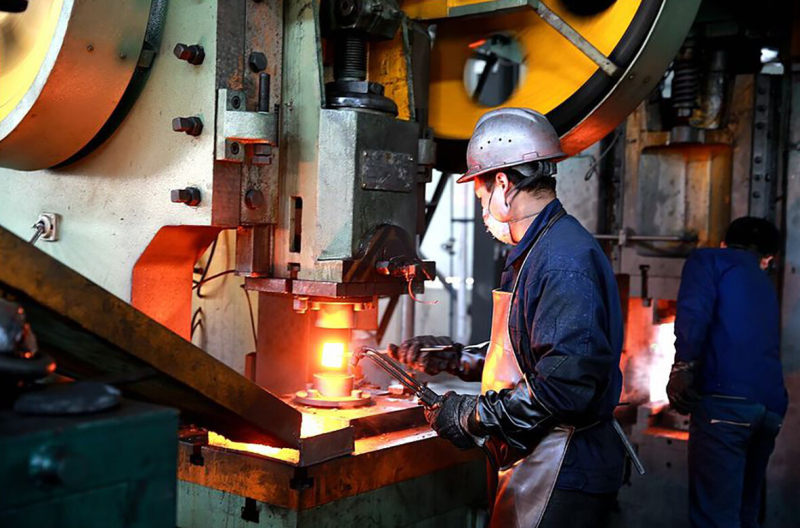
You use induction heating to make metal hot fast and with accuracy for forging. This way uses electromagnetic fields to heat metal without touching it. You get more control, faster heating, and safer work than old gas furnaces. The table below shows how induction heating works better than traditional heating.
Canroon gives you good induction heating solutions for your forging jobs.
Key Takeaways
Induction heating makes metal hot fast and evenly. It saves time and energy when compared to old ways. This technology lets you control the temperature very well. It helps keep the quality the same and stops overheating. Induction heating systems make the workplace safer. They do not use open flames and lower the chance of burns. Using induction heating can save a lot of money on energy over time. It also helps make things faster in production. Picking the right induction heating system means looking at what your project needs. You need to think about the type of metal, its size, and your production goals.
What Is Induction Heating in Forging?
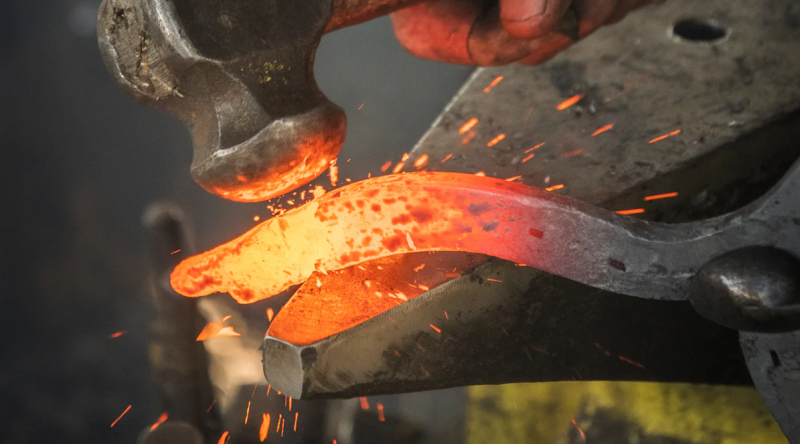
Induction Heating Basics
You use induction heating to make metal hot fast and evenly. This way works by sending high-frequency electricity through a coil. The coil makes a magnetic field around it. When you put metal inside this field, the metal gets hot from the inside out. Induction heating does not need to touch the metal. This keeps the process clean and safe. You can set the temperature very exactly. This helps stop the metal from getting too hot or burned.
Tip: Induction heating works best with metals like aluminum, brass, copper, iron, stainless steel, and titanium.
Some main benefits of induction heating are:
Heats up metal fast and saves energy
Uses less power
Does not make harmful smoke
Lets you control the heat very well
Induction Forging Process
You follow a few easy steps when you use induction heating for forging:
Preheat the Workpiece: Put the metal in the coil and heat it to the right temperature.
Shape the Metal: Use a hammer or press to make the metal into the shape you want.
Cool the Metal: Cool the metal, often by putting it in water or oil, to keep its new shape.
This way lets you heat only the part you need. It saves both time and energy.
Why Induction Matters Today
Induction heating is now very important in metalworking. You can use new control systems to change the heat for each job. Many factories say induction heating helps them work faster and make better things. About 75% of companies who switched to induction heating saw big changes in speed and quality. You also get energy savings up to 90%, which is much better than old ways. Induction heating systems now work well with people and machines together. This makes your workplace safer and easier to use.
How Induction Heating Works
The Heating Mechanism
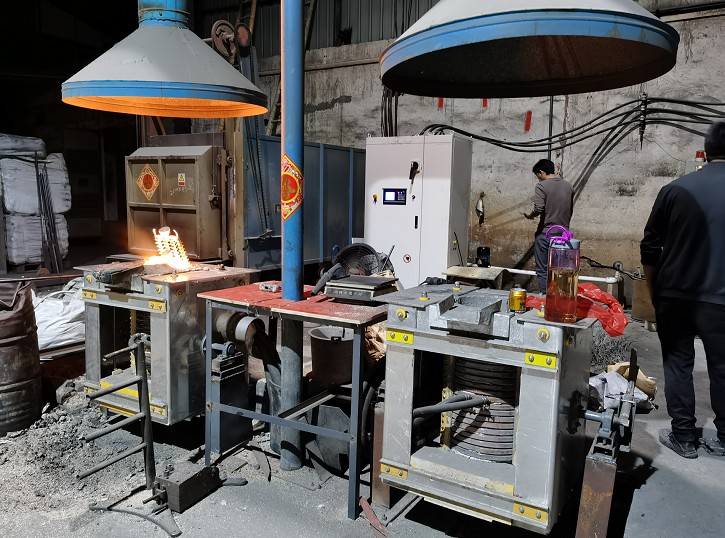
You can heat metal billets fast and evenly with electromagnetic induction. First, an alternating current goes through a copper coil. This coil makes a strong magnetic field around itself. When you put a metal billet inside the coil, the magnetic field makes electrical currents in the metal. These are called eddy currents. The metal’s resistance turns these currents into heat. You do not have to touch the metal or use open flames. This way helps you reach the right temperature for forging quickly.
Note: Induction Heating gives you quick and even heating. You can control the temperature very well. This helps you stop overheating or hurting the metal.
Key System Components
An induction heating system for metal forging has a few main parts. Each part helps make the process safe and easy.
Most setups have a power supply, an induction coil, a cooling system, and a control unit. The power supply sends electricity to the coil. The coil makes the magnetic field. The cooling system keeps everything cool and safe. The control unit lets you set and watch the heating process.
Application in Metal Forging
You use induction heating to get metal billets ready for forging. The system heats the metal from the inside out. This gives you even results every time. You can heat only the part you need. This saves energy and cuts down on waste. When the billet is hot enough, you move it to a press or hammer to shape it. Canroon’s advanced systems help you do this step by step and make things faster. You get better parts and a safer place to work with this technology.
Benefits of Induction Heating
Efficiency and Speed
You want to make metal forging fast and save energy. Induction heating helps you do this. It heats metal from the inside. This means you do not waste energy on the air or furnace walls. You also do not have to wait a long time. Gas furnaces can take 20 to 30 minutes to heat metal. Induction heating can get metal hot in less than 2 minutes. This saves you time and lets you make more parts every day.
Here is a table that shows how much energy each furnace uses:
You can save between 20% and 40% on energy. There is less heat loss and your power bills are lower. The system only heats the metal, so energy does not escape into the room. You can start and stop the process quickly. This helps you make parts when you need them.
Heat goes straight into the metal
Very little energy is wasted
Less heat escapes into the air
Metal heats up much faster
You use less power for each ton of metal
Precision and Uniformity
You want your forged parts to be strong and look the same. Induction heating gives you this control. The system heats metal evenly. You do not get spots that are too hot or too cold. This helps the metal bend and shape the way you want. You can set the temperature very exactly. This stops the metal from getting too hot and keeps it strong inside.
You get better parts and waste less metal. The process works for many shapes and sizes. You can trust every part to be the same.
Safety and Environment
You want your workplace to be safe and clean. Induction heating helps you do this. There are no open flames, so fires are less likely. The furnace walls and surfaces do not get as hot. This means workers are less likely to get burned. The process does not make smoke or bad gases. You do not have to worry about breathing in anything dangerous.
Induction heating is also better for the environment. You do not burn fossil fuels, so you do not make greenhouse gases. The process does not cause pollution or waste heat. You use less energy, so you help the planet. Many companies use this method to follow safety rules and protect nature.
Tip: Canroon’s induction heating solutions help you save energy, keep workers safe, and make your forging cleaner and better for the earth.
Choosing an Induction Heating System
Assessing Project Needs
You need to look at your forging project before you pick an induction heating system. Start by thinking about what kind of metal you want to heat. Some metals need more power or different coil designs. You should also check the size and weight of your workpieces. Bigger or heavier pieces may need more energy to heat up.
Think about how many parts you want to make each day. If you have a high production goal, you need a system that can keep up. You should also decide how fast you want each piece to heat. Faster heating can help you make more parts in less time.
You must choose the right frequency for your job. High frequency works best for small parts. Low frequency is better for large pieces because it heats deeper. Make sure your induction forge matches your heater. The coil design, power supply, and metal type all need to work together. Picking high-efficiency equipment helps you save electricity and money.
Tip: A good system gives you even heat. This means your parts will have the same quality every time and you will waste less metal.
Power and Coil Design
You need to match the coil design to your workpiece. The coil’s size and shape must fit the metal you want to heat. This helps you get even heating and saves energy. If you use the wrong coil, some spots may get too hot or stay cold.
The power level is also important. More power heats metal faster, but you must not use too much. High-frequency power is good for surface heating. Low-frequency power heats deeper into the metal. You should pick the right settings for your job to get the best results.
Safety and Compliance
You want your workplace to be safe. Choose a system with built-in safety features. Look for systems that have alarms, emergency stops, and good cooling. These features protect you and your team.
You should also check if the system meets local safety rules. This helps you avoid problems and keeps your shop running smoothly. Canroon offers systems that follow strict safety standards. You get support from experts who help you pick the right system and keep it working well.
Note: Canroon’s team can help you find the best induction heating system for your needs. You get advice, setup help, and support after you buy.
Practical Considerations
Cost and Investment
Induction heating systems cost more at first than old furnaces. This is because they use new technology and special parts. But you should think about how much you save later. Induction heating uses less energy and makes more parts faster. Many companies get their money back in one to three years. This is because they pay less for power and make more products.
Induction heating costs more at the start.
You save money and energy over time.
Most people get their money back in 1–3 years.
You make better products and work faster.
Cleaner ways help you follow new rules.
Tip: Buying induction heating helps your business. You get better results and spend less money later.
Space and Installation
You need to plan your space before you put in induction heating. The table below shows what to think about:
Always check your building’s power and cooling before you start. Good planning helps you avoid problems when you set up the system.
Maintenance Tips
You want your induction heating system to work well for a long time. Follow these simple steps:
Note: Canroon gives you help after you buy. You get help with setup, training, and service to keep your system working well.
You get lots of good things when you use induction heating for metal forging. It heats metal evenly and just right. The process is much faster and uses less energy. Induction systems also make your work area safer and cleaner. Many companies say their parts are better and they waste less metal.
You should think about what your project needs. You can talk to Canroon’s experts for help. They will help you pick the best way to do your forging work.
FAQ
What metals can you heat with induction forging?
You can use induction to heat lots of metals. Some common ones are steel, iron, copper, aluminum, and brass. Induction works best with metals that let electricity flow easily.
How safe is induction heating for workers?
Induction heating helps keep workers safe. There are no open flames or hot furnace walls. The system has alarms and emergency stop buttons to protect you.
Does induction heating save money over time?
Yes, you can save money with induction. It uses less energy and heats metal quickly. You pay less for power and can make more parts. Most companies get their money back in one to three years.
Can you control the temperature with induction heating?
You can set the temperature without trouble.
The system lets you change the heat for each job.
You always get even and correct heating.
Previous:
Next:
Sign up for updates