




You want to pick the right VFD drive for your job in 2026. Picking the right VFD makes sure your system fits the motor and load needs. Many companies save up to 35% on energy with the right VFD drives. Some businesses cut their yearly costs in half by using new VFD models. You can stop expensive mistakes and make things work better if you think about both the technical parts and what you need in real life.
Key Takeaways
Picking the right VFD drive can help you save half your energy costs. It also makes your equipment last longer.
Always check that the VFD matches your motor’s voltage and full load current. This keeps things safe and helps everything work well.
Know what you want your machine to do before you pick a VFD. This will help your machine work better and use less energy.
Think about things like heat and wetness when you put in your VFD. This stops it from breaking and helps it work all the time.
Find VFDs that have safety features built in. These keep your machines safe and cut down on repair costs.
What Are VFD Drives?
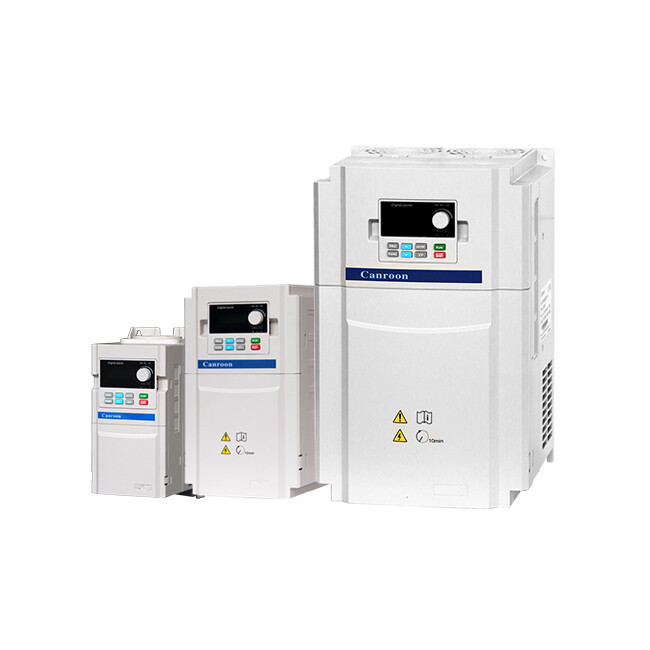
Variable Frequency Drive Basics
A variable frequency drive helps you change how fast a motor spins. It also lets you control how much force the motor uses. This device changes the power going into the motor. You can see vfd drives in many places. They help you control machines, use less energy, and protect parts from wearing out. The vfd takes normal AC power and turns it into DC power. Then, it changes the DC power back into AC power. The new AC power has the right speed and strength for the motor. The inverter uses special switches called IGBTs and pulse width modulation. These help control the power that goes to the motor. When you change the speed, you can make the motor run just how you want.
Tip: Always pick a vfd that matches your motor. This helps your motor work well and keeps it safe.
Why VFD Drives Matter for Efficiency
You want your machines to work well and not waste energy. VFD drives help you do this. They save more energy than old motor starters. You can use up to half as much energy. VFD drives also make machines last longer. They stop parts from breaking as fast. This means you do not have to fix things as often. The table below shows how vfd drives are better than old motor starters:
You save money and make your machines work better with a vfd. You also keep your equipment safe and your work more steady. If you want to use less energy and get better results, think about using a variable frequency drive for your next job.
Assessing Your Application Needs
Identifying Load and Application Type
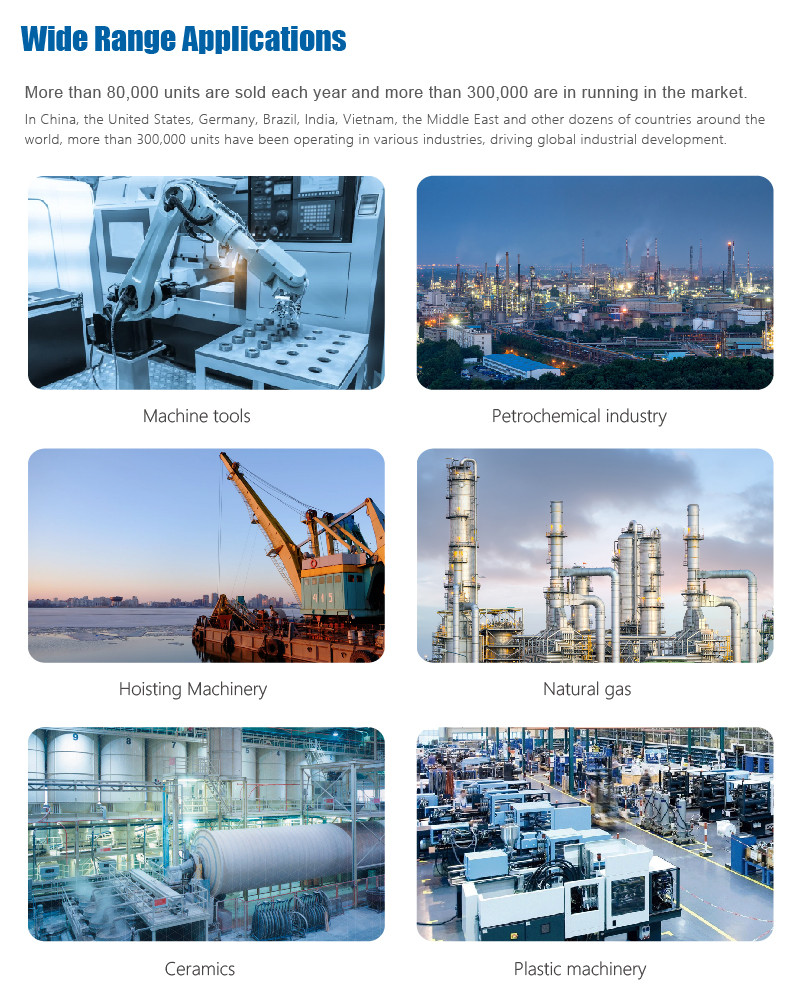
You must start by understanding your application. Each application type has its own needs. You cannot pick the right vfd without knowing what you want to control. Some of the most common applications that use vfd drives include:
HVAC systems
Water pumping
Ventilation systems
You see these applications in buildings, factories, and farms. Each one has a different load. For example, a pump has a steady load, but a fan can have a changing load. You need to match the vfd to the load and application type. If you do this, you get better efficiency and longer equipment life.
When you reduce the speed of motors in applications like HVAC or water pumping, you can save a lot of energy. If you lower a fan’s speed by just 20%, you can cut energy use by almost 50%. This shows how important it is to pick the right vfd for your application.
Tip: Write down your application type and load details before you choose a vfd. This step helps you avoid mistakes and makes your system work better.
Setting Operational Goals
You need to know what you want to achieve with your vfd. Setting clear goals helps you pick the best drive for your needs. Some users want energy savings. Others want better process control or improved motor performance. You should decide what matters most for your application.
Here is a table that shows the main operational goals when choosing a vfd:
If you want energy savings, focus on how the vfd controls speed. If you want better performance, check the motor specs and make sure the vfd matches them. If your application has special needs, look for features that fit those needs. You get the best results when you match your goals to the vfd features.
Note: Clear goals lead to better choices. You save money, improve efficiency, and get the performance you need.
Motor Specifications for VFD Selection
Voltage and Current Requirements
You have to check voltage and current before picking a variable frequency drive. The motor nameplate tells you the voltage and current needed to run safely. If you match the VFD to these numbers, your equipment stays safe and works better. Many machines use three phase motors. These motors need the right voltage and current. You must make sure the VFD can give enough power for your motor.
When you look at the motor nameplate, you see the voltage and full load current. These numbers help you pick the right VFD. If you choose a drive with the wrong voltage or current, your motor can get damaged and not work well. You also lose efficiency and might have to pay for repairs.
Tip: Always check the motor nameplate and compare it to the VFD specs. This helps your motor run right and keeps your system working well.
Horsepower vs. Full Load Amps
Some people think horsepower is all you need for picking vfd drives. This can cause problems. You also need to look at full load amps. The motor nameplate shows the full load current. This tells you how much power the motor uses when running. If you only use horsepower, you might pick a drive that cannot give enough current.
Picking a VFD by horsepower alone is not always right.
The motor nameplate shows the full load current. You should match this number with the VFD’s current rating.
You need to match the VFD’s current rating to the motor’s full load amps. This makes sure your motor works well and stays safe. If you skip full load amps, your motor may not work right and will not be as efficient. You can also have trouble with tough jobs like big pumps or conveyors.
Here is a table to help you see the difference:
You get better performance and save energy when you size the VFD by current and voltage. Your equipment lasts longer and you avoid breakdowns. Many jobs need the motor to be controlled just right, so you must pay attention to these things.
Note: Having the right motor specs is very important for good results. You keep your equipment safe and make sure your variable frequency drive works well.
Sizing the Variable Frequency Drive
Proper Sizing for Efficiency
You need to size your vfd correctly to get the best efficiency from your system. When you match the vfd to your motor’s needs, you help your equipment use less energy and work better. The right size vfd keeps your motor running at the right speed and power. This step boosts both efficiency and performance.
Here are steps you can follow to size your vfd:
Check your motor’s full load amps and voltage.
Choose a vfd with a current rating equal to or greater than your motor’s full load amps.
Make sure the vfd can handle the highest load your application will see.
Tip: Always use the motor’s nameplate data. This helps you avoid mistakes and keeps your system safe.
A properly sized variable frequency drive will help you reach your operational goals. You will see better performance and lower energy bills.
Risks of Over- or Under-Sizing
If you pick a vfd that is too small, you risk damaging your motor. The drive may overheat or shut down during heavy loads. This can lead to costly repairs and lost time. If you choose a vfd that is too large, you waste money and may not get the best efficiency.
Here is a table to show the risks:
You want your system to last and perform well. Correct sizing of your vfd protects your investment and keeps your equipment running smoothly.
Installation Environment Factors
Temperature and Humidity
You need to check the temperature and humidity where you put your VFD drive. VFDs work best when the temperature stays steady. Most drives work between 32°F and 104°F. If it gets hotter, the drive can get too warm. Too much heat makes the drive shut down or break. Do not put the VFD near things like ovens or boilers.
Humidity is also important for VFDs. If the air is very wet, water can form inside the drive. This water can cause rust and short circuits. Keep the humidity under 95% if it does not condense. If your place is humid, use a sealed box or a dehumidifier.
Tip: Always look at the manufacturer’s rules for temperature and humidity. This helps keep your VFD safe and working well.
Dust, Chemicals, and Protection Ratings
Dust and chemicals in the air can hurt your VFD drive. Dust can block fans and vents. Chemicals can damage parts inside the drive. You need to pick a drive with the right protection rating for your area.
Protection ratings use the IP code system. IP means "Ingress Protection." The code tells how well the box keeps out dust and water. For dusty places, pick a VFD with at least IP54. For places with chemicals or water spray, use IP65 or higher.
Here is a table to help you understand IP ratings:
You keep your VFD safe by picking the right box. You stop dust and chemicals from getting inside. You also make your equipment last longer.
Note: Always match the protection rating to your site. This helps stop problems and lowers repair costs.
Application-Specific Features
Torque and Speed Control
You need to focus on torque and speed control when you select a VFD drive for your application. Modern VFD drives in 2026 offer advanced features that help you get precise control. You can adjust the speed of your motor to match the needs of your process. This helps you save energy and reduce wear on your equipment. You also get better control over torque, which is important for machines that start and stop often.
Here is a table that shows some advanced features you will find in new VFD drives:
You can use these features to get the right speed and torque for your job. For example, vector control VFDs let you manage both speed and torque at the same time. Direct torque control VFDs give you a fast response, which is great for machines that need quick changes in speed. You should always match the VFD features to your application. This helps you get the best results and keeps your system running smoothly.
Tip: Choose a VFD with the right speed and torque control for your machine. This will help you avoid problems and get better performance.
Duty Cycle Considerations
You must think about the duty cycle of your application before you pick a VFD drive. The duty cycle tells you how long your motor runs and how often it starts and stops. Some machines run all day at the same speed. Others start and stop many times or change speed often. If your machine has a heavy duty cycle, you need a VFD that can handle high torque and frequent speed changes.
You should check the VFD’s rating for continuous and short-term operation. Some drives can handle high torque for a short time, but not for long periods. If you pick the wrong drive, you may see overheating or early failure. Always match the VFD’s duty cycle rating to your machine’s needs. This will help you keep your system safe and reliable.
Note: Write down your machine’s duty cycle and check the VFD specs. This step helps you avoid downtime and costly repairs.
Enhancing Reliability and Support
Built-in Protections
You want your VFD drive to last a long time. You also want it to keep your system safe. Modern VFDs have built-in protections. These features help stop common problems. They save you from expensive repairs and downtime. Most good drives have these protections:
Overload Protection: Stops the drive if the motor uses too much current.
Overvoltage and Undervoltage Protection: Shuts down the drive if voltage is too high or too low.
Short Circuit Protection: Finds and stops dangerous electrical faults.
Overtemperature Protection: Turns off the drive if it gets too hot.
Phase Loss Protection: Warns you if one power phase is missing.
Tip: Always check the VFD’s manual for a list of built-in protections. This helps you know what your drive can handle.
Here is a table to show why these protections are important:
Your system works better when you use a VFD with these protections.
Canroon Technical Support
You may have questions or problems when you use your VFD drive. Canroon gives you strong technical support. You can ask their team for help with:
Picking the right VFD for your motor and job.
Learning about wiring and installation steps.
Fixing error codes or alarms.
Getting tips on maintenance and upgrades.
Canroon’s experts answer your questions fast. They guide you step by step. You get clear instructions and helpful solutions. You do not have to fix problems alone.
Note: Good technical support saves you time and money. You get the most from your VFD investment.
You can contact Canroon by phone, email, or online chat. Their support team helps you keep your system reliable and efficient.
You get better efficiency and performance when your vfd drive matches your job and goals. Look at your motor and what you need before you pick a drive. The table below lists key things to check:
You can ask Canroon for expert help. Picking the right drive helps you save energy, keeps things running well, and gives strong results.
FAQ
What is the main benefit of using a VFD drive?
You save energy and protect your equipment. VFD drives let you control motor speed. This helps you match power to your needs and lower your costs.
How do you know which VFD size to choose?
Check your motor’s nameplate. Match the VFD’s voltage and current ratings to your motor’s needs. Never pick a drive based only on horsepower.
Can you use one VFD for different motors?
You should not use one VFD for many motors at the same time. Each motor needs its own drive for best safety and control.
What does the IP rating mean for a VFD?
The IP rating shows how well the VFD resists dust and water. Higher numbers mean better protection. For example, IP65 works well in harsh places.
Previous:
Next:
Sign up for updates