




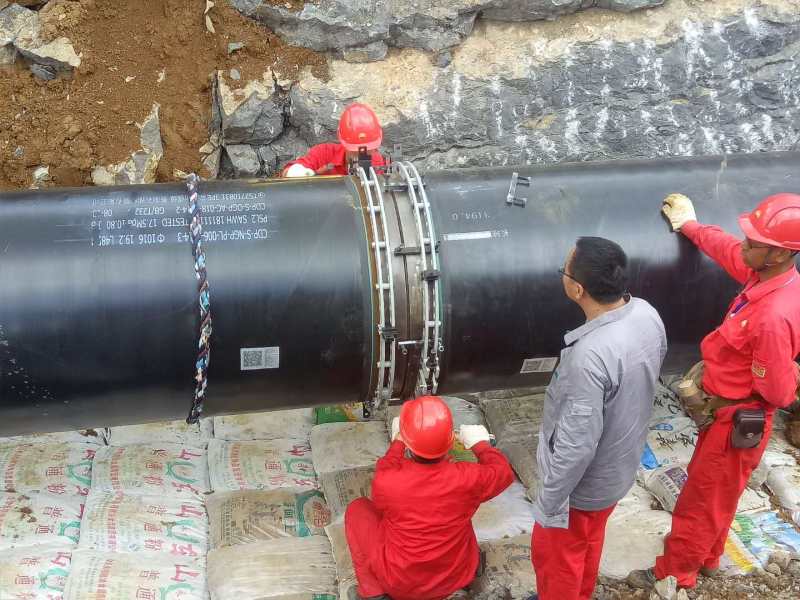
Choosing the right portable PWHT Equipment requires a careful balance of technical details. You must check the metal type, pipe wall thickness, available job-site power, and official safety rules like ASME or API standards.
Working outdoors creates real physical challenges for workers. You frequently deal with uneven heat across thick pipes, limited power from generators, and strict job-site inspections. Overcoming these field problems requires strong heating machinery and careful work habits.
This simple 5-step selection guide helps you make the best technical decisions. Welding engineers, quality managers, and buying teams can easily pick the right systems for important industrial jobs.
Key Takeaways
Check the metal type and wall thickness to follow official ASME and API safety standards.
Pick induction systems instead of resistance pads to get faster heating and smaller power bills.
Make sure your heater's electrical voltage matches your portable generator so you do not lose power.
Use digital heat managers and automatic temperature trackers to get correct heat reports.
Calculate total costs by including generator fuel use and replacement parts before buying.
Workpiece Specs and PWHT Code Requirements
Material Composition and Wall Thickness
Picking materials begins by checking the exact alloy mix. You figure out the carbon equivalent score to predict cracking risks during pipe building. High carbon levels make the metal harder and build up inner stress.
Wall thickness changes how metal joints hold onto heat. Thick parts trap tension and need more heat power. Also, ASME Section I and ASME B31.1 require post-weld heat treatment for P91 steel at any thickness. You get no thickness passes for P91 pipe materials.
ASME and API Code Thermal Schedules
You should check industry code manuals to set safe heating plans. These standards list exact soak temperatures, heating speeds, and controlled cooling steps for site work.
For P-No. 1 materials (including A333 Gr.6), PWHT is mandatory only when nominal thickness exceeds 20 mm. At or below 20 mm, PWHT is not required per B31.3 Table 331.3.1.
Pipe sizes set required heat treatment limits under ASME B31.3 guidelines. You find the control thickness by picking the smaller size between the weld thickness and the material thickness.
You pick mobile heating gear that can hit exact target temperatures. Following precise heat schedules protects building strength and passes on-site quality control checks.
Selecting Portable PWHT Equipment Technologies
Resistance Heating Pads and Ceramic Elements
You often choose electrical resistance ceramic heating pads for standard pipe geometries. Operators wrap flexible ceramic pad heaters, such as the CP6 series, directly around specific pipe diameters. These pads work well for simple joint setups and standard preheating operations. However, resistance systems show moderate energy efficiency during prolonged thermal cycles. Heat escapes into the surrounding environment through exposed elements. Long warm-up periods also increase energy losses during field operations.
Careful maintenance preserves your heating hardware during harsh job-site shifts. Proper handling prevents ceramic bead breakage and electrical short circuits.
A quality industrial ceramic heating pad for welding can last 5–10 years with proper care.
You must evaluate these thermal losses and equipment maintenance needs when selecting your field PWHT Equipment. Resistance heating remains a practical choice for smaller projects with basic geometry requirements.
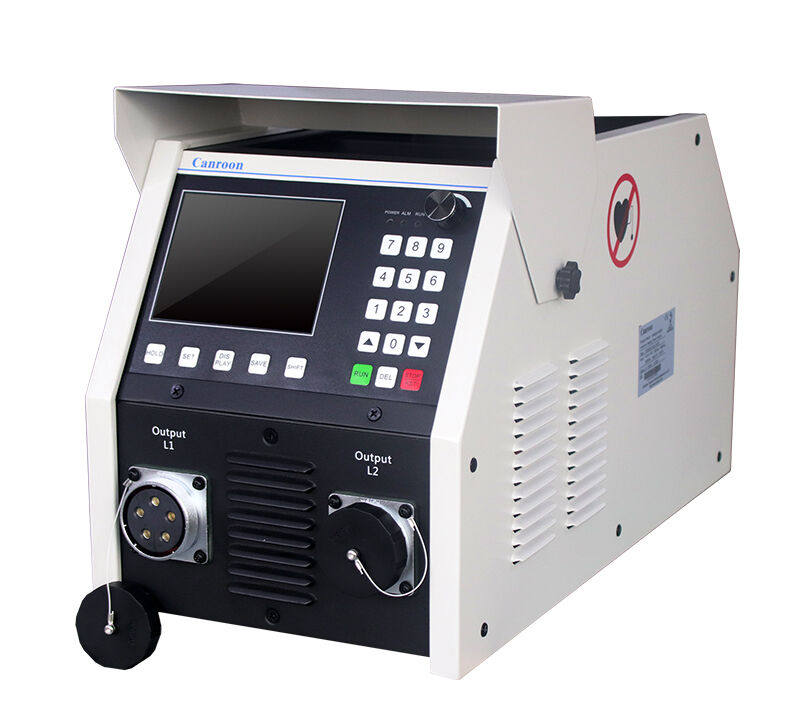
High-Efficiency Induction Systems by Canroon
Modern solid-state IGBT technology in Canroon induction systems changes field heating operations. High-frequency induction heating generates direct thermal energy inside the workpiece metal itself. This magnetic induction process eliminates thermal transfer delays across thick pipe walls. You achieve rapid setup times and precise localized thermal control on heavy-wall pipes without installing heavy insulation blankets.
Selecting the correct heating method requires evaluating key performance differences:
Induction heat treatment: highly efficient with minimal losses, lower operational costs over time.
Resistance heat treatment: less efficient due to energy losses in elements and environment, higher operational costs.
Canroon induction units convert electrical power directly into localized heat within the pipe wall. You eliminate long thermal lag periods during critical soak cycles. Industrial teams lower total energy bills while meeting strict thermal processing rules. Advanced PWHT Equipment gives quality managers full control over rapid heating rates on complex job sites. This reliable performance speeds up project completion times for heavy industrial pipe fabrications.
Site Power, Portability, and Jobsite Constraints
Field Generator and Voltage Input Matching
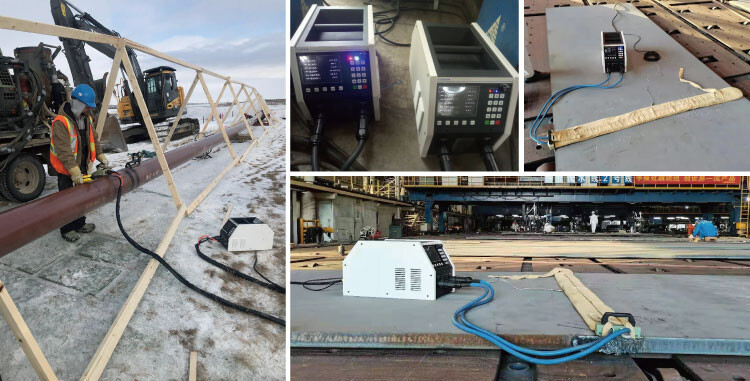
Remote work sites rarely offer steady grid power. You must run your thermal processing gear using portable diesel generators. Shifting generator speeds often create big voltage drops during heavy power draws. Unbalanced electric loads strain portable engines and change target heat outputs. These power swings disrupt your controlled heating cycle and risk costly weld failures. You must figure out total power needs carefully before hooking up your machines to generator sets.
Modern heating systems accept wide primary input voltages without losing power. Equipment with multi-tap primary transformers handles standard industrial levels like 480-volt and 600-volt three-phase power. Steady line voltage keeps constant current flowing to your heating coils. You protect sensitive internal control boards from sudden generator surges by choosing power units with built-in circuit breakers. Matching generator size directly to machine power needs prevents unexpected heat shutdowns during critical soak times.
Footprint, Mobility, and Harsh Weather Resistance
Job-site layouts present tough space problems for field crews. Narrow pipeline trenches and crowded refinery scaffolds offer little room for bulky equipment setups. You need compact PWHT Equipment that your welding crew can move quickly between tight work spots.
Harsh weather tests machine reliability during outdoor shifts. Blowing dust, heavy rain, and extreme heat quickly ruin unprotected industrial electronics. Tough steel frames protect outer parts during heavy industrial transport. You protect your job-site gear by choosing power units built inside tough NEMA 3R or IP23 rated cabinets. Sealed control boxes keep moisture away from internal circuits while active cooling fans stop overheating. Buying durable PWHT Equipment ensures continuous work and keeps your project moving forward without costly field delays.
Advanced Temperature Control and Data Logging
Digital PID Closed-Loop Control Systems
Digital PID closed-loop control systems improve field heat treatments by constantly adjusting power output. You attach thermocouple sensors directly to the metal surface. The main processor reads temperature shifts continuously. It changes power output right away to match your target heat ramp. This real-time control stops dangerous heat spikes during key processing stages. Heating units keep high target accuracy across tough job sites.
You keep exact soak temperatures required by strict welding codes like ASME standards. The unit also manages cooling speeds with high accuracy. You set specific cooling paths using the digital control screen. The system lowers power output slowly as the structural weld cools down. This slow heat reduction prevents internal stresses and metal cracking inside thick pipe joints.
Automated Multi-Zone Thermal Recorders
Automated multi-zone thermal recorders manage several sensor channels at once across complex pipe shapes. You place individual sensors at the weld center, the heat zone, and nearby base metals. The recorder measures heat changes across different areas of the joint. You track heat balance across uneven wall thicknesses without adjusting manual controls. Multiple heat zones get balanced power inputs during each project cycle.
Modern recorders save accurate heat records in safe digital memory during the whole heat treatment process. These machines replace weak paper chart units on busy job sites. Quality managers check digital heat charts directly on internal system screens.
Automated workflows from multi-channel data logging continuously monitor without manual intervention, providing pre-generated reports that cut audit preparation time by half.
You move checked heat logs fast to client databases using simple USB drives. Digital files remove manual record errors during long night shifts. You give complete code proof to site inspectors before moving heat tools to your next work area.
Total Cost of Ownership for PWHT Equipment
Energy Efficiency and Consumable Costs
Finding the real price of portable PWHT Equipment means looking past the buy price. You need to check daily power use alongside long-term fix costs. Standard resistance heaters lose a lot of heat into open air. This wasted energy makes generators burn extra fuel during long heat holds. Modern induction systems send magnetic heat right into the pipe wall. You save a lot on daily fuel costs during long heating jobs.
Wearable parts also raise your daily work costs over time. Ceramic pads break easily from sudden heat changes and rough handling. Workers must replace cracked ceramic beads and broken wires quite often. Induction heat coils take very little damage during normal daily jobs. You buy fewer extra parts and create less trash on big field projects.
Vendor Support, Reliability, and Warranty
Broken machines cause pricey delays on tight job schedules. You need strong seller help to keep heat projects moving without long stops. Getting fast replacement parts protects your main work timeline when gear breaks suddenly. Good equipment makers offer solid technical training and field help. This help lets your crew fix tricky setups quickly at remote sites.
You should check full warranty deals closely before buying any new gear. Top makers back their heat units with solid multi-year warranty plans. These plans cover main power electronics and inside control boards. Buying good gear backed by skilled tech teams cuts total long-term costs.
Choosing modern heating tools takes good technical planning. You protect your pipe jobs by following five key steps:
Check ASME and API code rules for your specific metals.
Match machine power needs to your job-site generator power.
Pick the best induction or resistance heat tech for your pipe shapes.
Make sure you have exact digital PID controls and automatic temperature recorders.
Count total long-term costs like generator fuel use and spare parts.
Buying good portable PWHT Equipment saves money over time by cutting job-site delays and power bills. Talk with Canroon technical experts today to get the right gear sizes and field help for your project.
FAQ
When does ASME B31.3 mandate post-weld heat treatment for carbon steel?
ASME B31.3 requires post-weld heat treatment for P-No. 1 carbon steel if the wall is over 20 mm thick. Thinner pipes do not need this extra heat. Check your metal thickness against code rules before work begins.
Why should you choose induction heating over ceramic resistance pads for thick pipes?
Induction setups create direct heat inside the pipe metal using magnetic fields. This method stops heat transfer delays across thick walls. You get faster setups, lose less heat, and spend less money on fuel for big jobs.
Can you run portable PWHT Equipment on job-site diesel generators?
Yes, you can power portable PWHT Equipment with job-site generators. Pick power units built with circuit breakers and multi-tap transformers. These parts shield delicate electronics from sudden generator voltage drops while keeping your heating current steady.
How do automated digital recorders simplify site quality audits?
Automated multi-zone recorders save temperature data right into secure digital memory. Site inspectors easily check digital heat charts on internal screens. You can move finished files quickly with USB drives, cutting audit prep time in half.
Previous:
Next:
Sign up for updates