





You want to choose the best solar pump inverter for your farm. Start by looking at the pump you use and make sure the inverter matches it. Think about the type, such as string, micro, or hybrid. Check how well it works and how long it lasts. Look for smart features that help you save time. Compare top brands like Canroon and review prices to get the best value.
Key Takeaways
Make sure your solar pump inverter fits your pump's motor power. This helps your system work its best. - Think about inverter types. Micro-inverters work more efficiently. Hybrid inverters let you use batteries as backup. - Find smart features that run your system by themselves. These features help you save time and resources. - Pick an inverter that is strong and lasts in bad weather. This will help your system last longer. - Check prices and features to get the best deal for your farm's needs.
Solar Pump Inverter Selection Criteria
Pump Compatibility
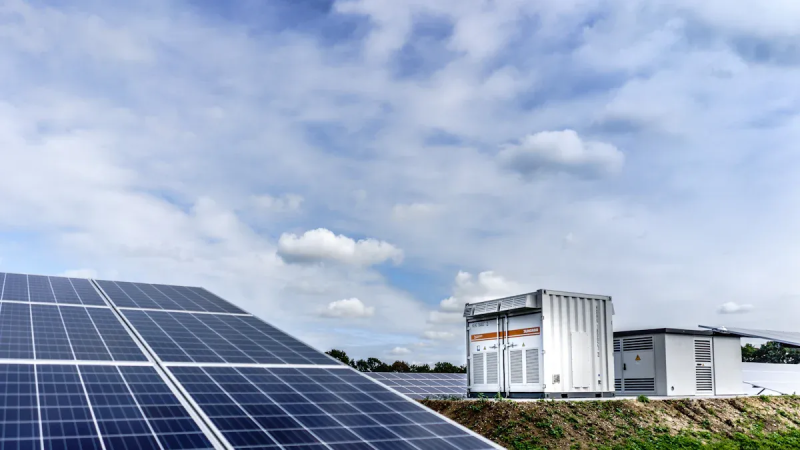
Your solar pump inverter must fit your water pump. Check the motor power in watts or kilowatts. Make sure there is protection against overheating and voltage changes. Some inverters have MPPT controllers. These controllers help your system work better when sunlight changes. If you pick the right inverter, your pump will work well and last longer.
Protection against overheating and voltage changes
Match inverter to motor power (watts/kW)
MPPT controllers help your system work better
Efficiency and Performance
You want your solar pump inverter to use energy well. Look for inverters with high efficiency ratings. MPPT controllers help your system adjust to sunlight changes. They keep your pump working at its best. Micro-inverters can help your system make more power. This is helpful when panels face different ways or some get shade.
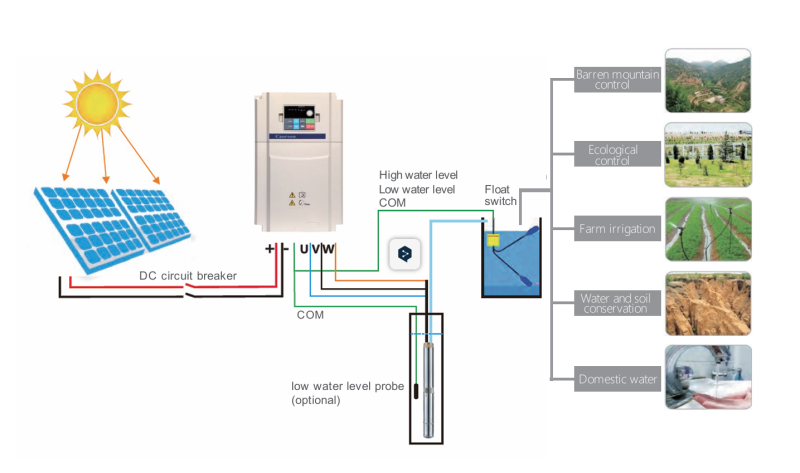
Solar panels take sunlight and turn it into electricity. The controller makes sure the pump gets the right amount of power.
Durability and Weather Resistance
Your inverter must handle tough weather. Humidity can cause moisture to get inside the modules. This increases leakage current. High temperatures make this worse and can lower your solar yield. Pick an inverter made from strong, corrosion-resistant materials. Make sure it works well in dry and wet climates.
Handles humidity and high temperature
Corrosion-resistant materials
Reliable in dry and wet regions
Smart Features and Automation
Smart features help you save time. They make your system easier to use. Look for automation that starts and stops your pump based on water needs. Some inverters let you check performance from your phone or computer. Automation helps you avoid wasting water and energy.
Price Range and Value
Compare prices and features to get the best value. Some inverters cost more because they have extra features. These features include battery storage or smart controls. Make a list of what your farm needs. Check which inverter fits your budget and offers the most useful features.
Figure out how much power your farm needs for irrigation and other tasks.
Pick a solar system that matches your needs, like off-grid or grid-connected.
Solar power irrigation systems have solar panels, controllers, and pumps. Knowing these parts helps you pick the right inverter.
Comparing Top Solar Pump Inverter Models and Prices
Canroon Model Overview
The Canroon solar pump inverter has many helpful features. It can use solar, grid, or battery power. This inverter works very well, with up to 98.2% efficiency. You can store energy with it. It has smart controls like IoT and Bluetooth. If the power goes out, it restarts by itself. This helps your system start working again fast.
Tip: If you want a system that is easy to control, Canroon is a good choice. It gives you strong performance and many options.
Leading Brands Overview
There are many brands to pick from. Each brand has something special. Some brands use smart technology. Others are strong or cost less. Here is a quick look at what top brands give you:
Note: Always check the features and support before you buy a brand.
Price Comparison Table
This table helps you see the price ranges for each model. Prices change if you want more power or extra features.
Prices can go up or down based on size, smart features, and how long the warranty lasts.
Best-Use Scenarios
You need to pick the right inverter for your farm. This guide helps you match the inverter to your needs:
If your farm is small, a DC surface pump is a good pick. For big fields, an AC submersible pump gives lots of water. Hybrid systems are best if you need backup power.
You can find the best solar pump inverter by looking at features, prices, and what your farm needs for water.
Matching Inverter Features to Farm Needs
Irrigation Size and Water Demand
You should pick a pump that fits your farm’s water needs. Farms with shallow wells or canals use surface solar pumps. Borewells need solar submersible pumps. Open-well submersible pumps work best for open wells. These pumps help stop suction loss. If you grow vegetables or fruit trees, use solar powered surface pumps. These pumps work well with drip or sprinkler systems. The table below can help you choose the right pump:
Tip: Always check your water depth and irrigation method before you pick a pump.
Power Source Options
You can use solar energy to power your irrigation system. Solar panels change sunlight into electricity. This electricity runs the pump. If your pump motor needs AC, the inverter changes DC to AC. You can add batteries or connect to the grid for backup. This keeps water flowing even when sunlight is low.
Automation and Monitoring
Smart features make it easy to manage your irrigation. Float switches turn the pump on when water is low. They turn it off when tanks are full. Low water cut-off electrodes stop the pump from running dry. Pump controllers adjust voltage and help the pump work in low light. The table shows some helpful automation features:
Note: Automation saves you time and keeps your equipment safe.
Budget Considerations
You need to think about both features and cost. Make a list of what your farm needs most. Pick a solar pump inverter that fits your budget and covers your main needs. Extra features like battery backup or smart controls may cost more. Compare prices and see which features are most important for your farm. This helps you get good value and not spend too much.
Solar Pump Inverter Model Reviews
Canroon: Pros, Cons, Feedback
Canroon gives you strong performance. It works with solar, grid, and battery power. You can use smart features like IoT and Bluetooth. Canroon is very efficient and restarts quickly by itself. Farmers say it is easy to use and reliable in bad weather. You might pay more for these features.
Pros:
High efficiency (up to 98.2%)
Hybrid power options
Smart controls (IoT, Bluetooth)
Auto-restart function
Costeffective
Cons:
Advanced features may need extra setup
Farmers like Canroon because it is easy to monitor. It has a strong build. You can trust it for big farms or places with changing weather.
INVT: Pros, Cons, Feedback
INVT gives you good value and is simple to use. You can use it for AC and DC pumps. It handles voltage changes well. You get basic automation and protection. Many people like the easy setup and helpful support.
Pros:
Works with AC and DC pumps
Handles voltage changes
Simple setup
Good support network
Cons:
Fewer smart features than Canroon
May not offer battery backup
Higher price than basic models
You can pick INVT if you want a reliable inverter for small or medium farms. It keeps your system running with less trouble.
VEICHI: Pros, Cons, Feedback
VEICHI is known for its tough design and flexible controls. You can use it in harsh weather. It lets you monitor from far away. It protects well against dust and moisture. Some farmers say it is easy to maintain and works steadily.
Pros:
Rugged build for tough weather
Remote monitoring
Strong dust and moisture protection
Easy maintenance
Cons:
May cost more for advanced models
Some features need extra accessories
VEICHI works well for farms in dry or wet places. You can count on it for steady water and easy care.
Tip: Match the model to your farm size and weather. Each brand has special strengths for different needs.
Buying and Installing a Solar Pump Inverter
Assessing Farm Requirements
First, look at your farm’s size and water needs. Write down how much water you use each day. Check how deep your water source is. Think about what kind of pump you have. Does your farm need backup power or remote monitoring? Make a list of the most important features for your farm.
Selecting the Right Model
You need to pick an inverter that matches your pump. Look at the table below to see what is important:
Choose a model that matches your pump’s power rating. Make sure it works well in your weather. Pick a brand that is known for lasting a long time.
Purchasing Tips
Compare prices and features before you buy anything. Ask if there is a warranty and if the seller gives support. Read what other farmers say in reviews. Try to buy from local sellers who can help with setup and repairs. If you want smart controls, check if they are included.
Installation Steps
Follow these steps to set up your system:
Put solar panels where they get lots of sun.
Connect the panels to the inverter.
Attach the inverter to your pump.
Test everything to make sure it works.
Set up any smart features or automation.
Tip: Get help from an expert if you are not sure how to install or wire the system.
Maintenance and Support
You need to keep your system working well. Many companies can help with all types of solar water pumps. You can get expert setup, repairs, and yearly maintenance with a service warranty. Some companies offer full power plant care, staff scheduling, and both regular and emergency repairs. Night-time maintenance can help your system work its best.
You can find the best solar pump inverter by looking at different models. Check the prices and see which features fit your farm. Think about things like how much power the solar panels make, the size of the cables, and how well the system works. Make a plan to keep your system working well. Ask the sellers if the inverter will work with your pump and if they can help you if there is a problem. Some programs from the government can help pay for your system. Make sure you plan how to set up everything so it works the best.
FAQ
What size solar pump inverter do I need for my farm?
You need to match the inverter’s power rating to your pump’s motor. Check your pump’s watt or kilowatt rating. Choose an inverter with equal or higher capacity. Ask your supplier if you are unsure.
Can I use batteries with my solar pump inverter?
Yes, you can use batteries with many hybrid inverters. Batteries store extra solar energy. You can run your pump at night or during cloudy weather. Check if your inverter supports battery integration.
How do I maintain a solar pump inverter?
Clean dust from the inverter’s surface. Check connections for rust or damage. Test smart features often. Schedule yearly checks with a technician. Good maintenance helps your system last longer.
Will my solar pump inverter work during cloudy days?
Most inverters with MPPT controllers adjust to low sunlight. Your pump may run at lower speed. If you use batteries or grid backup, you get steady water even on cloudy days.
Previous:
Next:
Sign up for updates