




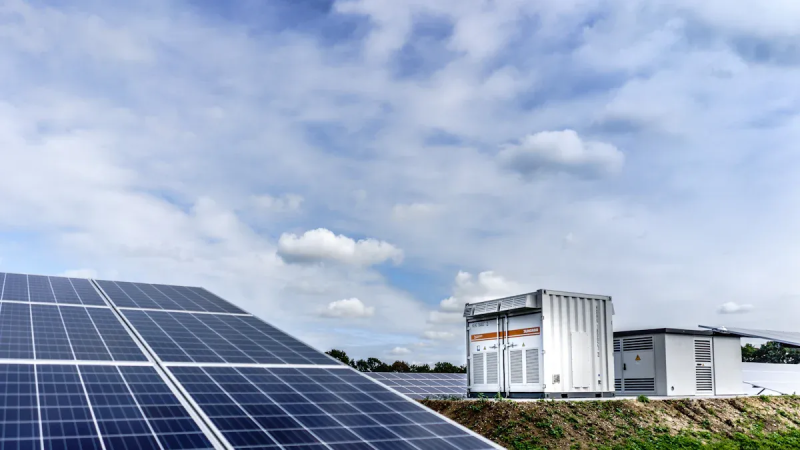
You need to pick between a solar pump inverter and a VFD. This happens when you want to control pumps using solar power or grid electricity. Solar pump inverters use solar energy. They help you save money in farming and in factories that manage water. The market for solar pump inverters is growing quickly. Farmers want better ways to use water. Solar power is becoming more popular. Government rewards help this growth. Canroon offers advanced inverter solutions for solar and water pumps. These solutions make your energy use efficient and reliable.
Key Takeaways
Solar pump inverters use sunlight to run water pumps. They work well in places without electricity.
VFDs change how fast electric motors run. They use power from the grid. They help save energy in factories.
Pick a solar pump inverter if you are far from power lines. Pick a VFD if you have steady grid power.
Both systems help save energy. Solar pump inverters use sunlight for free power. VFDs save energy by changing motor speed.
Talk to experts like Canroon to get the best advice. They can help you choose what you need for water and energy.
What Is a Solar Pump Inverter?
How It Works
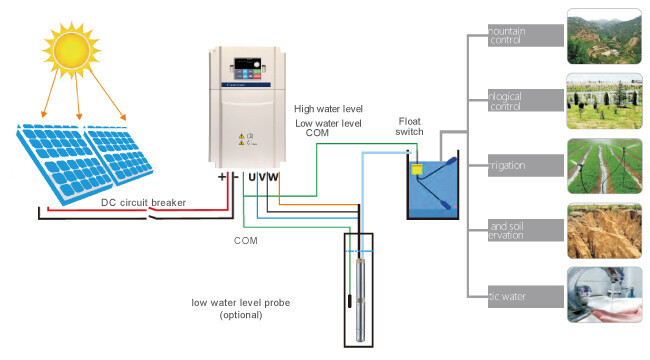
A solar pump inverter helps you use solar power to run water pumps. It connects the solar panels to your pump. The solar panels take sunlight and make DC electricity. The inverter changes this DC power into AC power. Your pump needs AC power to work. Solar pump inverters use MPPT technology. This helps you get more energy from your solar panels. It works even when sunlight is not always strong.
Here is a simple table that shows the main parts of a solar pump inverter system and what they do:
A standard solar inverter only changes DC to AC for homes or businesses. A solar pump inverter does more than that. It can change the speed of the pump. It also keeps your system safe from running dry or getting too hot.
Main Features
Solar pump inverters have many features that make them special. The most important one is MPPT technology. This helps you use as much solar energy as you can. The inverter works even if the sunlight changes. It keeps your pump working well. It also has controllers inside for charging and storing energy.
A solar pump inverter can change how fast your pump works. This saves energy when you do not need full power. Your pump lasts longer because it does not always run fast. You can use a solar pump inverter in many places. Some examples are farms for watering crops, rural areas for drinking water, fields for animals, and factories for cleaning or mining water.
You pick a solar pump inverter when you want to use solar power for water pumps. It is very useful in places without grid electricity. This device gives you a smart and steady way to use solar energy for water.
What Is a VFD?
How It Works
You use a VFD, or variable frequency drive, to control the speed of electric motors. This device changes how fast your pump or fan runs. The VFD takes power from the grid and makes it work for your motor. It does this in three main steps. First, the rectifier changes AC power from the grid into DC power. Next, the DC bus stores this power and keeps it steady. Last, the inverter turns the DC power back into AC power, but now you can change the frequency and voltage. This lets you control how fast and how hard your motor works.
Here is a table that shows the main parts of a VFD and what each part does:
You can use a variable frequency drive in many places. For example, you might need to change the speed of a pump when the water flow changes. You can also use a VFD when you want a soft start for your motor or when you need to save energy.
Main Features
A VFD gives you many benefits. You can control the speed and torque of your motor with great accuracy. This helps you save energy because the motor only works as hard as you need. You can make your equipment last longer because the VFD reduces stress on the system. The device uses advanced technology like pulse width modulation to work smoothly. You can use a variable frequency drive with many types of motors, so it fits many jobs.
Here are some common ways you might use a VFD in water pumping systems:
You need to change the flow or pressure for different zones, like in sprinkler systems.
You want to control several pumps on one line to match the total load.
You need a soft start for your pump.
You want to use a smaller pump without buying a new one.
You need to change from single-phase to three-phase power.
You want to upgrade an old pumping system.
You will also find VFDs in water treatment plants, farms, HVAC systems, and factories. In farming, a variable frequency drive helps you use just the right amount of water for each crop. This saves both water and energy.
Tip: Using a VFD can cut your energy costs and help your equipment last longer.
Comparison: Solar Pump Inverter vs VFD
Power Source and Compatibility
It is important to know the main differences between solar pump inverter and vfd. A solar pump inverter uses energy from solar panels. It changes DC power into AC power for your pump. This is great for places without grid electricity. You can use it on remote farms or where there is no power. Solar inverter systems are good if you want clean energy and lower costs.
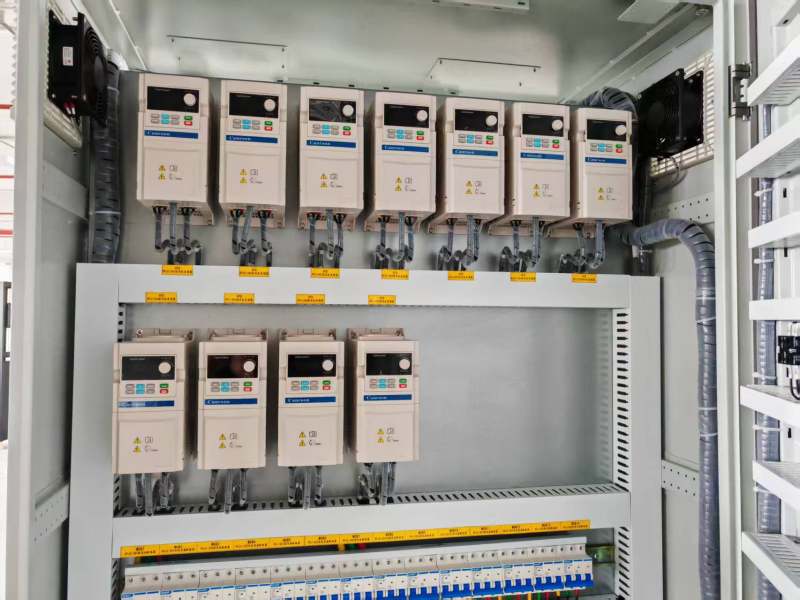
A vfd usually connects to the grid. It uses AC power and controls how fast your motor runs. Some solar vfd systems use solar power, but most vfd units use grid or generator power. You can use a vfd in factories, water plants, and irrigation systems with steady electricity.
Here is a table that shows the main differences:
Motor Control and Efficiency
You want your system to work well and save energy. The main differences between solar pump inverter and vfd are in how they control motor speed and use energy. A solar pump inverter uses MPPT technology. This helps it get the most energy from your solar panels, even when sunlight changes. It changes the pump speed to match the solar power. This gives you steady performance and saves energy.
A vfd changes the speed and torque of your motor by adjusting frequency and voltage. You can set the pump speed to match water needs. This saves energy and makes your equipment last longer. In real life, a vfd can cut energy use by 20–50% in water systems. It also makes your system quieter and more comfortable in HVAC setups.
Here is a table that compares control and efficiency:
Dolycon’s solar pump inverters can reach up to 98% energy efficiency. This is much higher than regular inverters.
VFDs help you save energy and improve performance in many water and industrial jobs.
Cost and Investment
You should think about cost when picking between a solar pump inverter and a vfd. A solar pump inverter costs more at first because you need solar panels and installation. Over time, you save money because solar energy is free. You also get rewards from the government for using solar power. A good inverter, like Canroon’s, lasts over 20,000 hours.
A vfd costs less to install if you already have grid power. You do not need solar panels. You save money by using less energy and making your pumps last longer. The investment pays off with lower bills and less maintenance.
Note: Canroon’s team can help you pick the best system for your budget and needs. Their support helps you get the most value from your investment.
Application Scenarios
You should match your system to your job. The main differences between solar pump inverter and vfd show up when you look at where you use them. A solar pump inverter works best in places without grid power, farms, and places where you want to use solar energy for water. You can use it for irrigation, watering animals, and remote water supply. Solar inverter systems give you steady power even when the grid is not there.
A vfd works best in places with steady grid power. You can use it in factories, water plants, and big farms with electric lines. It helps you control pumps, fans, and conveyors. You get better control and less downtime.
Here is a table to show common scenarios:
Canroon’s skill in solar panel vfd and solar inverter systems means you get the right solution for your needs. Their products give high efficiency, steady performance, and strong support. You can trust Canroon to help you get the best results from your solar water pumps or industrial pumps.
Choosing the Right Solution
Off-Grid vs Grid Applications
Think about where your power comes from before you pick a vfd or inverter. If you live far from cities or in the countryside, solar power can help you a lot. Solar pump inverters let you run water pumps for farms and villages. These inverters change DC from solar panels into AC for your pumps. You do not need to use grid electricity. You can use them when the power goes out. Solar pump inverters use MPPT technology. This helps you get the most energy from your solar panels, even if the sunlight is weak. If you have grid power, a vfd is good for farms, factories, or water plants.
Pump Type Considerations
You need to match your pump to the right control system. Solar pump inverters work with many kinds of water pumps. You can use them for surface, submersible, and centrifugal pumps. This makes them helpful for different solar power jobs on farms. A vfd also works with many pump types. It lets you control the speed very well. You can use a vfd for pumps in water treatment, HVAC, or factories. You should pick a solar pump inverter or a vfd based on your pump’s power needs and where your energy comes from.
Budget and Value
You want to spend your money wisely. Solar pump inverters cost more at first because you need solar panels. But you save money later because solar energy is free. You also get money back from the government for using solar. A vfd costs less to set up if you already have grid power. You save energy and your pumps last longer. Pick a solar pump inverter or a vfd based on your budget, your solar needs, and your future plans. Canroon can help you choose the best option. Their team can help you find what works for your water and energy needs.
Tip: If you want steady water for farm irrigation in faraway places, solar pump inverters give you freedom from the grid and strong energy for your pumps.
You need to choose the right pump control for your water system. The table below shows the main differences between a standard VFD and a solar-specific inverter:
VFDs help you save energy and control water flow. Solar pump VFDs give you steady water in remote areas. Think about your power source, location, and water needs. Canroon can help you find the best inverter for your project.
Check your energy source.
Match the control to your pump type.
Ask Canroon for expert advice.
Choose the solution that fits your needs and brings you the most value.
FAQ
What is the main difference between a solar pump inverter and a VFD?
You use a solar pump inverter with solar panels. It changes DC to AC for your pump. You use a VFD with grid power. It controls the speed of your pump.
Can you use a VFD with solar panels?
You can use a VFD with solar panels if you add a special device. Most VFDs need AC power. Solar panels give DC power. You need a solar pump inverter for direct solar use.
Which system saves more energy?
A solar pump inverter saves more energy if you use solar panels. You do not pay for sunlight. A VFD saves energy by controlling motor speed. You still pay for grid electricity.
How do you choose the right system for your pump?
You check your power source first. Use a solar pump inverter for off-grid or solar jobs. Use a VFD for grid power or factory pumps. Ask Canroon for expert help.
Sign up for updates