




You want your factory to work its best. The newest industrial induction heater models use up to 90% of energy for heating. They work much better than old ways. This helps you save money and get more work done. The market may reach $2.09 billion by 2026. This shows that many people want these heaters. You can trust these tips because experts tested them. Get ready to pick the best one for your factory.
Key Takeaways
Industrial induction heaters use less energy. They can save up to 90%. This makes them good for factories. They are efficient and cost less to run.
Picking the right model depends on what you need. Think about power, control, and materials you use.
You must do regular maintenance. Clean coils and check cooling systems often. This keeps your induction heater safe and working longer.
Buying energy-efficient models lowers costs. It also helps make your workspace cleaner and safer.
Always choose an induction heater that fits your jobs. This gives you better performance and saves money over time.
Top Picks Overview
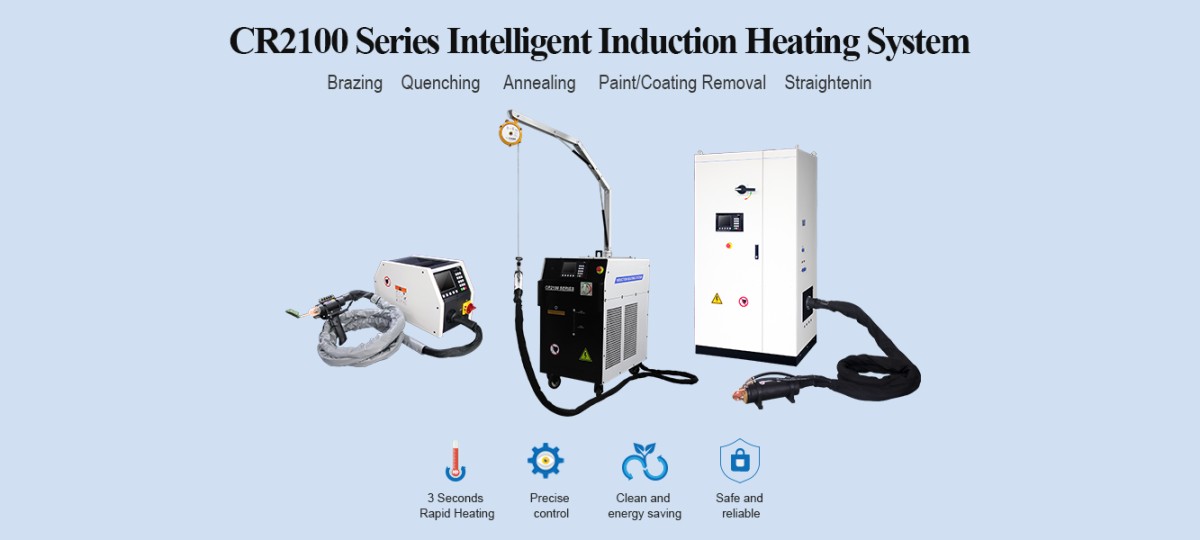
Picking the right industrial induction heater can make your factory better. You need power, control, and savings. Here are the best choices for 2026. Each model is special in its own way. Find the one that fits your needs.
Best Overall Industrial Induction Heater
This heater does many things well. It gives strong induction heating and warms up fast. The controls are easy to use. It works with lots of metals. It uses less energy. You get high performance and a small design. It also cuts direct emissions, so your air stays clean.
Best Value Choice
If you want to save money, pick this model. It gives reliable induction metal heaters at a lower price. You save energy and it is easy to take care of. It works for small and medium jobs. You do not lose quality even though it costs less.
Best for Heavy-Duty Use
Some jobs need more power. This heavy-duty model handles big loads and tough metals. It uses advanced induction heating to get hot fast. You get strong induction metal heaters that last long. It keeps your energy bills low, even with hard work.
Best for Precision Applications
You need tight control for special parts. The precision model gives exact induction heating. You can set the temperature and timing very well. This heater keeps your products uniform and high-quality. It is great for jobs where every degree matters.
Best Energy-Efficient Model
You want to save energy and help the planet. The most energy-efficient model uses up to 90% of input energy for heating. It takes up little space and needs little care. You get top induction metal heaters that lower your cost over time. This model helps your factory stay clean and green.
Quick Comparison Table:
Industrial Induction Heater Selection Criteria
Picking the right industrial induction heater can change how you work. You need to look at what matters most. Think about performance, saving energy, and getting good value for a long time. Here is what you should know:
Performance and Efficiency
Always match the heater to your materials and jobs. The right power and frequency settings help induction heating work better. Top induction metal heaters can reach up to 90% efficiency. Many models use advanced inverters. These can cut energy use by 30%. They also make cycle times shorter by 25%. Induction heating gives fast, exact, and clean results. You finish more work with less waste.
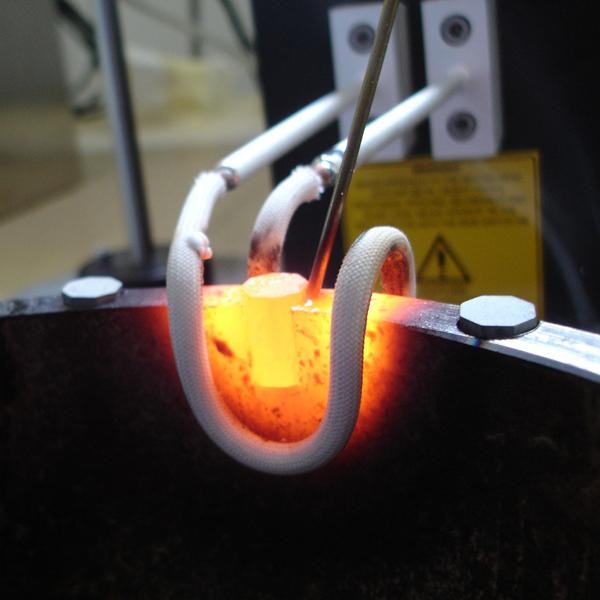
A full induction heating system has a power supply, induction coil, and workpiece. Each part is important for heating.
Reliability and Durability
You want induction metal heaters that last a long time. Look for strong designs and good parts. Make sure the heater fits your power supply and workpiece. Ferromagnetic materials heat up fast. Non-magnetic ones need more power and higher frequency. Advanced induction technology lets you change settings for different jobs. This helps you get reliable results every time.
Safety and Maintenance
Safety is important in every factory. Induction heating keeps your workspace cleaner because it does not touch the workpiece. You should check and clean the coils often. Look at the cooling system for leaks or blockages. Tighten and clean electrical connections every few months. These steps keep your induction metal heaters safe and working well.
Cost Considerations
Think about more than just the price. Induction heaters lower your energy bills and cut CO₂ emissions. Faster heating cycles help you save on labor. You spend less money on repairs and upkeep. The long-term savings are bigger than the higher upfront price. You pay once and get many years of good service.
Tip: Always match your induction heater to your jobs for the best results and savings.
Reviews by Category
Best Overall – Features & Pros/Cons
You want the best industrial induction heater for your factory. The top models heat up fast and are easy to use. You can use them for many jobs, like fixing cars or making big metal parts. These heaters use advanced induction technology to work better and save energy. You get digital feedback control, high-frequency precision, and modular designs. The small size saves space and uses less energy.
Pros and Cons Table
You get exact heating and save money on running costs. You do not need workers with special skills. The air stays clean and the workspace is quiet. The price is higher at first, but you save more money later.
Best Value – Features & Pros/Cons
You want to get the most for your money. The best value induction metal heaters heat well and do not waste energy. You can use them for many materials and jobs. These models give more power, heat up fast, and have good controls. Some are easy to move, so you can use them in different places. The coil design fits many shapes and sizes, making heating better.
Note: Good control features help you use less energy and make your process better.
Pros:
You get steady induction heating for many jobs.
You save energy and spend less on repairs.
You can use these heaters for different materials.
Cons:
They may not be strong enough for the hardest jobs.
Some do not have the newest automation features.
Heavy-Duty – Features & Pros/Cons
You need lots of power for tough jobs. Heavy-duty induction metal heaters heat things quickly and save time. You use less electricity and keep your factory cooler. These heaters give you exact temperature control and even heating. You can add them to machines that work by themselves. Safety features help keep your workspace safe and clean.
Strengths and Weaknesses Table
Callout: Heavy-duty induction metal heaters give you more options and savings, but you need skilled workers and advanced systems.
Precision – Features & Pros/Cons
You want perfect results for special parts. Precision induction metal heaters heat only the spot you need. This stops parts from bending or changing color. You can set the temperature and time for each job. You can also watch the process as it happens. These heaters let you save up to 100 different jobs and set power for each step. You can set limits for temperature and get alerts if something is wrong.
Up to 20 Programmable Temperature and Time Segments per Process
Up to 100 different storable processes
Maximum Power Output Programmable for Each Individual Segment
Temperature Tolerance Window Programmable for Each Individual Segment
Out-of Tolerance and End-of-Cycle Outputs for Each Process
Benefits and Limitations Table
Alert: Precision induction metal heaters give you exact control and longer fixture life, but they cost more and work with fewer materials.
Energy-Efficient – Features & Pros/Cons
You want to save energy and help the planet. Energy-efficient induction metal heaters turn AC power into high-frequency current. This current goes through special cables to a workhead with capacitors and a custom coil. The system uses resonance to make an electromagnetic field and send energy to the workpiece. New coil designs can reach up to 90% efficiency and waste less energy.
Induction heating keeps temperatures steady and focused, making the process better.
It heats the inside of metals, so it is good for brazing and heat treating.
Fast heating cycles help save energy and keep the factory cleaner.
Advantages and Disadvantages Table
Tip: Energy-efficient induction metal heaters help you use less energy and money, and keep your factory cleaner.
Industrial Induction Heater Comparison
Feature Comparison Table
You want to pick the best heater for your factory. The right industrial induction heater gives strong performance and uses less energy. Check the table below to compare top induction metal heaters. You can see power output, heating time, temperature range, efficiency, and cost for each model. This helps you find the best one for your needs.
Tip: Pick a model that fits your induction heating jobs and your budget. Higher efficiency means you spend less on energy over time.
Pros and Cons Summary
You want to know what is good and what is not for each induction metal heater. Here is a quick list to help you choose:
Inductor Pro 5000
👍 Very efficient, works for most jobs, fair price
👎 Not enough power for the biggest jobs
HeatWave 3000
👍 Heats fast, costs less, good for small parts
👎 Not strong enough for heavy-duty induction
PowerInduct 8000
👍 Best performance, highest efficiency, handles tough jobs
👎 Costs more, takes longer to heat
SmartHeat 2000
👍 Cheapest, heats quickly for light work
👎 Not much power, lower efficiency
InduceMax 7000
👍 Strong power, wide temperature range, good for many induction metal heaters jobs
👎 Uses more energy, only mid-level efficiency
You get the best results when you match induction metal heaters to your jobs. Think about how much energy you need, your budget, and the type of induction work you do most. The right heater saves money and helps your factory work better.
Buying Guide for Industrial Induction Heaters
How to Choose
You want the best industrial induction heater for your factory. First, think about what you need to heat. Look at the size and kind of metal. Pick induction metal heaters with enough power for your job. Check if the heater uses energy well. Make sure it fits your energy needs. Choose a model with temperature control. This helps you get the right results and saves energy. Compare prices and find energy-efficient options. Remember, induction metal heaters save money over time.
Tip: Always match the heater to your workpiece and process. This gives you better performance and less energy use.
Common Mistakes
People sometimes make mistakes when buying induction metal heaters. Some choose a heater that is too small or too big. Others forget to check if the heater fits their power supply. Do not skip maintenance. Clean the coils and check the cooling system often. Make sure you have a good temperature control system. If you rush, you may spend more money later. Know how long the heater lasts and if it works with automation.
Picking the wrong size for your industrial induction forge
Ignoring energy use and heating efficiency
Forgetting about maintenance and safety checks
Not planning for integration with automated systems
Maximizing Performance
You can make your induction heating system work better and last longer. Use non-contact heating to keep your equipment clean and safe. Set the temperature exactly to avoid wasting energy. Rapid heating saves time and boosts productivity. Energy efficiency saves money and helps the planet. Uniform heating gives you high-quality results every time.
Note: When you follow these strategies, induction metal heaters save money and give you better results.
You now know how to pick the best industrial induction heater for your factory. Match the heater to your needs and get the best results. Use the comparison table and buying guide to make smart choices. Check the features and look at the price before you decide.
Talk to manufacturers for expert advice.
Ask for a demo to see the heater in action.
Take action today. Your factory will work better and save money.
FAQ
What makes induction heaters better than traditional heating methods?
Induction heaters warm things up much faster. They help keep the air in your factory clean. You pay less for energy because they use most of it for heating. There are no open flames, so it is safer at work. Your factory can run better and with fewer risks.
How do I know which induction heater fits my needs?
Think about how big your job is and what metal you use. Check how much power you need for your work. Pick a model that lets you change settings and saves energy. You can talk to companies or see a demo before you buy.
Can induction heaters work with automation systems?
Most new induction heaters can work with machines that run by themselves. This helps you make more products with less work. You get the same good results every time and save money.
Are induction heaters safe to use?
Induction heaters are safe because they do not have open flames. They do not touch the metal directly. You need to keep them clean and check the cooling parts often. This keeps your workspace safe and tidy.
How do I maximize the lifespan of my induction heater?
Clean the coils and check the wires often. Watch the cooling system to make sure it works well. Doing these things stops big problems and keeps your heater working for a long time.
Sign up for updates