





You will see important differences when you look at VFD vector control vs V/f control. VFD vector control lets you manage speed and torque very effectively, which helps you achieve steady performance in demanding applications. On the other hand, V/f control is easier to set up and is more cost-effective, making it suitable for simple speed control tasks. Experts suggest that vector control works better and provides more precise control, while V/f control is adequate for standard operations. You should choose between VFD vector control vs V/f based on your performance needs, the complexity of the setup, and your budget. Canroon offers both options for your industry.
Key Takeaways
V/f control is easy to use and not expensive. It works well for simple jobs like fans and pumps. Vector control gives better speed and torque control. It is good for hard jobs like robots and CNC machines. Pick V/f control if you want simple setup and to save money. Pick vector control if you need strong performance and to use less energy. V/f control keeps the voltage and frequency steady. Vector control lets you change things for better torque. Think about what you need and how much you can spend before you pick VFD vector control or V/f control.
V/f Control Basics
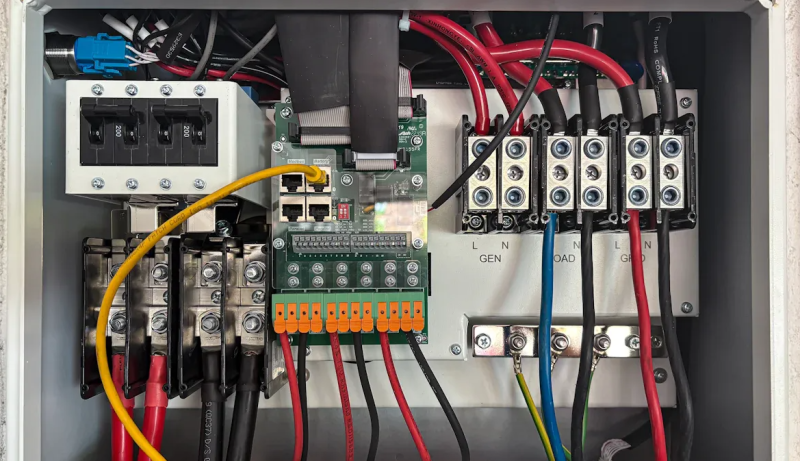
Principle of V/f Control
You can think of v/f control as one of the simplest ways to manage the speed of an electric motor. This method stands for "voltage to frequency" control. It works by adjusting the speed of the motor through changes in the frequency of the electricity you supply. The process is similar to how you use a gas pedal in a car to control how fast you go. When you increase the frequency, the motor spins faster. When you decrease it, the motor slows down. V/f control keeps the voltage and frequency in balance, which helps the motor run smoothly.
v/f control stands for "voltage to frequency" control.
You adjust the motor speed by changing the frequency of the electricity.
This method is like using a gas pedal to control speed.
How V/f Control Works
V/f control uses a simple but effective approach. You keep a steady ratio between voltage and frequency. When you want the motor to run faster, you increase both the voltage and the frequency at the same time. When you want to slow down, you lower both. This technique is important for applications like fans and pumps, where you need to control speed but do not need very precise torque. V/f control helps you get smooth acceleration and deceleration, which means the motor does not jerk or stop suddenly.
Strengths of V/f Control
You will find several advantages when you use v/f control for motor control:
It is a cost-effective way to manage motor speed.
You can control more than one motor with a single drive, which saves money.
v/f control gives you smoother startups and stops.
Many basic applications do not need the extra features of advanced systems, so v/f control meets your needs without extra cost or complexity.
Tip: For simple machines like conveyors, fans, and pumps, v/f control often gives you all the performance you need.
Limitations of V/f Control
While v/f control works well for many tasks, you should know its limits:
It does not give you high precision, so it is not good for CNC machines or robots.
v/f control reacts slowly to quick changes in load, which can cause delays in torque.
Speed regulation is limited, so you may see speed changes if the load shifts.
At low speeds, v/f control may not provide enough torque unless you tune the system carefully.
If you need very accurate speed or torque, you may want to look at other motor control methods.
Vector Control Overview
Principle of Vector Control
Vector control helps you control motors in a smart way. It splits the excitation current from the torque current. This lets you measure and manage the stator current vector. You can control torque very well with this method. You can also change frequency and voltage by themselves. You do not have to change both at once. This helps keep torque steady, even if speed changes.
Vector control splits excitation current and torque current.
You can measure and manage the stator current vector for better torque.
You can change frequency and voltage in real time.
How Vector Control Works
Vector control uses smart math and feedback tools. These help you see the magnetic field inside the motor. You can change voltage and frequency on their own. This gives you steady torque, even at slow or zero speed. Vector control makes the motor react fast to changes. It is good for jobs that need high accuracy.
Vector control lets you change voltage and frequency alone.
Math and feedback help you see the motor’s magnetic field.
You get steady torque, even when the motor is slow.
Strengths of Vector Control
Vector control has many good points. It keeps performance steady, even if the load changes fast. This is important for CNC machines, robots, and elevators. You can control position and speed very well. In washing machines, you can control cycles better.
Vector control gives better torque and speed control, higher efficiency, and works well for hard jobs.
Robots move smoothly and with precision.
Elevators work safely and without jerks.
Washing machines can run better cycles.
Limitations of Vector Control
There are some hard parts with vector control. You need people who know how to set up and fix these systems. Sometimes, companies lose skilled workers, and training is slow. Not every place uses vector control the same way. Some rules do not match new science, so new tools may be slow to use.
You need trained people for vector control.
Not all places use vector control the same.
Rules may be slow to change for new tech.
VFD Vector Control vs V/f Comparison
Control Method Differences
There are big differences between vfd vector control and v/f. V/f control uses a simple way. It keeps voltage and frequency balanced. This works well for basic motor jobs. Vector control uses advanced math. It splits torque and excitation currents. You can control each one for better results. Inverter with variable frequency control often uses vector control for tough jobs.
Note: V/f control is easy to use and good for simple work. Vector control gives more choices and better results for hard tasks.
Performance and Torque
You want your motor to react fast and keep steady torque. Vfd vector control and v/f are not the same here. Vector control gives high torque accuracy and quick response. V/f control gives average torque and slower response. The table below shows these differences:
Vector control lets you change speed and torque exactly. It reacts quickly to load changes. This makes vector control great for jobs needing high precision and speed control. V/f control works for fans and pumps, but may be slow if the load changes fast.
Complexity and Setup
You should think about how hard each method is to set up. Vfd vector control and v/f are very different in complexity. V/f control is simple. You can install it fast. Vector control needs special math and sensors. You need trained people to set it up. The table below shows what you need:
Vector control is harder and needs special tools.
V/f control is easier and good for basic jobs.
Vector control costs more because it needs extra parts and skills.
Cost Factors
You want to save money and get good performance. Vfd vector control and v/f are different in cost. V/f control costs less. You can use one drive for many motors. Vector control costs more because it needs sensors and smart software. You pay more for better torque and speed control. Energy efficiency is important too. Vector control saves more energy by matching motor speed to the load. V/f control saves energy mostly when starting.
Tip: If you want to control many motors and spend less, v/f control is a good pick. If you want high performance and save energy, vector control is better.
Application Suitability
You need to pick the right control method for your job. Vfd vector control and v/f work for different tasks. V/f control fits pumps, fans, and conveyors. Vector control fits robots, elevators, and machines needing exact speed and torque. The table below shows how each method works in different areas:
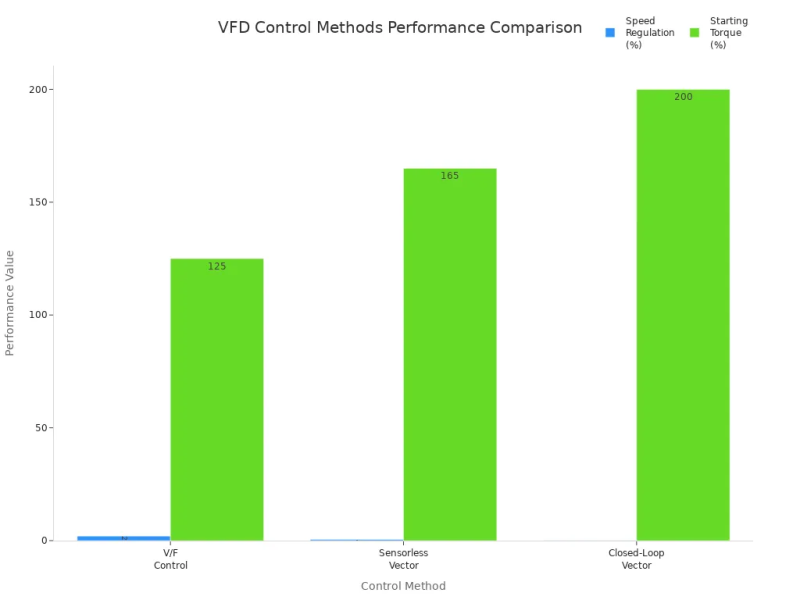
Sensorless vector control works for extruders, mixers, conveyors, punch presses, and centrifuges.
Closed-loop vector control fits winders with tension control, machine tool spindles, test stands, elevators, and jobs needing exact speed tracking.
V/f control is best for simple machines that do not need high precision.
Callout: You should pick vfd vector control or v/f based on your job, budget, and how much control you need.
Applications and Industries

V/f Control Use Cases
V/f control is used in many simple motor systems. It works best when you only need to change speed and do not need high accuracy. Many companies use v/f control because it is easy to use and set up. You can see v/f control in these jobs:
Fans help move air in buildings and factories.
Pumps move water or other liquids in treatment plants.
Conveyors carry products in warehouses.
Simple mixers blend things in food or chemical plants.
V/f control is good for these jobs because it makes motors start and stop smoothly. These machines do not need fancy features. Many companies pick v/f control to save money and keep things easy.
Vector Control Use Cases
Vector control is used in advanced motor systems. This method gives you very exact speed and torque control. Many industries need this kind of control. You can find vector control in these places:
Pharmaceutical companies use vector control to save energy and control speed.
Oil and gas companies use it to stop breakdowns and work better.
Refrigeration systems use vector control to manage compressors carefully.
HVAC systems use it to run well and save energy.
Robotics and CNC machines need vector control for smooth and correct moves.
Elevators use vector control for safe and steady rides.
You should use vector control when you need high accuracy and fast action. It helps you get the best from your motor systems.
Canroon Solutions
Canroon has both v/f control and vector control products. Canroon makes things for many industries, like water treatment and factories. You can use v/f control for simple machines like fans and pumps. You can use vector control for advanced machines in robots, elevators, and HVAC. Canroon helps you pick the right control for your needs. You get help and advice for your motor systems, no matter what you do.
Tip: You can ask Canroon for help picking the best control for your job.
Choosing the Right Method
Key Factors to Consider
You should think about a few things before you pick a motor control method. Each thing you think about changes how your system works. The table below shows how V/f control and vector control are different:
Tip: Pick your control method based on how much precision, torque, and complexity you need.
When to Choose V/f Control
Pick V/f control if your system does not need high accuracy. This method is good for fans, pumps, and conveyors. You save money and time because V/f control is easy to set up. You do not need special sensors or advanced software. If your motor only needs basic speed changes, V/f control works well and is reliable.
When to Choose Vector Control
Use vector control if you need very exact speed and torque. This method gives you high starting torque and very accurate speed control. The table below shows how each control method works:
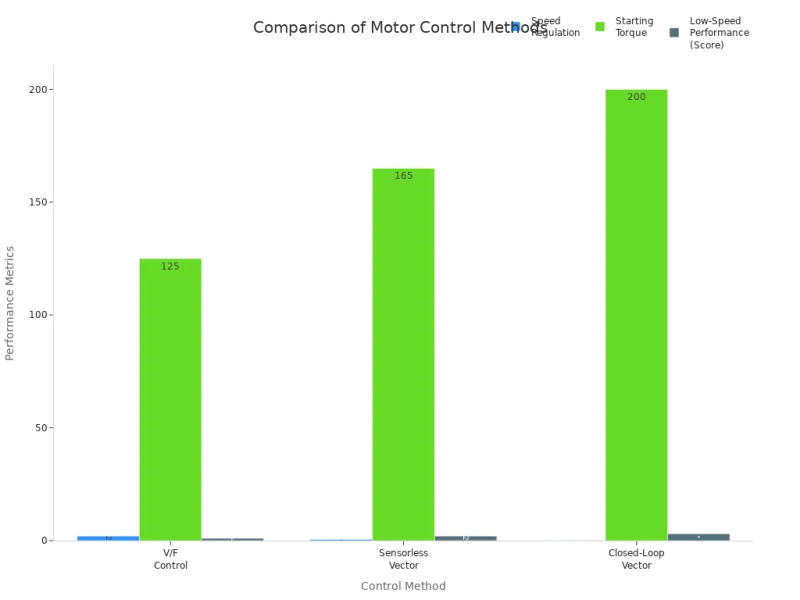
Vector control changes fast when the load changes. You get smooth moves and better energy use. This method is best for robots, elevators, and machines that need exact speed or position.
Canroon Recommendations
Canroon helps you choose the best control method for your work. You get advice from experts based on what you need. The table below shows how each method does its job:
Vector control uses feedback to change how it works for better results.
V/f control keeps the same ratio and does not use feedback.
Note: Canroon says vector control is best for jobs that need high torque and accuracy. You can use V/f control for simple jobs where saving money and easy setup are most important.
You have learned how VFD vector control and V/f control are different. Vector control helps you get exact torque and speed. V/f control is simple and saves money. Use vector control for machines that need to be very accurate. Use V/f control for easy jobs like fans or pumps. If you need help choosing, you can ask Canroon’s experts for advice.
Tip: Picking the right control method makes your system work better and helps you save money.
FAQ
What is the main difference between VFD vector control and V/f control?
You get precise torque and speed with vector control. V/f control gives you basic speed changes. Vector control uses advanced math and sensors. V/f control keeps voltage and frequency balanced.
Can you use V/f control for all motor types?
You can use V/f control for most standard AC motors. It works best for fans, pumps, and conveyors. You should not use it for machines that need high accuracy or fast torque response.
Does vector control save more energy than V/f control?
Yes! Vector control matches motor speed to the load. You use less energy, especially in variable load systems. V/f control saves energy mainly during startup.
Is vector control harder to set up than V/f control?
You need more training and special tools for vector control. V/f control is simple to install and set up. You can start using V/f control quickly.
Previous:
Next:
Sign up for updates