





You can see induction heating changing many industries. Here are the top 8 ways it helps manufacturers in 2026:
Induction heating systems use less space and cost less money. They need less maintenance and make fewer emissions. Canroon is a leader with smart and energy-saving solutions. Each section will show real examples and effects in the industry. This makes it easy to learn what induction heating is and why it is important. Understanding what is induction heating can help businesses leverage its benefits effectively.
Key Takeaways
Induction heating uses less energy because it heats only what is needed. This makes it work better than older ways.
This technology lowers pollution and helps factories follow clean air rules. It supports a cleaner world.
Induction heating makes things faster and better. It helps companies keep up with more orders.
Modular systems and smart controls let factories change and fix things easily. This makes work smoother.
Industries such as automotive, medical, and aerospace use induction heating a lot. It helps make products safer and stronger.
What Is Induction Heating and Its Advantages
Induction Heating Principles
If you want to understand induction heating, you need to know the science. Induction heating uses electromagnetic induction to heat metal objects. When you put a metal part inside a coil, the coil makes a changing magnetic field. This field causes eddy currents to form in the metal. The eddy currents make the metal get hot. Traditional heating warms up the whole area first, then heats the part. Induction heating only heats the spot you want. This means it works faster and wastes less energy.
Heat forms right inside reactors. This stops temperature differences and lets hot spots form. These hot spots can speed up chemical reactions a lot.
Modern factories like induction heating for many reasons. It lets you control the temperature very well and heats things quickly. The process does not touch the part, so there is no contamination. You can heat just the area you need.
Key Benefits in 2026
In 2026, induction heating is important in factories for many reasons:
Induction heating saves energy by heating only the part you need. This is better than old ways of heating.
The technology helps companies use less energy and make fewer emissions.
Induction systems work with Industry 4.0. This helps with automation and makes products better.
Better energy use means lower costs and less pollution.
Faster heating helps factories make things quicker.
Accurate heating is important for making good products.
Companies want to save money and help the planet, so they use induction heating.
Induction heating helps factories follow new clean air rules.
Using induction heating in automated lines makes factories work better.
Better power electronics make induction heating even more useful. These systems use less electricity and give more heat where you need it. Canroon is a leader in smart induction heating. You get good results and easy controls that fit into new factories. If you want to know about induction heating, look at how it changes factories and helps them be greener. With better electronics, you get more heat and less waste.
Heat Treating Applications
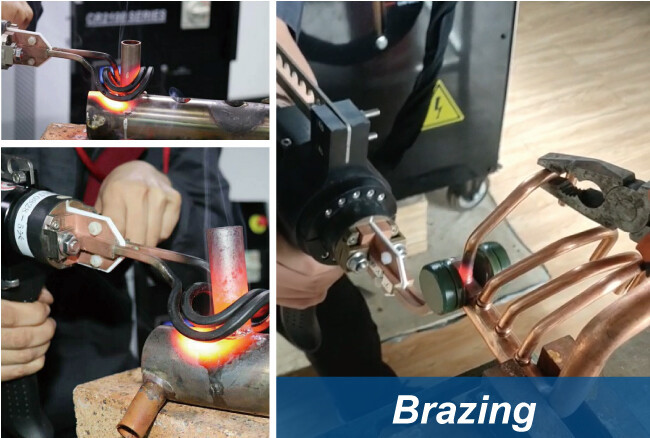
Heat treating is the biggest use for induction heaters. You can find it in car factories, oil fields, and medical labs. Many people pick these systems because they work fast and clean. They also give very exact results. Let’s see how different industries use heat treating.
Automotive Hardening and Annealing
Car makers need strong parts for safety. Induction heaters help make gears, axles, and shafts tough. You can use them for shrink fitting and aluminum brazing. They also work for annealing and surface hardening. These uses help cars last longer and stay safe. Here’s what you might see in a car factory:
You get better control over how things are made. This means less waste and stronger parts.
Oil & Gas Pipe Stress Relieving
Pipes in oil and gas must handle a lot of stress. Induction heaters help make pipes safer and stronger. You can heat-treat pipes after welding them. This lowers the chance of cracks or leaks. Many companies use induction heating because it is fast. It also fits well into their work lines.
Medical Device Annealing
Medical tools need to be strong and safe. Induction heaters help make devices that last longer. Induction hardening makes metal parts stronger and harder. You can use these systems for annealing. This makes metal less likely to break. Doctors and patients get better results.
Tip: Induction heating gives clean and repeatable results. That is why many industries trust these systems for important jobs.
The induction heaters market is growing quickly. These uses save time and money. They also give top quality. If you want to do well, learn how these systems can help your business.
Induction Heating in Automotive Manufacturing
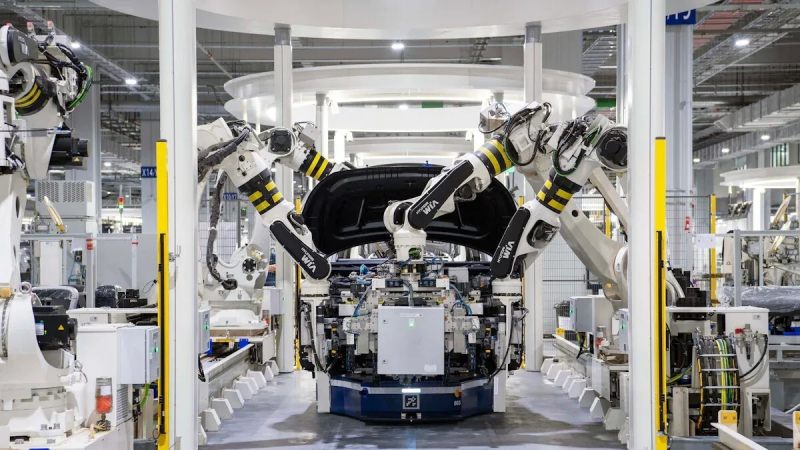
Spot Welding
Spot welding is used a lot in car factories. Induction heating makes spot welding quicker and safer. It gives strong welds but does not melt the metal. This keeps the metal’s structure the same and makes it stronger. You can heat steel parts fast, so cars are made faster. Some factories can make cars at 600 feet per minute. This means more cars are finished in less time. Bigger weld nuggets form when resistance drops. This makes welds better, even with coatings like zinc. There are no open flames, so workers are safer and the air is cleaner.
Induction heating heats steel quickly.
Welds are stronger and the metal stays the same.
Production is faster and welds are better.
Different alloys are easy to work with.
Metal Sheet Annealing
Annealing metal sheets is important for car parts. Induction heating lets you control the heat very well. You can heat just the spot you want. This helps you meet tough rules and what customers want. You do not overheat the metal, so there is less waste. You save energy, which saves money and helps the planet. The process works with robots, so factories stop less and work more.
Fast pre-heating makes things work better.
Solid-state welding does not melt parts, so they are stronger.
You can make things fast and use many metals.
Modular Systems and Smart Controls
Car factories use modular systems and smart controls for more options. You can make more cars without buying new machines. Modular systems are easy to fix and upgrade. Smart controls show you what is happening right away. You can change the heat as you need. These systems work with robots, so everything runs smoothly. You save power and use fewer resources.
Tip: Pick modular systems if you want to change or fix things easily. Smart controls help keep everything working well.
You get more choices, faster work, and less stopping. Induction heating gives you control and saves energy, making car factories better and greener.
Oil & Gas Industry Applications
Pipe Welding
You see pipe welding everywhere in the oil and gas industry. When you use induction heating, you get pipes ready fast. It takes less than 20 minutes per joint, while old methods can take hours. You can heat pipes evenly, so welds turn out strong and smooth. Many companies switched to induction heating and cut weld repair time in half. They also saved $80,000 each year. You can use a temperature controller to stop cold cracking, which means less rework.
Here’s a quick look at the main advantages:
You can preheat, keep welds hot, and relieve stress with one system. This makes your work faster and safer.
Stress Relieving
Stress relieving helps pipes stay strong after welding. You use induction heating to heat pipes evenly and quickly. This stops cracks and makes pipes last longer. You don’t have to wait for hours. You get the job done fast and move on to the next project. Induction heating works well for many shapes and sizes, so you can use it for different jobs.
You finish stress relieving in less time.
You get uniform heat, so pipes don’t warp.
You keep workers safe because the coils stay cool.
Induction heating is versatile. You can use it for preheating, keeping welds hot, and stress relieving. It fits many industries, but oil and gas companies benefit the most.
Heat Treating for Safety
Safety matters in oil and gas. Induction heating makes your workplace cleaner and safer. You don’t burn fossil fuels, so you avoid smoke, waste heat, and loud noise. You don’t use open flames or flammable gases, so workers stay safe. You get a quiet, clean environment.
No smoke or bad emissions.
No open flames or hot surfaces.
Safer conditions for everyone.
You get more power and control with induction heating. You can heat pipes fast, keep welds strong, and protect your team. Oil and gas companies trust this technology because it saves money, time, and keeps people safe.
Medical Manufacturing Uses
Brazing and Forming
Medical devices must be strong and safe. Many companies use induction heating for brazing and forming. This way, you can join metal parts very accurately. The joints are strong and do not leak. Induction heating lets you control where the heat goes. You do not damage nearby parts or change small pieces.
Here is how these processes help in medical manufacturing:
You get the same results every time. Special software keeps the heat just right. This means you can make many devices without mistakes. Even heating helps make seals that do not leak. This keeps devices safe for people.
You can control the heat very well.
You finish work faster than with old ways.
You get good quality every time.
Cleaning and Precision Heating
Medical tools must be very clean and shaped right. Induction heating helps you clean and heat parts well. You can reach up to 90% efficiency, so you save energy and time. This works for tricky shapes, like tiny implants or tools. You do not change the size or shape of small parts.
You can heat-treat titanium alloys, which are used a lot.
The technology works for hard shapes and small things.
You get clean and exact results every time.
Induction heating helps you make safe and reliable medical products. You can trust this method to meet strict rules and keep people safe.
Induction Heaters Market Trends in 2026
Growth in Manufacturing
In 2026, more factories use induction heaters. Companies want to save energy and heat things smarter. The market is growing at a rate of 4.1% each year from 2026 to 2033. Many places like North America, Europe, Asia-Pacific, Latin America, and the Middle East and Africa are using more induction heaters. Factories like smart controls and modular systems. These let you fix or upgrade machines quickly. You can add more power when you need it. This helps factories make more products and meet demand.
Here are some reasons why the market is growing:
Smart technology helps heat things more exactly.
Modular systems make repairs and upgrades easy.
Custom solutions work for many industries, like food processing.
Better monitoring means more reliable results and fewer problems.
Companies like Canroon lead with new ideas. They make energy-saving heating systems and use more automation. This helps factories work better and save money.
Energy Efficiency and Sustainability
Factories want to spend less on energy and help the environment. Induction heaters help with both. They heat only the parts you need, so less energy is wasted. Induction heating is over 90% efficient. Old ways are only 30-60% efficient. Jobs finish faster because cycle times are cut in half. Less material is wasted, which is good for the planet.
Look at these benefits from using induction heaters:
Induction forging makes strong parts with less waste.
Regenerative power supplies help save even more energy.
No open flames make factories safer.
The process does not make harmful gases.
Heating happens inside the metal, so less energy is lost.
Big companies like Canroon and Inductotherm Group do well in this market. They spend money on energy-saving systems and more automation. Every new product shows their focus on new ideas. The market keeps growing because factories want cleaner, faster, and smarter ways to work.
Other Key Industry Applications
Induction heating is used in more than just cars, oil, or medical tools. Many industries need fast and clean heat. Induction heating gives them this. Here are three areas where it helps a lot.
Aerospace Component Processing
Airplane parts must be strong and light. Every piece needs to be perfect. Induction heating gives quick and even heat. This stops grain growth in titanium parts. Aluminum alloys get better treatment too. Custom coils fit any shape. Even tricky airplane parts get the right heat.
This process makes parts last longer. It keeps flights safe.
Electronics Soldering and Bonding
Induction heating joins tiny parts in electronics. It heats only the spot you want. The rest of the device stays cool. You avoid warping and damage. It works well for microchips and power modules. Production is faster because heat goes right where you need it.
Localized heating keeps sensitive parts safe.
The process is fast and does not touch the parts, so there is no contamination.
You get strong bonds and less waste.
This technology helps in biomedical fields too. It is flexible.
Food and Beverage Processing
Induction heating helps make food safer. Factories use it to sterilize and pasteurize drinks and foods. The heat is quick and even. Germs die but taste stays good. It is used for making packaging and other steps where clean heat matters.
Sterilization and pasteurization keep food safe.
The process saves energy and works fast.
You get better quality and less waste.
Tip: Many other sectors use induction heating. HVAC, plastics, agriculture, and defense all use it. It helps with waste management and crop preservation.
Induction heating is a smart choice for many industries. It gives cleaner, safer, and more efficient heat.
You can see induction heating making factories work better and cleaner in 2026. This technology uses much less energy than old ways. It can save up to 50% more energy. The market is getting bigger every year. By 2035, it could be worth billions.
Canroon is a leader with smart ideas and solutions. If you want your business to be cleaner and get better results, you should try induction heating.
FAQ
What is induction heating?
Induction heating uses electromagnetic fields to heat metal. You put the metal part inside a coil. The coil makes a magnetic field. This field heats the metal fast and saves energy.
Why should you choose induction heating over traditional methods?
Induction heating works faster and wastes less energy. It only heats the spot you want. There are no open flames or bad gases. Factories save money and help keep the air clean.
Can induction heating work with automation?
Yes! Induction heating systems can connect to robots and smart controls. You can check temperatures and change settings easily. This makes factories safer and helps them work better.
Is induction heating safe for workers?
Yes, it is safe. Induction heating does not use open flames or hot surfaces. Workers are protected. The air stays clean and the workplace is less risky.
Previous:
Next:
Sign up for updates