




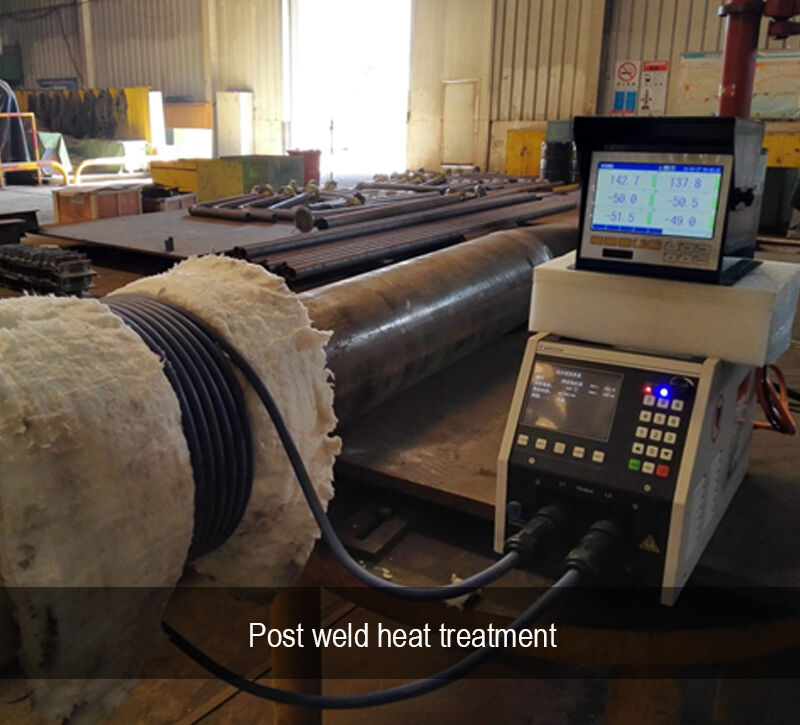
Post weld heat treatment is a heating process done after welding. This process helps remove leftover stress and makes the weld tougher. It is very important in big industries like oil and gas or power plants. PWHT makes welded materials safer and stronger by making the inside structure more even. Canroon gives advanced post-weld heat treatment solutions to help you follow strict rules for quality and safety.
Key Takeaways
- Post Weld Heat Treatment (PWHT) makes welded materials stronger. It lowers stress inside the metal and stops cracks. This helps keep things safe in tough jobs.
- It is important to control the temperature and soak time during PWHT. You must follow rules for each material type. This helps the treatment work well and keeps the weld strong.
- PWHT can make welded joints much better. It helps them bend without breaking and makes them tougher. It also helps stop rust, so things last longer.
- Always follow the rules and standards for PWHT. This keeps things safe in places with high heat or pressure.
- Using good temperature control systems during PWHT helps get the same results every time. This makes sure your welds are safe and high quality.
PWHT Purpose
Post weld heat treatment is important for making welded materials safer and stronger. You use it to make welded joints better and to follow strict rules in industries. This process helps stop problems like cracks or weak spots after welding. Canroon gives you advanced post weld heat treatment, so your projects meet high safety and quality standards.
Stress Relief
When you weld metal, the heat changes the inside of the material. These changes cause leftover stress, which can make the metal break or crack later. Post weld heat treatment lowers these stresses and keeps welded parts safe.
Here are some main reasons you use post-weld heat treatment for stress relief:
- Lowers inside stresses that can cause breaks or failures.
- Removes hydrogen from the weld metal to stop cracks.
- Reduces bending or twisting of parts caused by heat.
- Makes stress even across the weld and nearby areas.
You can see how post weld heat treatment relieves stress in the table below:
Post weld heat treatment can lower up to 80% of pulling stresses. This makes welded parts much less likely to crack or break when used.
Performance Improvement
Post weld heat treatment does more than lower stress. It also makes welded joints stronger and better. After using post weld heat treatment, welds get tougher, more flexible, and can handle tough conditions.
Some key improvements you get from post weld heat treatment include:
- Brings back flexibility and toughness to the weld area.
- Balances hardness and strength for better results.
- Makes welds resist rust by removing bad carbides.
- Makes welded joints tougher, so they are less likely to break.
The chart below shows how post weld heat treatment makes welded joints stronger:
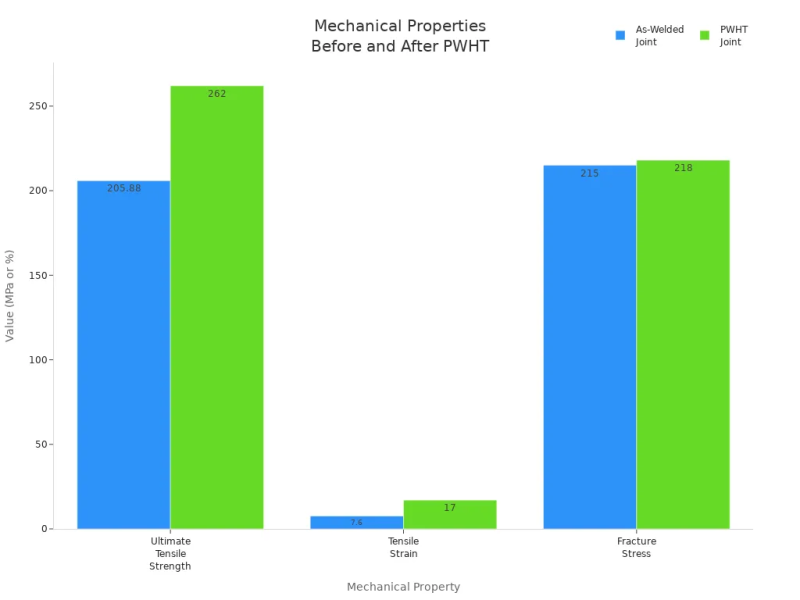
For example, after post weld heat treatment, the highest pulling strength of a welded joint can go from about 206 MPa to 262 MPa. The stretch amount also goes up from 7.6% to 17%. These changes mean welded parts can take more force and stretch more before breaking.
Canroon’s skill in post weld heat treatment helps you get the best results for your projects. You can trust their solutions to give you strong, reliable welds that last longer and work better in tough places.
PWHT Process

You need to follow careful steps when you use post weld heat treatment. This process helps you make welded parts safer and stronger. You can see how each step works below.
Controlled Heating
You start post weld heat treatment by heating the welded part. You must control the heating rate so the metal does not crack or warp. The right temperature depends on the type of steel you use. You can check the table below to see common temperature ranges for different steels:
You must keep the temperature below the lower critical point. This step helps you avoid changing the metal’s structure too much. You also need to heat the part slowly. If you heat too fast, you can cause new cracks or high residual stress.
Soak Time Guidelines
After you reach the right temperature, you must hold the welded part at that temperature. This is called the soak time. The soak time lets the heat spread evenly and helps remove stress from the weld. You can use the table below to find the right soak time for your material:
For example, if your welded part is 2 inches thick and made of carbon steel, you need to hold it for 2 hours. You must follow these guidelines to make sure the post weld heat treatment works well. If you use thicker materials, you need longer soak times. You should always check the rules for your project to make sure you use the right time and temperature.
Tip: Do not let the temperature go above the original tempering point. If you do, you can make the metal weaker.
Multiple Treatments
Sometimes, you need to use post-weld heat treatment more than once. You may need multiple treatments if your weld is very thick or if you use special materials. Each treatment helps you lower stress and improve the weld’s strength. You must always control the heating and cooling steps each time you repeat the process.
You can follow these steps for post weld heat treatment:
- Heat the welded part at a controlled rate.
- Hold the part at the set temperature for the right soak time.
- Cool the part slowly to avoid new stress.
You can use post weld heat treatment applications in many industries. You see this process in oil and gas, power plants, and chemical factories. You use pwht to make sure your welded parts last longer and stay safe.
When you follow these steps, you help your welded parts resist cracks and damage. You also make sure your work meets safety and quality rules. Post-weld heat treatment is a key part of making strong and reliable welds.
PWHT Requirements
Material Factors
You must check the material before choosing post weld heat treatment. Some metals change a lot after welding. These changes can make the weld hard and easy to break. You often use post weld heat treatment for carbon steels, low-alloy steels, and some stainless steels. Thick materials usually need pwht because deep stress builds up inside. Here are some reasons you might need post weld heat treatment:
- Cooling can leave stress that goes above safe levels.
- Welding heat can make metal harder and less tough.
- You want to bring back flexibility and strength after welding.
If you work in oil or chemical factories, you often use post weld heat treatment to stop cracks and breaks. This process helps welded parts last longer in tough places.
Industry Codes
You must follow strict rules when you use post weld heat treatment. These rules help keep welds safe and strong. Many industries need pwht for certain jobs. The table below shows some important codes:
You must check these rules before starting your project. Canroon helps you follow these rules with equipment that controls temperature and is easy to use. Their systems meet AWS, ASME, and API rules, so you can trust your welds to pass checks.
Service Conditions
You need post weld heat treatment when welded parts face tough conditions. High heat, pressure, or harsh chemicals can make welds weaker. You often use pwht for parts that hold pressure and piping systems. Here are some times you need post weld heat treatment:
- Design or building rules require it.
- Welds will face high heat or repeated stress.
- You work with thick parts or parts that hold pressure.
- You need to stop cracks caused by hydrogen or breaks from being brittle.
Note: Canroon’s systems have safety features that help you meet all post weld heat treatment needs. You can trust their solutions to keep your projects safe and follow the rules.
PWHT Benefits
When you use post-weld heat treatment, you give your welded parts many important benefits. This process helps you make your projects safer, stronger, and longer-lasting. Let’s look at the main advantages you get from post weld heat treatment.
Mechanical Properties
Post-weld heat treatment improves the way your welded joints perform. You restore the strength and toughness that welding can take away. This process helps you:
- Bring back the flexibility and toughness of the metal.
- Make the weld area less likely to crack or break.
- Improve the hardness and strength balance in the welded zone.
- Prevent hydrogen from causing cracks.
You also see better corrosion resistance and a finer grain structure. These changes mean your welded parts can handle more stress and last longer in tough environments.
Residual Stress Reduction
Welding leaves behind locked-in stresses that can cause problems later. Post weld heat treatment helps you lower these stresses by up to 80%. Here’s how this works:
- You heat the welded part to a set temperature, which lets atoms move and stress spread out.
- Micro-plastic deformation happens, so trapped stress gets released.
- The weld and the area around it cool evenly, which keeps stress levels low.
By using pwht, you prevent cracks and failures that come from high residual stress. This makes your welded structures much safer and more reliable.
Longevity
Post-weld heat treatment helps your welded parts last much longer. When you reduce stress and improve mechanical properties, you stop early failures. You also make sure your welds can handle high pressure, heat, and harsh chemicals.
- You avoid problems like hydrogen-induced cracking.
- Your welded joints stay strong even after years of use.
- You meet industry standards for safety and performance.
Post weld heat treatment gives you peace of mind. You know your welded parts will work well and stay safe for a long time.
PWHT Methods

Main Types
There are a few main ways to do post weld heat treatment. Each way works best for certain jobs and materials. The table below lists the most common types, what they are used for, and what is good or bad about them:
You can use two main ways to do pwht:
- Conventional PWHT: You heat the whole welded part in a furnace. This helps spread out stress and makes the inside better.
- Localized PWHT: You heat just the weld area. This includes post heating to stop hydrogen cracks and stress relieving to lower leftover stress.
Some common localized ways are:
- Post Heating: You heat the weld right after welding to stop hydrogen cracks.
- Stress Relieving: You heat the area to lower stress and stop cracks from forming.
Best Practices
You should follow some rules to get the best results from post weld heat treatment. Here are some important things to remember:
- Check what kind of material you have and how thick it is before picking a way.
- Think about where the welded part will be used.
- Follow rules like ASME Section VIII and ASME B31.3.
- Watch out for materials that can crack from stress or chemicals.
Tip: Always use the right temperature and soak time for your material. This keeps your welds strong and stops weak spots.
Canroon says you should use advanced temperature control systems. These systems help you heat your welds safely and evenly. You can trust Canroon’s solutions to follow the rules and give you good results every time.
You improve the safety and quality of welded parts when you use pwht. This process makes your welds stronger and helps them last longer in tough places.
- You lower the risk of cracks and failures.
- You meet strict industry rules for safety.
- You keep your projects running smoothly under high pressure and heat.
Canroon gives you trusted solutions for every job. Choose post weld heat treatment to protect your work and meet top standards.
FAQ
What does PWHT stand for?
PWHT stands for Post Weld Heat Treatment. You use this process to heat welded parts after welding. This step helps make the weld stronger and safer.
When do you need to use PWHT?
You need PWHT when codes or project rules require it. You also use it for thick materials, pressure vessels, or when you want to reduce cracks and stress.
How do you know the right PWHT temperature?
You check the material type and follow industry standards. For example, carbon steel often needs 1,100–1,400°F. Always read your project’s code before you start.
Can you skip PWHT if the weld looks good?
No, you should not skip PWHT. Even if the weld looks fine, hidden stress or cracks can cause problems later. PWHT keeps your weld safe and strong.
Does PWHT change the size of the welded part?
PWHT can cause small changes in size. You may see slight shrinking or warping. You should measure your part after treatment to check for any changes.
Sign up for updates