




You use induction preheating to warm pipeline metal before welding. This process uses electromagnetic fields to heat the metal from inside. Induction preheating lets you control the temperature. This keeps the weld strong and safe. You lower the chance of cracks. You also make sure the weld cools at the right speed. Canroon is a leader in this area. They offer advanced equipment for induction preheating. Their solutions give you exact temperature control. They help make every pipeline weld better.
Key Takeaways
Induction preheating heats pipeline metal with electromagnetic fields. This helps make welds strong and safe. This method lowers the chance of cracks by keeping the temperature steady. It also lets the metal heat up evenly during welding. Induction heating is safer than using flames. It removes open flames and lowers fire risks. Using induction heating saves time and energy. This makes welding jobs faster and cheaper. Canroon gives advanced induction heating tools. These tools control temperature well and help make better welds.
How Induction Preheating Works
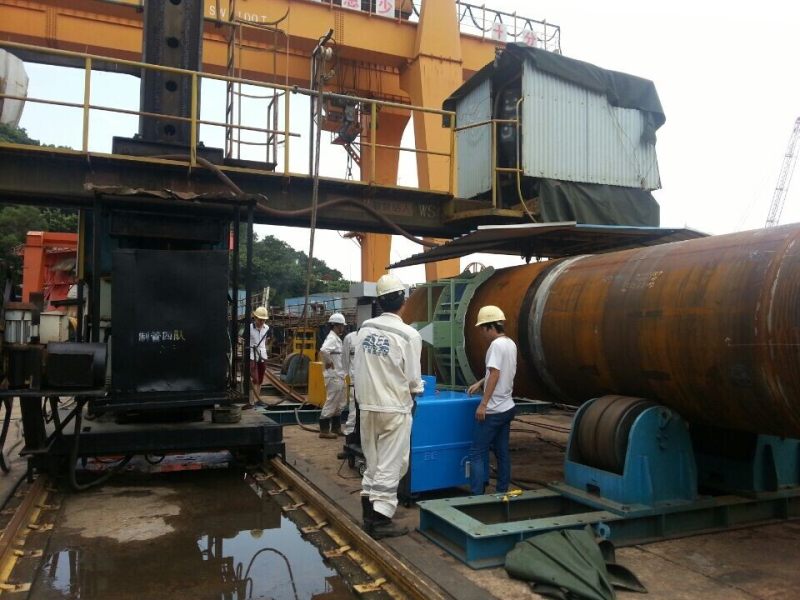
Induction Heating Process
Induction heating warms metal fast and safely. It uses electromagnetic fields to do this. When you put steel in an induction coil, the coil makes a changing magnetic field. This field makes eddy currents inside the metal. The metal’s resistance turns these currents into heat. This way, you heat the metal in one spot without touching it.
Here is a simple table that shows how induction heating works:
Hysteresis heating also happens in magnetic materials. Magnetic domains inside the metal move and rub together. This rubbing makes extra heat.
Application in Pipeline Welding
Induction heating helps pipeline welding by making welds better and safer. It gives even heating and keeps the temperature steady. This helps stop defects, cracks, and bending in oil and gas pipelines. Induction heating lets you control how fast the weld cools. Slow cooling helps stop bending and lets hydrogen leave the weld area. This lowers the chance of hydrogen cracks.
Induction heating does not touch the metal. You heat the base material before or after welding to a set temperature. This step removes water and hydrogen between weld passes. You keep the right temperature between welds, which is important for strong welds.
Canroon is a leader in induction heating technology. They focus on heat treatment after welding to make welds stronger and safer. Their solutions meet industry rules and help stop welds from getting weak. Canroon’s systems save energy and money. You get new and reliable technology from them.
Induction Preheating Benefits
Weld Quality and Crack Resistance
You want every weld joint to be strong. Induction heating helps you control the temperature better. This control stops cracks and weak spots from forming. Studies show induction heating can lower hydrogen in welds by 34%. Less hydrogen means fewer cracks and stronger welds. The heat-affected zone gets softer, so it is less likely to break. Induction heating keeps the right temperature between weld passes. This lets hydrogen leave and keeps the weld tough. You can trust induction heating to make welds better and pipelines safer.
Safety and Efficiency
Safety is important at work. Induction heating removes open flames and hot surfaces. This lowers the risk of fire and burns. You also avoid bad gases from burning fuel. Here are some ways induction heating makes work safer:
No open flames, so fire risk goes down.
No hot surfaces, so fewer burns happen.
Fewer accidents that could hurt the environment.
Induction heating also makes work faster. You can heat weld joints quickly, even if the pipeline is different shapes or sizes. The heat spreads evenly, so there are no hot or cold spots. This is important for big tanks and pressure vessels. Many companies use induction heating because it is faster, safer, and more flexible than old ways. You save time and money with this technology.
Induction Heating Applications in Pipelines
You use induction heating in many pipeline jobs. It works for weld preheating, post-weld heat treatment, and repairs. Induction heating is good for preheating before welding, especially when you need steady heat. You reach the right temperature faster, so you do not wait long. The heat stays even, so every weld is the same quality.
Here is a table that shows some environmental benefits of using induction heating in pipeline projects:
Induction heating helps protect your pipeline and the environment. You also get more even welds, so there are fewer repairs. Induction heating gives you a safe, strong, and efficient pipeline.
Here is another table that shows how induction heating helps you reach the right temperature faster and keeps the heat even:
You can trust induction heating to give you great results for your pipeline welding projects.
Induction Preheating Steps
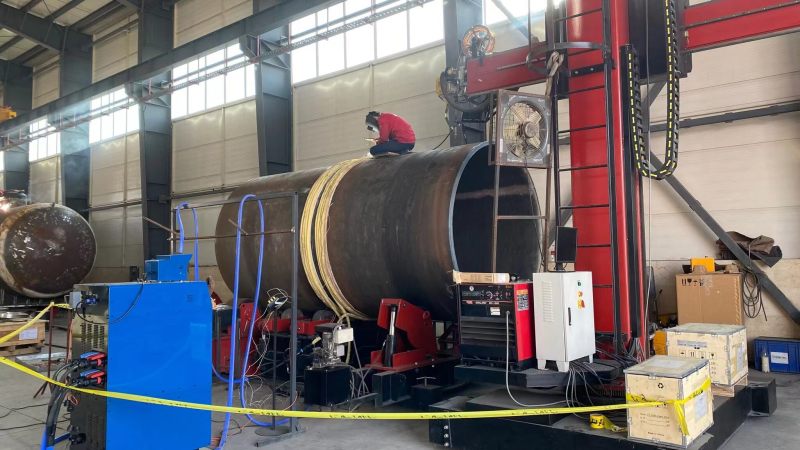
Equipment Setup
First, pick the right induction heating system for your pipeline. Put the heating coils around the part you want to weld. The coils should fit tightly for the best heat. Connect the power supply and check all the cables. For jobs at different places, use mobile preheating solutions. These systems are easy to move and work in many spots. Before turning on the equipment, look for any damage. This helps stop problems before you start.
Operation and Safety
You must follow safety rules when using induction heating. Wear clothes that protect you from heat and electricity. Learn how the equipment works and know the dangers. Training classes show you how to use the system and what to do in emergencies. Practice how to shut down the system fast if needed. Keep first aid kits close by. Always make sure the work area is safe before starting. Keep learning about safety rules and best ways to work. This keeps you and your team safe.
Tip: Always wear personal protective equipment and check emergency steps before you start any heating job.
Temperature Control
You need to control the temperature for strong welds. Induction heating gives even heat to the pipeline. The coils make a magnetic field that heats the pipeline from inside. This way, you get steady heat and reach the right temperature fast. Use sensors to watch the temperature as you work. This keeps the heat even and stops hot or cold spots. Even heat is important for good work and strong welds. Canroon’s systems help you keep the temperature steady and safe.
Induction heating warms the pipeline without touching it.
The coils make a changing magnetic field that heats the metal inside.
You get even heat and the same results every time.
You can trust induction heating for safe, quick, and strong pipeline welding.
Comparing Preheating Methods
Induction vs. Flame
When you weld pipelines, you can use induction or flame preheating. Induction heating spreads heat evenly over the joint. This helps stop cracks and makes the weld strong. Flame heating can make some parts too hot or too cold. These spots can make the weld weak and unsafe. Flame heating also uses open flames, which can start fires.
Here is a table that shows the main differences:
Induction heating keeps the joint at the right temperature.
Induction systems can record temperatures, so you avoid mistakes.
Flame heating wastes energy and takes more time to heat the joint.
Induction vs. Resistance
Sometimes, you use resistance heating for pipeline work. Resistance heating works well for thick plates and important welds. It gives even heat to the joint. Induction heating is faster and uses less energy. You can control the temperature better with induction heating. Resistance heating takes longer to set up and can cost more.
Here is a table comparing these two methods:
Pros and Cons
You should know what each method does best before you choose. Torch heating is good for small joints and is easy to use. Induction heating is best for big joints and gives exact heat. Resistance heating controls temperature well and works for many joints.
Tip: Pick induction heating for big pipeline joints when you want fast, safe, and steady results. Use resistance heating for thick joints that need even heat. Choose torch heating for small and simple jobs.
Induction heating is great for weld quality, safety, and saving time. It helps you make strong joints and keeps your work safe.
Key Considerations and Challenges
Success Factors
You need to focus on several key factors to achieve the best results with induction preheating. These factors help you keep your pipeline welds strong and safe:
Induction heating gives you fast and efficient results. You save time and energy compared to older methods.
You get consistent heating. This means the heat spreads evenly, so you avoid hot spots that can weaken the weld.
Automatic temperature tracking helps you keep records. You can check the data and make sure every weld meets the standard.
Induction systems are portable and flexible. You can move the equipment to different sites and adjust it for many types of pipelines.
Tip: Always train your team on how to use induction heating equipment. Good training helps you avoid mistakes and keeps everyone safe.
Common Issues and Solutions
You may face some challenges when you use induction preheating. Knowing these problems and their solutions helps you keep your project on track:
Inconsistent Heating: Sometimes, the heat does not spread evenly. This can cause weak spots or defects in the weld. You can fix this by choosing the right coil design for your pipeline. Make sure you place the coil in the correct position and use the right frequency for your job.
Equipment Setup Problems: If you set up the equipment wrong, you may not get the results you want. Always check the power supply and use the same type of materials for each job.
Troubleshooting: If you see any problems, stop and check the system. Look for loose cables or damaged parts. Fix these issues before you start again.
Canroon supports you with expert advice and reliable equipment. Their team helps you choose the best system and shows you how to set it up. They also offer training and troubleshooting tips. You can trust Canroon to help you follow best practices and solve problems quickly.
Note: Careful planning and regular checks help you avoid most issues. Use Canroon’s support to make your induction preheating project a success.
You get lots of good things when you use induction preheating for pipeline welding. The table below shows the main benefits:
Canroon is a trusted company. You get strong equipment, help from experts, and a promise that it will work well. Many companies pick induction preheating to make welds better and safer. You can use this technology to make your next project safer and faster.
FAQ
What is induction preheating?
Induction preheating warms metal before you weld it. It uses electromagnetic fields to heat the metal from inside. This makes welds strong and safe.
Why should you choose induction heating over flame heating?
Induction heating is safer and works faster than flame heating. The heat spreads out evenly, so there are no hot or cold spots. You do not use open flames, so fire risk is lower.
How do you control the temperature during induction preheating?
Sensors help you watch the temperature as you work. The system lets you pick the heat level you want. You can keep the temperature steady and stop overheating.
Can you use induction heating for all pipeline sizes?
Induction heating works for many sizes of pipelines. The system fits small and big pipes. You change the coil and power to match your project.
What safety steps should you follow with induction heating?
Always wear safety gear. Check the equipment before you start. Learn what to do in emergencies and keep first aid kits close. Training helps you stay safe.
Previous:
Next:
Sign up for updates