




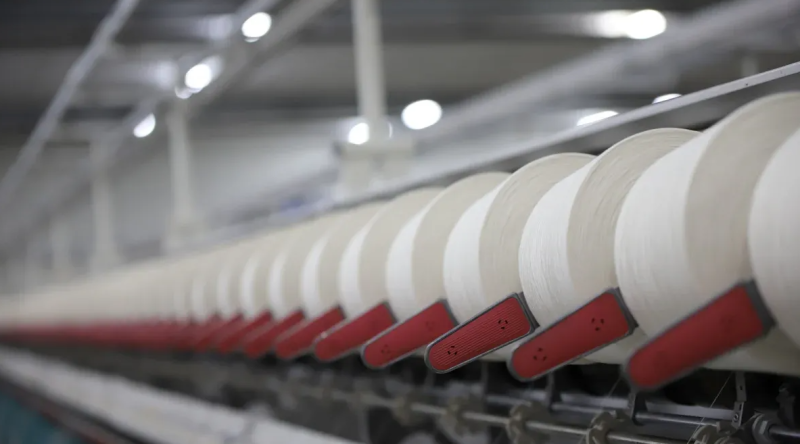
Canroon supported a medium-sized textile manufacturer in Bangladesh in upgrading its production line with the CV900N high-power inverter series, helping the company move toward higher efficiency, greater automation, and more stable operations. The project delivered measurable improvements in energy performance, process control, and overall production flexibility—building a solid foundation for long-term, sustainable growth.
Project Background
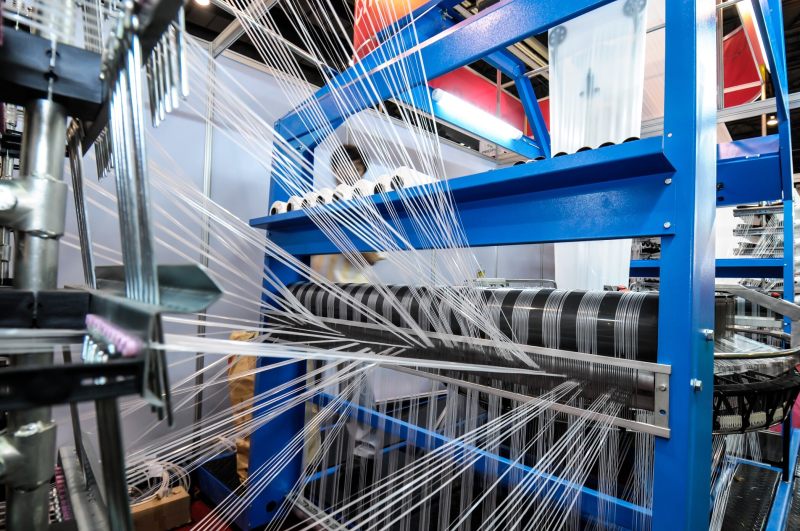
As global competition intensified and operating costs continued to rise, the customer sought to modernize its production system. The factory operates more than 200 weaving machines and auxiliary units, running for extended hours each day. However, the legacy electrical control system created several bottlenecks:
High energy consumption, with electricity costs accounting for nearly 30% of total production expenses
Frequent mechanical wear caused by abrupt motor starts and stops
Limited flexibility when adjusting production speeds for different orders
Lack of centralized monitoring, making real-time management and optimization difficult
To address these challenges, the customer selected Canroon’s CV900N Series high-power inverters as the core of its automation upgrade.
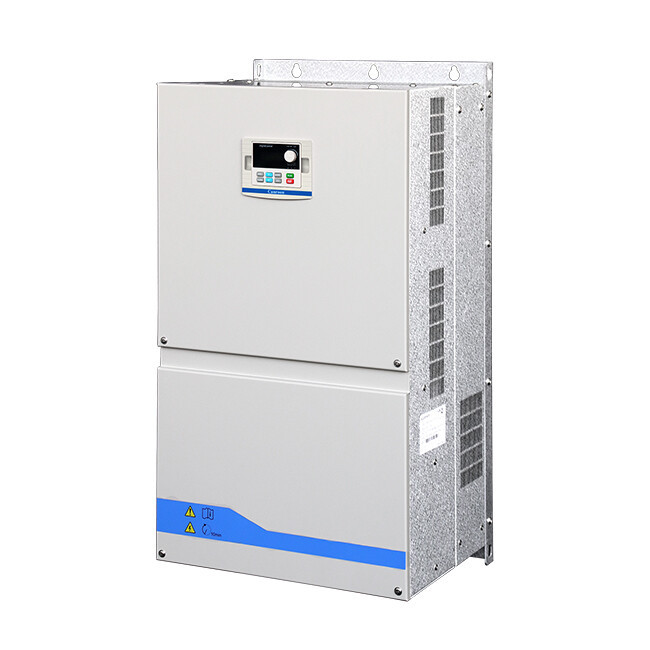
Solution: CV900N High-Power Inverter–Based Automation
Canroon’s engineering team developed a tailored solution centered on the CV900N series, focusing on both performance and practicality for textile applications.
1. Precision Energy Management
Advanced vector control aligns motor output precisely with real-time load demand. This reduces unnecessary energy consumption during light or fluctuating loads while maintaining stable torque for textile processes.
2. Process Automation and Speed Synchronization
Multiple inverters work in coordination to synchronize speeds across key processes such as opening, carding, and weaving. This improves continuity across the production line and reduces material stress.
3. Centralized Monitoring and Control
All inverter-driven equipment is connected to a centralized control system, enabling remote parameter adjustment, real-time status monitoring, and unified production scheduling from the control room.
4. Reliable Operation in Harsh Environments
Comprehensive protection functions—including overcurrent, overload, and overheating protection—ensure stable operation under long duty cycles and demanding textile mill conditions.
Results Achieved
Following implementation, the customer reported clear and quantifiable benefits:
Energy Efficiency: Overall power consumption reduced by 22%, with return on investment expected within 14 months
Higher Productivity: Faster equipment response and a 60% reduction in order changeover time, improving production flexibility
Lower Maintenance Costs: Mechanical failure rates reduced by 35%, cutting annual maintenance expenses
Automation Advancement: Transition from standalone manual operation to fully integrated centralized control, enabling future digital upgrades
Customer Feedback
“The CV900N solved our long-standing energy consumption issues and enabled smooth automation across the entire production line. Centralized control has made daily management much easier, significantly improving both efficiency and responsiveness. The solution from Canroon is reliable and well engineered.”
— Factory General Manager
Looking Ahead
This project demonstrates a scalable automation model for textile manufacturers in Bangladesh and similar markets. By combining high-power inverter technology with application-focused engineering, Canroon continues to support manufacturers worldwide in achieving smarter, more efficient, and more sustainable production.
Previous:
Next:
Sign up for updates