




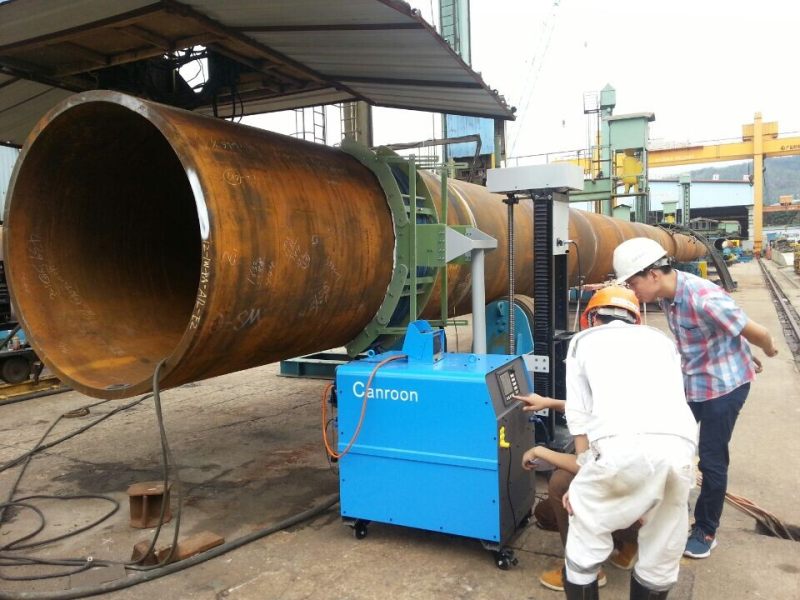
Post weld heat treatment, or pwht, is a special heat process for welded metals. This process lowers stress left in the metal. It also changes the metal’s structure near the weld. Pressure vessel making, shipbuilding, and petrochemicals use pwht for safety and strength. Pwht stops cracks and helps metal bend and stretch better. Power plants and marine jobs use pwht to stop damage and make equipment last longer. Canroon gives trusted help for post weld heat treatment in these tough jobs.
Key Takeaways
Post Weld Heat Treatment (PWHT) makes welded metals stronger. It does this by lowering stress and stopping cracks from forming. PWHT is very important for safety in places like shipbuilding and pressure vessels. It helps equipment last a long time. People must keep good records and watch the process during PWHT. This is needed to follow safety rules. There are different ways to heat, like using a furnace or induction heating. The way chosen depends on what the job needs. Canroon gives advanced PWHT tools and help. This helps companies follow industry rules.
Why PWHT is Essential
Material Properties
Post weld heat treatment changes how metals act after welding. This process makes metals stronger and less likely to crack. The table below shows what PWHT does to carbon and alloy steels:
PWHT helps welded joints bend without breaking. It also keeps the metal from getting too hard. This makes the weld less likely to snap and more able to bend. In important jobs, like pressure vessels and thick metals, these changes help stop future problems.
Residual Stress Relief
Welding puts a lot of stress inside the metal. These stresses can make cracks or even cause breaks. PWHT lowers these stresses and makes the metal safer. If post weld heat treatment is skipped, many problems can happen:
The heat-affected zone can get too hard and brittle
The metal can bend or crack
The weld can lose toughness and bend less
Bad microstructures can form
The weld can get weaker and not hold together
Pressure equipment can fail in a dangerous way
PWHT also helps stop cracks from forming. It lets the metal relax and become safer. This is very important for welded parts that hold high pressure or heavy things.
Safety and Reliability
PWHT keeps welded parts safe and working well. It stops dangerous breaks by making the metal tougher and less brittle. The process lowers leftover stress and removes hydrogen that can cause cracks. This is very important for pressure vessels, pipelines, and other key equipment.
Tip: Hardness testing after PWHT checks if the weld is too hard. Softer welds are less likely to crack later.
PWHT is a trusted way to help welded joints last longer and work better. It keeps people and equipment safe by lowering the chance of sudden breaks.
PWHT Applications in Industry
Pressure Vessels and Piping
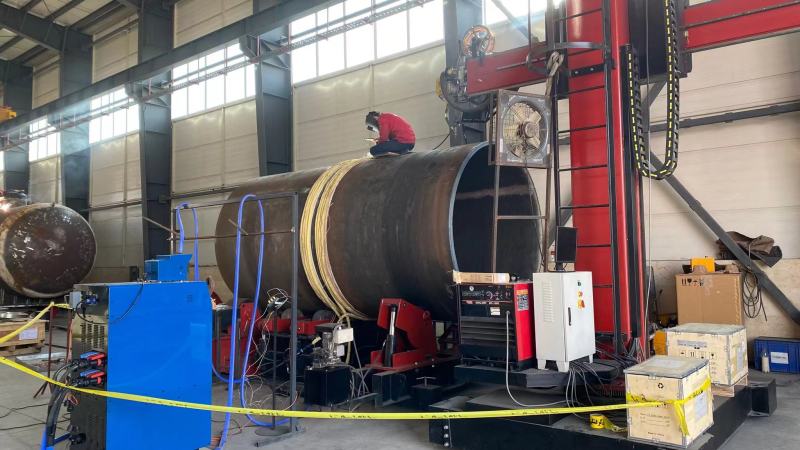
PWHT is very important for pressure vessels and pipes. These vessels hold gases or liquids under high pressure. The heat treatment makes the metal stronger and tougher. It also helps stop cracks from forming. Many rules say PWHT is needed for thick welds or special metals. The table below shows when PWHT must be used:
Canroon gives advanced PWHT equipment for these jobs. Their tools help keep tanks and vessels strong and safe.
Shipbuilding and Petrochemicals
PWHT is needed in shipbuilding and chemical plants. Ships and plants use big tanks and vessels in tough places. PWHT helps in many ways:
Lowers stress inside the metal, so tanks do not crack
Makes tanks tougher and able to handle shocks and cold
Removes trapped hydrogen that can cause cracks
Meets safety rules for welded tanks and vessels
Helps tanks last longer and work better
Canroon’s PWHT systems help shipyards and plants meet these needs. Their equipment makes sure every tank and vessel gets treated right.
Structural Steels
PWHT is used for steels in buildings and bridges. The process changes the metal and makes it safer. Standards give clear rules for heating and holding these steels. The table below shows some common rules:
Note: Canroon’s PWHT solutions help builders follow these rules and keep structures safe.
Post Weld Heat Treatment Procedure
Key Steps in PWHT
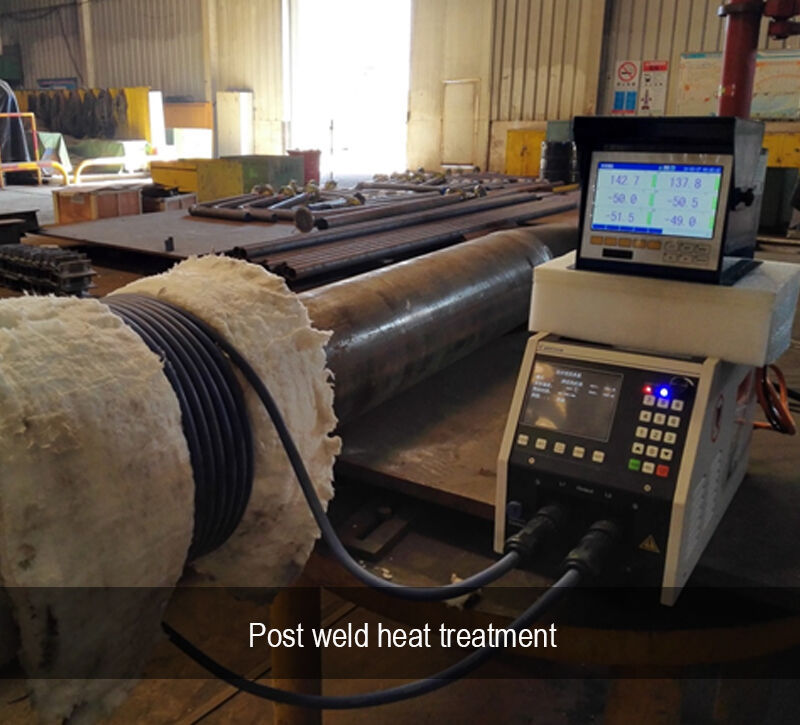
A post weld heat treatment procedure has many steps. These steps help welded parts stay strong and safe. Each step controls heat and stops cracks or breaks. Here is how it works for pressure vessels:
Preparation: Put the vessel on a flat spot. This helps the metal grow and shrink when heated and cooled.
Insulation: Cover the vessel with ceramic wool. The insulation is about 100 mm thick.
Heating Method: Use high-speed burners. Put them in special holes to heat the vessel slowly.
Temperature Monitoring: Attach thermocouples to the vessel. These connect to a recorder to watch the temperature all the time.
Control of Heating: Change oil flow and air with butterfly valves. This keeps the heat steady.
Completion: After heating, make a time-temperature chart. Give this chart to the client for their records.
Tip: Watch each step closely to avoid mistakes and keep the weld safe.
Common Methods
There are different ways to do post weld heat treatment. Each way works best for certain jobs and shapes. The table below shows the main ways and what they do:
Furnace heating is good for big jobs. Local resistance works for repairs or small welds. Induction heating is quick and fits odd shapes. Canroon has tools for all these ways. Their equipment helps control the process and keeps welds safe.
Documentation Requirements
Good records are needed for every post weld heat treatment. These records show the work meets safety rules. The table below lists the main records and what they show:
Note: Canroon’s systems help keep and store all records. Their solutions make it easy to follow rules and pass audits.
A good post weld heat treatment procedure always has careful steps, the right heating way, and strong records. These things help welded parts stay safe and work well.
Standards and Compliance for PWHT
Welding Codes and Regulations
Many welding codes set rules for post weld heat treatment. These codes help keep welded parts safe and strong. The rules say when and how PWHT must be done. For pressure equipment, codes use material type and thickness to decide if PWHT is needed. The table below shows some main requirements:
Codes like ASME Section VIII and B31.3 use these rules to protect tanks and pipes. They help stop cracks and make sure welds last longer.
Industry Standards (ASME, API, ISO)
Industry standards give clear steps for post weld heat treatment. ASME, API, and ISO are the main groups that set these standards. Each group has its own rules for different jobs.
ASME B31.3 says PWHT is needed for some metals based on thickness and type.
API 1104 gives rules for pipeline welding and PWHT to stop hydrogen cracks.
ISO 17663 helps control stress and improve the metal’s structure during PWHT.
The table below shows how each standard sets PWHT rules:
In oil and gas, post weld heat treatment asme section viii is very important. It uses P-Numbers to group metals and set rules. For example, carbon steel needs PWHT only if it is thick, but alloy steel always needs PWHT. These steps help stop hydrogen cracking and keep welds safe.
Ensuring Compliance with Canroon
Canroon helps companies follow all PWHT rules. Their systems track heat, time, and temperature for each weld. Canroon’s tools record every step and make reports for audits. This helps clients meet standards like post weld heat treatment asme section viii and pass inspections.
Note: Canroon’s solutions make it easy to follow ASME, API, and ISO rules. Their equipment helps keep welds safe and meet all legal needs.
Canroon supports clients with training and support. Their team helps set up PWHT jobs and checks that every weld meets the right code. This keeps workers safe and helps companies avoid problems.
Post weld heat treatment keeps welded parts safe and strong. Industries use PWHT to lower risks and meet strict rules. Good procedures help stop cracks and make equipment last longer. Canroon offers tools and support for every step. Their systems help companies follow standards and pass inspections.
PWHT protects people and equipment. Canroon stands with industry leaders to keep work safe and reliable.
FAQ
What does PWHT stand for?
PWHT means Post Weld Heat Treatment. This process heats welded metal to a set temperature. It helps make the metal stronger and safer.
Why is PWHT important for pressure vessels?
PWHT lowers stress in welded joints. It helps stop cracks and makes vessels last longer. Many safety codes require PWHT for thick or critical welds.
How do you check if PWHT was done correctly?
Workers use temperature charts and hardness tests. These records show the metal reached the right heat and cooled properly. Auditors look at these records for proof.
Can all metals get PWHT?
Not all metals need PWHT. Carbon steel and alloy steel often require it. Stainless steel sometimes does not need PWHT, depending on the job and code.
What equipment does Canroon offer for PWHT?
Canroon provides furnace systems, local resistance heaters, and induction heating tools. Their equipment helps control heat and keep welds safe.
Sign up for updates