




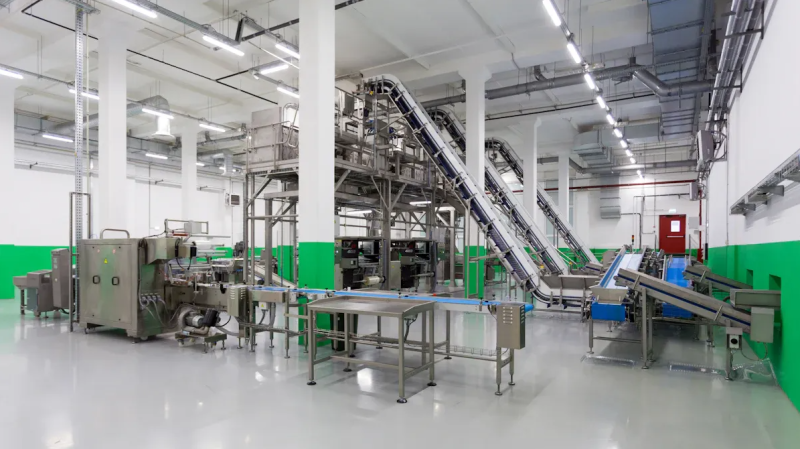
Selecting the best VFD for conveyor systems starts with matching it to your motor. You need to check the horsepower, voltage, phase, and load. You should see if your conveyor uses constant or variable torque. Always check the full load amperage. Picking the right VFD for conveyor applications helps prevent issues like speed changes and overheating motors. The table below illustrates how the right VFD for conveyor systems can resolve these problems. Canroon provides excellent VFD choices for any conveyor.
Key Takeaways
Make sure the VFD fits your motor’s horsepower and voltage. This helps the system work well and stay safe.
Know what kind of load your conveyor has. Most conveyors need constant torque to work their best.
Pick VFDs that let you change speed easily. This can help your system work better and last longer.
Think about the environment when you pick a VFD. Use the right enclosure rating to keep out dust and water.
Use communication protocols like Modbus for better control. This helps your conveyor system work together smoothly.
VFD Basics for Conveyors
What Is a VFD
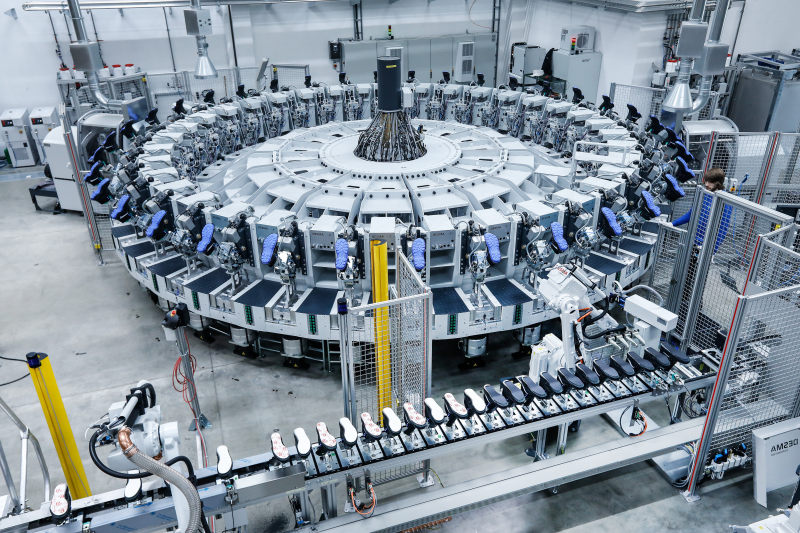
Variable frequency drives help you control motor speed and force. They change the frequency and voltage sent to the motor. This lets you set how fast your conveyor moves. You can also control how much force it uses. Using variable frequency drives stops material from spilling. They keep your process steady and safe. You can match conveyor speed to what you need. This gives you better control over your system.
Variable frequency drives let you set speed and force exactly.
You can change conveyor speed for each step in production.
These drives help stop damage and make work better.
You control motor speed by changing voltage and frequency.
Variable frequency drives are used in many places, especially conveyors.
Canroon makes advanced variable frequency drives for conveyors. Their drives work well and are easy to use with your system.
Why Use VFDs in Conveyor Systems
Variable frequency drives give you many good things for conveyors. They help lower shocks and keep machines safe. You get better control of motors, so parts last longer. These drives also save energy and money.
Variable frequency drives can save you 10% to 25% on energy. For example, a 40 HP motor can save about $2,686 each year. Canroon’s drives help you save money and keep your conveyor running well.
Key Selection Criteria for VFD for Conveyor
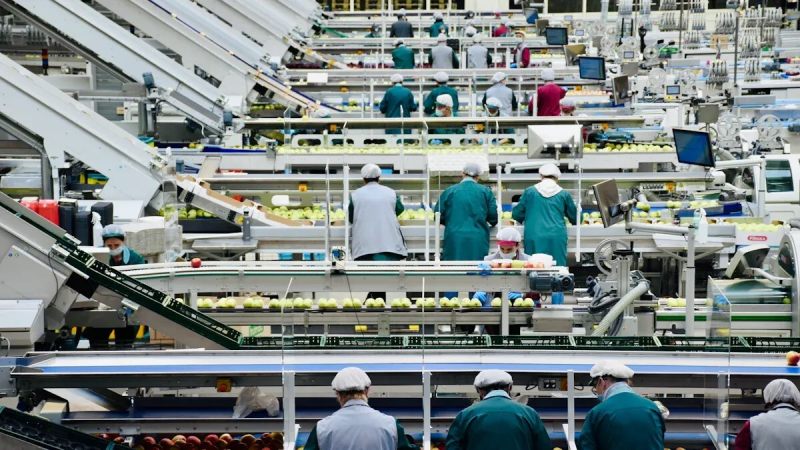
When you pick vfd drives for a conveyor, you must think about a few main things. You need to make sure the vfd for conveyor fits your motor, the load type, and how you want to use your system. This helps stop problems and keeps your conveyor running well.
Motor Horsepower and Voltage
Check the motor horsepower before choosing vfd drives. Horsepower shows how much power your motor needs. If the vfd for conveyor is too small, your system will not work right. If it is too big, you waste energy and money. Always pick vfd drives that match the motor’s highest current, especially if your conveyor starts and stops a lot.
Motor horsepower tells you what size vfd drives you need.
Match the vfd for conveyor to the motor’s highest current.
The right size lets vfd drives handle big loads and keeps things safe.
You also need to match the voltage. Most vfd drives work with common voltage levels. The table below shows normal voltage ranges for different conveyor jobs.
Medium-voltage vfd drives often use 660V or 1140V. These voltages help your conveyor stay steady in hard work places.
Tip: Always look at the motor nameplate for horsepower and voltage before picking the right motor and vfd for conveyor.
Load Type and Full Load Amperage
You need to know what kind of load you have. Most conveyors use constant torque loads. This means vfd drives must give strong torque at low speeds and handle heavy loads. The table below shows the difference between constant and variable torque loads.
Conveyors, augers, crushers, and extruders are all constant torque machines. If you use vfd drives for these, you need good overload protection.
You also need to check full load amperage (FLA). You can find this number on the motor nameplate. When you pick vfd drives, match or go a little over the FLA. If you use more than one motor, add all the FLA numbers and add 20-25% for safety. This helps vfd drives handle big power at startup and keeps your conveyor safe.
Find the FLA on the motor nameplate.
Match or go over the FLA when picking vfd drives.
Add extra for safety if you use more than one motor.
Speed Range and Control Needs
You want your conveyor to run at the right speed for your job. Different conveyors need different speed ranges. The table below shows common speed ranges for conveyors.
You need vfd drives that let you change speed easily. This helps you meet your work needs and keeps things steady. Good vfd drives let you control speed well, lower wear, and make things work better.
Control features are important too. You want vfd drives with closed loop control, overload protection, and quick response. These features help your conveyor run smooth and safe. Common control types are V/f control for simple jobs, Vector control for better control, and Direct Torque Control for advanced needs.
Easy speed changes help you work better and safer.
Closed loop control keeps your conveyor at the right speed.
Overload protection stops damage from heavy loads.
Quick response helps your conveyor handle changes fast.
Note: Pick vfd drives with Modbus or Ethernet/IP if you need to connect your conveyor to other systems.
If you focus on these main things, your vfd for conveyor will fit your motor, load, and job needs. This keeps your system working well and saves energy.
Sizing and Compatibility of VFD Drives
Matching VFD to Motor and System
You must pick vfd drives that fit your motor and conveyor. Always check the voltage, phase, and full load amperage. These numbers must match your motor’s needs. If you skip this, vfd drives might not work or could break your equipment. The table below shows how to match vfd drives to your system.
Some motors do not work well with vfd drives. Check the motor type, size, and insulation. If you use old motors, ask an expert before adding vfd drives.
Ensuring Proper Sizing
Sizing vfd drives right helps them work well. Follow these steps:
Get all motor details, like voltage and current.
Know your load needs. Decide if you need constant or variable torque.
Pick vfd drives based on the highest current your motor will use.
Make sure voltage and phase match your power supply.
Think about where you will put vfd drives. Hot or dusty places need special care.
Choose vfd drives with the right control features for your job.
Check for safety and rules.
Plan for future changes or bigger loads.
Canroon gives you tools to help with sizing. These tools check if your motor and vfd drives work together, look at your load, and help you plan your setup. You can also get help with installation and fixing problems.
Common Sizing Mistakes
People often make mistakes when picking vfd drives. Here are some common errors and how to avoid them:
Other problems can happen if you use vfd drives with old motors or systems. Sometimes, new vfd drives do not fit well with old equipment. Training helps your team learn how to use new vfd drives and avoid confusion.
Tip: Always use Canroon’s support tools and expert advice to avoid mistakes and keep your vfd drives working their best.
Installation and Integration Considerations
Environmental Factors and Enclosure Ratings
You need to keep vfd drives safe from tough places. Many things at work can hurt vfd drives. Watch out for these dangers:
Hot places can make vfd drives overheat and break.
Wet air can rust parts and cause short circuits.
Dust and dirt can block air and make vfd drives too hot.
Shaking can make wires loose or break pieces.
Strong chemicals can ruin the inside parts.
Pick the right enclosure rating for your vfd drives. The table below shows what each rating protects against:
If your job has lots of dust or water, use UL Type 4 vfd drives. These work inside and outside and can handle getting washed. NEMA ratings help you pick vfd drives that last longer and work better.
Tip: Clean filters and check wires often. This helps stop problems before they happen.
Communication and Automation Integration
You can link vfd drives to your control system with special protocols. This lets you change speed, see how things work, and fix problems fast. The table below lists some common protocols:
Many PLCs use Modbus to talk to vfd drives. This lets you send orders and get updates about problems or changes. Good communication helps you save energy and keep your conveyor safe.
Safety and Compliance
You must follow safety rules when putting in vfd drives. Always look for loose wires and keep the area clean. Too much heat, dust, or water can make vfd drives stop working. Use the right size and type of vfd drives for your motor. Never use vfd drives past their limits.
Watch for warning signs like odd sounds or heat.
Use breakers and surge protectors.
Teach your team to find problems early.
Doing these things keeps vfd drives safe and helps you save energy. You also keep workers and equipment safe.
You can find the best VFD for your conveyor by doing these things: First, know what kind of machine you have and how much torque it needs. Next, decide how fast you want it to go and how exact it should be. Then, check how much power it needs to start and where you will put it. After that, pick the control style and safety features you want. Also, think about how well it works, if it can handle extra load, and how it stays cool. Last, choose the right size and how you will set it up.
If you match your motor, load, and work area, you can stop many problems. Look at the table below for easy tips:
Most people get their money back in less than four years. Ask Canroon for help and good VFD choices.
FAQ
What is the most important factor when choosing a VFD for a conveyor?
You need to make sure the VFD matches your conveyor motor’s horsepower and voltage. This helps your conveyor work right and keeps it safe. Always check the motor nameplate before you pick a VFD.
How do I know if my conveyor needs constant or variable torque?
Look at what kind of load your conveyor moves. Most conveyors need constant torque to work well. If your conveyor moves heavy things slowly, you need constant torque. Fans and pumps use variable torque, but conveyors do not.
Can a VFD improve conveyor energy savings?
A VFD can help you save energy on your conveyor. You can change the speed to fit what you need. When your conveyor does not need full power, it uses less energy. This saves money and helps your equipment last longer.
What enclosure rating should I choose for my conveyor VFD?
Pick an enclosure rating that fits where your conveyor works. If your conveyor is in a dusty or wet place, use IP55 or NEMA 12. This keeps your VFD safe and working well.
How do I set up VFD controls for my conveyor?
Set up the controls for the speed and needs of your conveyor. Use closed loop control if you want very steady speed. Turn on overload protection to keep your conveyor safe. Always follow the instructions from the manufacturer for the best results.
Previous:
Next:
Sign up for updates