





You can pick the right inverter drive for your motor by making sure power, voltage, and current ratings match your motor controller. Good drive specifications help you save energy and make energy performance better. The best vfd for your motor keeps things efficient and protects inverter-duty rated motors. Canroon gives a reliable guide for choosing an inverter drive for your needs. Energy-efficient motor control solutions need the right size and setup.
Key Takeaways
Make sure the inverter drive fits your motor’s power, voltage, and current. This helps your motor work well and stay safe.
Find out if your load uses the same or changing torque. This helps you pick the right frequency inverter for your job.
Look at how much overload and how long the inverter drive can run. This stops it from getting too hot and keeps it working well.
Think about how fast you want your motor to go and what controls you need. This helps your motor save energy and work its best.
Use Canroon’s tools and ask experts for help. This helps you choose the right inverter drive and not make mistakes.
Understanding Inverter Drives
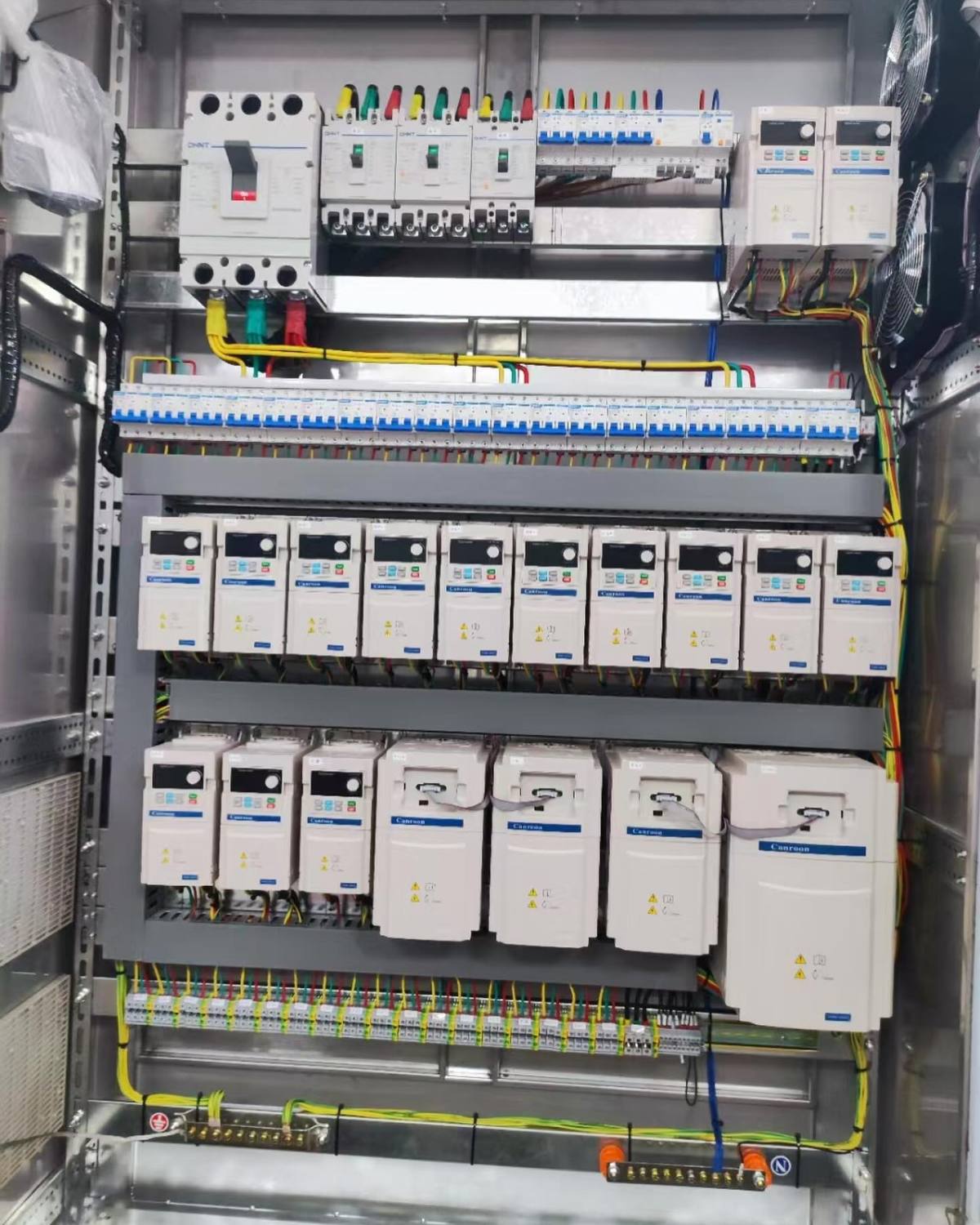
What Is an Inverter Drive
An inverter drive helps you change how fast your motor runs. It turns direct current into alternating current with different frequencies. This lets you set the motor speed to fit what you need. The table below shows what an inverter drive can do:
This guide explains how these features make your system better.
Benefits for Motor Applications
Using an inverter drive with your motor gives you many good things. You can control how fast the motor goes and save energy. Here are some main benefits:
Set motor speed exactly
Start and stop motors smoothly
Use less energy
Put less stress on parts
Make process control better
You save energy by making the motor speed match the load. For example, in pumps, you can slow down the motor when you do not need full power. This saves money and makes things work better.
Tip: A variable frequency drive can help your equipment last longer by stopping too much wear.
Variable Frequency Drive (VFD) Overview
A variable frequency drive, or VFD, is a common way to control motors. There are different kinds of VFDs used in factories. The main types are:
Voltage-source inverter drive topologies
Current-source inverter drive topologies
Six-step inverter drive topologies
Load commutated inverter drive topologies
Cycloconverter or matrix converter topologies
Doubly fed slip recovery system topologies
Each kind has its own features for how it works and controls things. Pick a VFD that fits your job and speed needs. This helps your system work well and stay efficient.
Motor Compatibility and Specifications
Power, Voltage, and Current Ratings
You have to check power, voltage, and current ratings first. These numbers help you pick the right inverter drive for your motor. If you do not match them, you lose energy and efficiency. Look at the table below to see common ratings for motors:
Always check the motor nameplate for these values. This step is important for every job. Matching the ratings helps you save energy and protect your equipment. It also makes sure the motor inverter works well in your automation system.
Motor Type and Frequency
You need to know what kind of motor you have. It can be single-phase or three-phase. This choice changes what you need for your vfd selection guide. The motor frequency matters too. Most motors run at 50 Hz or 60 Hz. You must match the frequency to your job and the power supply.
Single-phase motors need special motor inverters.
Three-phase motors work with most vfd selection guide options.
The frequency must fit your job and automation needs.
Always check the motor speed range. Some jobs need a wide speed range. Others need only a small change. The right motor inverter gives you good performance and energy savings.
Ensuring VFD Compatibility
You must make sure your vfd selection guide fits your motor and job. Many problems can happen if you do not check the details. The table below shows common issues and what they mean for your automation system:
Always use a vfd selection guide to check these points. This helps you avoid problems in your job. You save energy and protect your motor inverter from harm. You also make automation better and keep your system working well.
Tip: Always check what your job needs before you pick a motor inverter. This step helps you get the best energy savings and performance.
Load Types and Application Needs
Constant vs. Variable Torque Loads
You need to know your load type. It can be constant torque or variable torque. This choice changes how you pick a frequency inverter. Constant torque loads need the same torque at every speed. Conveyors, crushers, and mixers are examples. Variable torque loads change torque as speed changes. Fans and pumps are common variable torque loads.
The table below shows the main differences:
You must match the frequency inverter to your load type. If you pick the wrong one, your motor can get damaged or waste energy. Constant torque jobs need a frequency inverter that handles higher overloads. Variable torque jobs can use a frequency inverter with lower overload ratings.
Application-Specific Requirements
Every job has its own needs. You should look at these points when picking a frequency inverter:
Load Types: Decide if your load is constant torque or variable torque.
Control Methods: Pick the right control method for your job. Some jobs need simple speed control. Others need advanced features.
Key Parameters: Check the motor size, voltage, and how the equipment will run. Make sure the frequency inverter matches these needs.
For example, a conveyor in a factory needs a frequency inverter for constant torque. A pump in a water system needs a frequency inverter for variable torque. You must also think about how often you start and stop the motor. Some jobs need many starts and stops each hour. Others run for long periods without stopping.
Note: Always check the job site and talk to your team before you pick a frequency inverter. This step helps you avoid mistakes.
Choosing the Right Inverter Drive for Different Loads
You can use real examples to help you pick the right inverter drive. Here are some common cases:
Fans: These use variable torque. Pick a frequency inverter for variable torque loads. This saves energy and reduces wear.
Pumps: Most pumps use variable torque. A frequency inverter for variable torque works best.
Conveyors: These need constant torque. Use a frequency inverter that handles constant torque and higher overloads.
Some special jobs, like elevators, need careful selection.
You must always match the frequency inverter to your load type. Constant torque loads need a frequency inverter with higher overload capacity. Variable torque loads can use a frequency inverter with lower overload ratings. This keeps your motor safe and your system efficient.
Tip: If you do not know your load type, check the equipment manual or ask an expert. Picking the right frequency inverter helps you save energy and avoid expensive repairs.
Overload and Duty Cycle Considerations
Overload Capacity
You need to look at overload capacity when picking an inverter drive. Overload capacity means how much extra current your system can take for a short time. Some jobs, like conveyors and pumps, can have sudden heavy loads. For these jobs, you should get an overload capacity of at least 150% for one minute. This helps keep your equipment safe when things get tough. If you choose a drive with low overload capacity, your system might stop or break.
Duty Cycle Matching
Duty cycle means how long your motor works compared to how long it rests. Some motors run all day. Others start and stop many times. You must match the duty cycle of your job to the vfd you pick. If your motor works for a long time, you need a drive for nonstop use. If your system starts and stops a lot, pick a drive that can handle this. Always check the maker’s rules for duty cycle ratings.
Tip: When you match the duty cycle, your system works better and your equipment lasts longer.
Impact on Inverter Drive Selection
Overload capacity and duty cycle both matter when you pick an inverter drive. If you do not check these things, your motor can get too hot, stop, or break. You should always think about what your job needs before you choose. Make a list of your load type, how much overload you expect, and how often your system runs. This helps you pick the right drive and avoid big problems.
If you choose the right inverter drive for these things, your system will work well and stay safe.
Speed and Control Features
Speed Range Requirements
You should think about how fast your motor needs to go. Many jobs need motors to run at different speeds. A vfd lets you change the speed easily. You can make the motor go slower or faster than normal. This helps you match the speed to your work. If you run the motor very slow, it can get hot. You may need a cooling fan to keep it safe. If you want to go faster than normal, you can go up to 20% more. But the torque will drop, so check with the motor maker first. Some jobs need a big range of speeds. For these, use an inverter-rated motor. If you need strong torque at low speeds, add a gearbox to help the drive.
VFDs let motors run slower or faster than normal.
Motors can get hot at low speeds; use cooling fans.
Big speed ranges need inverter-rated motors.
Gearboxes help with tough low-speed jobs.
Control Options for VFDs
You have lots of ways to control your motor. A vfd lets you set the speed exactly. You can save energy by matching speed to the load. Soft start and stop keeps your equipment safe. You can use vfds with single-phase or three-phase motors. Advanced protection keeps your system safe. Many vfds have controller logic built in. You can pick small designs for tight spaces or strong designs for tough jobs.
Exact speed control
Save energy
Soft start and stop
Works with single and three-phase motors
Advanced protection
Built-in controller logic
Small and strong options
Advanced Features for Motor Control
Modern inverter drives have special features for your jobs. You can use PID control to keep pump pressure steady. Built-in PLC lets you automate tasks without extra parts. STO safety inputs help keep people safe. Fieldbus connects your drive to other systems. Brake control helps stop and hold loads in place.
Tip: Pick the features that fit your job. This helps you get good performance and safety from your inverter drive.
Environmental and Installation Factors
Ambient Conditions
You need to check where you put your inverter drive. Hot places can make it overheat. Wet air can cause rust. Dust can block vents and hurt parts inside. Put your inverter drive in a clean and dry spot. If your factory has lots of dust or water, use extra covers. Always read the maker’s rules for the best temperature and humidity.
Tip: Keep your inverter drive out of sunlight and away from shaking. This helps your equipment last longer.
Enclosure Ratings
Enclosure ratings tell you how well your inverter drive stays safe from dust and water. Pick a drive with the right rating for your job. In factories, IP23 is a common rating. This rating keeps out dust and water very well. You also get an EMC filter inside for 3C3 places. The table below shows what these enclosures do:
If your job is tough, pick a drive with a high rating. This keeps your equipment safe and working well.
Space and Mounting
You need enough room to put your inverter drive. Leave space for air to move and for fixing things. Small spaces can make it too hot. Put the drive on a flat and strong surface. Do not put it near hot things or moving parts. Use the right brackets and follow the rules for mounting. Good mounting stops shaking and keeps your drive safe.
Leave space for air and easy fixing.
Mount on a strong, flat place.
Stay away from heat and shaking.
Note: Planning space and mounting helps you avoid trouble and makes fixing things easier.
Avoiding Common Mistakes
Ignoring Motor Specs
You must check your motor specs before picking an inverter drive. Some people only look at kW and forget other important numbers. Always check the current rating first. The motor nameplate shows the right numbers you need. If you skip these specs, your motor can get too hot or not work well. Match the drive to the motor’s voltage and current. This keeps your system safe and working right.
Tip: Always read the motor nameplate when choosing a vfd. This helps you avoid common vfd selection mistakes.
Overlooking Load and Environment
You must think about the load type and where you use the drive. Some people forget if the load needs constant or variable torque. Fans and pumps need different drives than conveyors. Not checking braking energy can cause problems with fast stops. Hot places can make drives fail if you pick the wrong size. Dust, moisture, and shaking also change how the drive works. Pick a drive with the right enclosure rating for your site.
Frequent errors include:
Ignoring load type
Not checking braking energy
Picking drives too small for hot places
Incorrect VFD Sizing
Sizing your vfd right is very important. Buying the cheapest drive without checking overload margin can cause breakdowns. Never pick a drive just because it costs less. Make sure the drive can handle extra current during heavy loads. Use the manufacturer’s guide to check overload capacity. Leave space for cooling and fixing things. A well-sized drive lasts longer and keeps your motor safe.
Remember: Careful picking stops expensive repairs and downtime.
Canroon Support and Resources
Technical Consultation
You can get help from Canroon when you need to choose the right inverter drive. The team at Canroon gives you expert advice. You can ask questions about your project. You can share your motor details and your application needs. The experts listen to your requirements. They help you find the best solution for your system. You get answers quickly. You avoid mistakes that can cost money or time.
Tip: You can contact Canroon for technical support before you buy. This helps you make smart choices and keeps your equipment safe.
Canroon also helps you after you buy. You get after-sales service. If you have trouble with installation or setup, you can ask for help. The support team guides you step by step. You learn how to use your inverter drive the right way. You keep your system running smoothly.
Note: Canroon gives you resources and expert help. You get the right drive for your motor and your application.
You can choose the right inverter drive for your motor by following a few simple steps:
Match the drive to your motor’s power.
Identify the load type for your application.
Check the overload rating.
Think about the speed range you need.
Look at acceleration and deceleration needs.
Review the environment where you will install the drive.
Decide which control features you want.
Always match your equipment to your needs. If you have questions, reach out to Canroon for expert help.
FAQ
How do you know which inverter drive fits your motor?
Check your motor’s nameplate for power, voltage, and current ratings. Match these numbers to the inverter drive. You can contact Canroon’s team for quick help.
Can you use one inverter drive for different motor types?
You need to pick an inverter drive that matches your motor type. Some drives work with both single-phase and three-phase motors. Always check compatibility before you buy.
What happens if you choose the wrong inverter drive size?
If you pick a drive that is too small, your motor may overheat or stop working. A drive that is too big wastes energy. Always size your drive to match your motor.
Do inverter drives help save energy?
Yes! Inverter drives let you control motor speed. You use less power when your motor runs slower. This saves energy and lowers your electric bill.
Sign up for updates