




You use induction preheating to make heat inside metal parts. This happens by using electromagnetic induction. The process gives you even heating. This helps keep quality steady and lowers the chance of problems. Induction preheating lets you control temperature very well. You can stop distortion and get better results. Induction preheating works much faster than old ways. This helps you do more work and have less waiting time. Many industries use induction preheating for quick and accurate results. They also get the same results each time. Canroon is a leader in giving advanced induction heating solutions for your industrial needs.
Key Takeaways
- Induction preheating uses electromagnetic induction to heat metal parts fast and evenly. This helps make better products and lowers mistakes.
- This method saves energy and time. It lets factories work faster and spend less money than old heating ways.
- Induction heating is safer because it does not use open flames or hot surfaces. This lowers the chance of burns and fires at work.
- It controls temperature well, so results stay the same each time. This makes induction preheating great for jobs like welding and stress relief.
- Canroon gives strong induction heating solutions. These work with many metal shapes and sizes. This helps companies get good results.
Induction Preheating Overview
Definition and Purpose
Induction preheating is used to warm up metal parts before working on them. This method uses coils that go around or on the metal. The coils make a magnetic field. The metal gets hot from inside because of this field. You do not need to use fire or touch the part with something hot. Induction heating gives quick and even heat. People use it for things like welding and stress relief. Preheating metal helps stop cracks and makes welds stronger. It also saves energy since induction heating is clean and works well.
Tip: Induction preheating lets you get the same results each time. You can set the temperature and stop the metal from getting too hot or too cold.
Industrial Relevance
Many industries use induction preheating for important jobs. You see this technology in energy, building, and repair work. For example, workers preheat conductors and fittings in power lines. They also heat tower bases to help concrete dry the right way. In repairs, induction makes sure joints stay strong. Teams who clear snow and ice use induction to keep power lines safe in winter.
Induction heating is now more common because it is safe, clean, and fast. You do not need open flames, so the workplace is safer. Induction does not make smoke or pollution, so it helps the environment.
Canroon Solutions
Canroon gives advanced induction heating solutions you can trust. Canroon makes systems for many kinds of industrial jobs. Their equipment lets you control the heat and works with different metal shapes and sizes. You get good results if you need to preheat for welding, stress relief, or other work. Canroon’s induction heating helps you stay safe, save energy, and do high-quality work.
Induction Heating Science
Electromagnetic Induction
You use electromagnetic induction to create heat in metal parts without touching them. This process started with Michael Faraday’s discovery. When you run an alternating current through a coil, it makes a changing magnetic field. If you place a metal part inside this field, the field goes into the metal. The changing field causes electric currents to flow inside the metal. These are called eddy currents. Induction heating uses this science to warm up parts quickly and safely. You do not need flames or direct contact, so you get better control and less risk.
Eddy Currents and Heat Generation
Eddy currents play a big role in induction heating. Here is how they work:
- When you put a metal part in a fast-changing magnetic field from an induction coil, eddy currents form inside the metal.
- These currents move through the metal’s resistance and turn electrical energy into heat.
- This process is what makes induction heating so effective for preheating.
Eddy currents also create their own magnetic field. This field pushes against the original field from the coil. Because of this, most of the heat forms near the surface of the metal. The deeper you go, the weaker the effect. You get fast and even heating where you need it most.
Efficiency Factors
You want high efficiency in your induction heating system. Many things can change how well your system works. Look at this table to see the main factors:
Induction heating systems can reach energy efficiencies of 90-92%. You get much better results than with gas-fired systems, which only reach 35-55%. When you use induction, you save energy, heat parts faster, and get more control over your process.
Induction Heating Process
System Components
You need a few main parts to run induction heating. Each part helps you heat metal fast and safely without fire. Here are the important parts:
- Induction heating coils make the electromagnetic field. You put these coils around or near the metal part.
- Power supply gives electricity to the coils. This power makes the magnetic field strong and steady.
- Workhead or inductor sends energy into the metal. It starts the heating and gives heat to a small area.
- Cooling system keeps the equipment safe. It takes away extra heat from the coils and electronics so nothing gets too hot.
- Induction blankets or cables go around pipes, flanges, or joints. These tools help you heat big or strange-shaped parts.
- Closed-loop temperature control lets you pick and keep the right temperature. You can control the heat and stop overheating.
- Multi-zone monitoring checks the heat on large parts. You make sure the heat is even all around.
- Control system gives you digital controls, sensors, and timers. You set power, frequency, and time for accurate heating.
Note: You need to know what each part does and how it works. Training helps you use the system safely and get the best results.
Step-by-Step Process
You follow simple steps to use induction heating. This way, you get fast, energy-saving, and safe heating. You heat only the spot you want. Here is what you do:
- Put the induction coil or blanket around the metal part. Make sure the coil fits well for good heating.
- Set the power supply and control system. Pick the right frequency and power for your job.
- Start the induction heating. The coil makes a magnetic field. The metal part heats up from the inside.
- Use closed-loop temperature control. Sensors check the heat and change power to keep it steady.
- Watch the multi-zone monitoring system. You see if the heat stays even all around the part.
- Finish the job. You can start on the next part right away. Induction tools do not need to cool down.
Induction heating gives you many benefits. You heat parts up to ten times faster than old ways. Setup takes only twenty minutes for each joint. You do not wait for warm-up or cool-down. You heat without fire, so it is safe and clean. You save energy and get better efficiency. You can finish work on time and keep production moving.
Tip: Induction heating lets you use preset temperature plans and real-time feedback. You get controlled heat and accurate results every time.
Heat Control and Uniformity
Induction heating lets you control heat better than other ways. You set the exact temperature you want. The system keeps the heat even and in one spot. You do not get hot or cold spots. You get the same results every time.
- Closed-loop temperature control uses sensors to check the heat. The system changes power to keep the temperature steady.
- Multi-zone monitoring helps you keep even heat on big parts. You stop uneven heating and bending.
- Induction heating gives you heat only where you need it. You protect the rest of the part from damage.
- The process does not use fire. You can work safely in small or risky places.
- You get energy-saving heating. You use less power and save money. You help the environment by making less waste.
Note: You must train workers to use induction heating equipment. Training shows how to set up the system, use controls, and follow safety rules. Workers learn to wear safety gear and handle emergencies.
Induction heating gives you fast, safe, and accurate heat. You get even results and high efficiency. You can trust induction heating for all your industrial jobs.
Traditional Heating Comparison
Conventional Methods
There are many ways to heat things in factories. Each way works differently. Here are some common ways:
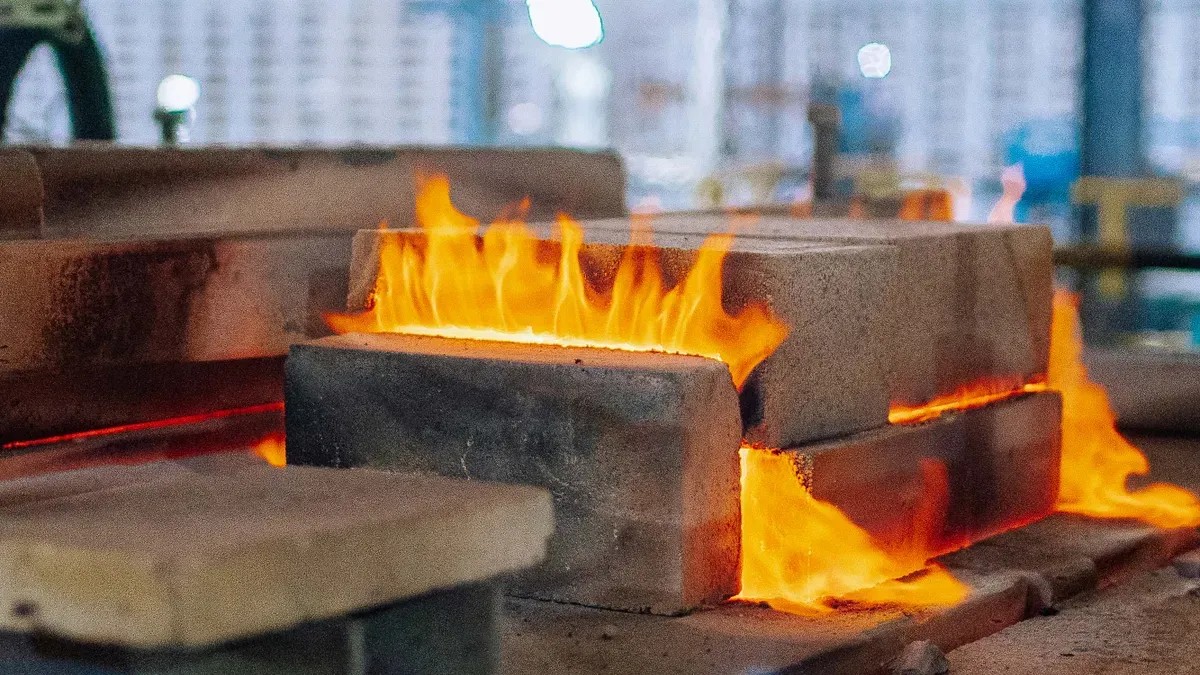
- Combustion or fuel-based heaters burn oil, gas, coal, or wood chips to make heat.
- Electric process heaters use resistive elements to warm up stuff in tanks or pipes.
- Heat recovery and exchange systems move heat from one job to another.
- Boilers make steam by burning fuel, often used in big buildings.
- Thermal fluid heating systems use special liquids to carry heat at high temperatures.
- Hybrid systems mix fuel and electric power for better heating.
These ways can make smoke, noise, and pollution. Open flames and hot surfaces can be dangerous.
Induction Preheating Advantages
Induction heating has many good points over old ways. It heats things faster and saves energy. Check this table to see the main benefits:
You also get:
- Faster heating times. Induction heating makes things hot in seconds or minutes.
- Precise temperature control. You pick the heat you want and keep it steady.
- Uniform heating. Induction heats from the inside, so you do not get hot spots or bent parts.
Induction heating does not make direct pollution. You work in a place that is quieter and cleaner.
Safety and Productivity
Induction heating makes your workplace safer. You do not have open flames or hot surfaces. This lowers the chance of burns or fires. Workers stay safe and the environment is better.
- No open flames or hot surfaces.
- Less chance of accidents like fires or burns.
- Safer for everyone.
You also get more work done. Induction makes jobs like girth welds and repairs go faster. You finish work sooner and use less energy. Maintenance costs are lower because induction systems have fewer moving parts.
Tip: Induction heating helps you reach the right temperature fast. You wait less and get more work done.
Induction gives you a safer, faster, and better way to work. You help your team and the planet.
Induction Preheating Applications
Welding and Bakeout
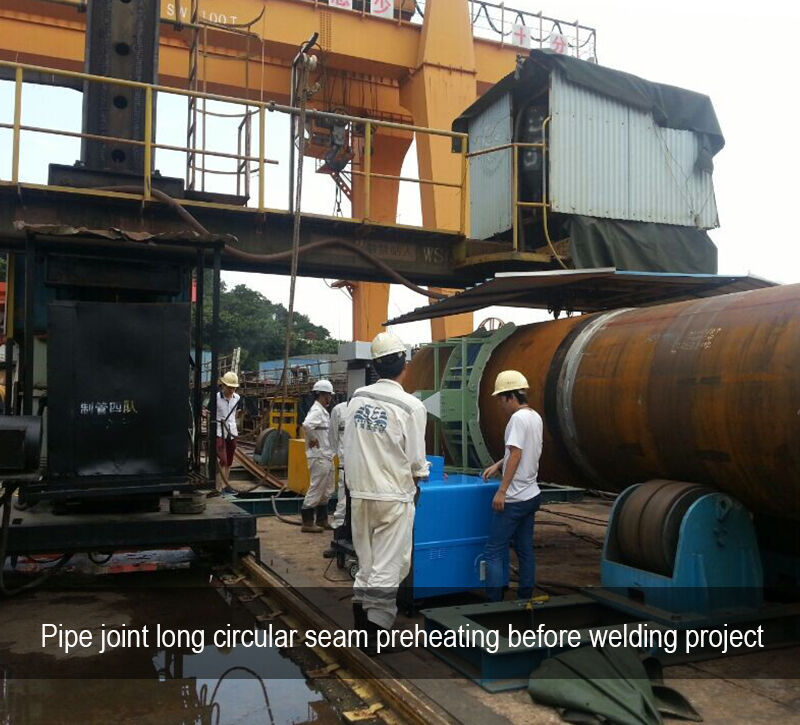
Induction heating is used in many factories. It is important for welding and bakeout jobs. When you weld metal, you must heat it before and after. Induction preheating stops cracks and problems. It keeps metal from bending or changing shape. In oil and gas work, induction is used to preheat welds and do hydrogen bakeout. This step lowers the chance of hydrogen cracks. You let the weld cool slowly to keep it strong. Induction makes work safer and cleaner. You do not use open flames. The coil stays cool, so burns are not a worry. You set up the system fast and heat metal much quicker than old ways. You get the same results every time.
Tip: Induction heating lets you finish welding jobs faster and with better quality.
Stress Relieving
Induction preheating helps relieve stress in metal parts. This is important in factories where you want parts strong and safe. Induction gives even heat and stops uneven stress. You finish jobs faster and save energy costs. You can use induction for many shapes and sizes. The system is simple and keeps your team safe. Look at the main benefits in the table below:
Industry Use Cases
Induction preheating is used in many industries. In pipeline building, you preheat pipes before welding. In power plants, induction is used for stress relief and bakeout. Shipyards use induction to heat big metal plates and joints. You also see it in railways, mining, and heavy equipment repair. Induction works well in factories because it heats parts fast and evenly. You get better quality and save time on every job.
Note: Induction preheating helps you meet strict industry standards and keeps your workplace safe.
You get lots of benefits from induction preheating in factories. This method heats metal fast and evenly. It saves both time and energy. You can control the temperature very well. Your products stay strong and last longer. Canroon’s solutions help you work quickly and safely. You see less waste and spend less money. The process does not make smoke or bad gases, so you help the environment.
- Rapid heating helps you finish work faster.
- Precise control keeps your products good.
- Cleaner operation makes your workplace safer.
FAQ
What is induction preheating?
Induction preheating warms up metal parts before you work on them. It uses electromagnetic fields to make heat inside the metal. You get quick, safe, and even heating without touching the part.
How does induction preheating improve safety?
Induction preheating does not use open flames or hot surfaces. This makes burns and fires less likely. You work in a place that is cleaner and safer.
Can you use induction preheating for different metals?
You can use induction preheating on many metals like steel, copper, and aluminum. You change the system to fit the metal’s type and shape. This helps you get good results every time.
How do you control the temperature during induction preheating?
You use sensors and digital controls to pick the right temperature. The system checks the heat and changes power by itself. You always get steady and correct heating.
Sign up for updates