




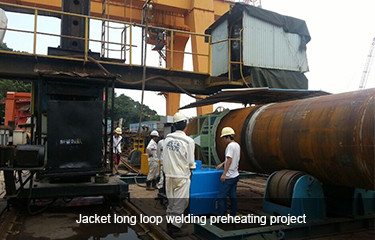
You want to pick the best induction preheater for your job. You need a machine that works with your materials and tasks. In 2026, many industries care about saving energy and using new technology. Companies want heating tools that help the planet and use less power. Trusted brands like Canroon give you good advice and products you can trust for these needs.
Key Takeaways
Pick an induction preheater that fits your material and job. This helps you get better results. Think about the size and shape of your workpiece. This helps you choose the right power and frequency. Check for safety features like cool-touch coils. These keep your workplace safe. Choose models that use less energy. This saves money and helps the environment. Take care of your induction preheater often. This helps it work well and last longer.
Application Needs
When you pick an induction preheater, it should fit your job. First, think about what you need it to do. This helps you get good results and stops problems later.
Material Requirements
You need to know what material you will heat. Different metals and alloys act differently with induction heating. Some get hot fast, but others heat up slowly. Some materials need special care, like coatings or treatments.
Tip: Always check the material type before you choose an induction preheater. This helps you pick the right power and frequency.
Here are some important things to think about:
Material type (steel, aluminum, copper, etc.)
How deep the heat needs to go
What frequency you need
How much power you need
How much hotter you want it to get
Coil design
How well the coil fits the part
What your building needs
Any extra heating needs
Your team’s experience with induction heating
Workpiece Size & Geometry
The size and shape of your workpiece matter for heating. Big or thick parts need more power and deeper heat. Small or thin parts heat up faster and use less energy. Odd shapes or tricky designs may need special coils.
You can look at different models for different sizes. For example:
If you work with big parts, you might need a model like the KQDC-60. This model gives you lots of power and can run for a long time. For small parts, you can use a smaller induction preheater.
Heating Depth & Temperature Rise
You need to know how deep the heat should go. The heating depth changes with the material and frequency. Low frequencies give deeper heat. This is good for big parts or when you need heat all the way through.
The penetration depth is how far the current goes before it drops to about 37%. This depends on how long you heat, the material, and the frequency. If you need deep heat, pick a machine with a lower frequency.
You also need to think about how fast you want it to get hot. Induction heating can reach the right temperature in 15 to 20 minutes for most jobs. For quick fixes or repairs, you can get the heat you need in just 5 to 10 minutes.
Note: Always check the temperature rise and heating time you need for your job. This helps you pick the right induction preheater and stops overheating or wasting energy.
By thinking about your material, workpiece size, and heating needs, you can pick an induction preheater that fits your job. This planning helps you save time, energy, and money.
Induction Preheater Specs
Power & Frequency
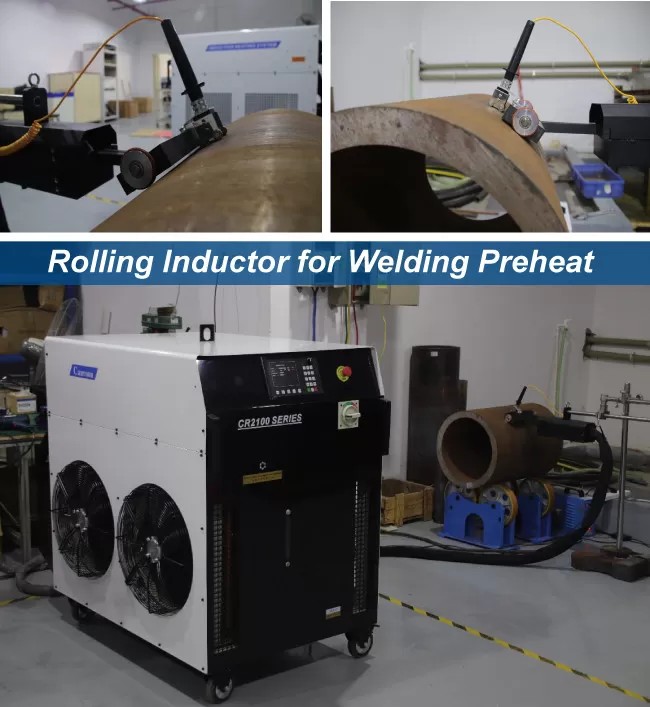
You need to match the power and frequency of your induction preheater to your job. Power tells you how much heat the machine can deliver. Frequency controls how deep the heat goes into the material. If you pick the wrong settings, you may not get the results you want.
Here is a table that shows the best frequency ranges for different jobs:
Tip: If you need deep heat for big parts, choose a lower frequency. For surface jobs, use a higher frequency.
You should check the power rating before you buy. High power helps you heat large or thick parts. Low power works for small or thin pieces. Always look at your material and job size to pick the right induction preheater.
Coil Design
Coil design changes how well your induction preheater works. The coil is the part that sends heat into your workpiece. You need to think about the type of coil, the tubing, and how many turns the coil has. The space between the coil and your part also matters.
If you use copper tubing, you get better cooling. Multi-turn coils help heat big parts, but they can make heating less even. The distance between the coil and your workpiece affects how much heat goes in. If the coil is too far, you lose heat. If it is too close, you may overheat the surface.
Note: Always match your coil design to your workpiece shape and size. Good coil design saves energy and gives you better results.
Heating Capacity
Heating capacity tells you how much heat your induction preheater can give. You need enough capacity to reach your target temperature. If you pick a machine with low capacity, you may not finish your job on time. High capacity helps you work faster and handle bigger tasks.
You should check the maximum temperature and duty cycle. The duty cycle shows how long the machine can run without stopping. If you need to heat many parts in a row, pick a model with a high duty cycle. Some machines can run all day without a break.
Callout: Always check the heating capacity before you buy. This helps you avoid delays and keeps your work moving.
When you match power, frequency, coil design, and heating capacity to your needs, you get the best results from your induction preheater. You save energy, work faster, and get even heating every time.
Safety & Efficiency
Safety Features
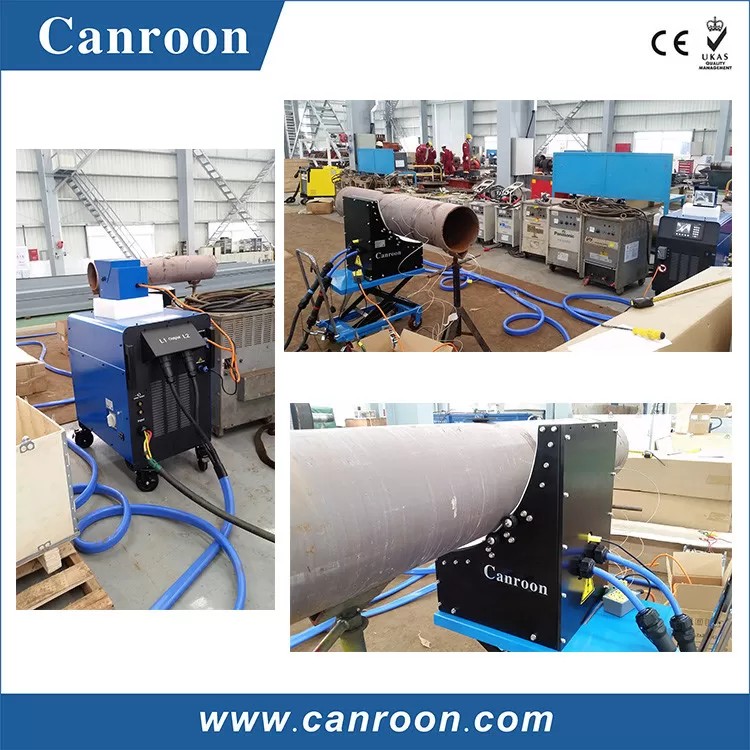
You want your workplace to be safe. Modern induction preheaters have safety features to protect everyone. These features are very helpful:
Induction heating does not use open flames. This means there is less chance of fire at work.
The coils stay cool when the machine runs. Workers, like welders, are less likely to get burned or hurt.
Tip: Always look for these safety features before picking a machine. They help stop injuries and keep your shop safe.
Energy Efficiency
You can save energy and money with the right machine. Induction preheaters use energy better than old heating tools. Here is how they compare:
Induction cooktops use about 85% of their energy well.
Gas stoves only use about 32% of their energy.
Induction technology wastes less energy than gas heating.
You help the planet and save money when you pick an energy-efficient induction preheater.
Smart Controls
Smart controls make your job easier and more exact. Zone-controlled induction heating lets you set different temperatures in different spots. You can use separate coils and power for each zone. This helps stop problems like cross-talk when coils are close.
Smart controls help you get better results and make your work easier to repeat.
Practical Considerations
Space & Installation
Think about where you will put your induction preheater. Some machines are big and need lots of space. Others are small and fit in tight spots. Measure your work area before you buy anything. Make sure there is enough room for the machine and for people to walk around it. Check if you need special fans or cooling systems. Some models use air cooling, so you do not need water pipes. Always make sure you can reach the controls and the workpiece easily.
Tip: Put your machine close to where you work. This saves time and helps your work go smoothly.
Portability
If you work in many places, you need a machine you can move. Portability lets you take the preheater to different jobs or spots in your shop. Many field jobs, like weld preheating, need you to bring the machine to the work. Portable systems, like Canroon CR2000 Heating System, let welders control preheating right at the job site. This helps you work faster and saves money.
You can preheat joints on-site in 20 minutes or less.
Welders can use the welding power they already have, so you do not need to hire other heat treat companies.
On-site control helps you finish jobs quickly and keeps costs down.
A portable induction preheater gives you more choices and helps you finish work on time.
Power Supply
You need to check if your power supply matches your machine. Big machines need strong and steady power. Some models work with special power sources.
Some power supplies, like the SOLO Air, work well with certain heat stations and support many frequencies. Always check the manual or ask the seller if you are not sure.
Note: The right power supply keeps your induction preheater safe and strong.
Vendor & Model Comparison
When you compare vendors for your induction preheater, you want to make a smart choice. You should look at more than just the price. Focus on quality, support, and long-term value.
Quality & Reliability
You can use these steps to check if a vendor offers high quality and reliable machines:
Look at the technology and see if the controls use new features like IoT or AI for easy maintenance.
Check how much energy the machine uses and if it saves power.
See if you can change the machine to fit your job.
Find out if the machine works well for a long time, even in tough places.
Ask about technical support, training, and spare parts.
Compare the cost to the savings and extra work you can do.
Make sure the machine meets safety and industry rules.
Read reviews and see if the company has a good history.
Tip: A good vendor helps you work better and saves you money over time.
Brand Support (Canroon)
You want a brand that stands by you. Canroon gives you expert advice and strong support. They help you pick the right machine for your needs. Canroon also offers training and answers your questions quickly. Many users trust Canroon because they keep their machines running and help solve problems fast.
Warranty & Service
Warranty and service plans can be very different. Some companies give you a short warranty, while others offer longer coverage. Here is a table to help you compare:
Reiff gives a five-year warranty, which is much longer than the usual one-year plan. They also sell directly to users, which can lower your costs. Always check what each vendor offers for service and support before you buy.
Cost of Ownership
Purchase Price
You need to look at the price before you buy an induction preheater. The cost can change based on the power, size, and features. Some machines cost more because they have smart controls or higher heating capacity. You should compare models and see what fits your budget. A higher price sometimes means better quality or longer life. You can use a table to compare prices and features:
Tip: Always check what is included in the price, like coils or extra safety features.
Maintenance
You need to keep your induction preheater in good shape. Regular cleaning and checking help the machine last longer. You should look at the coil and cooling system often. If you see damage, fix it right away. Some brands offer easy-to-replace parts, which saves you time and money. You can ask the vendor about service plans or support.
Clean the coils every month.
Check for loose wires or parts.
Replace worn-out parts quickly.
Note: Good maintenance lowers repair costs and keeps your work safe.
Energy Use
You want a machine that saves energy. Induction preheaters use less power than old heating tools. You can see big savings on your electric bill. Energy-efficient models help you spend less over time. You should look for machines with high efficiency ratings. Some models show you how much energy you use each day.
Energy-efficient machines lower your costs.
Smart controls help you use only the power you need.
You help the planet by using less energy.
Callout: Choosing an energy-saving induction preheater helps your business and the environment.
Sourcing & Maintenance
Where to Buy
You can get induction preheaters from trusted sellers. Some brands, like Canroon, sell them on their own websites. You might also find these machines at trade shows or from local shops. Always check if the seller gives you help and training. This makes it easier to use your machine and keeps you safe.
Tip: Ask to see a demo before you buy. You can watch how the machine works with your materials.
Maintenance Tips
You need to take care of your induction preheater so it lasts longer. Here are some easy tips:
Clean and sort your charge materials. Make sure there is no dirt or anything that can cause trouble.
Preheat your materials with waste heat or a special unit. This saves energy and helps you work faster.
Check the furnace lining often. Fix any damage to stop heat loss and keep things safe.
Look at the electrical system, coil, and cooling water system often. Fix problems quickly to save energy.
Teach your team how to save energy and use the machine the right way.
Callout: Taking care of your machine helps it last longer and keeps your work safe.
Future-Proofing
You want your induction preheater to work well for a long time. Some features help you get ready for new technology. Look for these things when you pick a machine:
Note: Picking a future-ready machine helps you save money and keeps you ready for new changes.
You can find the right induction preheater by doing a few things. First, pick the wattage that fits your workpiece. Next, choose the frequency that matches the part size. Make sure the cooling system is strong. Pick controls that are simple to use. Always check for safety features. Go with brands that people trust.
If you match your needs with the right machine, you get lots of good things:
If you need help, ask trusted brands like Canroon for advice.
FAQ
What is an induction preheater used for?
You use an induction preheater to heat metal parts before welding, forging, or coating. This helps you get better results and makes your work safer.
How do I know what power level I need?
Check the size and type of your workpiece. Bigger or thicker parts need more power. You can ask your vendor for help if you are not sure.
Can I use one machine for different materials?
Yes, you can use one induction preheater for many metals. You may need to change the coil or settings for each material. Always check the manual.
How often should I maintain my induction preheater?
You should check and clean your machine every month. Look for loose wires, dirt, or worn parts. Regular care keeps your machine safe and strong.
What safety features should I look for?
Look for cool-touch coils, automatic shut-off, and overheat protection. These features help you avoid burns and keep your team safe.
Previous:
Next:
Sign up for updates