




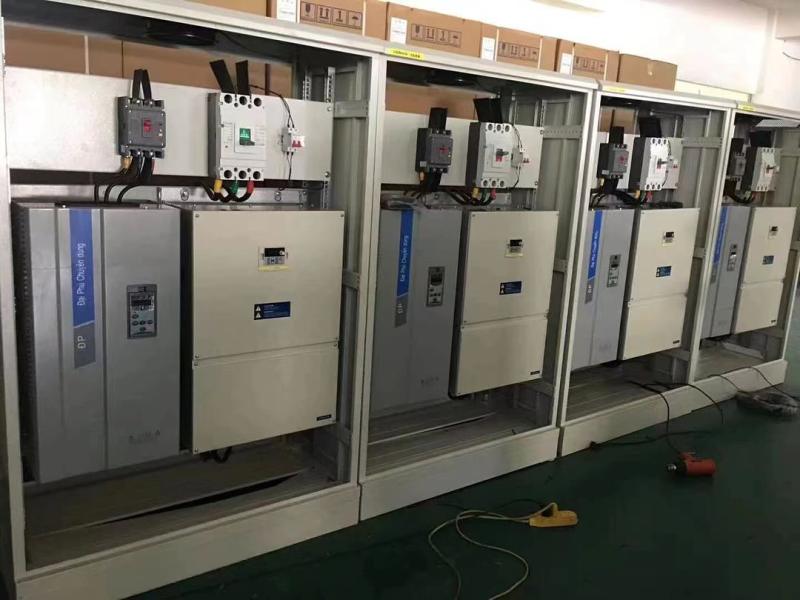
You should pick the best vfd drive by making sure it fits your motor and what you need it for. This choice changes how much energy you use and how well your system works. VFDs help save energy in pumps and fans by changing how fast the motor goes. They do not use mechanical dampers.
Picking the right drive helps you save more energy.
Knowing your motor type and how much work it does helps you pick the right size.
Making sure it works with your voltage and frequency stops problems.
Think about what you need now and what you might need later to make the best choice.
Key Takeaways
Pick a VFD that fits your motor’s needs. This helps keep things safe and working well. Think about what you need now and later when you pick a VFD. This can help you save more energy. Doing regular checkups and planning for help can stop big problems. It also makes your VFD last longer. Know what kind of load you have and how often you use it. This helps you get the right VFD for your job. Buying a VFD might cost more at first. But you will save a lot of money on energy and repairs over time.
What Is a Variable Frequency Drive
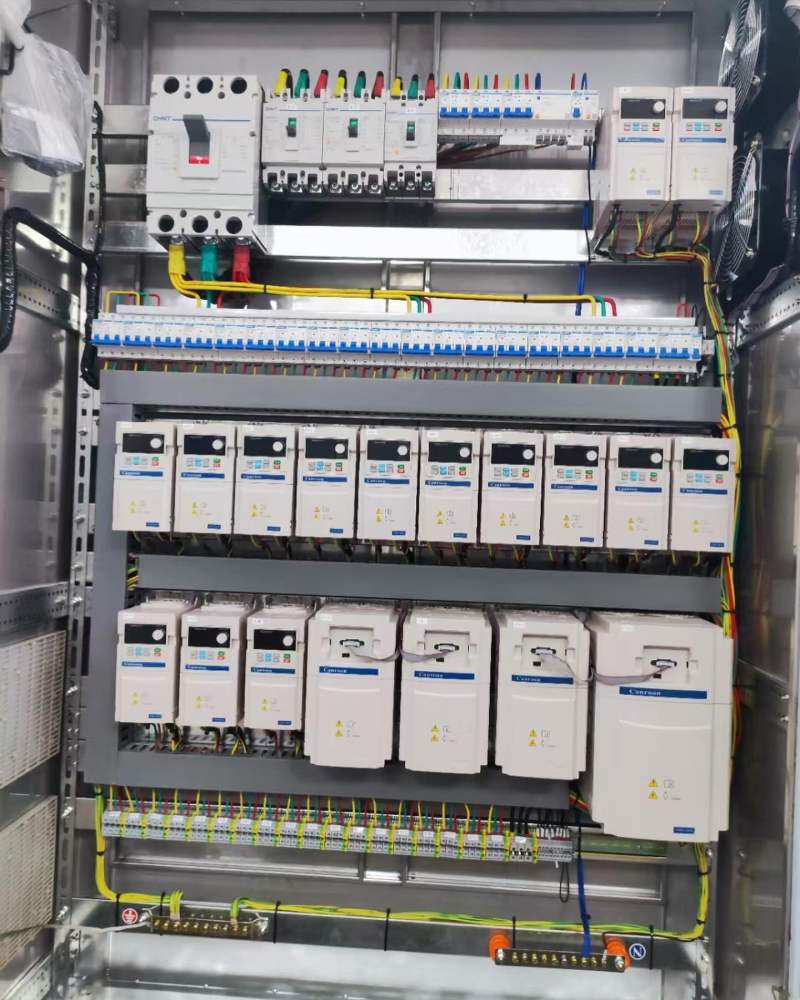
How Variable Frequency Drives Work
A variable frequency drive changes how much power goes to a motor. You use it to control how fast and strong the motor is. The drive changes the frequency and voltage sent to the motor. This lets you pick the speed you want for your job. The control circuit inside the drive listens to your commands. It changes the settings right away. You can connect the drive to automation systems. This lets you watch and control it from far away. It also works well with PLCs.
Tip: If you use a variable frequency drive, you do not need mechanical control devices. This means moving parts last longer and you fix things less often.
You can use a variable frequency drive to:
Start and stop motors gently
Make the motor go forward or backward
Set the motor speed for each job
Save energy by not running motors too fast
Key Benefits for Modern Applications
There are many good things about using a variable frequency drive. Here are the top three:
Energy Efficiency: You save energy because the drive only uses what is needed. Motors do not always run at full speed.
Equipment Lifespan: You keep your motors and machines safe. Smooth starts and stops help parts last longer.
Process Control: You get better control of speed and torque. This makes your work more exact and saves time.
You also spend less money fixing things. The drive helps your system work better and last longer. You can use it in many places, like conveyor belts, pumps, and fans. This makes the variable frequency drive a smart choice for new automation.
VFD Drive Selection Criteria
Motor Specs and Compatibility
Check your motor’s details before picking a vfd drive. The drive must match your motor to keep things safe. This also stops damage from happening. Look at the voltage, power, and current numbers. These numbers help you choose the right drive. If you pick the wrong drive, your motor can get too hot or not work well.
Tip: Always read the motor nameplate for these numbers. If you miss one, you might get a vfd that does not fit your motor.
Load Type and Duty Cycle
You need to know your load before choosing a vfd drive. Different loads need different drives. Some loads need the same torque all the time. Others need torque that changes or stays the same for power. Picking a vfd that matches your load helps your system work better and keeps it safe.
Knowing your load is important for using your vfd drive well.
Different loads need different things from your vfd drive.
A vfd made for one load may not work for another.
Note: Duty cycle means how often your motor runs. If your motor runs all day, you need a drive for long use. If your motor starts and stops a lot, you need a drive with strong vfd braking.
Power Rating and FLA Sizing
Pick your vfd drive by looking at the motor’s full load amps (FLA). This keeps your system safe from too much power. If your job needs extra power to start or stop, double the FLA. Always check the service factor amps if your motor works harder than normal.
Use the motor’s full load amps and any extra power needed.
The real FLA might be less than the number on the motor.
Think about service factor amps if your motor works harder.
The vfd drive must handle any extra power your job needs.
Tip: The right size vfd saves energy and stops breakdowns.
Control Methods and Features
Look at what each vfd drive can do. Some drives only control speed. Others can control torque, have many speeds, or let you watch them from far away. If your job starts and stops fast, learn about vfd braking.
Pick a drive with the right features for your job.
Find drives that work with automation and remote control.
Make sure the drive connects to your other systems.
Callout: Extra features help you save energy and control your work better.
Installation Environment Factors
Know where you will put your vfd drive before you buy it. The place you put it changes how well it works and how long it lasts. Check the air, dust, heat, and wetness. Bad places can break your drive or make it work worse.
Put vfd drives inside and away from sunlight to stop overheating.
Keep humidity under 95% to stop water damage.
Tip: Good places for your vfd drive help you save money and energy.
Support and Maintenance Planning
Plan for support and care to keep your vfd drive working well. Checking your drive often helps you find problems early. This stops surprise breakdowns. Regular checks make your system last longer, cost less, and stay safe.
Make regular checks part of your normal work to protect your drive.
Good care makes your system safer, cheaper to run, and last longer.
Note: Always check rules like the National Electrical Code (NEC) and NFPA 79 when picking a vfd drive.
If you follow these steps, you can pick a vfd drive that fits your motor, matches your load, and works in your space. You will use less energy, save money, and make your system better.
Comparing Variable Frequency Drive Types
Standard vs. Specialized Drives
There are different types of variable frequency drives. Standard drives work for most motors and easy jobs. They help control speed and save energy. Specialized drives have extra features for harder jobs. You might need these for more control or safety.
Standard drives are good for simple things like fans or pumps. They help motors start and stop without problems. Specialized drives are for jobs that need exact speed or torque. You use them for lifts, cranes, or conveyor belts. These drives can have special braking, positioning, or remote watching.
Manufacturers make many types of variable frequency drives. Each brand has its own features. Here is a table that shows what top brands do best:
Tip: Look at what each brand offers. Pick the drive that fits your job and motor.
Application Use Cases
You can find different variable frequency drives in many places. Standard drives are best for easy jobs. Specialized drives help when you need more control.
Specialized drives are good for these uses:
Induction motors that need speed changes
Conveyor belts that need safe and steady speed
Cooling systems that must keep the right temperature
Lifts and escalators that need smooth starts and stops
Water pumps and crushers used in mining
Hoists and cranes that need exact speed and position
Using the right variable frequency drive can make things safer. It can save energy and help your system last longer. When you choose a drive, think about your job. Decide if you need a standard or specialized drive. This helps you get the best results for your work.
Note: Picking the right drive makes your system safer and better.
Cost and Budget Factors
Upfront vs. Long-Term Costs
When you start budgeting for variable frequency drives, you need to look at both the price you pay at first and the money you save later. The upfront cost of a VFD drive is higher than a soft starter. You might see prices like these:
You pay more for a VFD drive at the start, but you save money over time. VFDs can cut your energy costs by up to 50%. They also give you a faster return on your investment compared to soft starters. When you think about cost considerations, remember that VFDs help your motor last longer and work better. They reduce noise and vibration, which means less stress on your equipment.
Tip: If you plan well, budgeting for variable frequency drives can help you save money every year.
Maintenance and Support Costs
You should include maintenance and support in your cost considerations. VFD drives need less repair than older systems. They have fewer moving parts, so you do not fix them as often. Regular checks keep your drive running smoothly and help you avoid big repair bills.
Schedule routine inspections to catch problems early.
Choose brands that offer good support and easy-to-find parts.
Ask about warranty and service plans when budgeting for variable frequency drives.
Good planning for maintenance lowers your total costs. You spend less on repairs and downtime. This makes cost considerations important for every project. When you focus on budgeting for variable frequency drives, you make your system safer and more reliable.
Trends in Variable Frequency Drives for 2026
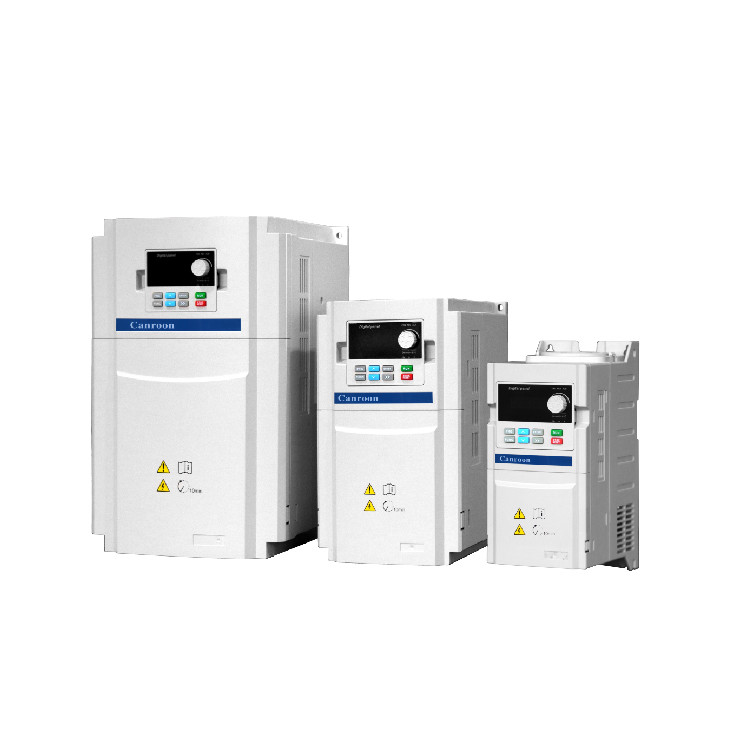
By 2026, variable frequency drives will change a lot. New technology makes these drives smarter and safer. They also help the environment more. If you want your system to stay modern, you should learn about these new trends.
Connectivity and IoT
VFDs can now connect to the internet and cloud. You can check your motor’s performance from anywhere you are. This helps you find problems early and fix them before things break. You get live data, so you can change motor speed and power to save energy.
You can quickly change how fast the motor goes.
Predictive maintenance lets you fix things before they stop working.
Process optimization helps your system work better.
Tip: Smart VFDs help you make good choices and keep your system working well.
Safety and Cybersecurity
Safety is more important than ever before. VFDs now have strong cybersecurity features. You can keep hackers out and protect your data. New drives use special chips and safe ways to talk to other devices. You can set who can change the settings.
Note: Always check for security levels like SL4 for the best safety.
Green Technology
Green technology helps you save energy and care for the planet. VFDs now use less power and lower greenhouse gas emissions. You can cut energy use by half in pumps and fans. These drives also work with wind and solar power systems.
VFDs let you change motor speed right away.
They help you use more green energy and less fossil fuel.
Your system gets more efficient and better for the earth.
Callout: Picking green VFDs helps your business and the planet.
Common VFD Drive Mistakes to Avoid
Sizing Errors and Compatibility Issues
You can make mistakes when picking a VFD drive if you do not check all the details. Many people choose a drive that does not match their motor or job. This can cause overheating, poor performance, or even damage. You need to look at the motor’s voltage, current, and power ratings. If you miss these numbers, your drive will not work right.
Here are some common mistakes you should avoid:
Picking a VFD that does not match your motor’s voltage or current.
Ignoring the power rating needed for your application.
Forgetting to check the load type and how your motor works.
Not thinking about the environment where you install the drive.
Choosing a drive without the right control features for your job.
Overlooking the effect of harmonics on power quality.
Failing to plan for installation and maintenance needs.
Tip: Always read the motor nameplate and compare it to the VFD specs. This helps you avoid costly errors.
If you select the wrong size or type, your system may run poorly. You might see more breakdowns and spend more money fixing things. You can prevent these problems by checking all the specs and making sure the drive fits your motor and job.
Overlooking Support and Warranty
You need to think about support and warranty before you buy a VFD drive. If you skip this step, you may face big problems later. When your equipment fails, you might not get help fast. This can lead to long downtimes and higher maintenance costs. Your productivity can drop if you wait too long for repairs.
Many warranties do not cover labor or extra costs. If something breaks, you may pay for repairs and maintenance yourself. This can surprise you with extra expenses and make your project more expensive.
Note: Ask about support and warranty before you buy. Good support helps you fix problems quickly and keeps your system running.
If you plan ahead, you can avoid these mistakes. You will save money, keep your system safe, and make your work easier.
You can choose the best VFD drive by thinking about how much energy it saves. Make sure the drive matches the work it will do. Check if the drive can stop and start safely. Look for drives that talk to other machines and do not make much noise. Make sure you install the drive in a safe way. Experts can help you pick the right drive and not make mistakes. If you have questions, read the FAQ below. You will find answers about how to use the drive, what power it needs, where to put it, if it fits your motor, and how to get help.
FAQ
How do you know if a VFD drive fits your motor?
Check your motor’s nameplate. Match the voltage, horsepower, and full load amps to the VFD specs. If you see a mismatch, pick a different drive.
Where should you install a VFD drive?
You should install the VFD in a clean, dry place. Keep it away from dust, heat, and moisture. Good airflow helps the drive last longer.
What power does a VFD drive need?
A VFD needs the same voltage as your motor. Most drives use 230V or 460V. You must check your power supply before you connect the drive.
Who can help you choose the right VFD drive?
Tip: You can ask an electrician or a motor expert. They help you pick the best drive for your motor and job.
Sign up for updates