




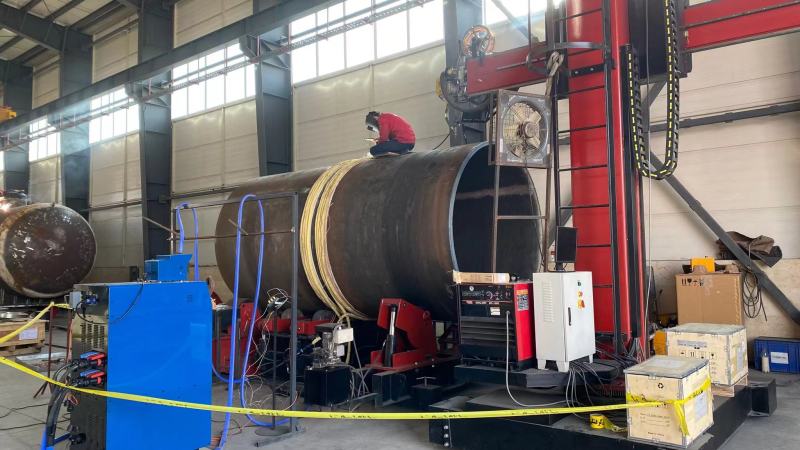
User mistakes during Post Weld Heat Treatment break welds.
Cable burnout and noise ruin your metal piece.
Bad setups cause uneven heat across the pipe.
You need quick fixes to prevent damage now.
Follow this easy list to stay safe:
Set each thermal sensor correctly.
Put coils evenly around the weld.
Check parameters on your induction pwht machine.
Check coolant flow before starting the heat.
Good care protects your big investment.
Careful induction heater maintenance stops sudden system shutdowns.
Key Takeaways
Tie heat sensors firmly onto clean metal surfaces. This helps you get correct heat measurements.
Wrap bendable coils smoothly around the pipes. This step stops unsafe hot spots from forming.
Clean out the cooling lines. Use pure water for this. It stops mineral scale buildup. This keeps the machine cool. It prevents bad machine overheating.
Check everything on your list before turning on power. This stops the system from shutting down fast.
Troubleshooting Common Induction PWHT Machine Errors
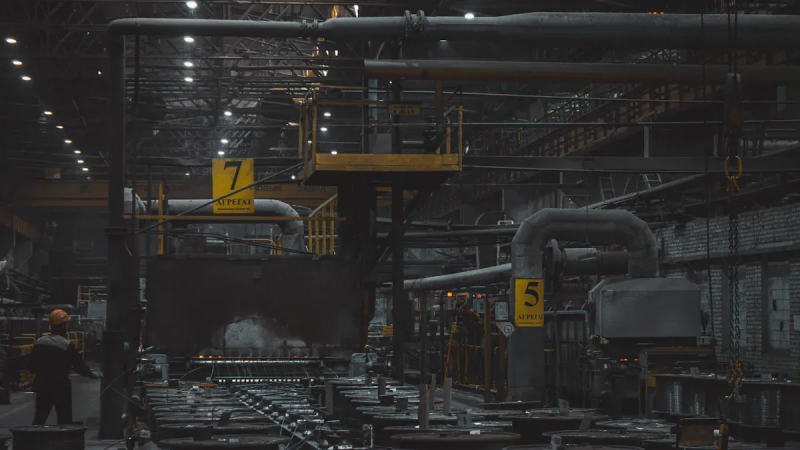
Workers face simple problems during heating operations. Fix system errors fast to protect metal.
Thermocouple Attachment and Sensing Failures
Bad sensor attachments create safety hazards now. Weak attachment unit studs break contact fast. Loose contacts cause bad local overheating. Digital temperature control tools get low readings. Systems push energy continuously into the metal. Bad thermocouple installation ruins power output. Attachment unit studs must bond cleanly. This error causes very bad local overheating. Secure sensor welds onto clean metal first.
Reversed compensation cable wires distort readings. The table shows reversed wire problems clearly:
Checking wire directions fixes this error fast. Right wiring keeps target heat levels safe. Check colored lead terminals before starting heat.
Coil Alignment and Air Gap Misconfiguration
Misaligned flexible coils drop heating power quickly. Irregular flexible coils cause bad heat delivery. Wrong air gaps weaken electromagnetic field forces. Bad coil placement warms metal pipes poorly. Fix induction heater problems using equal gaps. Equal spacing stops uneven pipe heat fast. Correct cable spacing guarantees smooth heating. Workers check connections to stop machine errors. Precise coil positions eliminate hot stress spots. Tie flexible heating cables with special straps. Loose coil wraps shift magnetic field patterns. Strong supports balance temperature around pipe wraps.
Inappropriate Power Density and Frequency Settings
Wrong power settings create bad metal flaws. High frequencies overheat surfaces and warp metal. Low frequencies cannot heat thick pipe walls. Correct frequency selection ensures deep heat soak. Surface heat creates bad temperature jumps. Proper settings soak metal layers smoothly. Power problems happen when settings fail. Unchecked induction heating power supply tools warm unevenly. Set energy levels based on pipe dimensions.
Smart controllers fix difficult power issues easily. Canroon tools use a digital power supply. This induction heating power supply tracks metal fast. Automated software shifts operational frequencies instantly. Smart systems prevent cracks and stress points. Automated induction pwht machine settings raise output. Smart auto tuning fixes manual operator errors. Workers fix problems by checking ground wires. Strong controls restore full machine performance.
Cooling System Failures and Overheating Issues
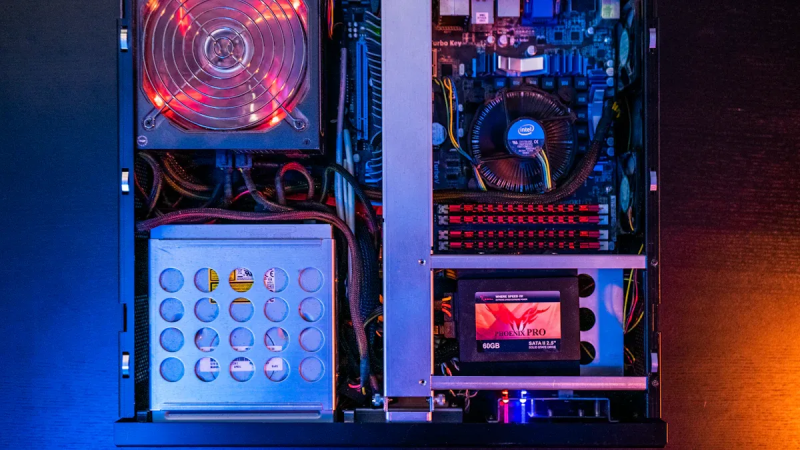
Cooling failure stops heat work fast. Water protects units during long cycles. Blocked fluid lines cause major heat problems. Fix fluid problems fast for smooth work.
Water Clogging in Induction Cables and Copper Tubing
Debris stops liquid flow in channels. Minerals make thick scale in cables. Passages clog with poor hot fluids. Identify these cooling sources easily:
Unfiltered Tap/City Water: Tap water has minerals. They make hard scale inside lines.
Well Water Usage: Well water has raw minerals. They cause rapid line crust.
Heat changes minerals inside the system. Heat ruins lines at specific temperatures:
Thermal Precipitation: At 135°F, calcium separates. It sticks to inner walls.
Crusty deposits reduce copper tube space. Blocked paths stop fluid heat removal. Damaged cables burn out during work. Do routine care to remove scaling. Flush lines using special clean fluid. Clear paths protect your induction heating power supply.
Inverter Thermal Overload and Flow Restrictions
Restricted flow causes inverter heat faults. Air bubbles trap heat in blocks. Trapped air blocks smooth fluid movement. Low pressure causes sudden board stops. Units shut down to stop damage.
Blocked lines drop flow fast. They cause bad inverter heat overload.
Inspect systems to stop flow problems. Follow these steps to clear lines:
Connect a purge pump to inlets.
Flush fresh fluid to force air out.
Check return sight glass for flow.
Test flow sensors to confirm signals.
Low flow rates harm system performance. Pure water stops internal pipe scaling. High fluid quality prevents frequent stops. Clean water maintains steady job cooling. Check flow rates before powering units. Proper movement stops internal component overheating. Clean loops protect your induction heating power supply. Smart operators fix minor cooling issues. Correct flow keeps your induction heating power supply cool. Regular care stops bad hardware failure.
Electrical Interference and Induction Heater Problems
EMI Disruptions on Temperature Controllers
Heavy coil magnetic fields project electrical noise into controllers. This noise disrupts sensitive temperature sensor readings during heating. Fake voltage spikes hit your unit from nearby. The system then changes energy output wrongly during stress cycles.
Bad voltage feedback causes big problems across equipment. Unwanted electromagnetic noise alters digital control signals inside. Control power problems cause fast metal temperature shifts. The induction heating power supply then adjusts energy using bad data. Bad data stops smooth heating across pipe joints. Quick power shifts create sudden metal stress.
System Grounding and Shielding Standards
Good grounding fixes steady noise during field work. Keep low-voltage lines away from high-power cables. Shielded cables block extra magnetic waves from copper wires. Earthing one shield end drains stray voltage safely. Physical separation protects tools in harsh job sites. Grounded shields stop high magnetic energy from ruining circuits.
Good ground paths stop signal errors in recorders. Separating ground paths breaks connections between different earth points. This stops ground loop currents from adding bad noise to thermocouples. Good shielding fixes big voltage differences near signal tools. Whole ground setups give great safety for field work.
Also, check your heavy induction heating power supply often. Loose ground straps cause bad induction heater problems during high-power work. Check all protective wires before starting heat runs. Clean contact spots ensure safety and stop power problems. Steady induction heating power supply setups ensure good heating every time.
Preventive Setup and Induction Heater Maintenance
Good site prep saves big gear.
Smart workers check tools first.
Cleaning metal early stops bad heat.
Surface Pre-Cleaning and Workpiece Contamination
Dirty pipes ruin good metal fast.
Scrub off oil, dirt, and scale.
Uncleaned grease burns under high stress.
Dust causes bad surface burns.
Dirty steel blocks good energy flow.
Thick scale makes heat spots uneven.
Clean metal takes in heat well.
Good prep makes stress relief easy.
Insulation Wrapping and Flux Concentrator Placement
Good wraps keep soft coils safe.
Wrap hot ceramic blankets very tight.
Cover all metal with no gaps.
Good pads trap heat inside well.
Put flux tools along the weld. They aim magnetic fields straight at the joint.
This smart setup focuses strong energy.
Focused fields save power and time.
Good field lines stop outer heat.
Canroon Pre-Execution Inspection Checklist
Run fast checks before turning power on.
Care stops sudden tool breaks outside.
Use these quick steps for your gear:
Check water lines for tight seals.
Check sensor wires for bad links.
Inspect ground straps on power units.
Test main power ground wires now.
Regular checks stop big job delays.
Right steps bring total safety back.
Finish checks to win every day.
This simple fix stops hot shock.
Right coil setup saves your system. Clean cooling lines protect gear. Good grounded shields stop errors. Checking simple steps stops bad welds. Avoid long job downtime easily. Technical fixes solve operational errors fast.
Call Canroon technical experts today. Get advanced post-weld heat treatment gear. They build custom heating profiles. Canroon sells efficient tools for pipelines. They support big pressure vessels too. Their team offers maintenance programs. Get total 24/7 technical assistance fast. Enjoy an 18-month standard warranty. Protect your induction pwht machine. Boost your overall job efficiency. Book induction heater maintenance with us. Keep your equipment running well.
FAQ
How do you fix temperature reading errors during heat cycles?
Inspect thermocouple attachment unit studs for clean bonds onto metal. Verify right cable polarity on compensation leads. Ground shielding removes electromagnetic noise. Simple fixes resolve sensor errors quickly. They bring back exact control during heating operations.
Why does an induction pwht machine experience thermal overloads?
Fluid flow blocks cause inverter over-temperature faults. Hard mineral scale blocks copper lines at 135°F. Flush fluid lines often with clean water. Purge air bubbles for steady fluid flow. Regular care stops severe hardware failure during long soaks.
How can you prevent common induction heater problems on field sites?
Clean surfaces thoroughly to remove dirt and scale. Wrap high-temperature ceramic insulation blankets tightly around metal. Place flexible coils evenly with precise air gaps. Also, use grounded signal cables. They shield digital units from heavy noise.
What step is critical for effective induction heater maintenance?
Run full checklists before high-voltage power-up. Check ground straps and inspect sensor links. Verify water line seals carefully. Regular induction heater maintenance stops costly weld flaws. It reduces job downtime and protects heavy gear long-term.
Previous:
Next:
Sign up for updates