




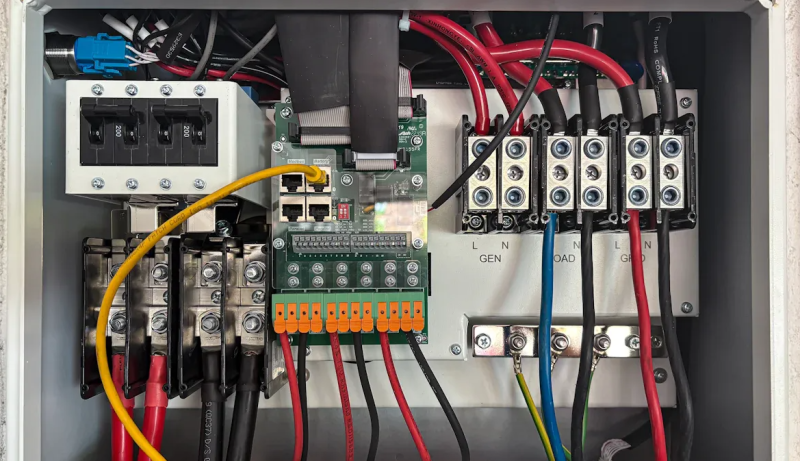
Imagine you want your equipment to work well in a power outage. The right frequency inverter helps with efficiency and reliability. When picking a frequency inverter, look at more than price. Many people care about efficiency and durability. They also want the frequency inverter to fit their needs. Some people look for scalability and regulatory compliance. New features in a frequency inverter can help save money over time. Canroon is a trusted brand. It offers frequency inverter solutions to help you reach these goals.
Key Takeaways
High frequency inverters are small and work well. They are good for light loads like home electronics.
Low frequency inverters are strong and can handle heavy loads. They are great for use in factories or big jobs.
Think about your power needs before you choose. High frequency inverters are best for small devices. Low frequency inverters work better with power tools.
Pick an inverter that is efficient and reliable. Make sure it fits the jobs you need it for.
Talk to experts like Canroon for advice. They can help you pick the right inverter for your setup.
Frequency Inverter Types Overview
What Are High Frequency Inverters?
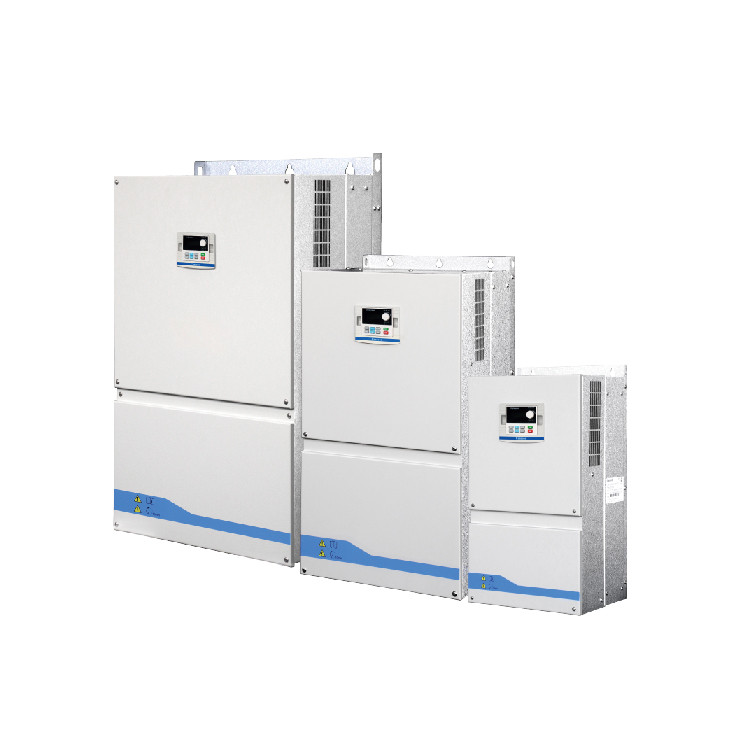
High frequency inverters are used in new energy systems. They work at more than 50 Hz. Their transformers run close to 30 kHz. Do not use them above 40,000 Hz. If you do, they can get hot and lose power. These inverters are common in big solar farms and factories. They are also used in systems connected to the power grid. They help control many renewable sources. They keep power steady. You can put these inverters on walls. They are small and light. They are quiet and save energy. They make less noise and work well. High frequency inverters are good for places with little space. They are best when you need clean power.
What Are Low Frequency Inverters?
Low frequency inverters work below 1 kHz. You see them in homes and factories. They are used with heavy machines. These inverters have big transformers. They can start motors and compressors easily. You can trust low frequency inverters for off-grid systems. They are good for places far away. They work well in tough places. They give steady power. You find them in battery backup systems. They are used in solar setups with big loads. Low frequency inverters are large and heavy. They last a long time. They can handle rough use.
Key Differences
It is important to know how these inverters are different. High frequency inverters are small and light. They use less energy. They cost less money. They are good for light jobs. They control noise better. But they do not handle big power surges well. Low frequency inverters are big and heavy. They can take strong power spikes. They last longer in hard places. They cost more. But they give strong power for tough jobs. Canroon has both types. You can choose the one you need.
Tip: Pick high frequency inverters if you want a small inverter for light use. Choose low frequency inverters if you need strong power for big machines.
High Frequency Inverters: Pros & Cons
Efficiency and Size
High frequency inverters work very well. They use energy better than most others. Their efficiency is between 90% and 99%. This means you waste less power. You save money on your bills. These inverters are small and light. You can put them in tight spaces. They are easy to install. They give pure sine wave output. This is good for sensitive electronics. The table below shows how they compare to other types:
Tip: Pick high frequency inverters for high efficiency and clean power in small spaces.
Cost and Applications
High frequency inverters cost less than low frequency ones. You also save money on shipping. They are lighter, so they are easier to move. You can use them in many places:
Renewable energy systems
Electric vehicles
Industrial machines
Solar energy for homes and businesses
The table below shows cost and surge differences:
Durability and Limitations
High frequency inverters do not last as long as heavy-duty ones. Most solar inverters last 10 to 15 years. Some good ones last up to 20 years. Microinverters can last up to 25 years. High frequency inverters work well for daily use. They do not handle strong power surges as well. If you need an inverter for big jobs, look at other options. For homes and small businesses, high frequency inverters are reliable. They give pure sine wave output.
Note: High frequency inverters give you good efficiency and clean power. Check if you need more surge power or a longer lifespan.
Low Frequency Inverters: Pros & Cons
Reliability and Lifespan
You can count on low frequency inverters for tough jobs. These inverters use strong parts that last a long time. Many people choose them for heavy-duty work because they keep running even when the load is high. Here are some reasons why they last longer:
Low frequency inverters have robust components built for heavy-duty use.
They handle high surge currents, which helps them work well with big machines.
High frequency inverters may wear out faster under stress, but low frequency inverters keep going.
If you want an inverter that gives you a pure sine wave and works for years, this type is a smart choice.
Peak Power and Surges
Low frequency inverters shine when you need a lot of power fast. They can handle big surges, which is important for starting motors or pumps. You might need this if you use tools or machines that need a lot of power to start. Here is what makes them stand out:
Low frequency inverters can handle large inrush currents during surge events.
They can surge up to 18,000W for 20 seconds, which is enough for a 3hp well pump.
These inverters work well with inductive loads like motors and compressors.
They can keep up with high surge loads for longer times.
Note: Low frequency inverters give you strong surge power and pure sine wave output, making them ideal for heavy-duty tools.
Cost and Use Cases
You may notice that low frequency inverters cost more than other types. This is one of their cons. They are also heavier, which can make them harder to move. Still, you get great value if you need power for big jobs. Their efficiency is lower than high frequency models, but they make up for it with reliability.
Most people can get by with a properly sized high frequency inverter, but if you're running very high surge devices like deep well pumps or big shop tools, a low frequency inverter would be the way to go. They have a large transformer with a "flywheel effect" that can handle the surges better.
You often see low frequency inverters in off-grid homes, workshops, and places where power tools or pumps are used. If you need an inverter for heavy loads and want a pure sine wave, this type is a good fit. You may pay more up front, but you get peace of mind and fewer worries about breakdowns.
Comparing Frequency Inverters
Performance Side-by-Side
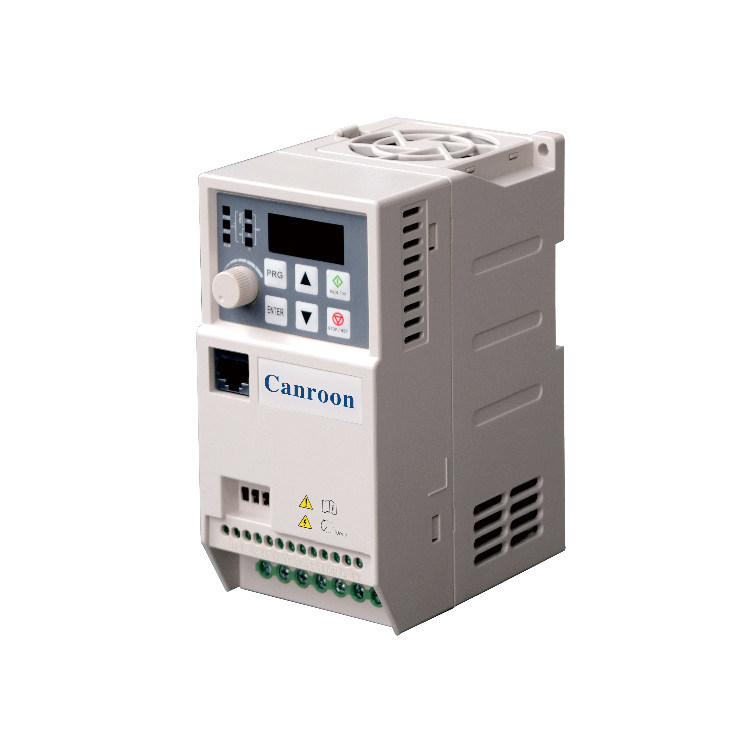
You might wonder how these inverters work every day. High frequency inverters are very efficient. They give you about 93-94% efficiency. These inverters are good for homes and small businesses. They are small and light, so you can install them easily. You save space and money with them. Low frequency inverters are less efficient at about 85%. They are bigger and heavier. People use them for hard jobs. These inverters last longer and do not need much fixing. You can trust them for heavy loads and long use.
Tip: Pick high frequency inverters for small, light jobs. Choose low frequency inverters if you need power for big machines or want something that lasts a long time.
Application Suitability
You should pick the right inverter for your needs. High frequency inverters are best for homes, offices, and places with small loads. Use them for things like computers, TVs, and small appliances. They can take solar input up to 500VDC. These inverters give clean power to sensitive devices. Low frequency inverters are better for factories and workshops. Use them for pumps, compressors, and tools. They handle big surges and start large motors easily. You get steady power in tough places.
Here are some ways people use frequency inverters in industry:
Voltage Source Inverters help control motors in factories.
Current Source Inverters give strong starting power for lifting systems.
Direct Torque Control is great for robots and CNC machines.
You should also think about control features when picking an inverter for business.
Other things to think about are:
Start-up Voltage: Your inverter needs the right DC input to work.
Overload Capacity: It should handle short times with extra load.
Temperature Range: Make sure it works well where you use it.
Note: Always think about what you need before picking a frequency inverter. The right one will work better and last longer.
Summary Table
You may want a quick way to see the differences. The table below shows how high frequency inverters and low frequency inverters compare. Use it to help you choose the best one.
If you want something efficient and easy to set up, high frequency inverters are a smart pick. If you need something strong for big jobs, low frequency inverters are better.
High frequency inverters are best for light loads and clean power. Low frequency inverters are good for heavy loads and hard places. What you need in real life will help you decide which inverter to get.
Choosing the Right Frequency Inverter
Home and Light Use
You want your home to work well when the power goes out. Many people pick high frequency inverters for homes and light jobs. These inverters are small and simple to set up. They work with most electronics in your house. New models can run lights, TVs, and computers. Some brands, like SMA and Schneider, are popular for homes. Sometimes, homes use low frequency inverters for big power tools. These inverters start heavy machines easily. High frequency inverters often get updates to follow new rules. Here are some things to think about:
High frequency inverters are good for most electronics at home.
Low frequency inverters are better for big power tools.
SMA and Schneider make trusted inverters.
High frequency inverters get updates for grid safety.
Tip: Pick an inverter that fits your home's needs and your budget.
Industrial and Heavy-Duty Use
Factories and workshops need strong power that does not stop. You should choose the right frequency inverter for your machines. Experts suggest different types for different jobs. The table below shows which inverter is best for each job:
Use current source inverters for large motors and hard jobs. Voltage source inverters are good for fans and pumps. Pick the one that works best for your machines.
Sensitive Equipment
Some devices need very clean and steady power. Computers, medical tools, and lab gear need pure sine wave power. High frequency inverters give smooth power for these devices. This keeps your electronics safe and working well. Always check the inverter’s output before you buy.
Note: Sensitive devices work best with inverters that give pure sine wave power.
Canroon’s Support
You might not know which frequency inverter to pick. Canroon gives expert help and advice. Their team helps you choose the right inverter for your needs. You can ask questions and get help with setup. Canroon makes sure you get good power for your business.
Canroon’s team helps you from picking to installing your inverter.
You should pick a frequency inverter that fits your needs. High frequency inverters are good for homes and small jobs. Low frequency inverters work well for big machines and hard places.
Check how efficient and reliable the inverter is before you choose.
Think about what you will use it for and how much power you need.
You can talk to Canroon for help. Their team will help you pick the best inverter for your setup.
FAQ
What is the main difference between high and low frequency inverters?
High frequency inverters use smaller, lighter parts and work best for light loads. Low frequency inverters use bigger parts and handle heavy loads or strong surges. You should choose based on your power needs.
Can I use a high frequency inverter for power tools?
You can use a high frequency inverter for small tools. For big power tools or machines that need a lot of power to start, you should pick a low frequency inverter. It handles surges better.
Which inverter lasts longer?
Low frequency inverters usually last longer. They have strong parts that handle tough jobs. High frequency inverters work well for daily use but may wear out faster with heavy loads.
How do I know which inverter is right for my home?
Think about what devices you want to run. For lights, TVs, and computers, pick a high frequency inverter. For large appliances or pumps, choose a low frequency inverter.
Previous:
Next:
Sign up for updates