




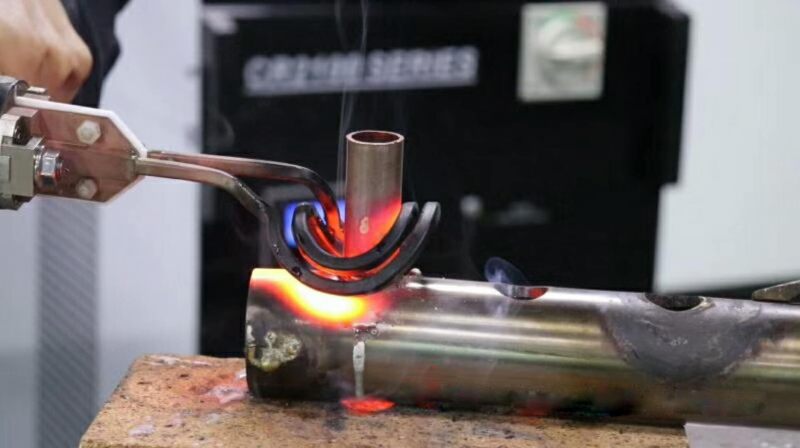
Choosing metal processing gear needs balance. You must balance power and frequency. Frequency changes how deep heat goes. Power changes heat speed and flow. Match part size and heat depth. This stops the metal from bending. An exact induction heating machine saves plant energy. These systems use half the energy. They use less power than gas. You spend less money on power. You still keep exact heat levels. Good choices stop big buying mistakes. Our engineers help you study facts. We help you pick the right induction heating machine for your needs.
Key Takeaways
Match frequency to part size. This heats metal correctly. It stops bending.
Figure out active power needs carefully. This saves money. It keeps factory energy costs low.
Special coil shapes direct power to the metal parts. These custom shapes help heat the parts much better.
Digital heat tools check live data. They protect metal quality during work.
Selection Matrix for Metal Processing
Workpiece Diameter and Heating Depth Mapping
Metal shape controls energy flow. Metal traits set your power needs. Magnetic fields heat metal surfaces fast. Big shafts need deep heat. Deep heat spreads the energy evenly. Thin wires need shallow heat. Shallow heat stops wire melting.
Map your part size to depth. Low frequency reaches deep core layers. High frequency stays on outer surfaces. Good induction heating saves power. Matching size to depth stops bending. This protects surface finishes. It saves shop energy too. Depth control prevents micro-cracks.
Process Requirements: Temperature, Speed, and Material Properties
Target heat levels set power needs. Production speeds affect power too. Heavy steel needs continuous power. Modern induction heating works fast. Rapid work needs strong power. Material properties change energy use. Mass and speed change usage too. Carbon steel absorbs energy fast. Stainless steel absorbs energy differently. Aluminum absorbs energy differently as well.
Plant size dictates your layout. Mobile tech uses small tools. Large plants use big systems. Review your needs before buying. Proper scaling helps daily targets. Good engineering guidance helps you choose. The right choice boosts efficiency. Advanced machines give consistent quality.
Selecting Frequency for Industrial Induction Heating
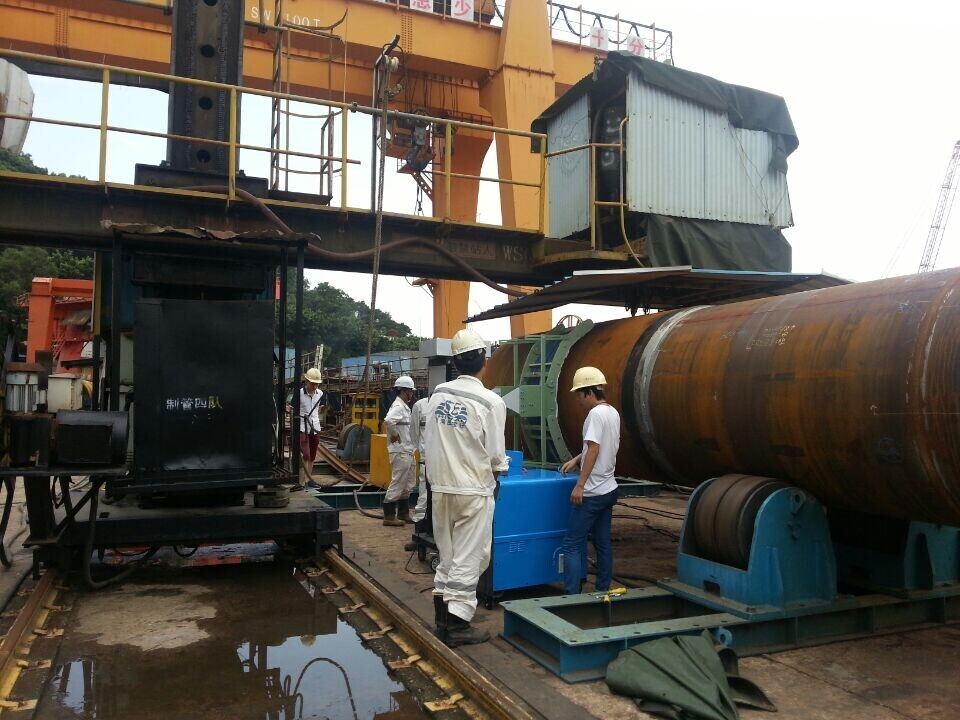
Matching frequency to metal shape brings success. Induction coils use alternating power. This power creates moving magnetic fields. Fields make electric currents in metal. The skin effect forces currents outside. Higher frequencies heat thin outer layers. Lower frequencies push power deep inside. Engineers use four main frequency bands. These are MF, HF, VHF, and UHF. Modern induction heating reaches exact depths. Good controls balance total power well.
The Skin Effect and Heat Penetration Mechanics
Electric currents fade toward the center. This pattern sets your heat depth. Metal traits change during heating cycles. Heated carbon steel loses magnetic traits. This shift happens at 770°C. Magnetic levels drop down very low. Heat suddenly moves much deeper inside. Pick a frequency for magnetic shifts. Proper tuning improves total energy use.
High and Ultra-High Frequency Applications
High frequencies suit thin outer parts. Systems heat outer layers very fast. Deep core traits stay the same. You protect cores during surface hardening. High frequency helps small car gears:
Ultra-fast processing cycles: Quick heating finishes in one second.
Precise contour hardening: High frequency follows tooth shapes well. It stops tip damage and total hardening.
Minimized distortion: Local heat stops metal from bending. It reduces extra grinding work later.
Streamlined workflow: You do not need masking materials. This saves time and hard labor.
Inline production integration: Systems fit automated car plant lines. This lowers your total factory costs.
High frequencies keep heat levels exact.
Medium Frequency Systems for Deep Billet Heating
Medium frequency heats thick metal deep. Forging needs smooth heat all through. High frequency overheats outer edges first. Lower frequency pushes heat deep inside. Smooth heat stops metal structural stress. You process big steel bars faster. Good induction heating delivers heavy power. Correct choices optimize your heat cycle. You lower factory energy bills too. Modern systems control deep heat well. Good machine choices protect product quality.
Sizing Power for Your Induction Heating Machine
Correct power size brings shop success. Pick good gear sizes before buying. Good sizing keeps machines safe. Efficient work saves system power.
Active Output Power vs. Input Ratings
Nameplates show input and active power. Grid draw gives input numbers. Active power heats your coil. Use simple formulas for basic needs:
Thermal Power Calculation Formula: Power (kW) = Mass (kg) x Specific Heat (kJ/kg°C) x Delta Temperature (°C) / Time (seconds)
Math shows needed electrical heat. Math sets heat levels and timing. Power drops happen during plant work. Account for heat loss before choosing.
Calculating Power Based on Mass and Production Speed
Fast plant speeds need more power. Big volumes demand high system energy.
Matching power to speed stabilizes heat. Forging lines need stable heat cycles. High power warms parts very fast.
IGBT Inverter Efficiency and Power Factors
IGBT inverters make high frequency power. Bad power management raises plant bills. Good units keep grid power stable.
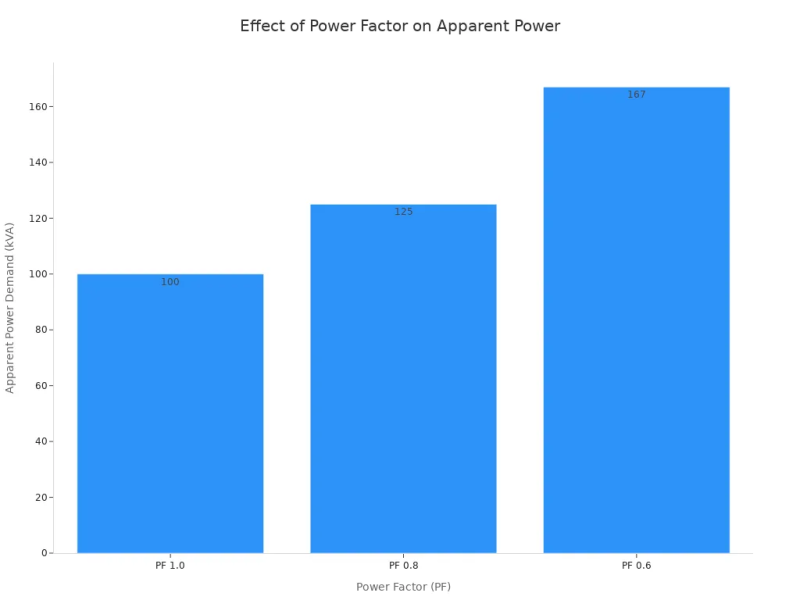
Low power factors waste plant money:
kVA Demand Charge Inflation: Power plants charge by total apparent power. Low factors raise baseline power costs fast.
Direct Power Factor Penalties: Low factors add extra cash penalties. Bills go up for tiny drops.
Contract Demand Overrun Penalties: High demand breaks plant energy contracts. Overruns trigger costly peak fee charges.
System inefficiency hurts factory grid gear:
Impact on Physical Infrastructure: Bad factors lower system efficiency levels. Systems need bigger wires and parts.
Effect on Power Losses: Poor factors make system power losses. Voltage drops happen across lines fast.
Direct Energy Consumption: Factor fixes save small direct energy. Fixes help performance and grid parts.
High power factor units protect transformers. Good machines keep energy costs low. Exact heat raises plant runtime.
Application Configurations for Metal Processing
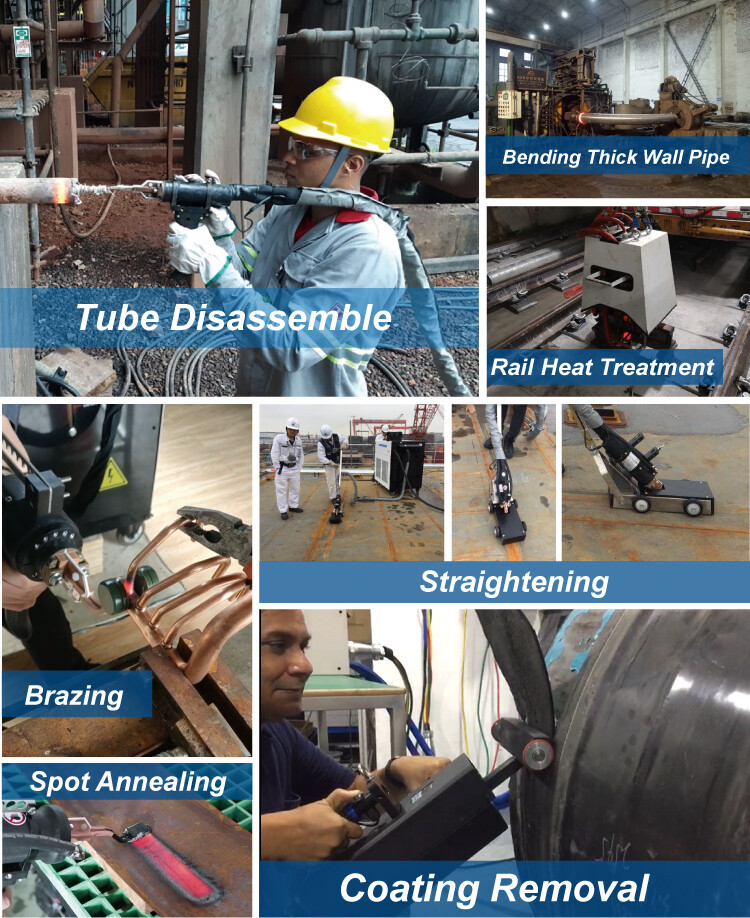
High-Speed Forging and Billet Pre-Heating
Set up machines for your precise job needs. High-speed forging needs fast energy flow. Quick flow keeps lines moving well. Modern units push heat into steel fast. Fast heating stops scale on metal skins.
No scale saves your dies from wear. Feeders move raw stock through coils. Power controls keep core heat stable. You save energy and lower plant costs.
Precision Surface Hardening and Quenching
Gears and shafts need hard skins. Tough inner cores must stay strong. Systems put heat on outer skins. High frequency raises outer heat fast. Quench rings spray liquid right away.
Heat hits only the joint area. The whole part stays safe. Local heat stops bending. It prevents bad heat side effects. Metal keeps its full strength.
Cores stay cool to stop bending. Precise control saves part sizes. You do less grinding work later.
Induction Brazing and Joining Complex Assemblies
Joining parts needs tight heat control. Local heat stops metal from bending. Energy goes only to the joint. Surrounding parts stay very cool. Precise heat stops filler melting early. Base metals hit target heat first.
Special setups handle costly metals well. Jewelers use gold melting units. Controlled fields melt gold cleanly. Pure heat makes melting fast. Craftsmen melt gold with good results. Clean heating keeps gold pure.
Post-Weld Heat Treatment and Stress Relieving
Pipe welding makes high inner stress. Portable tools wrap cables on welds. Fast heat releases inner stress fast.
Workers check heat on digital screens. Modern tools hold heat very stable. Nearby pipe parts do not overheat. You simplify setups and save labor. Pipelines last for a long time.
Evaluating Quality Induction Heating Equipment
Inductor Coil Geometry and Impedance Matching
Match coil shapes to parts. Custom coils send magnetic power directly. Loose fits waste electric power. They also lower heat quality. Tight gaps boost field strength.
Correct electrical matching links power. Good links stop inverter trips. They send full energy out. Balanced turns make smooth heat.
Digital Control and Real-Time Temperature Monitoring
Digital tools track heat now. Optical tools send live data. Systems change power right away. This protects all your parts.
Check power specs before buying. Bad sellers fake plate numbers. Test true power under loads. True tests stop costly downtime. Buying good gear brings success.
Reliable Industrial Solutions by Canroon
Canroon builds tough factory gear. Every unit uses digital controls. Systems use strong power parts. These tools make work repeatable.
Accurate tech boosts daily output. Good tools lower energy bills. Expert engineers help you pick. You get the best heater.
Pick your gear in three steps. First, match metal size to frequency. Second, check active power levels. Third, shape your heating coil.
Good sizing improves product quality. It cuts down energy costs. Correct heat stops metal bending. It lowers factory power bills.
Get better induction tools today. New heating tools speed work. Send part details to Canroon. Our team tests your parts. Pick the right heating tool. Make your production lines fast.
FAQ
How do you pick metal machine frequency?
Match frequency to part size. High frequency heats outer surfaces fast. Medium frequency goes deep inside. Right frequency stops metal bending. It saves shop energy too.
What is skin effect in heating?
Electric currents move to outer edges. High frequency makes thin heat layers. This process hardens outer skins fast. Deep inner cores stay cool.
How do you find needed heating power?
Multiply weight by heat rate. Multiply that by heat change. Divide total by seconds. Add extra safety power space. This keeps total power safe.
Why does coil shape matter most?
Custom coils push energy into parts. Small coil gaps boost field strength. Good matching stops power trips. It lowers total energy loss. You get high heat efficiency.
Sign up for updates