




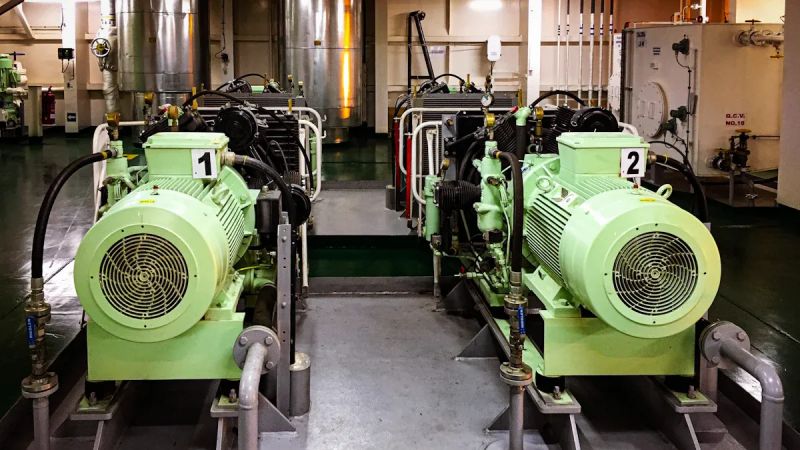
To select the best vfd for pump, you need to match the drive to your pump’s motor type, voltage, current, load, and environment. Imagine picking the wrong drive—your pump could run too hot, waste energy, or even break down. You must size the VFD using the motor’s full load amperage, check compatibility, and look for safety features. Canroon’s experts can help you make the right choice.
Key Takeaways
Pick the right VFD by matching it to your pump's motor type, voltage, and load. This helps stop overheating and breakdowns.
A VFD makes your pump work better by letting you change its speed. This saves energy and helps parts last longer.
Think about the environment when you pick a VFD. Keep it safe from heat, water, and dust so it works well for a long time.
Find VFDs with safety features like overcurrent and overtemperature protection. These features help keep your pump and other equipment safe.
Take care of your VFD often. Clean it and check for loose wires to stop problems.
Why Use a Variable Frequency Drive for Pumps
Benefits for Pump Performance
A variable frequency drive lets you control your pump better. You can change the speed to fit what you need. This stops the pump from going too fast or too slow. Using a variable frequency drive keeps your pump safe from harm. The drive helps the pump start and stop gently. This means less stress on seals and bearings. Your pump will break down less and need fewer repairs.
Here are some main benefits when you use a variable frequency drive for your pump:
You can change the flow rate to save money.
The drive keeps your motor safe by checking the current.
Gentle starts and stops stop water hammer and pressure jumps.
You get less wear, so your pump lasts longer.
You spend less on fixing your pump because parts last longer.
You can find these benefits in places like water plants, chemical factories, and HVAC systems. Pumps in these places work better and last longer with a variable frequency drive.
Tip: A variable frequency drive helps stop sudden pressure changes that can hurt pipes and equipment.
Energy Efficiency and Control
You can save lots of energy with a variable frequency drive. The drive lets your pump run only as fast as needed. This means you do not waste power when you need less. Many pumps, like centrifugal types, can save 35% to 70% energy. This can lower your electricity bill a lot.
A variable frequency drive also gives you better control. You can set the pump speed to match the flow you want. This saves energy and keeps your system working well. The drive changes both frequency and voltage, so your pump always works best. Old systems run at one speed and waste energy. With a vfd, you get better results and pay less.
Key Factors for Choosing a VFD for Pump
Motor and Power Compatibility
You have to match your vfd controller to your pump motor. First, check what kind of motor you have. Most pumps use induction motors. These motors work well with a simple vfd controller called a scalar drive. Some pumps use synchronous motors. These motors need a more advanced vfd controller with vector control.
Here is a table to help you see the differences:
You also need to match the power supply. Make sure the vfd controller input matches your building’s power. The output voltage of the vfd controller must match your motor’s voltage rating. If you use long cables, check for voltage drops. You might need special filters to keep your motor safe.
Tip: Always check both the supply voltage and the motor voltage before you choose a vfd controller.
Voltage, Current, and Power Factor
You must size your vfd controller for the right voltage and current. The vfd controller’s output current should be as much or more than your pump motor’s full load amperage (FLA). This keeps your system safe and working well. It is smart to add a margin for extra torque—about 30% more than the motor’s maximum torque.
Here is a table to guide your vfd selection criteria for voltage:
Power factor is important too. A good vfd controller helps improve the power factor. This means your pump uses energy better and costs less to run. You avoid extra charges from your electric company and help your equipment last longer.
Load Type: Constant vs. Variable Torque
You need to know if your pump load is constant torque or variable torque. Most water pumps have variable torque loads. Some special pumps, like positive displacement types, have constant torque loads. The type of load changes what kind of vfd controller you need.
Here is a table to help you understand:
Variable torque pumps save more energy with a variable frequency drive. Constant torque pumps need a vfd controller that can handle heavy loads at all speeds.
Environmental Considerations
Where you put your vfd controller matters a lot. Heat, moisture, dust, and chemicals can hurt your equipment. You should protect your vfd controller with the right enclosure. For wet or humid places, use a NEMA-rated box. For hot areas, make sure you have cooling or air conditioning. If you have chemicals nearby, use a NEMA 4X enclosure.
Here is a table showing how the environment affects your vfd controller:
Note: Bad air, oil, and debris can also hurt your vfd controller. Keep the area clean and cool for best results.
Safety and Protection Features
You must pick a vfd controller with strong safety features. These features protect your pump, your equipment, and your team. Look for these key protections:
Safety first! Always check that your vfd controller has these features before you buy.
If you are not sure about any of these steps, you can ask Canroon’s experts for help. They can guide you and help you pick the best variable frequency drive for pump applications.
Sizing and Selecting Your VFD for Pump Applications
Sizing by Full Load Amperage
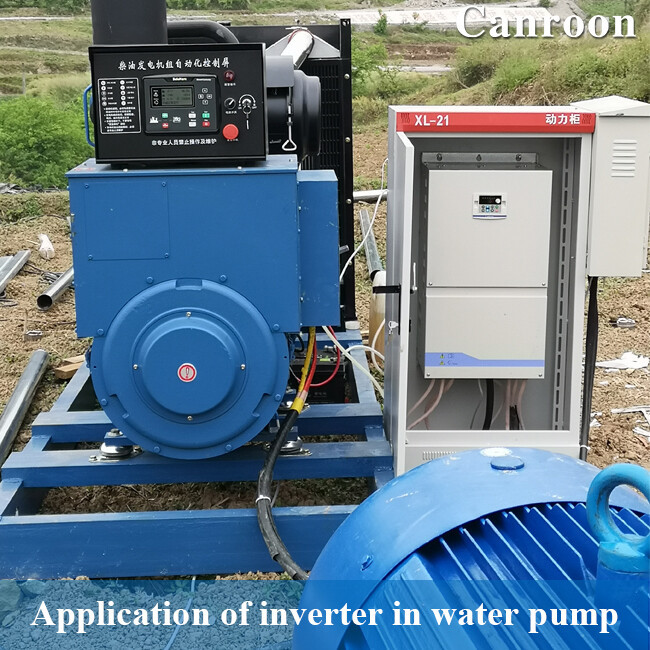
To size a vfd controller, look at your pump motor’s full load amperage (FLA). Do not just use horsepower. Always check the FLA on the motor’s nameplate. Pick a vfd controller with output current that is the same or higher than the FLA. Choose the right duty class for your pump’s torque needs. If your pump works in hard conditions, use derating to make sure the vfd controller can handle the job. For fast stops or vertical pumps, plan for braking. Size your wires based on the FLA and the vfd controller’s input rating.
Modular Design and Scalability
A modular vfd controller lets you add or remove parts as needed. You can start small and make it bigger later. This saves you money and space. If you need more pumps or more flow, you can add on without buying a new system. Modular designs also make fixing things easier. You can change one part instead of stopping the whole pump.
Control Algorithms and Integration
Modern vfd controllers use smart control algorithms. These help your pump change as things happen. You get better control and save more energy. Some vfd controllers watch the motor load and current to find the best way to run. Others use active energy control to lower voltage but keep speed and torque. This can save you 2 to 10 percent more energy. You can also connect your vfd controller to automation systems for better checks and feedback.
Energy Efficiency Ratings
When you pick a vfd controller, check its energy efficiency ratings. Look for labels like the Hydraulic Institute’s Energy Rating (ER). A higher ER rating means you save more energy. The ER label is used by rebate programs to give rewards for good products. Also, check for standards like AHRI 1210 and 1211. These show the vfd controller meets tough rules for efficiency and performance.
Quick Checklist for Sizing and Selection
Check your pump’s FLA and pick a vfd controller that matches or is higher.
Choose the right duty class for your pump’s torque needs.
Think about modular vfd controllers for easy upgrades.
Look for smart control algorithms for better use.
Pick vfd controllers with high energy efficiency ratings.
Need help? Canroon has tools and experts to help you size and pick a vfd controller.
Common Mistakes When Selecting a VFD for Pump
When you choose a vfd controller for your pump, you want to avoid common mistakes that can cause problems later. Many users make the same errors, which can lead to pump failure, wasted energy, or expensive repairs. Here are the top mistakes you should watch out for:
Incorrect Sizing
If you pick the wrong size vfd controller, your pump may not work well. You need to match the drive’s specifications to your motor and application. Failing to do this can cause your pump to run poorly or even break down. Here are some risks you face with incorrect sizing:
Always check the motor’s rated current, voltage, and frequency before you select a vfd controller.
Ignoring Environmental or Load Factors
You must think about where you install your vfd controller and how your pump works. Dust, moisture, and heat can damage the drive. If you ignore these factors, your vfd controller may not last long. Low speeds can cause sediment to build up in pumps, and voltage distortion can lead to motor failure. You should:
Clean vfd controller parts every month.
Use cabinets to protect the drive from dust and water.
Make sure the area stays dry and cool.
Vfd controllers are sensitive to their environment. If you keep them clean and protected, they will last longer and work better.
Overlooking Integration Needs
When you add a vfd controller to an existing pump system, you need to make sure it fits well. Sometimes, the new drive can cause vibration or noise that was not there before. The vfd controller needs information from sensors or controllers to adjust the pump speed. If you skip this step, your system may not work as planned.
“Adding a vfd controller to a vertical pump can create new vibration problems if you do not check for resonance.”
Neglecting After-Sales Support
After you install your vfd for pump, you still need help from experts. Good after-sales support gives you tips for installation, troubleshooting, and regular checks. Studies show that strong technical support can boost customer satisfaction by 30%. With reliable support, you get less downtime and more productivity from your pump system.
Look for a supplier who offers help after you buy.
Ask about maintenance and troubleshooting services.
Choose a company that stands by their vfd controller products.
If you avoid these mistakes, your pump system will run better and last longer.
Next Steps for Choosing the Right VFD
Quick Decision Guide
You want to make a smart choice when picking a vfd controller for your pump. Use this quick guide to check the most important points. The table below shows what you need to look for before you buy:
Tip: Matching the right vfd controller to your pump helps you get better energy savings and keeps your equipment safe.
Actionable Steps with Canroon
You can follow these steps to make sure you pick the best vfd controller for your pump system:
Check the place where you will install the vfd controller. Look at humidity, temperature, sunlight, and air quality.
Make sure your motor works with the vfd controller. Some motors need extra protection to run with a vfd controller.
Pick a vfd controller that fits your pump’s needs, like flow and pressure. If your pump handles rough materials, choose a strong vfd controller.
Protect your vfd controller from bad weather and chemicals. Give it enough airflow so it does not get too hot.
You can also use a table to keep track of your next steps:
Canroon’s team can help you with every step. You get expert advice and support for your pump and vfd controller.
When you pick a vfd for pump, remember these important things:
Look at where the vfd will be used, like if it is hot or outside.
Make sure the power supply and motor work well together.
Choose the pump type that fits what you need and how much water you want to move.
Pick a setup that is easy to take care of and fix.
Think about how much it costs to buy and use over time.
Plan how everything will be set up so it works well.
You can use a checklist and guide to help you make good choices. If you need help, ask Canroon for advice. With the right vfd, your pump can work well and last a long time.
FAQ
What is the main benefit of using a VFD with my pump?
You get better control over your pump’s speed. This helps you save energy and reduce wear. Your pump lasts longer and works more efficiently.
How do I know if my pump motor is compatible with a VFD?
Check your motor’s nameplate for voltage, current, and type. Most three-phase motors work with VFDs. If you feel unsure, ask your supplier or Canroon for help.
Can I install a VFD outdoors?
You can install a VFD outdoors if you use a weatherproof enclosure. Look for NEMA 4X or similar ratings. Keep the VFD cool and dry for best results.
What should I do if my VFD shows an error code?
Read the error code on the display.
Check the user manual for what it means.
Fix the problem, such as overheating or wiring issues.
If you need help, contact Canroon support.
Does a VFD need regular maintenance?
Yes, you should clean the VFD and check for dust or loose wires. Inspect cooling fans and filters. Regular checks help your VFD last longer and work safely.
Previous:
Next:
Sign up for updates