




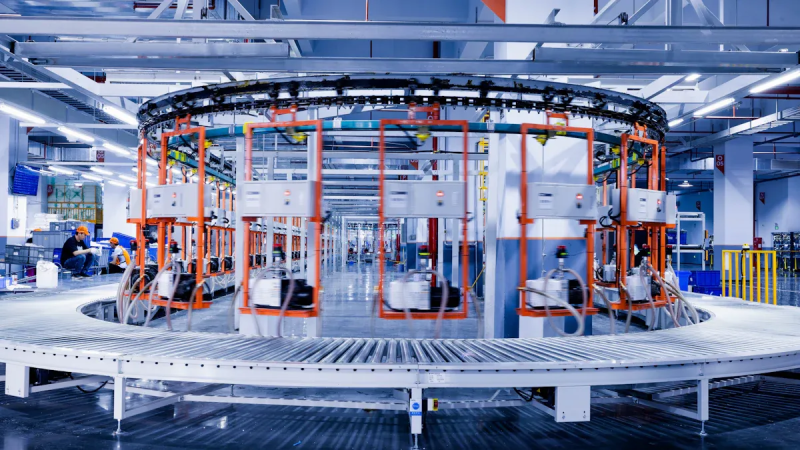
A low voltage variable frequency drive helps you change how fast your AC motor goes. You can use a low voltage VFD to make the motor run slower or faster. It also lets you control how much power the motor uses. This drive helps you use less energy and work better. You can control your machines more easily and pay less for electricity.
Canroon gives you trusted help when you need a good VFD for your machines.
Key Takeaways
A low voltage variable frequency drive (VFD) changes how fast AC motors run. You can make motors go faster or slower when you need to.
Using a VFD helps save energy and lowers electricity bills. It matches the motor speed to what the job needs.
VFDs help motors start and stop smoothly. This makes your equipment last longer and keeps it from breaking down quickly.
Some important things about VFDs are saving energy, having touchscreen controls, and special cooling systems. These features help VFDs work better.
You should clean your VFD and check its connections often. This helps your VFD work well and stops problems from happening.
What Is a Low Voltage Variable Frequency Drive
Basic Definition and Function
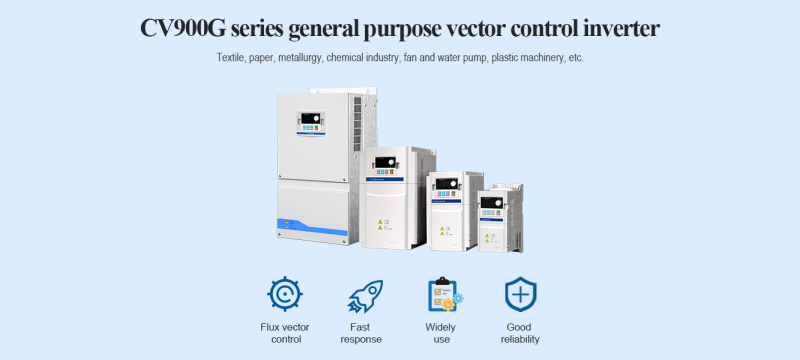
A low voltage variable frequency drive helps you control an AC motor. You can change how fast or slow the motor goes. You also control how much power the motor uses. When you change the settings, your machines work better. You save energy too. The drive changes the frequency and voltage sent to the motor. This helps your machines start and stop smoothly. Smooth starts and stops make your equipment last longer. You do not get sudden power jumps that can hurt your system.
You get more control over your machines with a low voltage variable frequency drive. You can pick the speed for each job. If you want the motor to go faster or slower, you change the frequency. This helps you match the motor’s work to what you need. You use less electricity because the drive gives only the power needed.
Here is a table that shows what a low voltage variable frequency drive does when you control AC motors:
Key Features of Low Voltage VFDs
Low voltage variable frequency drives have many useful features. These features help you work easier and keep machines safe. Some drives use water cooling for tough places. New designs help the drive give more power. Many drives now have big touchscreens. You can use a 10-inch touchscreen HMI to set up and watch your system. This makes it easy to control everything.
You also get good speed control. Your motor uses less energy and you pay less for electricity. The drive helps your machines run well. You avoid overheating and other problems. Here are some new features you might find:
Water cooling for tough places
Better thermal dissipation for more power
Touchscreen HMI for easy setup and control
Good speed control to save energy and money
A low voltage variable frequency drive helps you control your machines and protect them. You get more from your equipment and keep things running well.
Low Voltage VFD Operation
Main Components Overview
You find three main parts inside a low voltage VFD. Each part has a special job. These parts work together to help you control your motor.
You see the rectifier first. It takes the AC power from your wall and changes it into DC. The DC bus holds and cleans this power. The inverter then makes new AC power for your motor. This new AC can have any frequency or voltage you need.
Tip: Canroon designs each part to work well together. You get stable motor control and better performance.
How a VFD Controls Motor Speed
You control motor speed with a variable frequency drive by changing the frequency of the power sent to the motor. When you use the VFD, you pick the speed you want. The drive sends power at the right frequency. If you want the motor to go faster, you increase the frequency. If you want it slower, you lower the frequency.
The inverter inside the VFD uses Pulse Width Modulation (PWM) to make these changes. PWM lets you adjust both the voltage and the frequency. You get smooth changes in speed. Your motor does not jerk or stall. You keep your machines running safely and efficiently.
Variable frequency drives help you match motor speed to your job. You save energy and reduce wear on your equipment. You also get better motor control for every task.
AC to DC to AC Conversion Process
You can see how a low voltage variable frequency drive works by looking at each step in the conversion process:
The rectifier circuit takes AC power from the grid. It uses diodes or transistors to change this AC into DC.
The DC bus stores the DC power. Capacitors in the bus smooth out the power and keep it steady.
The inverter takes the DC power and turns it back into AC. It uses high-power transistors to set the frequency and voltage you need for your motor.
The inverter uses Pulse Width Modulation to control the output. It creates pulses that look like the three phases of an AC sine wave. You get precise control over both voltage and frequency. This lets you set the exact speed for your motor.
Canroon uses advanced technology in each part of the drive. You get reliable performance and easy motor control. The design helps you save energy and protect your equipment.
Note: When you use a low voltage variable frequency drive, you get smooth starts and stops. Your motor lasts longer and works better.
Variable Frequency Drive Benefits
Energy Savings and Efficiency
You can save a lot of energy when you use a low voltage vfd. The drive lets you control how fast your motor runs. You do not need to run your motor at full speed all the time. You can slow it down when you do not need as much power. This helps you use less electricity and lower your bills. Many variable frequency drives help you match the motor speed to the job. You get the right amount of power for each task.
You get precise control of motor speed and torque.
You reduce energy use by running motors only as fast as needed.
You see big savings, especially with fans and pumps.
You avoid sudden starts that can damage your equipment.
Tip: Using a variable frequency drive in your HVAC system can make your building more energy-efficient and comfortable.
Improved Motor Control and Performance
You get better control over your machines with a vfd. The drive lets you set the speed and torque for each job. You can change these settings easily. Your motor works better and lasts longer. You do not get sudden jumps in power. This means less wear and tear on your equipment.
You can cut motor energy use by up to 70%.
You adjust torque and speed to fit your needs.
Advanced parts like IGBTs and MOSFETs help the drive work smoothly.
You get steady power and fewer breakdowns.
Note: When you use variable frequency drives, your machines run smoother and safer.
Cost-Effectiveness in Applications
You save money in many ways when you use a variable frequency drive. You pay less for electricity. Your equipment lasts longer because you avoid hard starts and stops. You spend less on repairs and replacements. Many applications, like pumps and fans, work better with a vfd.
Here is a table that shows how variable frequency drives help with sustainability and savings:
Using a low voltage vfd helps you meet sustainability goals and makes your system more efficient.
VFD Applications
Common Uses in Industry
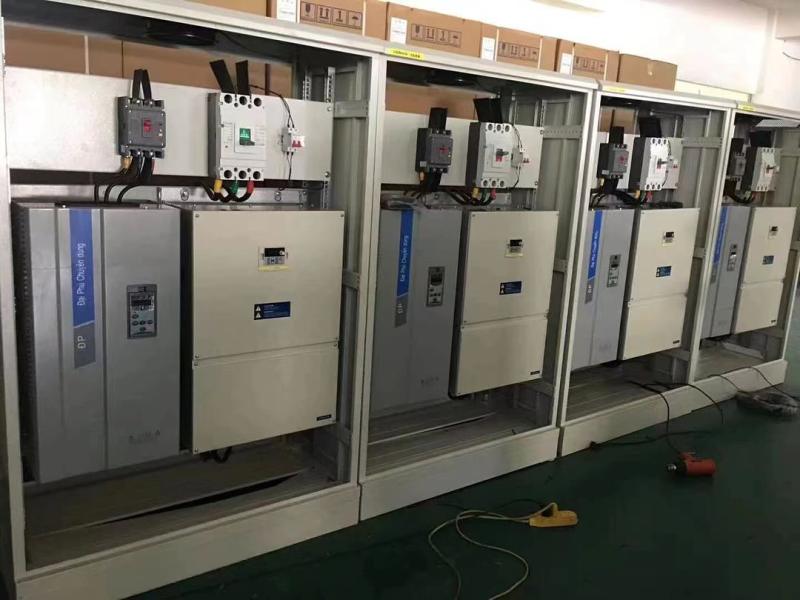
Variable frequency drives are used in many industries. These drives help control machines and save energy. You can use a vfd when you need to change motor speed. It also helps improve how well things work. Here are some places that use these drives:
Mining
Oil production
HVAC systems
Public utilities
Heavy industry
Elevator systems
Water and wastewater
Pumps, fans, compressors, conveyors, drilling rigs
People use variable frequency drives in these jobs because they give better control. They also help lower costs. You can change speed and power for each job. This helps your equipment last longer and work better.
HVAC, Pumps, and Fans
Variable frequency drives are often used in HVAC systems, pumps, and fans. These jobs need good control to keep buildings comfortable. Machines also run smoothly with these drives. The drive matches motor speed to what you need. You save energy and reduce damage.
Tip: You can use a drive outside. It works in many climates and helps your system stay strong.
Why Choose Canroon for VFD Solutions
You want a partner you can trust when picking a variable frequency drive. Canroon gives strong support and new technology. Their drives work well in hard places. You also get help with setup and fixing problems. Canroon helps you choose the right drive for your job. You can trust their products to keep your machines safe and working well.
Canroon gives expert help and good products. You feel safe and get better results for your jobs.
Selecting and Maintaining Low Voltage VFDs
Key Selection Factors
When you pick a low voltage variable frequency drive, you need to think about some important things. Your adjustable speed drive should fit your motor and the job you want it to do. Here is a checklist to help you choose a low voltage vfd:
Full Load Amperage: Look at your motor’s label. Make sure the drive can handle the current.
Overload Conditions: Think about times when the motor starts or works extra hard. Choose a drive that can handle these times.
Application Type: Decide if you need a variable speed drive for variable torque or constant torque. This will help you pick the right one.
Altitude: If you are in a high place, cooling and how the drive works can change. Harmonics might also get worse.
Certifications: Make sure your ac drive has the right safety and quality marks.
Tip: Always make sure your drive meets local and international rules before you buy it.
Common Issues and Limitations
Sometimes, you might have problems with an adjustable frequency drive. Harmonics can show up and cause trouble. High total harmonic distortion can make transformers and wires get too hot. Circuit breakers might turn off without warning. Harmonics can also make your system use more energy. You need to watch for these problems and plan ahead.
Harmonics can mess up your energy management systems.
Your motor controller might stop working without warning.
If you do not control harmonics, your system will not work as well.
Maintenance Tips for Longevity
You want your drive to last a long time. Checking and cleaning it often helps your real-time performance monitoring work well. Canroon gives good help for fixing and checking problems. Their team can fix overvoltage errors, power module failures, and overheating. You get full checks, repairs, load tests, and a service warranty.
Clean the cooling fans and vents often.
Check the wires and connections for damage.
Use real-time performance monitoring to find problems early.
Call Canroon if you need help with repairs or service.
Keeping your drive clean and checked helps your motor controller work better and saves you money over time.
You now know how a low voltage variable frequency drive helps you change motor speed and save energy. You get better efficiency and longer motor life. You also have more control for many jobs.
You use less energy by matching speed to the load.
Motors run smoothly with features like pulse width modulation.
Your equipment lasts longer and costs go down.
Canroon gives reliable VFD solutions and strong support. If you want to learn more, look at these helpful guides:
FAQ
What does a low voltage VFD do?
You use a low voltage VFD to control how fast your AC motor runs. You can change the speed, save energy, and make your machines work better. The VFD helps your motor start and stop smoothly.
Can you install a VFD on any motor?
You can install a VFD on most three-phase AC motors. Check your motor’s label for compatibility. Some older motors may not work well with VFDs. Always ask your supplier if you are unsure.
How do you know which VFD size to choose?
You look at your motor’s full load amperage and voltage. Pick a VFD that matches or is slightly higher than these numbers. You also think about your job’s needs, like overloads or special features.
What problems can happen with VFDs?
You may see harmonics, overheating, or sudden shutdowns. Harmonics can make wires and transformers hot. Overheating can damage parts. You avoid most problems by checking your system often and keeping your VFD clean.
How do you keep your VFD working well?
You clean the cooling fans and vents. You check wires and connections for damage. You use real-time monitoring to spot trouble early. If you need help, you contact Canroon for support.
Previous:
Next:
Sign up for updates