




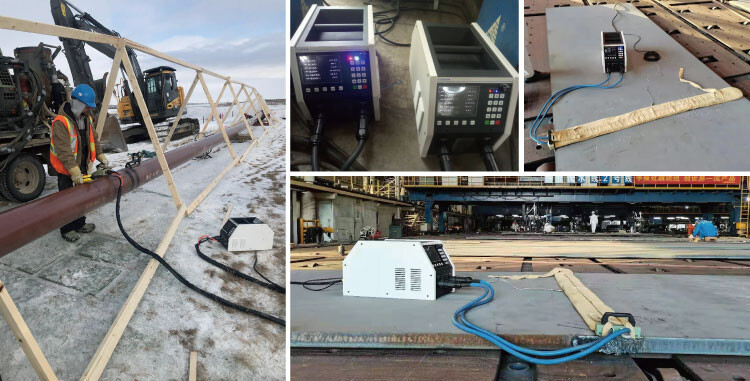
When you pick an induction preheater, you must think about what you need. Look at the material type, how deep you want to heat, the right power, and safety features. If you choose the wrong machine, you can have big problems:
If you do not preheat right, you can get cracks from hydrogen, the weld and heat affected zone can get too hard, stress can build up, and the weld can break or need expensive fixes.
This technology is also better for the environment. Induction preheating works more efficiently and is cleaner than old ways:
Canroon’s experts can help you pick the best one for you.
Key Takeaways
Know what material you have and how it heats up. Different metals need different settings to heat well with induction.
Pick the right power level for your induction preheater. Figure out how much power you need by looking at the part size and how fast you want it to heat. This helps you avoid waiting too long.
Match the frequency of your induction system to your material’s thickness. Lower frequencies heat deeper into the material. Higher frequencies work better for thin parts.
Make sure your induction heating system has good safety features. Look for overheat protection, an emergency shut-off, and clear alarms. These keep your work area safe.
Think about what you might need in the future. Choose a preheater that can handle bigger jobs or new materials. This helps you avoid spending more money later.
Induction Preheater Selection Basics
To pick the right induction preheater, you need to know your materials, what temperature you want, and how big your parts are. These things help you choose a system that works well. Let’s look at what you should think about.
Material Type and Response
Different metals heat up in different ways. The kind of metal you use changes how the induction heating system works. Here are some things to check:
Material Type: Metals like steel and iron get hot fast because they are ferromagnetic. Metals like aluminum or copper need other settings.
Electrical Conductivity and Magnetic Permeability: Ferromagnetic metals heat up quickly at low temperatures. When they get close to the Curie point, they lose their magnetic power. You might need to change the frequency to keep heating well.
Heating Depth: If you want the heat to go deep, you need to think about the frequency and power.
Frequency Choice: Lower frequencies heat deeper. Higher frequencies heat the surface.
Power Level: You need enough power for your metal and job.
Tip: When you heat steel, it gets hot fast at first. As it gets hotter, you may need to change your settings for the best results.
Target Temperature Needs
You must control the temperature when you pick your system. Every metal and job needs a certain temperature. If you do not reach the right temperature, your welds or parts may not be strong or safe. Here are some common preheat temperatures:
Your induction heating system should match these numbers. Good temperature control stops overheating or underheating. This helps you avoid cracks or weak spots. Many new induction preheaters have digital temperature control. You can set and watch your target temperature easily. This makes picking a system easier and helps you meet your job needs every time.
Area and Thickness Considerations
The size and thickness of your part matter a lot. If your part is big or thick, you need more power and maybe a special coil. Here’s why:
Large Areas: Bigger parts need more energy to heat all over. You may need a bigger or custom coil.
Thick Materials: Thick parts need heat to go deep. You will use a lower frequency for better heating inside.
Thin or Small Parts: Higher frequencies work better for thin parts and surface heating.
Note: Always check your job needs before you pick your induction preheater. If your system is too small, it will not work well. If it is too big, you waste energy and money.
If you think about material type, temperature control, and part size, you will make a good choice. Many industries use induction preheaters because they control temperature better, heat faster, and save energy. Over 65% of manufacturers like induction heating systems for their good results and reliability. About 72% say they work faster than old ways.
If you remember your job needs and these basics, you will find the right induction preheater for your work.
Frequency and Heating Depth
When you use an induction heating system, the frequency you choose decides how deep the heat goes into your metal. This is important because you want the right amount of heat in the right place. If you pick the wrong frequency, you might only heat the surface or not reach deep enough. Let’s break down how you can match frequency to your job.
Choosing the Right Frequency
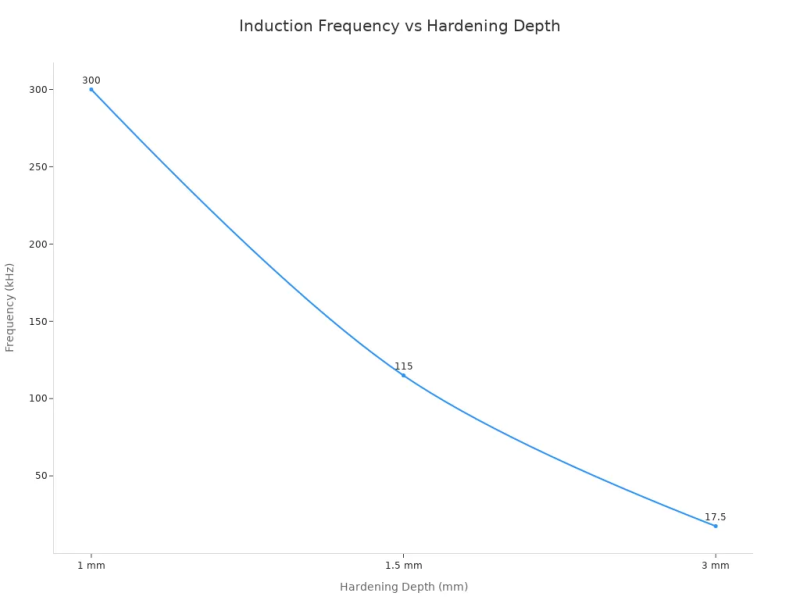
The frequency in your induction heating system controls how the heat spreads. High frequencies, like 200 kHz or more, make heat stay close to the surface. Low frequencies, such as 5 kHz, push the heat deeper inside the metal. You need to think about your part’s size and what you want to heat.
If you work with thick metal, use a lower frequency. This helps the heat reach deep inside. For thin metal, a higher frequency works better because you only need to heat the surface.
Here’s a quick look at how frequency matches with heating depth:
You can see that as the frequency goes down, the heat goes deeper. This is called the “skin effect.” The skin effect means that high frequencies heat only the outside, while low frequencies go further in.
Matching Frequency to Heating Depth
You want your induction heating system to match your part’s needs. If you have a big, thick part, you need more heating capacity and a lower frequency. This lets the heat reach the center. For small or thin parts, a higher frequency gives you fast, even surface heating.
Here’s a simple guide:
Low-frequency settings help you heat thick parts all the way through. They also work well for metals that do not carry heat easily.
High-frequency settings are best for thin parts. They heat up fast and use less power for small jobs.
When you adjust the frequency, you also change how efficient your induction heating system works. Lower frequencies help with big parts, while higher frequencies are better for small, quick jobs. Always check your heating capacity to make sure your induction preheater can handle your work.
Tip: If you want to avoid wasting energy or overheating, match your frequency and heating capacity to your part’s size and thickness.
By understanding how frequency and heating depth work together, you can get the best results from your induction heating system.
Power and Heating Rate
Calculating Power Needs
You want your induction heating system to work fast and safe. To do that, you need to figure out the right induction heater power for your job. The power requirements depend on the size of your part, the material, and how quickly you want to heat it. If you use too little power, your process will take too long. If you use too much, you waste energy and risk damaging your part.
Here’s a simple way to calculate the power requirements for your induction preheater:
Let’s walk through an example:
You have a carbon steel part that weighs 8 kg.
You want to raise its temperature by 100°C.
You want to do this in 300 seconds.
Your induction heating system has an efficiency of 0.72.
The formula for induction heater power is:
P = [8 × 0.49 × 100] ÷ (300 × 0.72 × 1000)
This gives you a minimum of 1.81 kW. To stay safe, you should use a safety factor of 1.5 to 2 times more. So, your kw selection should be about 3–4 kW.
Heating Speed and Process Requirements
The power requirements also affect how fast your induction heating system works. More induction heater power means you can heat your parts faster. If you need to finish jobs quickly, you should choose a higher kw selection. If you use pulse current, you get even higher heating rates at certain points. Without it, the heating rate drops and takes longer.
You should always match your induction heater power to your part size and how fast you want to work. If you pick the right power requirements, your induction heating system will run smoothly and save energy. If you go too low, you slow down your process. If you go too high, you waste money and risk overheating.
Tip: Always check your part size, material, and speed needs before choosing your induction preheater. The right induction heater power keeps your work safe, fast, and efficient.
Safety and Cooling
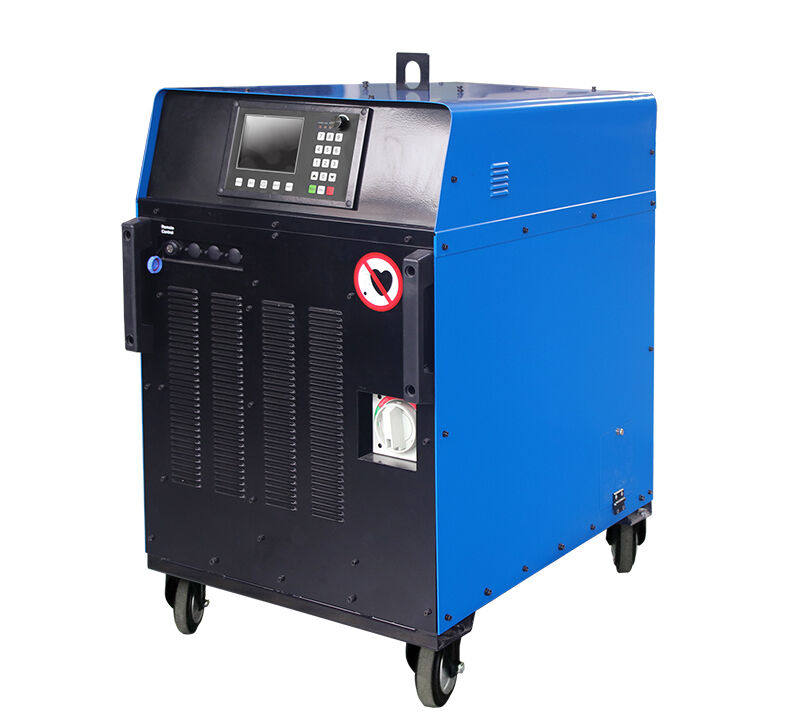
When you use an induction heating system, you need to think about safety and cooling. These two things keep your work safe and your equipment running well. Let’s look at what you should check before you choose your induction preheater.
Key Safety Features
You want your induction heating system to protect you and your team. Good safety features help you avoid accidents and keep your shop safe. Here are some things you should look for:
Overheat protection: This stops the system if it gets too hot.
Automatic shut-off: The machine turns off if something goes wrong.
Emergency stop button: You can stop the system right away if you need to.
Insulated cables and coils: These keep you safe from electric shock.
Clear alarms and warnings: The system tells you if there is a problem.
Safety standards help you know what to expect from your induction heating system. Many companies follow these rules to keep you safe:
Canroon’s induction heating system includes smart sensors, alarms, and easy-to-use controls. You get peace of mind every time you use it.
Cooling System Options
Your induction heating system needs a good way to cool down. If it gets too hot, it can break or stop working. You have a few choices:
Air cooling: Simple and works for small jobs or light use.
Water cooling: Better for big jobs or when you use the system for a long time.
Closed-loop cooling: Uses a tank and pump to recycle water. This saves water and keeps the system cool.
Tip: Always check your cooling system before you start. A good cooling setup helps your induction heating system last longer and work better.
Canroon offers both air and water cooling options. Their systems use strong pumps and smart controls to keep everything at the right temperature. You can trust your induction preheater to stay safe and cool, even during tough jobs.
Common Selection Mistakes
Choosing an induction preheater can feel tricky. Many people make the same mistakes, but you can avoid them if you know what to watch out for. Let’s look at the most common errors and how you can steer clear of them.
Material Compatibility Errors
You might think all metals heat the same way, but that’s not true. If you pick a preheater without checking your material, you could end up with poor results or even damage your parts.
Wrong Material Settings: Some users select a system set up for steel, then try to heat aluminum or copper. These metals need different frequencies and power levels.
Ignoring Magnetic Properties: Ferromagnetic metals like steel heat up fast. Non-magnetic metals like aluminum need more power and special settings.
Not Testing First: Skipping a test run can lead to surprises. Always test your setup with a sample piece.
Tip: Always check your material type before you buy. Ask your supplier if you’re not sure. Canroon experts can help you match the right preheater to your metal.
Underestimating Power or Safety
Another big mistake is picking a preheater that’s too weak or not safe enough. You might want to save money, but this can cost you more in the long run.
Low Power Selection: If you choose a system with too little power, your parts will heat too slowly. This can mess up your workflow and cause delays.
Skipping Safety Features: Some users ignore safety alarms or cooling systems. This can lead to overheating, equipment damage, or even injury.
Not Planning for Growth: If your jobs get bigger, your small preheater won’t keep up.
Remember, a little planning now saves you time, money, and stress later. If you have questions, reach out to Canroon for advice.
You want the right induction preheater for your job. Start by following these steps:
Figure out your power, frequency, and voltage needs.
Check the size of your workpiece and how fast you need to heat it.
Set your target temperature and heating time.
Decide if you need precise temperature control or automation.
Make sure safety features like emergency stops are included.
Choosing the right system saves you money on energy and repairs. Canroon stands out with custom solutions, strong support, and training. If you need help, reach out to Canroon’s experts or explore their technical resources.
FAQ
What materials can I heat with an induction preheater?
You can heat steel, iron, copper, aluminum, and many alloys. Each metal needs different settings. Always check your material type before you start.
How do I know what power level I need?
Start with your part’s size and how fast you want to heat it. Use the formula in this blog or ask a Canroon expert for help.
Is induction preheating safe for my team?
Yes, if you use the right safety features. Look for overheat protection, emergency stops, and clear alarms. Always follow safety rules.
Can I use one preheater for different jobs?
You can use one system for many jobs if it has adjustable settings. Change the coil or frequency for different parts.
Do I need special training to use an induction preheater?
You don’t need advanced training. Most systems have simple controls. Read the manual and ask for a demo if you want extra help.
Previous:
Next:
Sign up for updates