




You can use an induction heater for copper brazing to achieve precise and efficient results. First, clean the copper surfaces thoroughly. Choose the right filler material to ensure a strong joint. Using an induction heater for copper brazing provides exact, localized heat without the need for open flames, making your workspace safer and cleaner. Induction heaters for copper brazing, such as Canroon models, allow you to work faster and deliver consistent results every time. Additionally, an induction heater for copper brazing helps you save significant energy. Unlike flame-based methods, induction heating produces no emissions, which helps keep the environment clean.
Key Takeaways
Clean copper surfaces well before you start brazing. This helps make a strong bond and stops weak joints.
Pick the right filler material for your project. The correct alloy makes the joint strong and last longer.
Watch the temperature closely while brazing. The right temperature stops oxidation and keeps the joint strong.
Always wear safety gear when you use an induction heater. This keeps you safe from burns and other dangers.
Follow the best ways to set up and care for your induction heater. Good care helps it work better and last longer.
Equipment for Induction Heater Copper Brazing
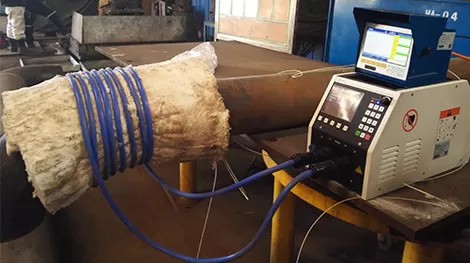
You need the right tools to start copper brazing. Every piece of equipment helps keep you safe and makes your work better.
Induction Heater Selection
Pick an induction heater that fits your project size. Many industries use these heaters for copper heat exchanger tubes, bus bars, and brass fittings. They are also used in making electric vehicles, medical devices, and fixing big motors. Canroon induction heaters work for small and big jobs. They heat things quickly and evenly. You also save energy when you use them.
Filler Material Choices
Choosing the right filler material makes joints strong. Most people use BCuP series alloys with phosphorus or BAg series alloys with lots of silver. Some common ones are BCuP-2, BCuP-3, BCuP-4, BCuP-5, BAg-1, BAg-5, and BAg-7. Studies show alloys like Ti-Cu-Zr-Pd and Cu90PSn help make joints stable and without defects. The right filler metal gives you a clean, strong bond when you use an induction heater for copper brazing.
Coil Design Essentials
The coil design changes how well your induction heater works. A good coil design helps heat better and makes joints stronger. Look at this table to see why coil choices matter:
Safety Gear
Always wear safety gear when using induction heaters. Put on heat-resistant gloves, safety glasses, and protective clothes. Follow safety rules to stop burns, shocks, and other dangers. Training teaches you how to use emergency stops and keep good records. Check your equipment often and use certified parts to stay safe.
Tip: Check your safety gear before you start. Good habits keep you safe and help your work.
Preparation Steps
Cleaning Copper Surfaces
You must clean copper parts before brazing. Dirt, oil, and grease can make the joint weak. First, use a solvent to remove oil and grease. For tough spots, use alkaline cleaning. After cleaning, use a brush or acid to remove oxidation. Do not leave any oil or coatings on the copper. Flux only protects the joint while brazing. It does not clean the copper.
Why does cleaning matter?
A clean surface helps the filler metal stick well. If you roughen the copper, the filler metal has more to hold onto. This makes the joint stronger. A rough surface can trap the filler metal and keep it in place.
Tip: Always clean copper before brazing. Clean copper makes a strong joint.
Assembling Components
You need to put the copper parts together carefully. Make sure the surfaces are clean and have no oxides. Leave space for the filler metal to flow between the parts. If the gap is too small or too big, the joint will be weak. Place the parts so the filler metal can move easily. After brazing, clean off any leftover flux. This keeps the joint looking good and working well.
Setting Up Induction Heater
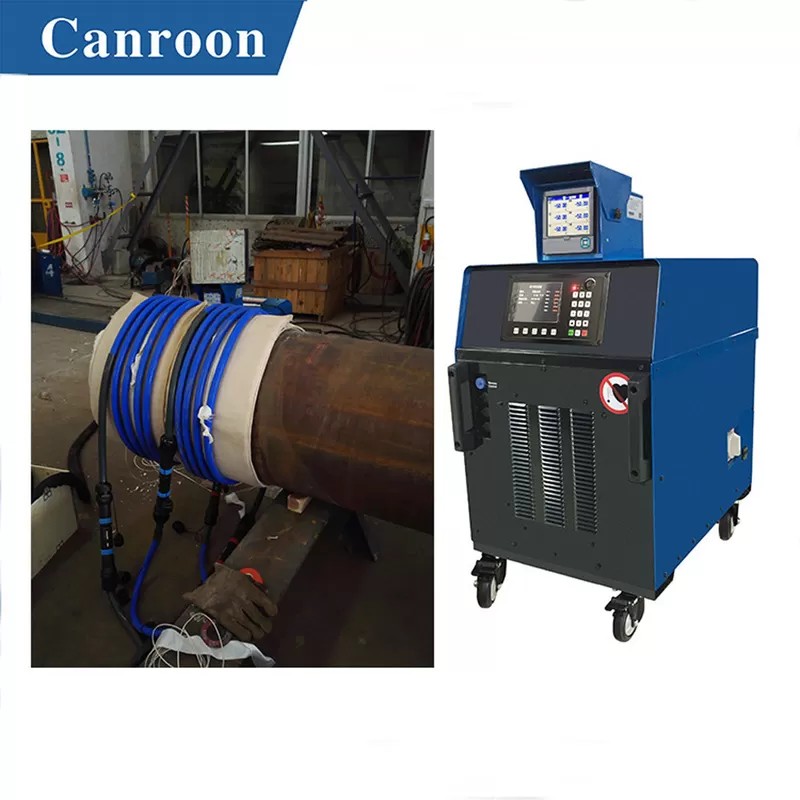
Set up your induction heater for copper brazing with care. First, organize your work area and clear away clutter. Make sure the room has good airflow. Keep flammable things far from your workspace. Follow the instructions for your machine. Connect the power and set the power and frequency. Put the coil around the joint to heat it evenly. Watch the temperature and time so you do not overheat. Always wear gloves and safety glasses. Check your equipment before you start. Training helps you use emergency stops and keep records.
Note: Careful setup and safety checks help you get the best results when using your induction heater for copper brazing.
Induction Heater for Copper Brazing Process
Applying Filler Alloy
You need to apply the filler alloy with care to get a strong joint. Start by choosing the right form for your joint. You can use thin sheets, wire, pre-made rings, or paste with flux. Each type works best for different shapes and sizes. Always apply flux before heating. Flux helps the filler metal flow and stops oxidation. Preheat the area to avoid quick crystallization of the alloy. When you heat the assembly, wait until it reaches the right temperature. Then, let the melted alloy spread and cover the base metal. Make sure the alloy wets the surface completely. After brazing, clean off all the flux. This step prevents corrosion and keeps your joint strong.
Apply flux to improve the flow of the filler metal.
Use the right filler metal form for your joint.
Preheat the area before spreading the filler metal.
Clean the flux after brazing to prevent corrosion.
Tip: Always check that the melted alloy covers the joint fully. This gives you a reliable bond.
Temperature Control
You must control the temperature closely when using an induction heater for copper brazing. The right temperature range for copper brazing is between 600°C and 1200°C. Most jobs work best at 810°C to 850°C. If you use a programmable induction heater, you can set preheat, melt, and post-heat cycles. This helps you avoid overheating and keeps the joint strong.
If you heat too fast or too long, you can damage the copper or cause oxidation. Watch the temperature and adjust as needed. Good temperature control gives you a clean, strong joint every time.
Heating Sequence
You should follow the right heating sequence for the best results. Start with a preheat stage. This step brings the copper up to temperature slowly and helps the flux work. Next, move to the melt stage. At this point, the flux becomes clear and the filler metal melts. The best temperature for brazing copper is between 1,100°F and 1,500°F. Hold the temperature for about five minutes. This time lets the filler metal flow and fill the joint. Do not overheat or hold too long. Overheating can cause oxidation or weaken the joint.
At 600°F, the flux turns white and puffy.
At 800°F, the flux looks milky.
At 1,100°F, the flux is clear and active. This is the right time for brazing.
After the melt stage, use a post-heat cycle if needed. This step helps the joint cool slowly and reduces stress. Always monitor the heating time to avoid damage.
Monitoring Joint Quality
You need to check the joint during and after brazing. Start with a visual inspection. Look for smooth, shiny fillets and make sure there are no cracks or voids. Check that the filler metal has flowed into all gaps. You should also verify that you used the right solder alloy and flux. Make sure the joint is clean and free from leftover flux or dirt.
Note: Good inspection helps you catch problems early. Strong, clean joints last longer and work better.
If you follow these steps, you will get reliable results with your induction heater for copper brazing. Careful work at each stage gives you strong, long-lasting copper joints.
Troubleshooting and Best Practices
Common Issues
Sometimes, problems can happen when you braze copper with an induction heater. You might see poor filler flow, oxidation, or weak joints. If the filler metal does not move well, check the gap between the parts. A gap that is too tight or too wide can stop the filler. Clean the copper before you start working. Dirt and oil can keep the filler from sticking. Oxidation can happen if you heat the joint too much or use too little flux. Always watch the temperature and use enough flux. If you see cracks or holes, check how long you are heating. Make sure the coil covers the joint all the way.
Tip: If your joints look dull or rough, try lowering the heat and cleaning the parts again.
Maintenance Tips
You should keep your Canroon induction heater in good condition to get good results. Follow these steps:
Note: Taking care of your heater helps it last longer and work better.
Achieving Reliable Joints
You can make strong copper joints if you follow best practices. Use the right machine, materials, and settings.
Studies show that following these steps makes copper joints last longer and keeps them from cracking.
The strongest joints come from vacuum brazing at 1150°C for 2 minutes with a cooling rate of 60 K/min.
Most joints last through many cycles if you use the right process.
Remember: Setting up carefully and checking often helps you make strong copper joints every time.
You can make strong copper joints if you do these things: First, clean the copper pipes inside and outside. Next, make sure the overlap joints are the right depth. Use clamps to keep the parts lined up. Then, use your induction heater for copper brazing to add the filler metal. Let the joints cool down slowly.
Clean pipes help the alloy stick better.
Keeping the right temperature and using good clamps helps your work.
Wearing safety gear and learning the right way keeps you safe.
Canroon induction heaters let you control heat well, make strong joints, and help you save time and energy.
FAQ
What safety gear do you need for induction brazing?
You should wear heat-resistant gloves, safety glasses, and protective clothing. This gear protects you from burns and sparks. Always check your equipment before starting.
Can you braze other metals with an induction heater?
Yes, you can braze metals like brass, aluminum, and steel. You need to choose the right filler metal and adjust the temperature for each material.
How do you know the joint is strong after brazing?
Look for a smooth, shiny fillet and no cracks. Test the joint by gently tapping or pulling. A strong joint will not break or move.
Why does coil design matter in induction brazing?
A good coil design heats the joint evenly. This helps the filler metal flow well and makes the joint strong. Poor coil design can cause weak spots.
Sign up for updates