




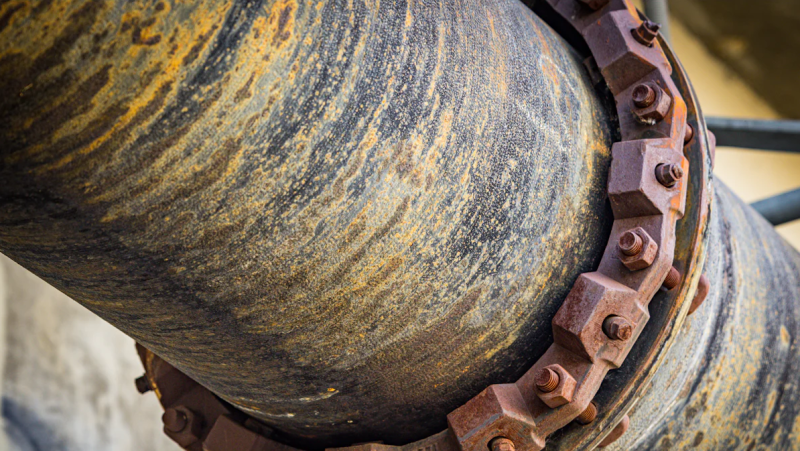
Picture this: your maintenance crew finds a stuck bolt on a steam turbine. You grab a torch, but the open flame heats everything around it. Seals can get damaged, and hours pass while you wait for the metal to react. Downtime grows, and safety risks increase with each minute.
Old heating methods let you down. They are slow, not exact, and risky. Induction bolt heating gives you a better way. This tech uses electromagnetic induction to create heat right inside the bolt, not outside it. You get speed and accuracy without extra damage.
This article looks at the science behind induction, shows Canroon's CR2100 system, and tells why an induction heater for bolts beats old ways. You will find simple steps to improve your maintenance work today.
Key Takeaways
Induction bolt heating is up to 70% faster than using a torch, which cuts downtime and saves money.
It heats only the bolt, so the threads and nearby parts stay safe from harm.
The CR2100 system gives exact temperature control and IoT tracking to help predict when maintenance is needed.
Induction heating removes open flames, so it is safer in dangerous places.
This technology allows for controlled heating, so bolts expand just enough to be removed easily with hand tools.
The Science of Induction Bolt Heating
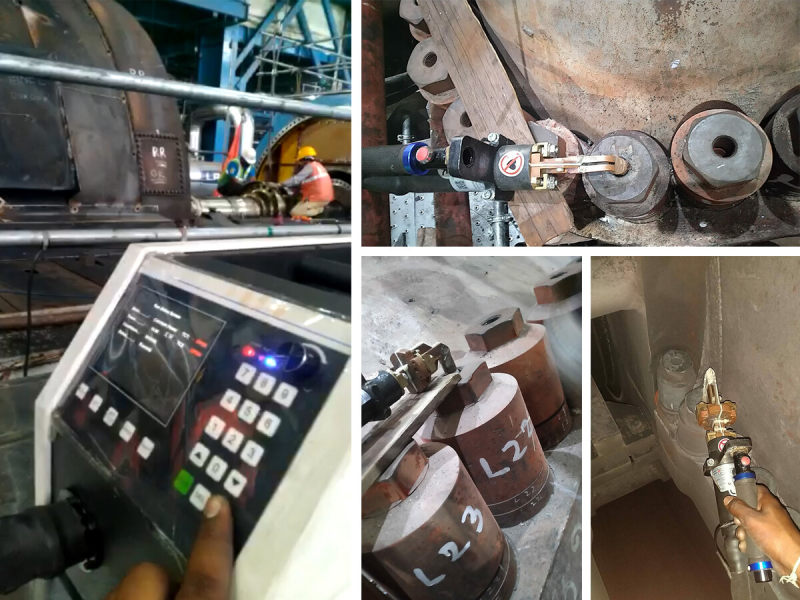
You might ask how a metal bolt can get hot without any flame touching it. The answer is electromagnetism. This technology turns electrical energy into exact, internal heat. Knowing this science helps you see why induction bolt heating beats old methods.
Electromagnetic Induction and Eddy Currents
The process starts with a simple setup. You put a coil around the bolt. Then you send an alternating current through that coil. This current makes a fast-changing magnetic field around the bolt. The field works like an invisible force that goes into the metal.
Here is how the heating happens step by step:
Alternating current flows through the coil, making a fast-changing magnetic field around it.
When you put a conductive material, like a metal bolt, inside this magnetic field, eddy currents form inside the material due to Faraday's law of electromagnetic induction.
These eddy currents make heat inside the material through electrical resistance, a process called Joule heating.
Eddy currents come from changing magnetic fields. They form when a conductor moves through a magnetic field or when the field around a still conductor changes. Any change in the strength or direction of the magnetic field can drive these circulating currents.
These circulating currents act like small rivers of electricity flowing inside the bolt. They need no physical contact. The coil never touches the metal. This no-contact method removes open flames and direct heat transfer. You get precision because you control exactly where the energy goes.
From Electrical Energy to Targeted Heat
The beauty of this system is how it changes energy. The electrical energy from the coil becomes heat right inside the bolt. No middle step exists. No flame heats the air first. No torch warms the area around it. The bolt itself becomes the heat source.
Several factors decide how deep the heat goes. You must know these variables to get the right result:
Frequency: Higher frequencies focus heating near the surface, while lower frequencies go deeper into the bolt.
Power density: Higher power density speeds up heating and creates a finer material structure, affecting hardness and depth.
Heating time: Duration controls heat flow; too much time risks core hardening and distortion.
Material factors: Carbon content in medium carbon steels allows proper hardening and affects how the metal reacts.
The skin effect plays a key role here. This effect focuses current and power density near the surface of conductors. At one skin depth, current density drops to about 37% of the surface value, and power density falls to about 13.5%. Almost all heating happens within the first skin depth. For bolts, higher frequencies make shallower heating, limiting heat to the surface layer. Lower frequencies allow deeper heating, warming more of the bolt's cross-section. Frequency choice controls the radial heat spread.
This direct internal heating gives clear benefits over torch methods. Heat forms inside the bolt, so it does not need to travel from the surface. Large turbine bolts reach expansion temperatures in minutes. Most electrical energy turns into heat inside the bolt. You get even temperature spread throughout the metal. No open flames cut fire risks. Localized heating protects nearby parts. Technicians control exactly where heat applies. Portable systems work right at the job site.
These ideas make induction heating useful for demanding industries. You get controlled thermal expansion without harming threads or seals. The precision of this method changes how you handle bolt removal and tightening. Thermal expansion becomes a predictable, easy process rather than a guessing game.
Precise Heat Control with Canroon's CR2100
The CR2100 system delivers power from 10 to 800 kW in a compact, portable converter. You can move this unit directly to the job site, no matter how tight the space. This design makes it one of the most versatile portable induction heating systems available for industrial maintenance. You get industrial-grade performance without sacrificing mobility.
Localized Heating to Protect Thread Integrity
The CR2100 excels at delivering localized heat exactly where you need it. You place the induction coil around the bolt, and the system generates heat directly inside that specific fastener. Nothing else in the area gets warm. This precision protects nearby seals, housings, and sensitive components from thermal damage.
Thread integrity matters more than you might think. Traditional torch methods often overheat the surrounding area, weakening the bolt's threads. The CR2100's precise temperature control keeps heat below 700°C for standard steel fasteners. This threshold prevents metallurgical changes that compromise the metal's structure. You avoid the common problems of rod melting inside bolts and thread galling during removal.
The benefits of controlled heating extend beyond protection:
Controlled expansion prevents thread galling and seizing
Reduced mechanical force means less component damage
Uniform heat application allows safe thermal expansion
Components can be removed with hand tools instead of heavy impact equipment
This approach eliminates the mechanical stress that impact tools create. When you use an induction heater for bolts, thermal expansion creates a clean separation. You do not strip or deform threads. The bolt expands evenly, and you remove it with minimal effort. This controlled heating method delivers superior torque accuracy during both removal and re-tightening procedures.
The system also supports shrink-fit component expansion. You can heat a bearing or gear to expand it slightly, fit it onto a shaft, and let it cool for a secure grip. This application demonstrates the versatility of induction bolt heating beyond simple fastener removal.
IoT-Enabled Monitoring for Predictive Maintenance
The CR2100 includes IoT-ready features that transform how you manage maintenance operations. You connect the system to your plant's network, and you gain real-time visibility into heating performance. Remote diagnostics allow technicians to fine-tune parameters without being physically present at the equipment.
This connectivity enables predictive maintenance strategies that reduce unplanned downtime. The system monitors vibrational, acoustic, temperature, and humidity trends. Machine learning algorithms detect early warning signs of equipment failure before issues escalate. You address problems proactively rather than reacting to breakdowns.
Deloitte reports that predictive maintenance achieves 25% cost reductions and eliminates 70% of breakdowns.
The data you collect from the CR2100 helps you optimize your entire bolting process. You track heating cycles, temperature curves, and expansion rates. You identify patterns that indicate wear or misalignment. This information guides your maintenance schedule and extends equipment life.
The practical impact on your operations is substantial. You reduce unplanned downtime by 20-50% when you deploy AI-driven predictive maintenance on critical assets. You cut equipment breakdowns by 70% with a real-time IoT sensor network. You respond to issues 85% faster when sensor alerts automate work orders. You reduce recurring failures by 60% using machine learning for root cause analysis.
Every heating cycle becomes a data point. Every bolt removal provides insight into system health. The CR2100 transforms a simple maintenance task into a strategic advantage. You achieve optimal bolt expansion every time because you understand exactly how your equipment behaves under thermal stress.
The combination of precise heat control and smart monitoring makes the CR2100 essential for modern industrial bolting. You get superior torque accuracy because you control the entire heating process. You protect your expensive components because you never overheat them. You reduce downtime because you predict failures before they happen.
This system represents the future of industrial maintenance. You move from reactive repairs to proactive management. You use an induction heater for bolts that not only performs flawlessly but also teaches you about your equipment. The CR2100 delivers precision, safety, and intelligence in one portable package.
Why Choose an Induction Heater for Bolts Over Torch Heating?
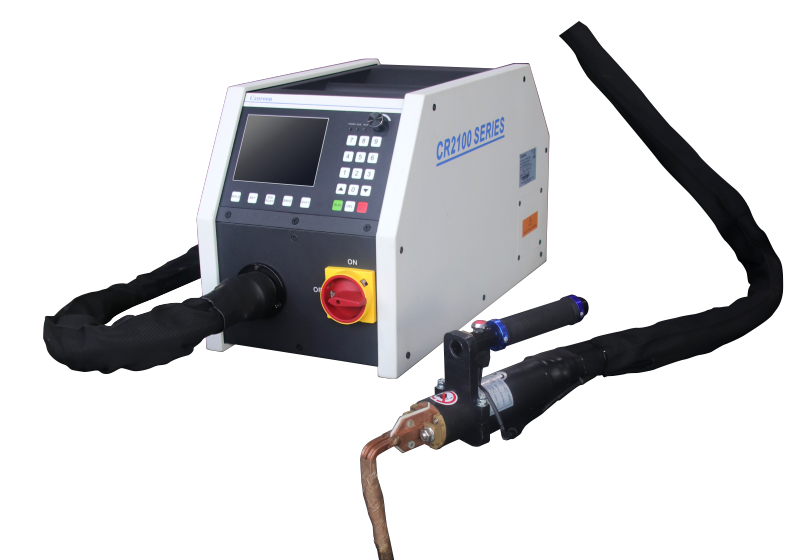
When you compare induction bolt heating to torch methods, the differences become clear quickly. Induction delivers results up to 70% faster than torch heating. That speed translates directly into reduced downtime for your operations. Every minute you save on bolt removal means more production time and less revenue lost.
Speed, Efficiency, and Cost Savings
Induction is not just fast; it also saves energy. Heat forms right inside the bolt, so less power is wasted. Torch methods lose most of their heat to the air and nearby parts. Induction puts all that energy exactly where it is needed. This precision makes induction the top choice for maintenance teams that care about time and money.
Labor costs drop significantly with induction. Your crew spends less time waiting for bolts to reach temperature. They also spend less time cleaning up after the job. No soot, no residue, no damaged seals to replace. The reduced risk of component damage means you avoid expensive replacement parts. When you add these savings together, the financial case becomes compelling.
The CR2100 system delivers superior torque accuracy during both removal and re-tightening. You control the exact temperature and expansion of each bolt. This control prevents the common failures that plague torch heating, such as rod melting inside bolts or thread galling. Your critical bolted connections stay intact and reliable.
Safety and Environmental Benefits
Safety concerns often drive the switch from torch to induction. Open flames create hazards that you simply cannot eliminate with traditional methods. OSHA restricts open flame operation near explosive or flammable materials. You often need trained fire watchers with extinguishers when using torches. These watchers must monitor the area for 30 minutes after the job ends.
With induction, there are no open flames, no combustion gases, and minimal hot surfaces. Consequently, induction heating significantly reduces fire hazards and operator risks compared to torch or furnace methods.
Confined spaces present additional challenges. OSHA standards 29 CFR 1910.252(c)(4) and 1926.353(b)(1) require forced ventilation when open-flame heating occurs in confined areas. You must test for oxygen and flammable gases continuously. Induction eliminates these requirements because no combustion occurs. The work environment stays cooler and cleaner.
This safety advantage makes induction ideal for hazardous locations like offshore platforms and chemical plants. You get fast, efficient, and highly controlled heating without the constant worry of ignition sources. Professional bolt heating services increasingly rely on induction for these demanding environments. Industrial bolting operations benefit from reduced insurance costs and fewer safety incidents. For shrink-fit component expansion and other precise applications, induction provides the control you need. Industrial bolt tensioning services also prefer induction for its repeatable results and operator safety.
Induction bolt heating gives you speed and accuracy that torch methods cannot match. You get faster work, precise temperature control, and a safer place to work. The CR2100 system shows these benefits with its portable design and IoT-enabled monitoring. You protect bolt threads, cut downtime, and save money each time you use it. Professional bolt heating services now use induction for important maintenance jobs. This method removes open flames and lowers risk in dangerous areas. You get controlled expansion without harming costly parts. The CR2100 makes Canroon a leader in industrial innovation. Think about your current bolt heating process today. Go to Canroon's website or call the team for a talk. See how precision heat changes your work.
FAQ
How Fast Does Induction Bolt Heating Work Compared to Torches?
Induction bolt heating works up to 70% faster than torch methods. A large turbine bolt reaches expansion temperature in minutes instead of hours. You reduce downtime significantly because the heat forms directly inside the metal. No waiting for flames to warm the surrounding area.
Is Induction Heating Safe for Use in Hazardous Areas?
Yes. The CR2100 creates no open flames and produces no combustion gases. You eliminate fire risks completely. OSHA restrictions on open-flame work near flammable materials do not apply. You also avoid the need for forced ventilation in confined spaces. This makes induction ideal for offshore platforms and chemical plants.
How Does the CR2100 Control Temperature So Precisely?
The system uses electromagnetic induction to generate heat only inside the bolt. You control the power output from 10 to 800 kW. The IoT-enabled monitoring lets you track temperature curves in real time. You adjust parameters remotely to achieve exact expansion without damaging threads.
Can I Use the CR2100 for Different Bolt Sizes and Applications?
Absolutely. The portable converter works with various coil sizes to fit different bolts. You can handle standard fastener removal, shrink-fit component expansion, and precise re-tightening. Industrial bolting operations benefit from this versatility. Many industrial bolt tensioning services now rely on induction for consistent torque application and repeatable results.
Previous:
Next:
Sign up for updates