




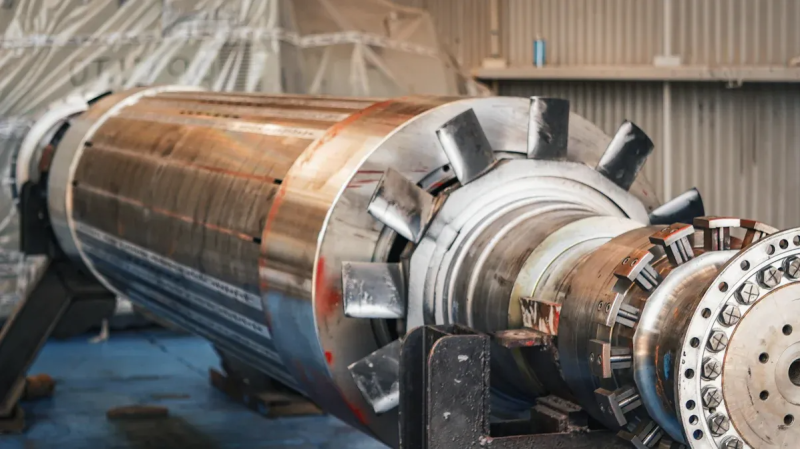
Induction heating works on any material that conducts electricity, including metals and semiconductors. How well it works depends on the material's magnetic traits and resistance. Non-conductive materials like plastics and ceramics can heat up indirectly using a conductive susceptor, such as graphite.
Why does a steel bolt glow red-hot in seconds, while a copper pipe barely warms up? The answer lies in eddy currents and magnetic hysteresis. Steel's magnetic traits create extra heat when its tiny magnetic domains flip. Copper lacks these traits and conducts electricity too well, so it makes less resistive heat.
An induction heating machine reaches over 98% energy efficiency for steel. Resistance heating only gets to about 60%. This big gap explains why more manufacturers are choosing induction technology.
Key Takeaways
Induction heating works on any material that conducts electricity, but how well it works depends on the material.
Metals with iron, like steel, heat up the quickest because they create heat from both eddy currents and magnetic hysteresis.
Non-ferrous metals such as copper and aluminum need higher frequencies and more power. They lack magnetic properties and have low resistance.
Non-conductive materials, like plastics and ceramics, need a susceptor, such as graphite, to heat them indirectly.
Match the frequency, power, and coil design to your material's traits and size for the best results.
The Science of Induction Heating
Eddy Currents and the Skin Effect
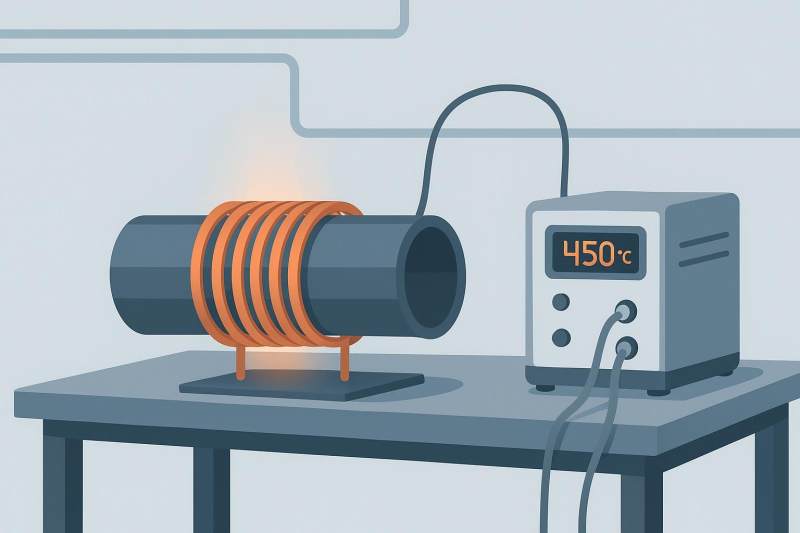
Induction heating starts with a changing magnetic field. Your induction coil carries alternating current. This current makes a magnetic field that pulses quickly around the coil. When you put a metal work piece inside this field, the field creates electrical currents inside the metal. These currents are called eddy currents. They move in circular paths within the material.
Eddy currents make heat through resistance. Every metal resists electrical flow a little bit. This resistance turns electrical energy into heat. The formula is simple: heat equals current squared times resistance. Higher resistance means more heat for the same current.
The skin effect matters a lot here. Alternating current stays near the surface of a conductor. Current density is strongest at the surface. It drops off quickly as you go deeper into the material. So thin materials heat faster than thick ones. High frequencies push current closer to the surface. Low frequencies let it go deeper.
Take copper as an example. At 100 kHz, the skin depth of copper is 0.21 mm according to the Gold Supplier calculator. Wikipedia reports a similar value of 206 μm. This tiny depth means high-frequency induction heating only touches the outer layer of a copper work piece. For surface hardening jobs, you want this shallow effect. For heating thick parts all the way through, you need lower frequencies.
Magnetic Hysteresis and Ferrous Metals
Magnetic hysteresis adds another way to make heat. Ferromagnetic materials have tiny magnetic domains. Each domain acts like a small magnet. When you expose these materials to an alternating magnetic field, the domains flip direction over and over. This flipping uses up energy. That energy turns into heat inside the material.
This effect adds to eddy current heating. Steel gets heat from both methods at the same time. Pure iron has a resistivity of 9.71 × 10⁻⁸ ohm·m at 20°C. This moderate resistance creates good eddy current heating. With hysteresis losses added in, iron heats very well.
Aluminum does not have this benefit. It is non-magnetic, so hysteresis adds nothing. Its high electrical conductivity means low resistance. Low resistance makes less I²R heat. This is why a steel bolt glows red-hot in seconds while a copper pipe barely warms. The steel work piece gets heat from two sources. The copper only gets heat from eddy currents.
Your induction coils must fit the material you heat. Ferrous metals work fine with standard setups. Non-ferrous metals need higher frequencies and more power. Knowing these physics ideas helps you pick the right equipment. Induction heating efficiency depends on matching frequency, power, and coil design to your specific work piece.
Ferrous Metals: The Most Efficient Materials
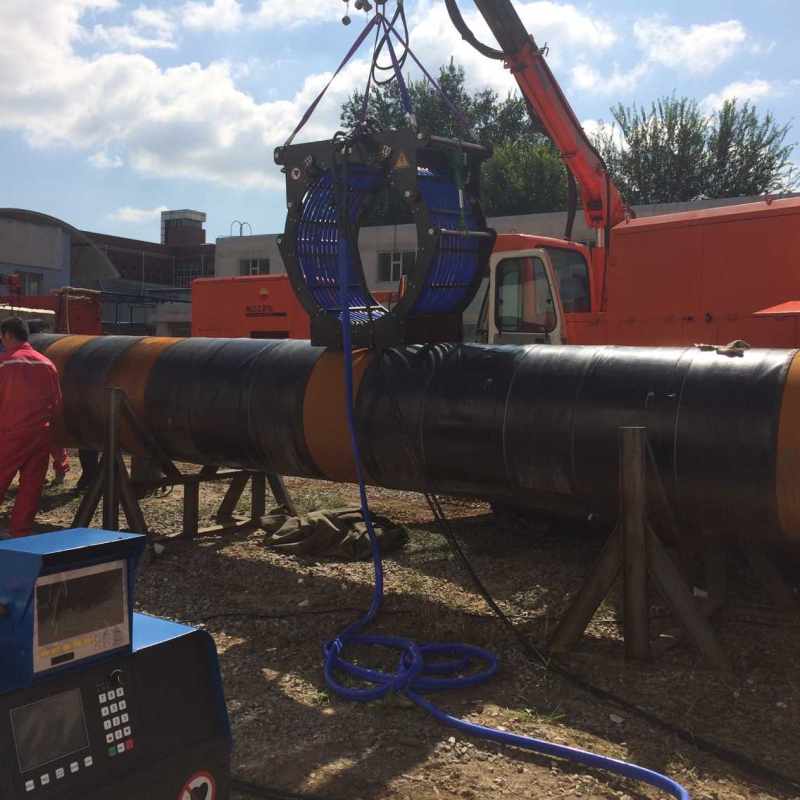
When you heat ferrous metals with an induction heating machine, you get the best results. Ferrous metals like carbon steel, cast iron, and martensitic stainless steel heat faster than any other materials. The efficiency of induction heating for ferrous metals is unmatched. Iron heats up faster than most metals. Two factors explain this advantage. Magnetic permeability and moderate resistivity create dual heat sources.
Steel, Iron, and Their Alloys
Carbon steel and cast iron have moderate electrical resistance. This resistance creates strong eddy currents. These currents make heat through resistance. Their magnetic properties add hysteresis losses on top of that. You get heat from two sources at once. This is why steel heats so quickly in an induction heating machine. For example, a steel bolt heats up in seconds. You can see it glow red-hot. This speed makes induction heating great for production lines.
Take martensitic stainless steel grade 410. This metal is ferromagnetic in all conditions. Its crystal structure lets magnetic domains line up easily. You can see this at room temperature. A magnet sticks to it strongly. The material stays ferromagnetic below its Curie temperature of about 770°C. Above this temperature, it becomes paramagnetic. This effect is temporary. Magnetism comes back fully when the metal cools.
Austenitic stainless steel is different. It is non-magnetic. You lose the hysteresis heat benefit. You need more power from your induction coils to heat it. The process takes longer. You must adjust your equipment settings. Both steel and stainless steel need different coil shapes for best results.
Here is a comparison of how different materials behave:
For forging applications specifically, induction heating systems achieve more than 90% efficiency. You get faster speed. You achieve higher production efficiency. You use less energy compared to old methods. This applies to both steel and aluminum when you set up the system right.
Modern induction systems reach efficiency values over 90% for non-magnetic metals. This gives rapid heat with little energy loss. It directly fixes the efficiency gap for aluminum.
Heating Above the Curie Point
The Curie point matters when you heat ferrous materials. For pure iron, this temperature is 770°C. Once you heat the metal above this point, thermal energy messes up the alignment of magnetic domains. The material loses its ability to stay magnetized. It changes to a paramagnetic state. The principle of induction heating metal above the Curie point relies only on eddy currents.
After you go past the Curie point, your induction heating machine uses only eddy currents. You lose the hysteresis heat boost. The efficiency drops. You must adjust your power settings. Your induction heating machine must work harder to keep the same temperature. This temperature matters for every steel part you heat. You must plan for it in your process design.
Canroon induction heating machines handle this change well. You use them for forging, hardening, and annealing processes. These jobs often need heat above the Curie point. The machine adjusts. You keep a steady temperature throughout the work piece. The coil you use must match the work piece shape.
For surface hardening, you may want to heat only the outer layer above the Curie point. This gives a hard surface while keeping the core tough. Your induction coils must match the shape of each work piece. Good coil design ensures even heat distribution. The work piece surface needs careful temperature monitoring. The work piece size affects your choice of coil and power settings.
The key takeaway is clear. Ferrous metals are the most efficient for induction heating metal. You get the benefit of both eddy currents and hysteresis. The process of induction heating metal with ferrous materials gives you the fastest results. But you must understand the Curie point. Above this temperature, you lose the magnetic advantage. Your equipment settings must adapt. Each metal type needs specific handling. The metal surface heats up first. The metal component needs proper coil positioning.
Non-Ferrous Metals and Induction Heating
Non-ferrous metals bring a different set of challenges to induction heating. Copper, aluminum, and brass have no magnetic properties. They also carry electricity very well. These two traits cut heating efficiency by a lot. You lose the hysteresis effect completely. You also get less resistive heat from eddy currents. The math is straightforward. Lower resistance means less I²R loss. Your induction heating machine must push harder to hit the same temperatures.
Copper, Aluminum, and Brass
Copper shows this challenge perfectly. Pure annealed copper has a resistivity of only 1.724 μΩ·cm at 20°C. Compare that to 304 stainless steel at 70–90 μΩ·cm. Steel's resistivity runs roughly 40–50 times higher than copper's. This gap explains everything. Your induction coil creates eddy currents in both materials. Steel fights those currents strongly, making plenty of heat. Copper lets them flow almost freely, making very little heat.
You need higher frequencies and stronger power densities for copper and copper alloys. The skin effect becomes your ally here. High frequencies push current near the surface. This concentration boosts local resistance. You get more useful heat from the same work piece. Your coil design must change too. Tighter coupling between coil and work piece improves energy transfer.
Aluminum needs even more careful handling. Its melting point sits much lower than steel's. Thin aluminum sections can melt before you notice. You need exact temperature control during the whole process. Your induction heating system must react quickly to changes. This precision stops costly mistakes. Brass sits between copper and aluminum in difficulty. It heats better than pure copper but still needs more power than steel.
Precious and Refractory Metals
Gold and silver bring unique challenges for induction heating metal. These precious metals oxidize easily at high temperatures. You must control temperature precisely to avoid surface damage. Jewelry making demands this accuracy. Your induction heating machine can hold exact temperatures with the right setup. This control protects both the metal's look and its value.
Refractory metals push your equipment to its limits. Tungsten and molybdenum have very high resistivity. They also melt at much higher temperatures than common metals. You need high power output from your induction coils. Specialized coil shapes help focus energy where you need it. These metals serve tough applications like aerospace parts and high-temperature processing equipment.
Canroon systems adapt to these difficult materials. You can set them up for jewelry making or industrial processing. The key is matching frequency, power, and coil design to your specific work piece. Each metal type reacts differently. Your setup must reflect these differences.
The principle of induction heating metals stays the same. You create eddy currents in any electrically conductive metals. The efficiency depends on the material's properties. Non-ferrous metals need more advanced equipment. They demand higher frequencies and better control. But the results are worth the effort. You get clean, precise heating without direct contact. This advantage makes induction the top choice for many applications.
Your induction heating system can handle all these materials. You just need the right setup. Work with equipment experts to find the best configuration for your needs. The versatility of induction heating metals makes it valuable across industries.
Non-Metallic Materials and Susceptors
Graphite and Carbon Fiber
Your work piece sits inside the coil, and eddy currents flow through it. Graphite is not a metal but conducts electricity well, so eddy currents flow through it like metals. This makes graphite useful as a susceptor, which is a conductive material that heats up first and then transfers heat to another material nearby. Graphite is one of the few electrically conductive materials that works this way.
Carbon fiber composites heat differently. The heating pattern depends on the fiber orientation, and the material must have closed loops for eddy currents to flow.
Induction heating only works for carbon fiber composites when closed loops for eddy current flow exist. Current flowing along the fibers must return through another set of fibers. This requires enough galvanic contact, like in woven fabrics. When fiber contact is not enough, current can only return through capacitive coupling of fibers. This needs very high frequencies (MHz range). This mechanism, driven by the anisotropic conductivity, means that heating intensity and distribution are strongly controlled by fiber orientation and the ability to form conductive loops.
You need woven fabrics with good fiber contact, and this setup works well for curing resins. Design the coil correctly so the heat distributes evenly.
Plastics, Ceramics, and Glass
Plastics, ceramics, and glass do not conduct electricity, so you cannot heat them directly with an induction coil. Instead, you need a susceptor like a graphite crucible. You place your work piece inside the crucible, and the coil heats the crucible. Heat transfers to your work piece through conduction or radiation. With the right setup, your work piece heats evenly. A dual hot zone configuration in a graphite furnace achieves a temperature uniformity deviation of less than ±1%.
Different materials transfer heat at different rates.
Alumina ceramic has low thermal conductivity at 25–35 W/m·K, so it responds slowly to heat. Silicon carbide works much better at 140–180 W/m·K, making it the better choice for high-temperature work as a susceptor. The coil design must match the susceptor material, and the material choice affects the design because it must handle the high temperatures.
Semiconductor processing often uses this method. You heat silicon wafers indirectly through a susceptor, and the wafer never touches the induction coil. This gives you clean, precise heating without contamination. So induction heating is a valuable tool for many industrial processes.
Any material that conducts electricity can work with induction heating. How well it works depends on its magnetic properties and resistance. Ferrous metals heat the fastest because they get heat from both eddy currents and hysteresis. Non-ferrous metals need higher frequencies and more power. Non-conductors need a susceptor like graphite.
You must match frequency, power, and coil design to your material's properties and size. Each application needs specific equipment settings. Think carefully about your unique needs. Talk with equipment experts, such as those at Canroon, to find the best setup.
Induction heating keeps changing modern manufacturing. Its energy efficiency and versatility make it useful for induction heating in many applications. This technology will keep growing as industries look for cleaner processing methods.
FAQ
What happens when you heat a work piece above its Curie point?
When a material goes past its Curie point, it stops being magnetic. The extra heat from magnetic flipping disappears. Your system now depends only on eddy currents. You need to change power levels to keep the temperature steady.
Can you heat non-magnetic metals with the same equipment you use for steel?
Yes, but you must make changes. Non-magnetic metals like copper don't get hysteresis heat. They also pass electricity very easily. You need higher frequencies and stronger power. Your coil might need a different shape.
How does the size of the work piece affect your induction heating setup?
Size must match your frequency choice. High frequencies only warm the outer layer. Low frequencies reach deeper inside. A thin piece heats quicker than a thick one. Your coil should fit the piece shape snugly.
Why does the coil design matter for different materials?
Coil shape controls how energy moves to the work piece. A close-fitting design sends more power. Magnetic and non-magnetic materials need different designs. The coil must match each material's shape.
Can you heat plastics or ceramics directly with an induction system?
No. These materials don't carry electricity. You need a susceptor such as graphite. The susceptor warms up first. Then heat moves to your material through conduction or radiation.
Sign up for updates