




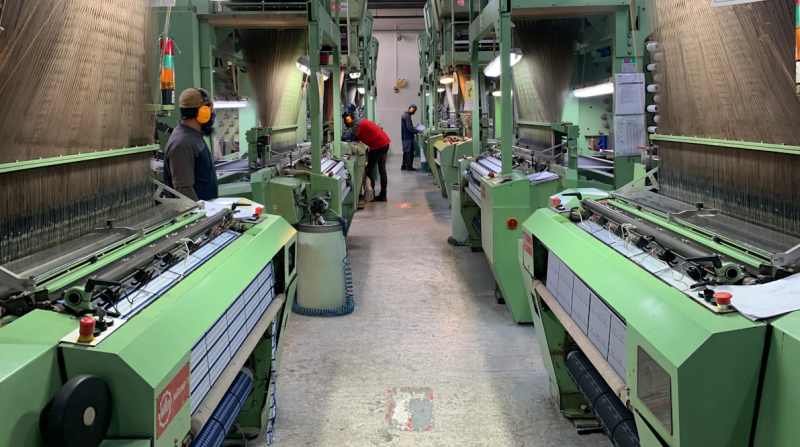
An induction heating power supply changes standard AC line power into high-frequency alternating current. This current moves into an induction coil, which creates a magnetic field. That field heats up a conductive workpiece without touching it directly. The process is fast, efficient, and precise.
You will see this technology used in many industries. According to Market Research Future, the induction heating system market hit USD 10.33 billion in 2024. Experts expect a compound annual growth rate of 5.48% from 2025 to 2035. This growth shows how reliable the technology is and how much energy it saves.
Knowing how this power supply works helps you make smart choices. In the next sections, you will learn about its parts, types, and how to use it safely.
Key Takeaways
- An induction heating power supply turns normal wall power into high-frequency current. This current makes a magnetic field that heats metal without any contact.
- The main parts are the rectifier, inverter, and tank circuit. These parts work together to convert power with over 95% efficiency.
- Solid-state power supplies are modern and effective. Tube-based ones are only for very high-power jobs above 100 kW.
- To pick the right power supply, match its power, frequency, and duty cycle to your job. This saves money and gives good results.
- Always use proper grounding and safety certifications. These keep you and your equipment safe.
What Is an Induction Heating Power Supply?
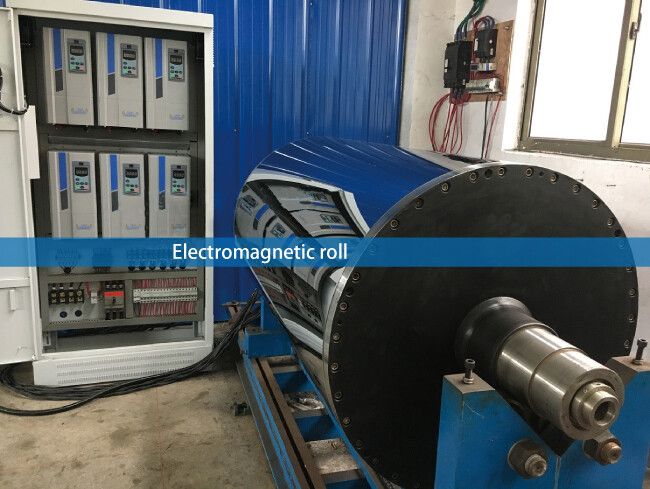
An induction heating power supply is the main part of the induction heating system. It works with two other key parts: the induction coil and the workpiece. Without the power supply, the coil cannot make the magnetic field needed for heating. The unit takes regular wall power and changes it into something completely different.
The Principle of Electromagnetic Induction
The science behind this technology comes from Faraday's law of induction. This law explains how a changing magnetic field produces an electric current in a conductor.
Faraday's law of induction says that the induced EMF is directly proportional to how much the magnetic flux changes (ΔΦ) and inversely proportional to how fast it changes (Δt). For a coil with N turns, the relationship is: EMF = -N(ΔΦ/Δt). This equation shows that the induced electromotive force equals the negative rate of change of magnetic flux. The negative sign shows it opposes the change (Lenz's law).
When you put a conductive workpiece inside the induction coil, the alternating magnetic field goes through the material. This field creates circulating currents, called eddy currents, inside the workpiece. These currents flow against the electrical resistance of the material, making heat from the inside. This internal heating is different from traditional methods that apply heat from the outside.
The frequency of the current decides how deep the heating goes. Lower frequencies, below 10 kHz, give deep heating for large objects. Higher frequencies focus energy on the surface. For example, surface hardening needs high frequency, usually between 100 kHz and 400 kHz. This range provides fast, precise heating for surface treatments. Melting large amounts of metal, on the other hand, uses much lower frequencies.
The depth of heating also relates directly to frequency. Shallow depths of 0.8 to 1.2 mm need frequencies of 200 to 400 kHz. Depths of 1 to 2 mm need 30 to 200 kHz. For deeper penetration of 2 to 4 mm, you would pick 5 to 30 kHz.
From Line Power to High-Frequency Current
Standard wall power comes at 50 or 60 Hz. This frequency is much too low for efficient induction heating. The induction heating power supply changes this line power into high-frequency alternating current through several steps.
First, a rectifier changes the incoming AC to DC. Then, an inverter switches the DC back to AC at the desired high frequency. Modern solid-state units reach conversion efficiency over 95%. The input power factor also goes above 0.95 across the full power range. These numbers mean very little energy gets wasted during conversion.
According to the U.S. Department of Energy, induction heating can be up to 50% more energy-efficient than traditional alternatives like gas furnaces or resistive heaters.
Efficiency values over 90% are achieved thanks to the proper design of the power converter and the coil, with much less heat loss to the surroundings.
The design of the induction coil itself also matters. For specialized uses, engineers pick different coil shapes. A Helmholtz coil without a magnetic core gets 400 Gauss at 10-400 kHz but needs large size and high electrical parameters. A rectangular coil with a Fluxtrol 50 core gets the same field strength with much smaller size and much lower power needs. These design choices directly affect how well your induction heating system works.
Key Components of an Induction Heating Power Supply
An induction heating power supply has several important parts that work together. Each part has a specific job in turning line power into useful high-frequency energy. Knowing these parts helps you find problems and pick the right equipment.
The Rectifier and Inverter
The rectifier is the first step in the conversion process. It takes incoming AC power and changes it to DC. Most modern units use diode bridges for this job. These bridges do full-wave rectification, meaning they use both halves of the AC cycle. A typical unit uses two rectifiers with the same specs. Both attach to a heat sink with fins. The first rectifier mounts on one surface, while the second sits on an intersecting surface. Their terminal polarity order stays the same relative to the mounting surfaces.
The inverter comes next. It switches DC back to AC at the desired high frequency. Different semiconductor types support different frequency ranges. Silicon-controlled rectifiers (SCRs) handle up to 10 kHz. IGBTs reach up to 100 kHz in voltage-fed designs. MOSFETs can achieve up to 3 MHz.
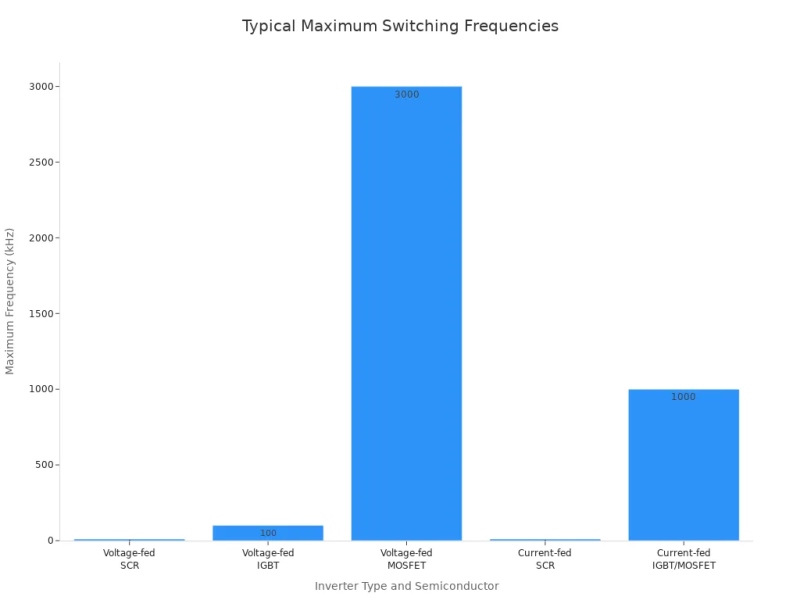
Compared to MOSFETs, IGBTs perform better at high voltages and high currents but switch more slowly. This makes IGBTs the preferred choice for medium- and high-power systems, such as induction heating power supplies, where high voltage and current handling are more critical than switching speed.
IGBTs also offer lower conduction losses at high currents. Their voltage scaling performs better because field-stop design allows a thin drift region. They have smaller die sizes above 600 V, which reduces gate charge. IGBTs also withstand short circuits for at least 5 microseconds, improving fault robustness.
The Tank Circuit and Control System
The tank circuit consists of a capacitor bank and the induction coil. Together, they resonate at the desired operating frequency. The quality factor, or Q, measures how sharply the circuit resonates. High-Q systems deliver the same real power but with much larger circulating currents. This creates more stress on components. Low-Q systems provide more margin and stability.
The control system monitors and regulates power output. It adjusts frequency to maintain resonance. It also watches safety parameters like temperature and current. Modern controls include protection against overvoltage, overcurrent, and overheating.
Safety certifications matter when selecting components. Look for compliance with recognized standards. IEC EN 61558 covers safety of power supplies. IEC EN 62076 addresses industrial electro heating installations. UL certification applies in North America. CE marking indicates compliance with EU directives. IEC 61000-3-2 limits harmonic emissions. IEC 60529 defines protection against dust and moisture. These standards ensure your equipment operates safely under fault conditions.
Types of Induction Heating Power Supplies
When picking an induction heating power supply, you have two main options: solid-state units or tube-based units. Each type fits different needs. Your choice depends on your power needs, budget, and what you plan to do.
Solid-State Power Supplies
Solid-state units use parts like IGBTs or MOSFETs to make high-frequency current. These units lead modern industrial use. They work better, take up less space, and cost less to run than older designs.
Companies build solid-state units in many power sizes. This range means you can find a solid-state option for almost any heating job, from small lab work to huge industrial melting tasks.
These units change line power with efficiency above 95%. They also keep a power factor above 0.95 across their full working range. You lose very little energy during conversion. Solid-state designs also react fast to control signals. You can change power output in milliseconds, which gives you exact temperature control.
Maintenance is simple. You swap out circuit boards and cooling fans instead of big glass parts. Most units have diagnostic systems that warn you about possible failures before they happen. This dependability cuts downtime and keeps your production line moving.
Tube-Based Power Supplies
Tube-based units use vacuum tubes to make high-frequency current. These designs have been around for decades. They still serve certain high-power jobs where solid-state tech is not yet worth the cost.
You will find tube-based systems in very high-power setups. They handle extreme loads that push solid-state parts to their limits. The starting price often favors tube designs at these power levels.
However, tube upkeep needs care. You must run the filament at the right voltage. Too hot or too cold shortens tube life.
Tube systems also have a sacrificial anode that guards the fitting. You must replace this anode over time as it wears down. Plan for this ongoing upkeep when you compare costs.
For most uses, a solid-state induction heating power supply gives better value. Pick tube-based only when your power needs go beyond what solid-state units can affordably provide.
Applications, Benefits, and Selection
Common Applications and Advantages
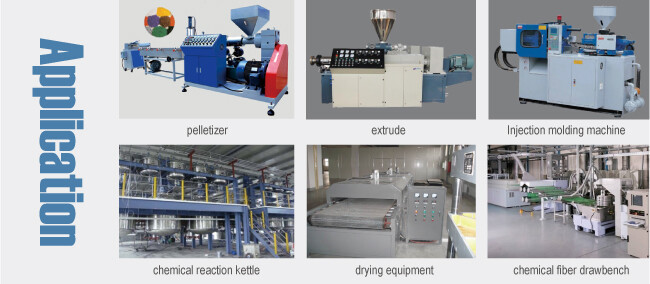
Induction heating shows up in many fields. The auto industry is a major user, with applications in hardening shafts, gears, and bearing surfaces. The semiconductor field also uses induction for crystal growth and heat treating.
Speed is a big plus. Induction brazing can finish a job quickly. A traditional furnace might take hours for the same work. The time above liquidus for induction brazing or soldering is short, based on workpiece size and coupling efficiency.
These gains hit your bottom line directly. You get precision, speed, energy savings, and repeatability in every cycle.
How to Choose and Safety Considerations
Picking the right induction heating power supply means looking at three key factors: power rating in kilowatts, frequency range, and duty cycle. Match the power output to your highest thermal needs. A unit too large costs more than necessary. One too small gives weak heat penetration.
Duty cycle matters a lot. Continuous production lines need steady power without thermal breakdown. Intermittent cycles allow short bursts of maximum power. Constant rapid heating creates heavy heat stress inside components. Avoid running near maximum capacity all the time, as this speeds up wear.
Some manufacturers offer custom solutions for specific uses. Their engineers help you match kilowatt capacity and duty cycle to your material properties, frequency needs, and cooling demands.
Safety needs your full focus. Proper grounding prevents electric shock risks. Shielding keeps electromagnetic fields inside the work area. Following local electrical codes ensures your setup meets legal standards. Talk with experts for your specific application before buying equipment.
The induction heating power supply converts standard line power into precise, high-frequency current. This current drives electromagnetic induction for fast, efficient, non-contact heating.
You now understand the key elements. The rectifier and inverter transform power. The tank circuit resonates at your target frequency. Solid-state units suit most modern applications. Tube-based systems handle extreme power levels. Frequency selection determines heating depth—lower frequencies penetrate deeper, higher frequencies heat surfaces.
This knowledge helps you choose wisely. Match power rating, frequency range, and duty cycle to your specific needs. Some manufacturers offer tailored solutions. Always prioritize proper grounding, shielding, and code compliance.
Consult industry experts before purchasing. Safety and compliance protect your team and equipment.
FAQ
How long does an induction heating power supply last?
Solid-state units use IGBTs and MOSFETs that switch reliably for years. Tube-based systems depend on tube replacement cycles. Regular cleaning and cooling system maintenance extend lifespan significantly.
Can one power supply work with different coil sizes?
Yes, you can use multiple coils with one power supply. The tank circuit includes a capacitor bank that matches different coil inductances. You must adjust the frequency to maintain resonance when you change coils. Modern control systems handle this automatically. Check your unit's specifications for compatible coil ranges.
What safety certifications should you look for?
Look for IEC EN 61558 for power supply safety. IEC EN 62076 covers industrial electro heating installations. UL certification applies in North America. CE marking shows EU compliance. IEC 61000-3-2 limits harmonic emissions. IEC 60529 defines dust and moisture protection. These standards ensure safe operation.
Is induction heating more expensive than gas furnaces?
Initial costs run higher for induction systems. Operating costs are lower because efficiency exceeds 90%. The U.S. Department of Energy reports up to 50% energy savings versus gas alternatives. Faster cycle times reduce labor costs. These savings offset the higher purchase price over time.
Previous:
Next:
Sign up for updates