




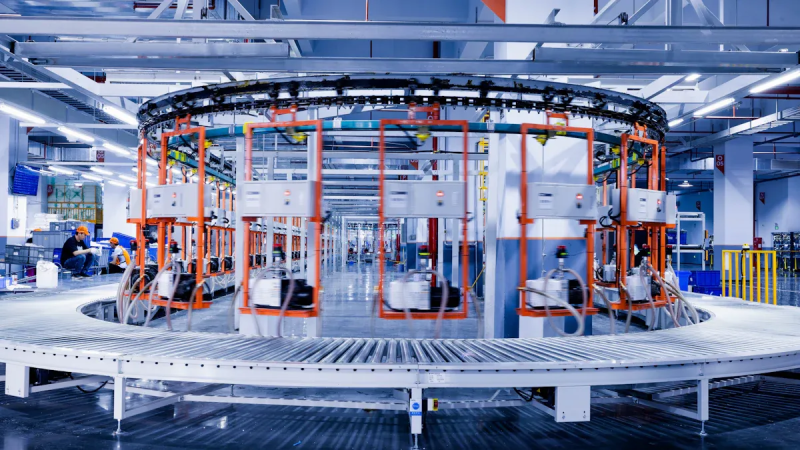
You face hard operational challenges with heavy conveyors and high-torque extruders in modern factories. Heavy loads cause severe machine shock and heat stress during nonstop production cycles. Installing a modern variable frequency drive easily removes low-speed torque bottlenecks.
An advanced vfd smooths out start cycles and protects main motor parts. The active vfd keeps temperature balanced during heavy-duty operations. Canroon drive technology delivers exact motor speed control, major energy savings, and easy network connection across factory automation systems. You tune every vfd system for maximum efficiency. This flexible vfd unit reduces machine wear while each vfd unit guards your equipment. You use a dependable VFD application to boost overall factory output.
Key Takeaways
Heavy-duty VFD ratings offer a 150% power boost. This high turning force keeps machines from suddenly stopping during heavy startups.
Variable frequency drives limit motor startup electric current to 100%. This smooth speeding up protects conveyor belts and gearboxes from damage.
Dynamic braking resistors soak up extra power when a conveyor stops. This safety feature keeps the drive from shutting down due to high voltage on steep hills.
Closed-loop vector control provides exact motor speed regulation. This constant accuracy prevents raw material clogs inside high-torque extruder barrels.
Output filters block dangerous voltage spikes on long motor cables. These protective devices shield motor insulation and extend equipment life.
Core Mechanics of Heavy-Duty VFD Applications
Constant Torque Load Profiles vs. Variable Torque Requirements
You need to check load profiles before picking motor drives. Screw conveyors and extruders demand steady torque at all speeds. On the other hand, water pumps and cooling fans use variable torque.
Most drives have two power limits. Normal duty fits fans and pumps with a small 110% power boost for one minute. Heavy duty supports conveyors and mixers with a strong 150% boost for high startup loads. Picking the wrong drive setting is a top cause of unexpected system shutoffs.
Managing High Static Breakaway Torque and Motor Inrush Current
Heavy industrial machines need strong starting power to overcome heavy friction. You set up a motor drive to limit big electrical surges when machines turn on. Proper drive settings guarantee reliable performance in tough factory jobs.
Heavy Duty rating gives 150% extra current for one minute to move tough, high-friction conveyors.
Normal Duty rating gives 110% to 120% extra current for one minute to run fans and pumps.
Heavy Duty offers extra heat protection by saving spare power capacity so the machine will not trip.
One drive usually has both ratings, but Heavy Duty trades continuous output for larger short-term boosts.
Choosing a good motor drive protects internal wires from dangerous heat. Your machine setup gets great results from controlled electric current. Each active drive adjusts its turning force as loads change. Good drive settings improve performance across many industrial applications. The right drive prevents expensive machine damage. Meanwhile, every drive manages daily work stress with high efficiency. The standard drive speeds up motors smoothly. A modern drive keeps mechanical parts moving freely. This smart drive handles high heat very well. Your chosen drive moves heavy belts without jerky stops. An industrial drive provides safe motor power day after day.
Common VFD Applications in Industrial Conveyor Systems
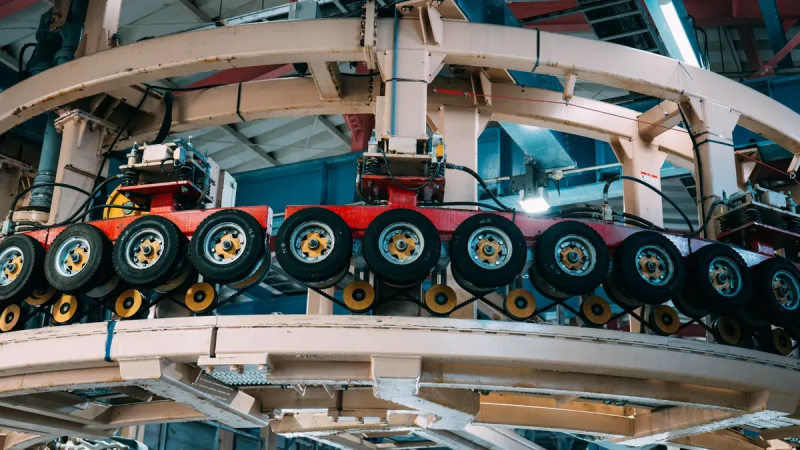
You optimize long material handling lines by studying common vfd applications across your facility. Conveyor systems often require multiple motor drives to move heavy bulk loads over long distances. You keep each vfd performing reliably under heavy work. High physical stress can damage long conveyor belts without proper motor coordination.
Multi-Motor Load Sharing and Speed Synchronization
You can link multiple drives together on a single long belt conveyor system. One vfd acts as the main controller to set the main line velocity. The other follower vfd drives match the exact turning speed and motor load force. A modern vfd prevents gear shock during heavy acceleration phases.
You use speed droop control inside every follower vfd to equalize mechanical tension. Droop control slightly reduces motor speed when motor torque increases. This tiny speed adjustment prevents belt stretching across physical drive pulleys. It also stops mechanical binding in heavy power gearboxes. Each follower drive continuously adjusts its output turning force based on actual belt drag. This steady control protects expensive vulcanized belt splices from snapping under extreme tension. Balanced motor loading extends the operational life of gears, bearings, shafts, and conveyor rollers.
Soft Starting, Controlled Deceleration, and Dynamic Braking
Starting heavy conveyor motor equipment directly across the line causes massive electrical spikes and sudden mechanical stress. A variable frequency drive provides smooth acceleration by controlling motor voltage and electrical frequency together during startup.
Starting a motor directly across the line can require an inrush current of 600% or more of the rated motor current. A VFD can limit the current inrush to the full load rating of the motor (100% of rated current). This indicates a reduction from 600% to 100% of rated current.
You protect mechanical belt splices, drive chains, and gear teeth by eliminating harsh mechanical shock during starts. Smooth ramping prevents material spillage at belt transfer points. Programmable acceleration curves let you ramp up speed without jerking bulk materials.
Controlled deceleration helps stop high-inertia conveyor belts without creating material pileups or slack belt conditions. However, declining conveyors present unique operational hazards for motor drives. Overhauling gravity loads push the motor faster than its set operating frequency. The motor acts as an electrical generator and sends excess power back to the vfd bus. High internal bus voltage will trip your vfd unit without proper energy dissipation methods.
You install dedicated dynamic braking resistors to dissipate this extra energy.
Treat the vfd application like a hoist application for inclined conveyors that require fast deceleration.
Select a braking resistor sizing factor of 1.25 times the motor rated power.
Match the resistor to hoist power with a minimum duty cycle of 4 seconds at 25% duty.
Allow the resistor to absorb energy for 4 seconds, then cool the resistor for 12 seconds at full load.
Proper resistor sizing prevents overvoltage trip faults on steep downhill belt ramps. You configure each vfd application to route surplus electrical energy safely into the heavy resistor bank. The dynamic braking process converts kinetic braking energy into thermal heat away from sensitive drive power electronics. The active vfd regulates energy flow safely. Every vfd maintains total control over heavy moving loads during planned deceleration or emergency stops.
High-Torque Extruder Control via Variable Frequency Drive Systems
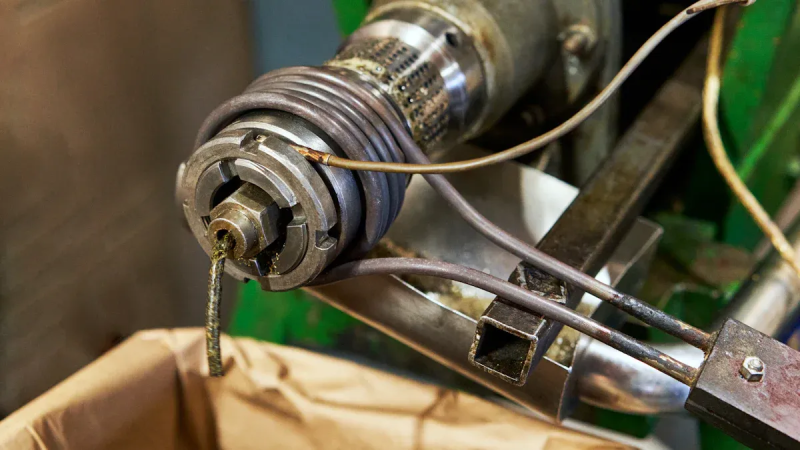
Plastic and rubber processing lines require continuous heavy power at very slow operating speeds. You install a variable frequency drive to manage dense polymer melts without overheating the vfd electronics during prolonged production runs. High static friction inside the extruder barrel demands immediate turning force right from a full stop. Variable load resistance can easily cause mechanical jams if your power delivery wavers.
Precision Motor Regulation in Industrial VFD Systems
Standard motor drives often struggle during slow speed operations due to poor low-frequency torque output. You overcome this operational bottleneck by applying closed-loop flux vector control with encoder feedback to your main screw motor. This control strategy delivers key performance metrics for heavy industrial manufacturing:
Full torque available at 0 Hz (near-zero RPM)
Speed regulation: ±0.01%
Torque response in milliseconds
True torque control mode enabled with encoder feedback
This precise feedback setup allows the vfd to maintain exact shaft position under shifting load conditions. You can compare control strategies by reviewing published technical drive specifications:
Your process maintains strict output dimensions when the drive holds constant shaft motion. Precise motor speed control stops thick raw material from clogging the feed throat during initial mixing. The active vfd adjusts voltage instantly to maintain optimal polymer flow through the extrusion die.
PID Melt Pressure Regulation and Thermal Interlocks
Polymer output quality depends directly on stable melt pressure inside the barrel. You connect a melt pressure transducer straight to the internal PID loop of your primary vfd unit. The pressure transducer measures fine pressure changes near the die head continuously. Then, the internal controller inside the vfd automatically adjusts the screw rotation speed to balance internal pressure. This immediate speed adjustment prevents raw material surges and protects against dangerous barrel over-pressurization.
You gain improved process control by locking drive operation directly to heating zones along the extruder barrel. Cold raw plastic can lock the heavy feed screw in place when machines sit idle. Starting a motor against solid plastic will shear screw flights and snap heavy drive shafts. You configure hardwired thermal interlocks inside the control logic of your vfd application. The drive blocks start commands until every barrel heating zone reaches its specified target temperature setpoint.
The modern vfd continuously monitors motor current during daily production runs to protect expensive screw components. If thermal sensors detect a sudden temperature drop, the safety control system triggers instantly. The vfd ramps down screw speed before static material thickens inside the barrel. The smart vfd prevents thermal overload conditions across all heating zones. You maintain constant material quality while the vfd guards mechanical parts against severe operational stress. This integrated protection strategy reduces costly downtime during long industrial extrusion runs. Each vfd maintains safe operation under tough manufacturing conditions.
Protection Measures and Canroon Drive Integration
Mitigating dV/dt Spikes and Shaft Grounding Currents
Long motor cables create dangerous high-voltage spikes. Quick switching creates electrical waves that damage motor insulation over time. You must add proper output filters to protect your equipment.
For motor cables from 30 to 100 meters long, add a dV/dt filter to limit voltage spikes.
For cable lengths between 100 and 150 meters, add a sine wave filter to shield motor wire insulation completely.
For cables over 150 meters long, ask the drive maker about special load reactors.
Installing a dV/dt filter limits high voltage spikes to safeguard motor parts, which prevents early drive system breakdowns.
High-frequency voltage spikes also create harmful shaft voltages. These electrical charges discharge through bearings and cause deep pitting. You stop bearing wear by adding shaft grounding rings. Split rings attach easily onto connected motors using conductive glue. Solid rings fit flush during standard maintenance checks. These rings send dangerous electrical currents safely down to the ground. This setup removes damaging bearing currents across your heavy drive equipment.
Sizing Forced Cooling Options for Low-Speed Continuous Operation
Running machines slowly all day lowers the cooling power of standard motor fans. Slow speeds cause fast heat buildup inside motor windings. Canroon drives solve this heating problem using smart thermal control features. The primary vfd tracks internal heat sensors in real time. This drive automatically starts low-speed safety rules during long work runs. The active vfd changes voltage output to stop motor overheating.
You keep safe temperature levels by adding separate motor cooling blowers. An extra cooling fan gives steady airflow no matter how fast the motor turns. You can set custom drive settings inside the Canroon drive software. This smart drive saves energy while checking temperature levels constantly. A secondary vfd triggers alerts before heat damage happens. Your main vfd protects motor wiring from sudden temperature spikes. Each extra drive sends key heat data back to your central network. The main drive stays in control across all motor speeds. This strong drive prevents motor damage from slow-speed work stress. Your complete drive system delivers smooth high-torque power during hot heavy operations.
Industrial Fieldbus Communication and Automated Network Control
Real-Time Networking via PROFINET and EtherNet/IP
You link modern drive systems straight to main controllers with fast industrial networks. This quick communication speeds up commands across your whole factory line. Fast setups like PROFINET and EtherNet/IP send speed settings to every active drive fast. This single digital cable replaces huge bundles of old control wires. You set up simple data routes in your software for easy drive control.
Smart factory networks give reliable control across many linked machines. A main controller sends start, stop, and speed commands to the drive interface. Every connected drive gets instant updates to keep conveyor belts moving together. Modern network cards fit right into extra slots inside your drive unit. This quick setup saves labor and keeps electrical noise out of your signals.
Diagnostic Parameter Monitoring and Predictive Maintenance
Steady data collection turns simple motor controls into smart plant sensors. Your main controller reads live work numbers from every drive on the network. The drive measures motor current using built-in sensors to help catch future problems. This clear signal gives great maintenance facts and handles plant noise better than shaking tests.
Smart tracking tools spot machine trouble long before real parts break down. You feed steady current readings from your drive right into smart tracking software. The main system uses proven math rules to spot early machine wear:
Motor Current Signature Analysis (MCSA) with fuzzy logic sorting
Support Vector Machine (SVM) and K-Nearest Neighbours (KNN) rules
Decision Tree, Random Forest, and Linear Discriminant Analysis (LDA) tools
Gaussian Naïve Bayes (GNB) and Genetic Algorithm-SVM math setups
Artificial Neural Networks (ANN) and Convolutional Neural Networks (CNN)
Finding early machine issues stops sudden factory shutoffs on tough, high-torque extruders. The memory log inside the drive records quick current spikes and small load changes. Your repair team gets fast network warnings from the drive system when power numbers go too high. You plan quick fixes early to boost total factory work using every connected drive.
You improve motor output by picking heavy-duty drives, using sine wave filters, and linking pressure sensors to control loops. Adding a variable frequency drive guards motor wires against high voltage spikes and heat buildup. Accurate torque control offers major practical gains for your plant. You lower equipment wear, stop sudden downtime, boost worker safety, and get the highest factory output.
Every vfd unit keeps power steady during heavy factory runs. You shield high-torque extruder screws from machine shock with a modern vfd setup. Each linked vfd guards hardware, while the main vfd system cuts down energy use. Reach out to Canroon vfd application experts today to upgrade your automation drive setups.
FAQ
What is the difference between heavy duty and normal duty vfd ratings?
You pick a heavy duty vfd to run steady loads like extruders. This vfd gives a 150% power boost for 60 seconds. A normal duty vfd runs pumps and basic tools with a 110% boost. The right drive settings stop sudden shutoffs on heavy machines.
How does a vfd reduce motor inrush current during startup?
Starting a motor directly draws 600% of its normal current. Using a modern vfd caps this electrical surge at 100% of rated current. Your active vfd manages voltage and frequency at the same time. Each vfd protects drive belts and gear teeth from sudden hits. Every vfd keeps daily work safe.
Why do you need output filters on a long motor vfd cable?
Long cables create high voltage spikes that damage motor wire covers over time. You put in a dV/dt filter when motor lines run 30 to 100 meters. A sine wave filter shields wire covers for cables up to 150 meters long. Every vfd works better with clean power.
How does a vfd optimize speed control in high-torque extruders?
A closed-loop vector vfd uses sensor feedback to give full power at zero speed. This special vfd controls screw speed with 0.01% accuracy. Your main vfd links straight to pressure sensors in the hot melt. A secondary vfd runs extra equipment across your active line.
Previous:
Next:
Sign up for updates