




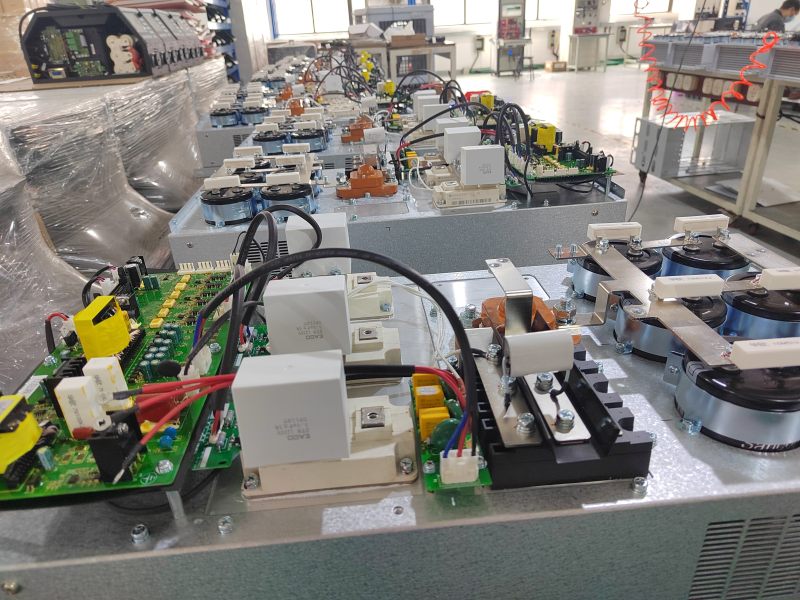
Global industrial induction heater makers push modern heating technology forward in 2026. Top global market leaders like Inductotherm Group, EFD Induction/ENRX, SMS Elotherm, and Canroon lead new solutions. Plant managers check induction heating machine makers using key work standards. These main checks include efficient power semiconductors, closed-loop digital controls, flexible cooling systems, and specialized coil designs.
The induction heating system market is projected to reach USD 2.4 billion in 2026.
Heavy manufacturing plants pick trusted makers to speed up heat production. Modern induction heating equipment meets tough vendor choices while matching specific induction power needs across heavy factory lines.
Key Takeaways
World leaders like Inductotherm, EFD Induction, SMS Elotherm, and Canroon guide modern heating technology in 2026.
Silicon carbide power parts boost system efficiency and manage high heat better than older electrical switches.
Smart closed-loop systems use pyrometers to keep exact heat accuracy within ten degrees Celsius.
Induction heating systems save energy by turning more than ninety percent of electricity directly into heat.
Top Industrial Induction Heating Equipment Manufacturers in 2026
Global Market Leaders and Turn-Key Pioneers
Top tool makers drive technical progress across the metal sector. Well-known leaders like Inductotherm Group build heavy induction systems for active foundry plants. These factories use strong induction melting furnaces to handle metals quickly. Meanwhile, Ajax TOCCO creates custom induction melting furnaces for huge steel plants. Chief plant engineers call induction heating equipment suppliers to set up steady shop hardware. New sites use smart induction billet heating systems to shape fresh metal bars. Forging lines need steady billet heating to keep parts easy to work.
SMS Elotherm improves billet heating tech by using fully combined factory plans. The firm helps provide good induction heating for tough metal tasks.
SMS Elotherm specializes in modular and customized induction heating systems for the steel, automotive, and aerospace industries, leveraging its expertise in digital process control and automation.
Engineers choose SMS Elotherm tools to run heavy billet heating jobs. Exact heat controls protect inner metal shapes through tough billet heating steps. Big factory sites trust these strong setups to keep output steady.
EFD Induction and ENRX make custom induction heating solutions for outer surface hardening jobs. Key induction heating machine manufacturers build complete turn-key lines for auto supply shops. These special machine builds boost outer wear strength. Plants buy tools from proven induction heating equipment suppliers to cut overall expenses. Custom coil builds focus induction heating thermal energy during quick billet heating loops. Skilled builders construct custom power supplies for constant billet heating tasks.
Innovative OEMs and High-Efficiency Field Solutions
Specialized makers build portable gear next to fixed shop lines. Asia acts as a main hub for induction heating machine manufacturing, leading low-cost design steps. Asian makers build smaller gear for field induction heating work. Units such as the Miller ProHeat 35 help with stress-relieving jobs on active work sites. At the same time, Canroon offers flexible gear for pipe welding and billet heating jobs. Industrial plants use tough induction heating equipment to keep heat work steady on automatic billet heating lines.
The Canroon CR2100 Series gives focused induction heating for field pipe joints. Workers run fast billet heating plans using custom coil shapes. Major induction heating machine manufacturers add auto safety cutoffs into fresh power boxes. Field techs do local post-weld heat fixes with small induction parts without using big ovens. Fast heat shifts speed up field pipe build projects.
HLQ Induction makes targeted gear for accurate joining work.
HLQ gear offers helpful induction heating solutions for complex factory assembly setups. New induction heating tools take the place of open fires in busy factory plants. Special induction tech ensures steady joint strength during fine shop tasks. Smart induction heating machine manufacturers craft compact units for tight floor spaces. Safe induction circuits handle tricky metal blends smoothly. Modern makers tune power lines to cut down on total power use. Careful induction heating methods improve part toughness across vital factory jobs. These high-yield induction heating solutions streamline power use during hard shop tasks. Adaptable induction heating equipment meets tough metal processing needs. Top induction heating machine manufacturers offer constant assistance for ongoing user success. Focused heat energy cuts full job times, while strong heating units send steady thermal power. Smart induction processing stops part bending, and fine heat settings manage metal grain growth. Direct energy connection gives even heat levels across all parts.
Advanced Electronics for Industrial Induction Heater Manufacturers
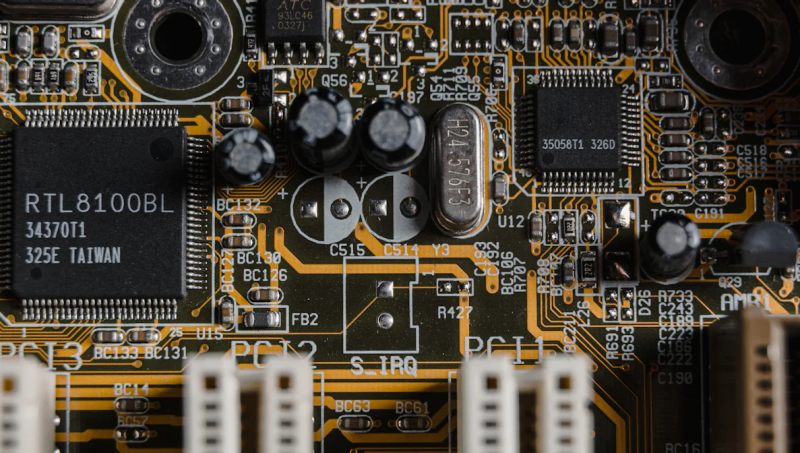
Silicon Carbide Inverters vs. Advanced IGBT Topology
Industrial induction heater manufacturers upgrade power circuits to handle tough factory metal heating. Standard IGBT parts control steady electrical power inside busy factory setups. However, modern silicon carbide parts switch power much faster for quick heating. Engineers test custom coil settings with smart computer models to study magnetic and heat forces together. These shared tests accurately predict local temperature changes across metal parts and improve overall heat balance during regular metal heating tasks.
Silicon carbide power parts work safely in high heat up to 225°C in sealed covers or 175°C in plastic shells. Tool makers build these strong power units using a special metal baseplate. Factory planners pick a pin-fin baseplate for liquid cooling or a flat plate for required liquid cooling. Direct liquid cooling with a pin-fin baseplate greatly improves heat removal during fast heating cycles. This active cooling protects delicate heating parts during long and intense work shifts.
Next-Gen Semiconductors in Induction Heating Equipment
New heating tools rely on modern magnetic tech to boost total system efficiency. Modern metal plants replace old gas burners with clean electric units. Engineers install hollow-tube cooling setups to improve internal heat control inside compact power boxes. Cooling liquid flows directly through hollow metal wires to achieve 10x better heat removal. This huge heat removal power handles higher steady electrical current during quick metal heating tasks and daily factory work.
Creative design teams use fresh tech to update high-volume metal heating lines. Fast power circuits push modern heating methods forward across world markets. Quick electronic power switches improve real-time heat delivery during active heating tasks. Modern digital controls adjust system output signals instantly to protect delicate factory parts. As a result, automated heating lines work with great accuracy while lowering overall machine part wear.
Industry 4.0 Standards for Induction Heating Machine Manufacturers
Closed-Loop PID Control and Sensor Integration
Modern industrial plants demand absolute precision from their power hardware. Advanced induction heating machine manufacturers build real-time sensors into automated heat setups. Smart closed-loop systems quickly read data from two-color light sensors. This gear measures target heat levels within ±10 °C between 1,000 °C and 3,000 °C. Quick closed-loop circuits keep surface hardening work very steady.
Factory assembly lines need fast heat moves to run well. Digital tools change electric currents continuously as work runs. Steady heat shapes improve metal forging and billet heating tasks. Smart machines control incoming energy to boost heat conversion during long shifts. Strong heat controls keep inner metal structures stable through routine billet heating jobs.
Robotic Workcell Compatibility and Auto-Tuning
Smart tool builders use internet connections to link hardware with main plant setups. Smart induction heating equipment sends work numbers right to online screens. Computer models study continuous sensor data to catch early part wear.
Machine Learning: It studies operational data continuously to adjust heating parameters.
Predictive Maintenance: It sends clear failure warnings 48 to 72 hours before breakdowns happen.
Robotics Integration: It drives automatic loader arms to position raw parts accurately.
Robots move raw parts into magnetic spaces with total ease. Auto loaders push steel parts into special coils for fast billet heating cycles. Skilled induction heating machine manufacturers build auto-tuning power systems that change active power speeds dynamically. The setup shifts settings while shaping different metal forms during tough billet heating jobs. Constant auto-tuning improves full coil power output across routine billet heating work.
Smooth system links protect power parts during tough induction heating jobs. Fast billet heating lines keep plant output rates moving without extra effort. Accurate setups keep heat depth even across every billet heating step. Auto billet heating line controls remove thermal errors during complex induction heating jobs.
Strategic Buyer's Guide and TCO Evaluation
Matching Process Parameters to Power Capacities
Engineers select proper hardware based on material choices and workpiece shapes. Penetration depth changes inversely with operating frequency according to the relation penetration depth = square root of (resistivity / (pi x permeability x frequency)). High operating frequencies from 100 kHz to 450 kHz produce a thin surface layer. Conversely, low operating frequencies from 50 Hz to 10 kHz create deeper internal penetration across thick steel bars during billet heating. Factory managers choose custom induction heating solutions to meet precise depth targets during heavy billet heating jobs. Constant billet heating keeps metal quality high.
Industrial plants deploy induction billet heating systems to match high production speeds. Operators select induction melting furnaces for rapid metal processing in modern foundries. Precise control of total power prevents thermal stress in heavy workpieces during daily billet heating tasks. Automated billet heating lines improve overall shop safety. Continuous billet heating ensures uniform temperature profiles.
Energy Savings and Maintenance Lifecycle Metrics
Modernization projects evaluate capital expenditure against long-term operational costs. Modern induction technology alters factory floor requirements through efficient system designs:
Small heating setups fit into tight work areas easily.
Old gas ovens need huge rooms and long insulated walls.
Modern industrial plants boost total energy efficiency performance by replacing old flame heating lines with advanced machinery. Operators utilize energy-saving induction heating for fast billet heating cycles and low tool wear. Standard billet heating setups cut manual labor needs. Plant engineers use induction tools to handle continuous billet heating tasks efficiently. Operators also select induction melting furnaces to cut daily maintenance costs.
Factory owners choose reliable induction heating equipment to improve industrial production lines. Strategic investments in high-yield induction heating solutions ensure consistent economic growth and long-term operational success for modern industrial manufacturers worldwide.
New power setups and smart computers set the best factory leaders apart in 2026. Forward-thinking companies replace old machines with updated systems. Building teams rely on a simple guide:
Check current power waste while running normal billet heating work.
Pick top induction heating machine manufacturers to improve regular billet heating routines.
Align depth goals through daily billet heating, quick billet heating, and custom billet heating jobs.
Trusted induction heating equipment suppliers simplify hard billet heating jobs. High-efficiency induction heating solutions raise billet heating rates through steady billet heating loops. Modern induction technology cuts extra waste along busy billet heating lines. Factory leaders can reach out to expert advisers at Canroon to start energy checks and custom coil testing today.
FAQ
How does induction billet heating reduce energy costs?
Induction billet heating setups use about 90–92% of their power effectively. Traditional gas ovens waste much more energy, running at just 35–55% efficiency. Direct magnetic power warms metal pieces very quickly. Factory managers buy these energy-saving heating tools to lower daily power bills during big factory jobs.
How do plant engineers size equipment for billet heating?
Engineers pick power units by checking the metal type, required heat depth, and system frequency. Higher frequencies warm thin outer layers. Lower frequencies send deep heat straight through thick steel bars. Choosing the right setup ensures steady metal output during everyday heating jobs.
Why are silicon carbide inverters replacing IGBT circuits?
Silicon carbide parts change electric power much faster than older IGBT switches. These strong parts work safely in hot inner areas up to 225 °C. New silicon carbide tools boost overall work output during accurate metal heating jobs on fast assembly lines.
How does digital control improve billet heating quality?
Digital closed-loop PID systems check real-time heat with special light sensors. These tools read target temperatures within a tight ±10 °C range. Smart computer controls change electrical currents right away. Precise power adjustments keep inner metal parts steady across long heating shifts and quick work cycles.
What maintenance benefits does automated induction machinery offer?
Smart power boxes adjust their settings automatically during tricky metal tasks. Built-in system networks send clear warning alerts 48 to 72 hours before tools break down. Intelligent heating gear keeps work moving fast across non-stop production runs.
Previous:
Next:
Sign up for updates