




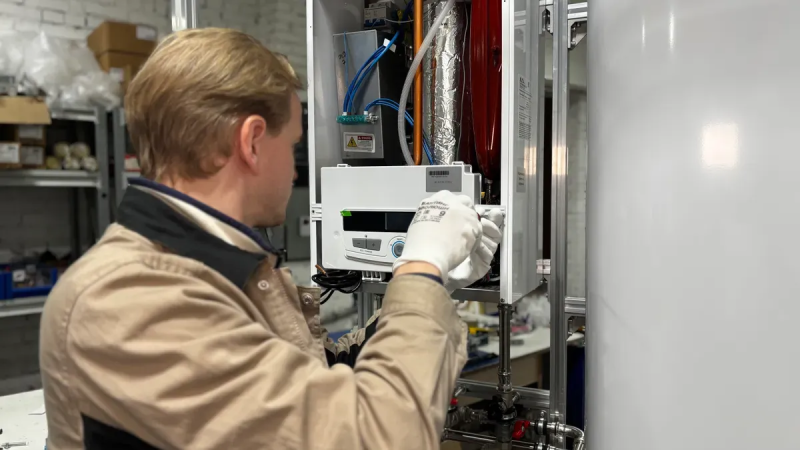
You make your workplace safer when you do induction heater maintenance. Induction heater maintenance keeps you safe from accidents. It helps your system work well. Induction heater maintenance stops sudden shutdowns. You make your system better when you clean and check your induction heater often. Induction heater maintenance keeps dirt off the coil. It helps you find problems early. It keeps your equipment strong. Induction heater maintenance helps you feel safe every day.
Key Takeaways
Doing regular maintenance on induction heating equipment makes it safer and works better. It lowers the chance of accidents and stops the equipment from breaking.
Keep induction heating coils clean so dirt does not build up. Clean them with mild soap and a plastic brush after every use.
Watch heating time and temperature so the coils do not get too hot. Set safe limits for heating cycles to help your coils last longer.
Check your equipment every day and every week with a checklist. This helps you find problems early and keeps your equipment running well.
Write down all maintenance activities. Keeping records helps you know how your coils are doing and plan repairs when needed.
Induction Heater Maintenance Basics
Key Components Overview
It is important to know the main parts of your induction heating equipment. Each part helps your system work safely and well. Canroon equipment uses new technology for reliable heating. The table below lists the main parts and what they do:
You should check these parts when you do maintenance. Keep your induction heating coils clean and straight. Make sure your coil works its best. This helps protect your equipment from harm.
Importance of Regular Cleaning
Keep your induction heating coils clean to stop dirt and dust from causing problems. Cleaning helps stop contamination, like conductive dust, which can make dangerous paths under high voltage. These paths can hurt your coil fast. Good cleaning makes your coil station safe and easy to check. It also helps your equipment work better and last longer.
Cleaning your coil often stops dirt and keeps it working well.
A tidy coil station is easier to check.
Check grounding and bonding as part of your routine.
Follow the best ways to clean your coil. Use mild soap and a plastic brush after each use. Take away any dirt or debris from your coil and cooling system. Use the right cleaning products and methods. This helps your coil last longer and work better.
Clean your induction heating coils and cooling system often.
Use mild soap and a plastic brush after every use.
Remove dirt and debris from the coil.
Use the right cleaning products for your coil.
Keep your coil station neat for easy checks.
Tip: Always look at the coil for damage or wear when you clean. Change the coil if you see cracks or burns.
Monitoring Heating Time
Watch the heating time to keep your induction heating coils safe. Control the temperature difference between the inside and outside of your workpiece. This stops bad stresses from forming. You can prevent cracks and breaks in your coil. This helps your induction heating equipment last longer.
Do not let your coil get too hot by watching how long you use it. Set safe limits for heating cycles. Follow the best ways to care for your coil. This keeps your coil safe and strong.
Track how long each coil heats.
Set safe limits for heating cycles.
Check the coil temperature often.
Doing these things helps your equipment work better. Your coil will last longer. Your equipment will run smoothly.
Note: Use Canroon alarm functions to warn you if your coil gets too hot or works too long.
Inspection and Preventive Checks
Daily and Weekly Inspection Checklist
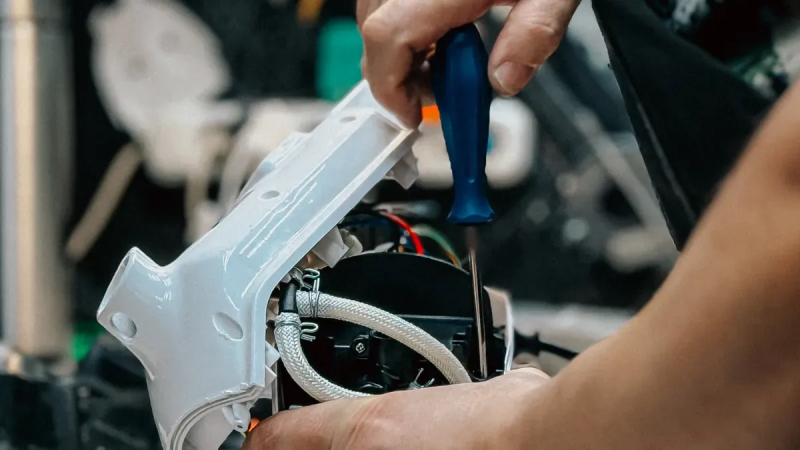
You keep your induction equipment safe when you check it often. Use a checklist to help you with daily and weekly checks. This helps you find problems early. It keeps your coil and system working well.
Daily Inspection:
Look at the coil for dirt or damage.
Check the power supply for loose wires or heat.
See if the water system leaks or has low flow.
Check the quench filter and bag for blocks.
Weekly Maintenance Checklist:
Look at the coil for cracks or wires showing.
Test alarms and safety features.
Clean the coil and cooling system.
Check how well the induction equipment works.
Tip: Write down all checks and repairs. This helps you see changes and plan fixes.
Identifying Wear and Damage
You can find wear or damage by looking for signs. If heating is not even or the system is weak, there may be a problem. Too much heat, water leaks, or more power use can also mean trouble. Bad part quality or too much scale on the coil means you must act fast.
When you look at your coil, check for:
Color changes on the coil
Cracks in insulation
Wires showing
Less heating power
Circuit breakers tripping a lot
Odd electrical sounds
Change any coil or part that has these signs. Fixing things fast keeps your induction system safe and strong.
Thermostat and System Settings
Check the thermostat and system settings each time you inspect. Make sure the temperature is right for your work. Change the settings if the coil does not work well. Good settings stop overheating and help your induction equipment run well.
Note: Checking and fixing things often keeps your coil safe and helps your system last longer.
Induction Heat Treating Equipment Care
Coil Maintenance Best Practices
You need to follow best practices to keep your induction heating coils in top shape. Start with regular visual checks. Look for leaks, corrosion, or signs of lubricant on sliding parts. Even a small misalignment during the heating cycle can cause overheating or poor results. Always check that the coil lines up with the workpiece. This step helps you get even heating and better performance.
Inspect the coil for microcracks or worn spots. Microcracks can block AC flow and lower efficiency.
Clean the coil with mild soap and a plastic-bristle brush. Avoid wire brushes, which can leave metal bits behind.
Replace induction heating coils if you see cracks, burns, or exposed wires.
Adjust and realign the coil as needed to keep it straight.
Studies show that coil alignment and geometry affect how well your induction heating coils work. Narrow coils can create hot spots, while the right width gives you even heat. Always check the coil’s position to get the best results.
Quench Filter and Bag Cleaning
Clean quench filters and bags help you get quality heat treatment. Contaminants like oxidation by-products can change how heat moves through the quench oil. This can cause cracks or stains on your parts. You should check and clean the filter and bag often.
Remove and inspect the quench bag for dirt or sludge.
Replace the bag if it looks full or damaged.
Clean or change the filter to keep oil clean and clear.
Good filtration keeps heat transfer even and reduces the risk of part warping or staining. Clean filters also help your oil last longer and lower the chance of fire.
Water System Upkeep
Your water system keeps your equipment cool and safe. Look for leaks, check the water level, and make sure the flow is steady. Clean strainers and flush the system with a cleaning solution when needed.
Regular water system maintenance lowers the risk of overheating and equipment failure. Stable cooling helps you avoid downtime and keeps your induction heating coils working at their best.
Installation and Usage Tips
Proper Setup for Canroon Systems
You must follow simple steps to install induction heating coils for Canroon systems. First, take away anything that can catch fire from your work area. This helps stop fires. Make sure the room has fresh air and a good cooling system. Look at the equipment to see if anything is broken before you start. Check if the coil is lined up right and set it for even heating. Wipe down the machine to get rid of dust or dirt that could slow it down. Take care of the cooling system so the machine does not get too hot.
Remove things that can burn from your work area.
Make sure there is fresh air and cooling.
Look for damage on the equipment.
Check and set the coil in the right place.
Clean the machine often.
Take care of the cooling system.
Experts can help you put in induction heating coils safely. Canroon gives you help so your coil and machine work well.
Installers go through special training classes. These classes teach how to use the operator terminal, fix problems, and check power sources. You get better results when you use the right steps for setup.
Safe Operation Guidelines
You keep yourself and your machine safe by following safety rules. Always wear safety gear like gloves that resist heat and shoes that do not let electricity in. Keep your work area free of things that can burn. Work in a place with fresh air. Stay back from the coil when it is on to avoid strong electromagnetic fields. Have a plan for emergencies and practice it often. Check the coil and work area often to find problems early.
Wear safety gear every time.
Keep your work area clean and with fresh air.
Do not get close to the coil when it is working.
Practice what to do in emergencies.
Check the coil and work area often.
Record Keeping for Maintenance
You make your work safer and faster when you write down all maintenance. Write down every time you check, clean, or fix something. Keep track of how long each coil heats up. Write down if the coil moves or works differently. Use a table to keep track of all maintenance jobs.
Writing down your work helps you see problems early and plan fixes. You follow good steps and help your induction heating coils last longer.
Troubleshooting and Support
Common Issues and Solutions
You might have problems with your induction heating coils sometimes. Overheating and strange noises are common problems. You can fix many problems by following simple steps. The table below shows what to check and how to fix these problems:
If your coil gets too hot, check the cooling system first. Make sure the water is clean and the pump works well. You should also check the coil insulation resistance. If it is less than 10 megaohms, change the coil. Clean the heat sinks with compressed air to keep things cool. If you hear weird noises or feel shaking, tighten all bolts and adjust the stirring current. Always take care of the coil by doing regular maintenance.
Tip: Write down every coil check and repair. This helps you find problems early and work better.
When to Contact Canroon Service
Sometimes you need help from experts to keep your induction heating coils safe. The table below shows when you should ask Canroon for help:
Call Canroon if you have trouble setting up, need regular maintenance, or cannot fix a problem. You can also get advice to learn more about using your coils the right way. Fast help keeps your coil and equipment working well.
Note: Do not wait if your coil keeps breaking or does not work right. Canroon experts can help you fix things and stay safe.
You make your equipment safer and work better by doing regular maintenance. Use a checklist every day to keep your coil in good shape. Check your coil often to help it last longer and work well.
Doing maintenance often means your coil breaks down less and lasts longer.
Checking your coil helps it work right and stops it from wearing out too soon.
When your coil stays in good shape, your parts turn out better.
If you need extra help, call the free technical support number any time. You can talk to the Service Department at +1.609.267.9000 or call the Training Department at 609.267.9000 to learn more.
These tips help your coil work its best and last longer. Your induction heating equipment will keep working well.
FAQ
How often should you clean induction heating coils?
You should clean your induction heating coils after each use. This keeps your equipment safe and helps it work well. Use mild soap and a plastic brush to remove dirt and debris.
What signs show your coil needs replacement?
Look for cracks, burns, or exposed wires on the coil. If you see uneven heating or hear strange noises, you should replace the coil. These signs mean the coil cannot work safely.
Why is daily inspection important?
Daily inspection helps you find problems early. You can check for dirt, leaks, or damage. This keeps your induction heating equipment running smoothly and prevents accidents.
What should you do if the cooling system leaks?
You should stop using the equipment right away. Check the water lines and connections for leaks. Replace damaged parts before you start the machine again.
How does maintenance improve equipment life?
Maintenance keeps your induction heating equipment clean and safe. You can spot problems early and fix them fast. This helps your equipment last longer and work better.
Sign up for updates