




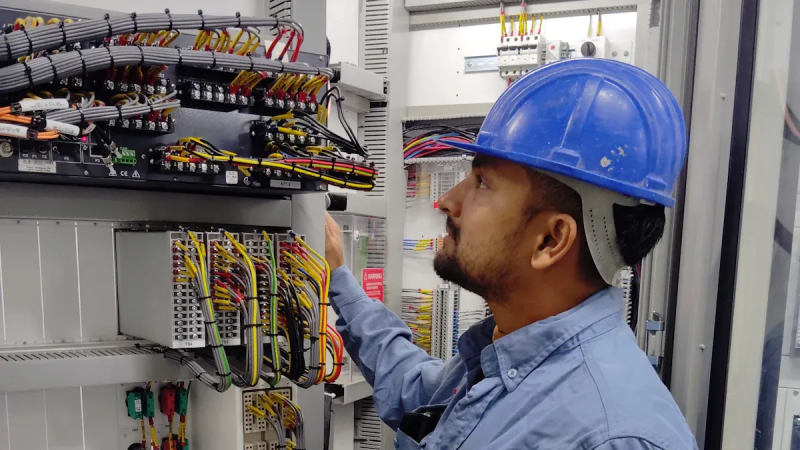
A Variable Frequency Drive (VFD) helps you change how fast and strong electric motors work by changing voltage and frequency. You can save 20% to 50% on energy bills, mostly when you use VFDs with fans or pumps. Many people look for a vfd faq to fix motor problems like overheating, wiring mistakes, or fault codes. The table below lists some common problems and ways to fix them. Canroon gives you good VFD help and useful support.
Key Takeaways
A Variable Frequency Drive (VFD) changes how fast and strong a motor works. It does this by changing voltage and frequency. This can save 20% to 50% of energy.
VFDs help motors start and stop smoothly. This lowers machine damage and makes machines last longer.
You need to do regular maintenance. Clean the VFD and check its connections. This keeps the VFD working well and stops common problems.
Pick the right VFD for your motor. Match it to your motor's details. Think about saving energy and what you need it to do.
Canroon gives expert help with VFD setup, fixing, and care. This makes sure your systems work well.
VFD FAQ Basics
What is a VFD?
A variable frequency drive helps you control how fast a motor spins and how strong it is. The VFD changes the electricity’s frequency and voltage before it goes to the motor. This means you can make the motor go faster or slower, and stronger or weaker, depending on what you need. You can start or stop the motor gently, which keeps your machines safe. Using a VFD also saves energy because the motor only uses the power it needs.
A VFD changes how fast and strong a motor works by adjusting the electricity’s frequency.
It also changes the voltage or current to fit what the motor needs.
You can slowly speed up or slow down the motor when starting or stopping.
The main job of a VFD is to control how fast and strong the motor is.
If you want to know more about VFDs, you can look at the vfd faq for easy answers.
VFD vs VSD
People sometimes talk about VFDs and VSDs. Both help you change how fast a motor goes, but they do it in different ways.
A variable frequency drive is like a dimmer switch for motors. It changes both the frequency and voltage to control the speed. This gives you good control and saves energy, especially with pumps, fans, and conveyors.
Here is a table that shows how they are different:
A VFD helps you set the motor speed for your job. This is important in things like HVAC, where you want the motor to run only as fast as needed. A VSD, also called an adjustable speed drive, covers more types of drives, but might not always save as much energy.
Main VFD components
There are several important parts inside a VFD. Each part does something special to help the motor work well and stay safe.
You can check the vfd faq to learn more about each part and what it does.
VFD benefits
There are many good things about using a VFD in your system.
Better energy use: You save energy by changing the motor speed to match what you need.
Controlled starting current: You protect your motor from damage by controlling how it starts.
Accurate process control: You can set the motor speed just right for your job.
Less wear and tear: Your machines last longer and need less fixing.
Flexibility: You can change the motor speed quickly for different jobs.
Better control: You keep your products and work steady and good.
Smooth starting and stopping: You lower stress on machines by changing speed slowly.
Extra motor protection: Safety features keep your motor safe from electrical problems.
Better efficiency: You get better results in many jobs, like HVAC and conveyors.
You can use a VFD in many places, like factories, big buildings, and farms. It helps you save money and makes your machines last longer.
Canroon VFD support
You can count on Canroon for help with VFDs. Canroon helps with installing, fixing, and taking care of VFDs. You get clear answers and help picking the right VFD. If you need help, Canroon’s team can help you set up, wire, and fix common problems. You can also use their vfd faq for quick answers and tips.
Variable Frequency Drive Operation

How VFDs control speed
You can control motor speed with a vfd. The vfd uses three main steps. First, it changes AC power to DC power. Next, it smooths the DC power with special parts called capacitors. Last, it turns the DC power back into AC power, but now the frequency and voltage can change. This lets you set the motor speed for your job. You can make the motor go faster or slower, depending on what you need.
Vfd control also helps your motor start gently. Instead of sending full power right away, the vfd slowly increases the voltage and current. This soft start keeps your equipment safe and reduces stress on parts like bearings and gearboxes. You will see your machines last longer and work better.
Voltage-frequency relationship
The speed of your motor depends on the frequency of the power it gets. In old systems, the frequency stays the same, so the motor speed does not change. With a vfd, you can change the frequency. This means you can control how fast the motor turns.
Vfd control uses something called V/Hz control. This keeps the torque steady up to the motor’s top speed. You can even run the motor faster than normal if your job needs it. This is important for machines that sometimes need to go above their usual speed.
Tip: Always match the voltage and frequency settings to your motor’s needs. This keeps your system safe and working well.
Minimum speed guidelines
You should know the lowest speed your motor can run safely. Most motors have a minimum speed. If you go below this speed, the motor might not cool itself well. This can cause overheating and damage. Check your motor’s manual or ask your supplier for the right minimum speed.
Vfd control lets you set limits. You can program the vfd to stop the motor from going too slow. This protects your motor and keeps your system running smoothly.
VFD energy savings
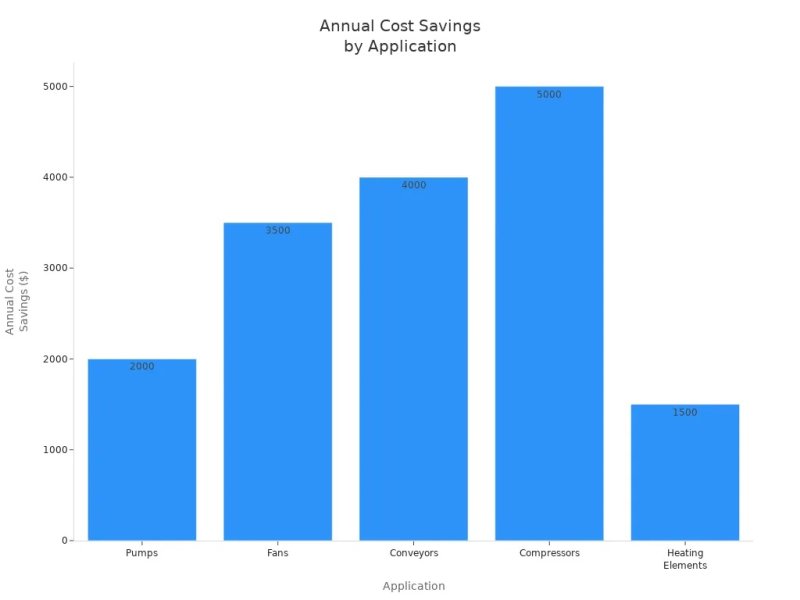
You can save a lot of money with a vfd. When you lower the motor speed, the power use drops fast. For example, if you cut the speed by 20%, the power use can drop by about 50%. Many people see energy savings of 20% to 60% when they use vfd control on pumps and fans. A 50 HP motor running at 75% speed can save you $5,000 to $10,000 each year.
Here is a table that shows how much you can save in different jobs:
VFD process control
You can use vfd control to make your work safer and more reliable. The vfd matches the motor speed to what your job needs. This means you get better process control. You can avoid overloads and reduce the risk of breakdowns. Your machines will last longer because the vfd lowers stress and stops sudden starts and stops.
With vfd control, you also use less energy. The vfd only gives the motor as much power as it needs. This helps you save money and protect the environment.
Note: Good process control means you get steady results and fewer problems in your work.
You can use a variable frequency drive in many places, like factories, farms, and big buildings. You will see better motor speed control, more energy savings, and safer machines.
VFD Installation
Installation steps
You can put in a vfd by following these steps:
Pick a good spot for the vfd. The place should have fresh air. It should not be dusty or wet. You need to reach it easily for repairs.
Make sure the vfd is the right size. Check if it matches your motor. Look at the load and see if the vfd fits.
Do the electrical work. Use shielded wires for safety. Add protection parts and filters to lower harmonics.
Set up the vfd’s settings. Type in the motor’s details. Pick the right control settings and turn on safety features.
Tip: Always read the manual from the maker before you start. This helps you not make mistakes and keeps your vfd safe.
Wiring tips
You must use safe wiring steps for your vfd. Turn off all power before you start. Use the vfd’s wiring guide to help you. Connect the power and motor wires tightly. Good grounding makes your vfd work better and keeps it safe.
Note: Connect the vfd’s ground to a real earth ground. This stops faults and keeps your gear safe.
Selecting a VFD
You need to pick the right vfd for your job. Look at the motor’s current, voltage, and frequency. Make sure the vfd gives enough torque at top speed. Match the vfd to how the motor will be used. Decide if you need the speed to stay the same or change. Check if the vfd can handle the job’s needs.
Harmonics: Pick a vfd with filters to keep harmonics low.
Peak voltages: Make sure the vfd does not go over the motor’s top voltage.
Auto-manual operation: Choose a vfd that works in both ways for safety.
Power rating: Match the vfd’s power to your motor.
Input voltage: Check if the vfd fits your power supply.
Overload capability: Make sure the vfd can handle high loads.
Environmental factors
You must keep your vfd safe from bad conditions. High heat can make it too hot. Cold can make it work less well. Water can cause shorts and rust. Dust and dirt block air and break the vfd. Shaking can loosen wires and break parts. Bad air can hurt the vfd’s electronics.
Callout: Keep your vfd in a clean, dry, and steady place. This helps your variable frequency drive last longer.
Canroon installation help
Canroon gives help for putting in a vfd. You get expert help for any questions or problems. After you buy, you get help with setup, care, and fixing. The support team is ready all day and night. Canroon can also come to your place for setup and care.
Tip: You can trust Canroon for expert vfd setup and support.
VFD Troubleshooting
Common faults
VFDs can have problems that stop the motor. These problems can slow down your work. Here are some faults you might see:
Overvoltage happens when there is too much power or the brake does not work.
Undervoltage comes from weak power or too many things on one circuit.
Overcurrent is caused by too much load, a short, or wrong vfd settings.
Ground fault can happen if wires are not covered or grounding is loose.
Overheating often comes from dust, bad airflow, or high heat.
Loose connections may happen if the vfd shakes or is not put in right.
Contamination happens in tough places or if the box is not closed.
Wrong parameters can make the vfd act in a strange way.
Internal vfd failure can come from old or broken parts.
Overcurrent causes more than 30% of vfd failures in factories. These faults can make machines break sooner and stop your work.
Resetting VFDs
You can reset a vfd after a problem by doing these steps:
Turn off the vfd all the way.
Wait two to five minutes before you turn it back on.
Watch for any problems after you reset it.
Write down each reset so you can see if it happens again.
If the problem keeps coming back, ask an expert for help.
Tip: Always find out why the vfd had a problem before you reset it. This helps you stop the problem from happening again.
Overheating issues
Too much heat is a big problem for a vfd. Heat makes the vfd work worse and not last as long. Cooling problems cause about 57% of vfd failures. If the vfd gets 10 °C hotter than it should, the parts may only last half as long.
You can stop overheating by keeping air moving, using the right AC, cleaning filters, getting rid of hot air, and keeping dust out of vents.
Noise and vibration
Noise and shaking can hurt your vfd and motor. You might hear noise from electric signals or see shaking from harmonics. The wrong motor or loose parts also cause trouble. Bearing currents can break bearings and make noise.
Note: Check your vfd often and use good filters to lower noise and shaking.
Firmware updates
You should update your vfd firmware often. Updates fix problems, make it work better, and add new things. These updates help your vfd last longer and work well.
Fixes for bugs
Better performance
New features for better use
Tip: Always do what the maker says when you update firmware.
Canroon troubleshooting
Canroon gives expert help for vfd problems. You get help with finding faults, resets, heat, and noise. The team helps you find the cause and tells you how to fix your vfd. You can trust Canroon for quick answers and good solutions.
VFD Maintenance
Routine checks
You need to check your vfd often to keep it working well. Start by removing dust and dirt from the vfd and its cooling vents. Clean filters so air can move freely. Look at the heatsink fans and make sure they spin without problems. Use the built-in sensors to watch the temperature. If the vfd gets too hot, it may stop working. Check all power and control connections for looseness. Tighten any loose screws or wires. Watch the load current and make sure it does not go over the safe limit. Set up a regular schedule for these checks. This helps you find small problems before they become big ones.
Tip: Clean the outside of the vfd and check for signs of wear every month.
Spare parts
You should keep some spare parts for your vfd. The most common parts are power supplies, control cards, and fuses. Buy at least one spare power cell when you first get your vfd. Rotate this spare into the drive during planned maintenance. This keeps all parts in good shape. Stock extra parts because it can take a long time to get new ones from the maker. Plan for upgrades and replacements so your variable frequency drive does not stop your work.
Maintenance tips
Follow these steps to make your vfd last longer:
Inspect your vfd often to catch problems early.
Keep the vfd and the area around it clean.
Tighten all terminal screws and connections.
Use the vfd’s tools to watch how it works.
Update the firmware when new versions come out.
Call a professional for deep checks and part changes.
Note: Good maintenance helps your vfd work better and last longer.
VFD Applications
Industry uses
You see vfd technology in many industries. Pumps, fans, compressors, and conveyors use vfd to control speed and save energy. Pumps lead the way, especially in oil and gas, water treatment, and chemical plants. The oil and gas sector uses vfd the most because it needs high efficiency. In North America, vfd covers about 40% of the market. The United States makes up almost three-quarters of the demand.
Pumps help move liquids in factories and farms.
Fans and blowers keep air moving in large buildings.
Compressors push gases for cooling and production.
Conveyors carry goods in warehouses and factories.
HVAC systems
You use vfd in HVAC systems to make buildings comfortable and efficient. Vfd adjusts motor speed based on real-time needs. This saves energy and keeps airflow steady. You also protect motors from wear and tear.
Tip: Vfd can cut energy use in HVAC by up to 50%. Soft starts and stops help motors work longer.
Pumps and fans
You use vfd to control pumps and fans. Pumps need vfd to move water, oil, or chemicals at the right speed. Fans use vfd to keep air moving in factories, schools, and offices. You save energy and reduce noise. Vfd lets you change speed quickly for different jobs.
Conveyors and compressors
You see vfd in conveyors and compressors. Conveyors use vfd to move products at the right speed. Compressors use vfd to push air or gas for cooling and making things. You get better control and less waste. Vfd helps you match speed to the job, so you use less power.
Advanced applications
You find vfd in advanced jobs like robotics, renewable energy, and smart factories. Vfd helps you automate machines and connect them to sensors. You can use vfd in solar and wind systems to control power flow. Vfd makes your work safer and more flexible.
Canroon custom solutions
Canroon gives you custom vfd solutions for any job. You get expert help to pick the right vfd for your needs. Canroon supports you with setup, care, and upgrades. You can trust Canroon to help you use vfd in new ways.
VFD Safety
Safety precautions
You need to be careful when working with a vfd. Always read the instructions from the maker first. Turn off the power before you touch any wires. Wait five minutes after turning off the power. This lets the capacitors lose their charge. Use a multimeter to check that there is no voltage. Lockout and tagout steps stop accidents from happening. Put the vfd in a safe box to keep out dust, water, and heat. Follow local rules for wiring and grounding.
Follow the maker’s rules for wiring and connections.
Put the vfd in a box that keeps it safe from bad things.
Turn off power before you start any work.
Make sure you ground the vfd the right way.
Use lockout and tagout to keep power off by mistake.
Wait five minutes after turning off power so capacitors lose charge.
Check for zero voltage with a multimeter before touching wires.
Tip: Safety steps help you stay safe from shocks, burns, and broken equipment.
Grounding VFDs
You must ground your vfd the right way. Grounding keeps you safe from electric shock. It also makes the system steady. Connect the vfd to a real earth ground. Use thick wires for grounding. Check the ground often to make sure it works. Bad grounding can cause problems and noise. Always follow local rules for grounding. Good grounding helps your vfd work well and last longer.
Certifications
You should check for certifications when picking a vfd. Certifications show the vfd is safe and good quality. Common certifications are UL, CE, and IEC. These rules cover electrical safety, fire safety, and how well it works. You can trust a certified vfd to be safe in your system. Look for certification marks on the label or in the manual.
Canroon safety standards
Canroon follows strict safety rules for every vfd. You get products with UL, CE, and IEC certifications. Canroon checks each vfd for safety and how well it works. The company uses safe materials and designs. You get clear instructions for setup and care. Canroon also gives training and support to help you use your vfd safely.
Note: Canroon puts your safety first with certified products and expert help.
VFD Advanced Features
Regenerative braking
Regenerative braking helps you save energy. When the motor slows down, the vfd sends power back to the supply. This lowers your energy bills. You see this in elevators, cranes, and electric cars. Regenerative braking keeps the motor cool and safe. You do not waste energy as heat. You use the energy again.
Automation integration
You can connect your vfd to automation systems. This lets you control machines from one place. You can use signals, sensors, or a computer to change speed or direction. Automation makes work faster and more accurate. You can set alarms or safety stops. This helps you avoid mistakes and keeps machines safe.
Tip: Use automation to get better control and save time in your factory.
IoT connectivity
You can link your vfd to the Internet of Things (IoT). This means you can check your motor from anywhere. You can use your phone or computer to see how your vfd works. IoT helps you find problems early. You can plan repairs before something breaks. You also get reports on energy use and machine health.
Technology trends
You see new trends in vfd technology every year. Drives now use smart sensors and better chips. You get more power in a smaller box. Some vfd models use AI to learn your system and make changes. You also see more wireless controls. These trends help you save energy and keep machines running longer.
Canroon advanced features
Canroon gives you advanced vfd features. You get regenerative braking, IoT tools, and easy automation. Canroon vfd models support smart sensors and remote updates. You can trust Canroon to help you use the latest technology. The support team will help you set up and use every feature.
VFD FAQ Quick Reference
Top 50 questions summary
You can use this quick reference to find answers to the most common questions about variable frequency drives. The vfd faq helps you solve problems, choose the right drive, and keep your system running smoothly. Here are the top questions you might ask:
What is a variable frequency drive?
How does a VFD work?
What is the difference between VFD and VSD?
What are the main parts of a VFD?
Why should you use a VFD?
How do you install a VFD?
What wiring tips help with VFDs?
How do you select the right VFD?
What environmental factors affect VFDs?
How do you troubleshoot common faults?
How do you reset a VFD?
What causes overheating in VFDs?
How do you fix noise and vibration?
Why should you update VFD firmware?
What routine checks keep VFDs healthy?
Which spare parts should you keep?
What maintenance tips help VFDs last longer?
Where do you use VFDs in industry?
How do VFDs help HVAC systems?
How do VFDs control pumps and fans?
How do VFDs improve conveyors and compressors?
What advanced applications use VFDs?
How does Canroon offer custom solutions?
What safety steps should you follow?
How do you ground a VFD?
What certifications matter for VFDs?
How does Canroon meet safety standards?
What is regenerative braking?
How do you connect VFDs to automation?
How does IoT help with VFDs?
What are the latest technology trends?
What advanced features does Canroon offer?
How do you set minimum speed limits?
How do VFDs save energy?
How do VFDs improve process control?
What is V/Hz control?
How do you match voltage and frequency?
How do you protect motors with VFDs?
How do you handle overloads?
How do you check motor health?
How do you use feedback systems?
How do you clean VFDs?
How do you store spare parts?
How do you plan maintenance?
How do you get Canroon support?
How do you use VFDs in smart factories?
How do you monitor VFDs remotely?
How do you log VFD data?
How do you upgrade VFDs?
How do you get quick answers from the vfd faq?
Tip: Keep this list handy. You can solve most VFD problems by checking these questions first.
You gain more control, save energy, and improve reliability when you use a vfd. You can check the FAQ anytime for quick answers and helpful tips. Canroon gives you expert support and guidance for every step.
Reach out to Canroon if you need help or want to learn more.
Get better results with the right tools.
Keep your system running smoothly.
FAQ
How do you know if your motor works with a VFD?
You check the motor label for "inverter duty" or ask the maker. Motors with strong insulation and cooling work best. If you see overheating or noise, your motor may not fit.
What happens if you set the wrong frequency?
You may see the motor run too fast or too slow. This can cause overheating, poor performance, or damage. Always match the frequency to your motor’s needs.
Can you use a VFD outdoors?
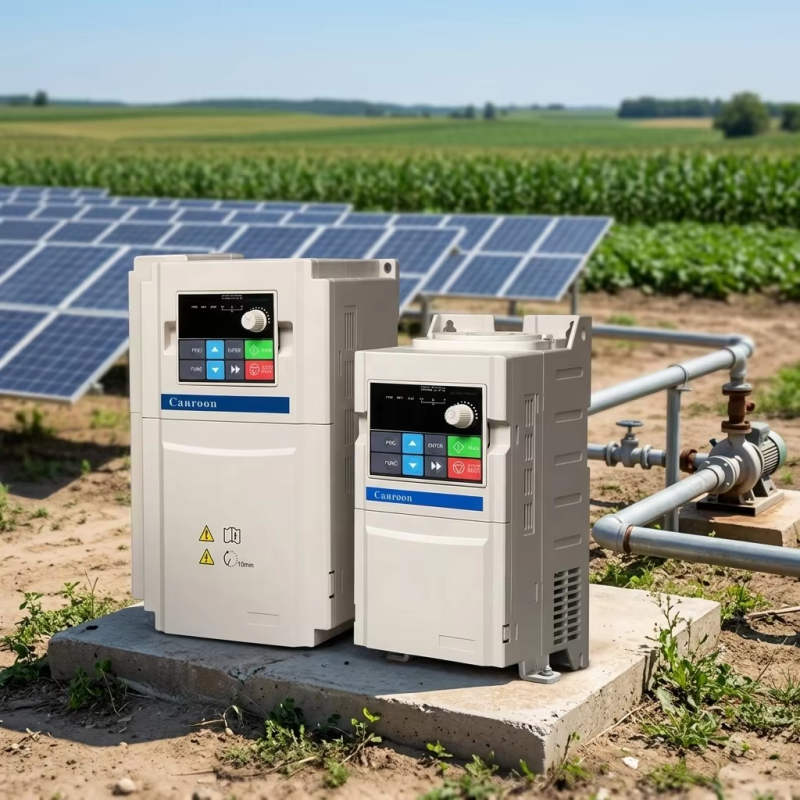
You can use a VFD outdoors if you protect it from rain, dust, and heat. Use a weatherproof box and keep the area clean. Check for water leaks often.
How do you fix a VFD that keeps tripping?
You check for loose wires, overloads, or wrong settings. Tighten connections and lower the load. If the problem stays, call a technician.
What is the best way to clean a VFD?
You turn off the power and wait five minutes. Use a dry cloth to wipe dust. Clean vents and filters. Never use water or spray cleaners.
Previous:
Next:
Sign up for updates