




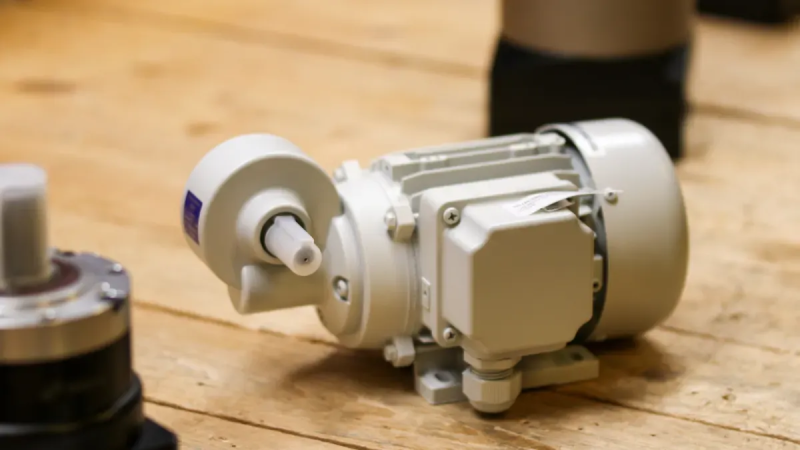
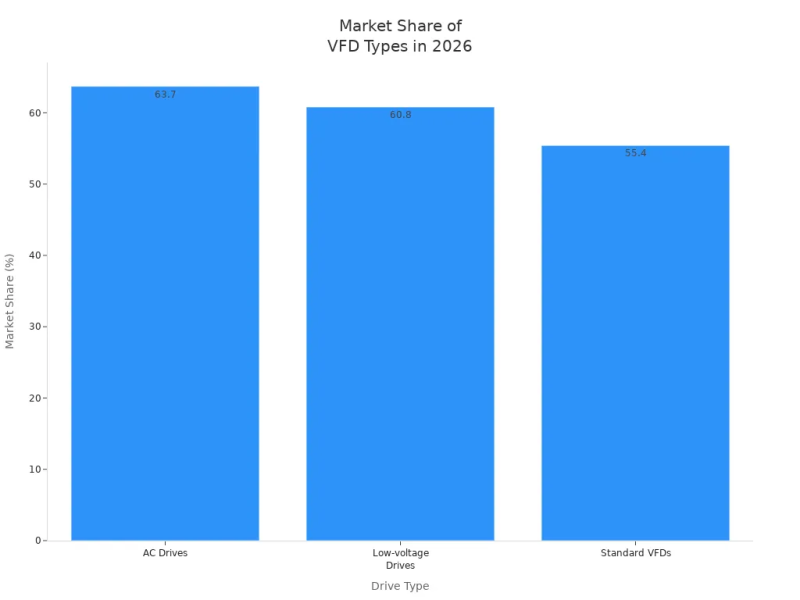
If you want the best control and energy savings for your motors, you will likely need a variable frequency drive. Most factories choose this because it lets you adjust speed and save power, even though it costs more at first. Take a look at the market share below—VFDs lead the way:
You might pick a soft starter if you want something simple and just need to avoid hard starts. Canroon can help you find the right fit for your needs and budget.
Key Takeaways
Pick a soft starter for jobs that need easy starts and stops. It does not control speed.
Use a Variable Frequency Drive (VFD) if you want to change motor speed and torque. This helps the motor work better.
Think about saving energy. VFDs can cut energy use by half. They do this by matching motor speed to what is needed.
Look at your budget. Soft starters cost less at first. VFDs can save money later with lower energy and maintenance costs.
Check your space for installation. Soft starters are smaller. They fit better in tight spots than bigger VFDs.
What Is a Soft Starter?
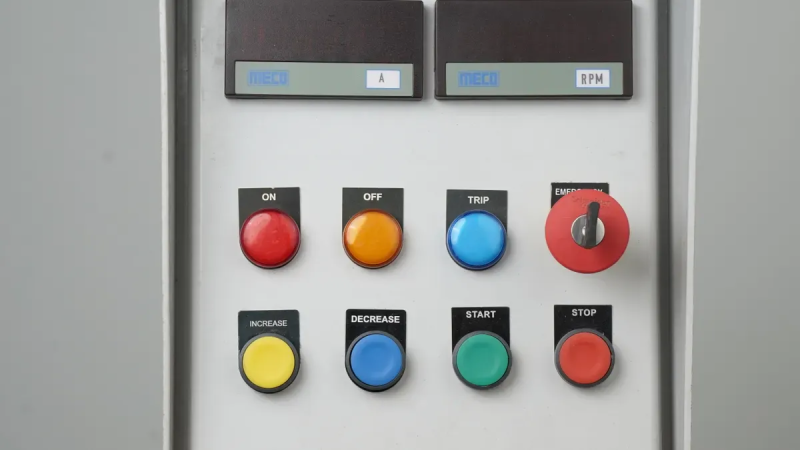
Function and Operation
A soft starter helps a motor start slowly. It stops the motor from getting sudden jolts. The device does not give full voltage right away. It increases the voltage step by step. This makes the motor speed up smoothly. Your equipment stays safe from damage. Inside, there are switches called thyristors or SCRs. These switches control how much power goes to the motor. There are also logic parts and safety parts. These include overload relays and circuit breakers. Sometimes, a bypass switch turns on after the motor is running fast.
A soft starter helps a motor start with less voltage.
It slowly gives more voltage so the motor speeds up gently.
The main part that controls voltage is a semiconductor switch like a Thyristor (SCR).
It stops the motor from jerking and keeps parts from wearing out.
Benefits
Soft starters give you many good things. They help motors last longer by stopping rough starts. You spend less money fixing your equipment. The motor speeds up gently, so there is less stress. You use less energy when starting the motor. This can help lower your bills. Many people say their machines work better and stay in good shape.
Using a soft starter helps motors last longer and cost less to fix. It stops motors from wearing out fast when starting. By speeding up slowly, it keeps parts safe from damage.
Common Uses
Soft starters are used in many places. They work well with fans, pumps, belts, and rotors. In factories, soft starters help big machines start safely. HVAC systems use them to save energy and keep rooms comfortable. Water treatment plants use soft starters to protect pumps from damage. You can count on a soft starter to keep your equipment safe.
Fans: Start smoothly and last longer, important for keeping food safe.
Water/liquid pumps: Stop damage from sudden pressure when starting or stopping.
Belts: Keep belts from breaking by starting gently.
Electric rotors: Help avoid problems from quick starts or stops.
Manufacturing: Soft starters help big machines start without stress.
HVAC systems: Save energy and keep buildings comfortable by starting motors slowly.
Water treatment facilities: Keep pumps safe from sudden starts.
What Is a Variable Frequency Drive?
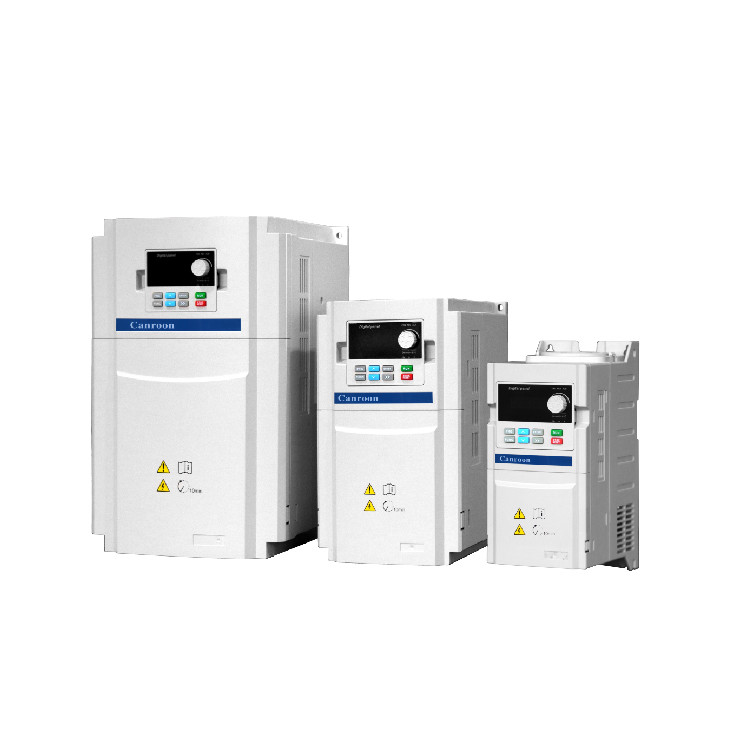
Function and Operation
Have you ever wanted to make a motor go faster or slower? A variable frequency drive helps you do this. It lets you change the speed of your motor. The device works by changing the frequency and voltage sent to the motor.
A Variable Frequency Drive is an electronic device that controls how fast and strong a motor works by changing the power it gets.
Inside a variable frequency drive, there are different parts that work together. The Rectifier changes AC power into DC power. The Smoothing Circuit makes the voltage steady. The Inverter turns DC power back into AC power with a new frequency. The Controller checks and changes the frequency and voltage. The Control Circuit helps the controller talk to the main parts.
When you use a variable frequency drive, your motor starts and stops smoothly. The motor does not shake or jump. You can also change the speed whenever you want.
Benefits
A variable frequency drive has many good points. It saves energy because the motor only works as hard as needed. This means you pay less for electricity. You can control your motor very well, which helps your machines last longer. Here are some top benefits people talk about: You save energy and money because the drive lets the motor run only as fast as needed. You can change the speed right away, so your system is more flexible. Smooth starts and stops help your motor last longer. You can use a variable frequency drive in many places, like pumps and conveyor belts.
Common Uses
You will find a variable frequency drive in many jobs. It is used in factories, oil plants, and water treatment places. You can use it to control fans, pumps, blowers, and belts. Many HVAC systems use a variable frequency drive to save energy and keep rooms comfortable. You will also see them in wind turbines and electric trains. If you need to change a motor’s speed, a variable frequency drive is a great choice.
VFD vs Soft Starter: Differences
Control and Performance
You want to know how much control you get with each device. Soft starters give you a gentle start and stop for your motor. They do not let you change speed or torque once the motor is running. If you need more than just a smooth start, you should look at a vfd. This device lets you adjust speed, torque, and even program different speeds for your motor. You can make changes at any time, which gives you a lot of flexibility.
Here’s a quick look at how they compare:
Soft starters only help during startup and shutdown. They do not let you change speed after the motor starts.
VFDs give you full control over speed and torque all the time.
You can use a vfd to match the motor speed to your process needs.
Soft starters are best for simple jobs where you just want to avoid hard starts.
If you need to adjust speed or torque during operation, a vfd is the better choice.
Energy Efficiency
You care about saving energy and lowering your bills. Soft starters help a little by reducing the power needed during startup. After the motor reaches full speed, they do not improve efficiency. VFDs stand out here. They let you match the motor speed to the load, which can save a lot of energy. In many cases, you can see energy savings from 20% to 50% when you use a vfd in motor-driven systems.
Soft starters only help with efficiency during startup.
VFDs boost efficiency all the time by adjusting speed and torque.
You can cut your energy use by up to half with a vfd in the right application.
Cost and Size
You probably want to know how much each device will cost and how much space it will take. Soft starters usually cost less at the start. For motors up to 100 kW, you might pay between $50 and $150 for a soft starter. A vfd starts at about $70 for small models, but the price can go much higher for bigger motors. Even though a vfd costs more at first, you can often make up the difference with energy savings and lower maintenance costs. Many users see the extra cost paid back in less than a year.
Soft starters are also smaller and lighter. They fit easily into tight spaces because they do not have as many parts. VFDs are bigger because they have more features and need cooling systems. If you have limited space, a soft starter might be easier to install.
Soft starters are compact and simple.
VFDs are larger and heavier, but offer more control and efficiency.
Maintenance
You want your equipment to last and work well. Both devices need regular checks, but the type of maintenance is different. Soft starters are simple and need less attention. They help your motor last longer by reducing mechanical shock. You should still check motor bearings, voltage, and current from time to time.
VFDs need a bit more care. You should clean the heatsink every year and check all connections. Sometimes, you need extra protection for the motor, like special grounding or cables. If you keep up with maintenance, a vfd can last about 10 years for low voltage and up to 20 years for medium voltage. Soft starters can help your motor last two to three times longer because they prevent hard starts.
VFDs may need extra protection and regular cleaning.
Soft starters are easier to maintain and help extend motor life.
Both devices benefit from routine checks and quick troubleshooting.
Tip: Set up a maintenance schedule for your motor system. This keeps everything running smoothly and helps you avoid costly repairs.
When to Use VFD or Soft Starter
Best Scenarios for Soft Starter
You might wonder when a soft starter makes the most sense. If you want to protect your motor from sudden jolts, a soft starter is a smart choice. You get a gentle start, which keeps your equipment safe and helps it last longer. Soft starters work best in simple jobs where you do not need to change speed after the motor starts.
Here are some common situations where you should use a soft starter:
Pumps: You avoid water hammer and pressure surges. Your motor starts smoothly, so pipes and valves stay safe.
Fans: You reduce mechanical wear. The motor does not jump or shake, which keeps blades and bearings in good shape.
Compressors: You ensure smooth acceleration. The motor ramps up slowly, so you prevent damage and lower repair costs.
If your application only needs a safe start and stop, you will find a soft starter fits your needs. You save money up front and keep your motor running longer.
Tip: Choose a soft starter when you want simple protection for your motor and do not need to adjust speed during operation.
Best Scenarios for VFD
You need a variable frequency drive when you want more control. VFDs let you change the speed and torque of your motor at any time. You can match the motor speed to your process, which saves energy and improves performance. If your application needs flexibility, a VFD is the right tool.
Think about these situations:
You want to save energy by running your motor only as fast as needed.
You need to adjust speed for different tasks or loads.
You want smooth starts and stops, plus full control during operation.
VFDs shine in jobs where you need to change speed often. You get better efficiency, lower costs, and longer motor life. If your application demands precise control, you will benefit from a VFD.
Note: Pick a VFD when you need to control motor speed, save energy, or handle changing loads.
Industry Solutions
You see soft starters and VFDs in many industries. Each device solves different problems and helps you reach your goals. Canroon offers solutions for both, so you can find the best fit for your application.
Here’s a quick look at where VFDs make a big impact:
You also find soft starters in places where you want simple protection for your motor. Factories use them for pumps and fans. Water treatment plants rely on soft starters to keep pumps safe. HVAC systems use soft starters to prevent sudden starts.
Canroon can help you choose the right device for your industry. You get expert advice and reliable solutions for every application.
Selection Guide
Checklist
You want to pick the right device for your motor. Use this checklist to help you decide:
What kind of load do you have? Figure out if your motor runs a pump, fan, conveyor, or something else.
How does your motor start? Think about if you need a gentle start or if a regular start is fine.
Do you need to change speed? If you want to adjust speed during operation, you’ll need a VFD.
How often will you start and stop the motor? If you start and stop more than three times a day, a VFD works better.
Where will you install the device? Check if you have enough space for a larger VFD or if a smaller soft starter fits better.
What is your budget? Remember to think about not just the price today, but also energy and maintenance costs over the next few years.
Do you need to connect to other systems? Some devices let you share data with plant systems for better control.
Tip: Go through each question and write down your answers. This will make your choice much easier.
Comparison Table
Here’s a quick look at how soft starters and VFDs compare:
Expert Tips
You want to make the best choice for your motor and your wallet. Here are some tips from Canroon’s experts:
Always look at the total cost, not just the price tag. VFDs can save you money on energy and repairs over time.
If your motor always runs at full speed, a soft starter is usually enough.
For pumps, fans, or machines that need speed changes, pick a VFD.
If you have limited space in your control cabinet, a soft starter fits better.
Make sure you check wiring, power, and safety before you start your new device.
Still not sure? Reach out to Canroon for advice. You’ll get help from experts who know motor control inside and out.
You now know when to pick a soft starter or a VFD. Here’s a quick guide to help you decide:
Use a soft starter for simple start-stop jobs without speed control.
Choose a VFD if you need precise speed or torque control and want to save energy.
Think about your budget, maintenance needs, and space.
Check the table above for a fast comparison. If you need more help, Canroon’s team can guide you. Want to learn more? Review your needs, compare options, and look at installation steps.
FAQ
What is the main difference between a VFD and a soft starter?
You get speed control with a VFD. A soft starter only gives you a smooth start and stop. If you want to change motor speed, pick a VFD. For simple starts, use a soft starter.
Can I use a VFD for any motor?
You can use a VFD with most three-phase AC motors. Check your motor’s label first. Some motors need special settings or extra cooling. Always ask your supplier if you are not sure.
Will a soft starter save me money on energy?
A soft starter saves energy only during startup. It does not cut power use when the motor runs at full speed. If you want lower energy bills all the time, choose a VFD.
Do I need special training to install these devices?
You do not need to be an expert, but you should know basic wiring and safety. Always read the manual. If you feel unsure, ask a professional or contact Canroon for help.
Sign up for updates