




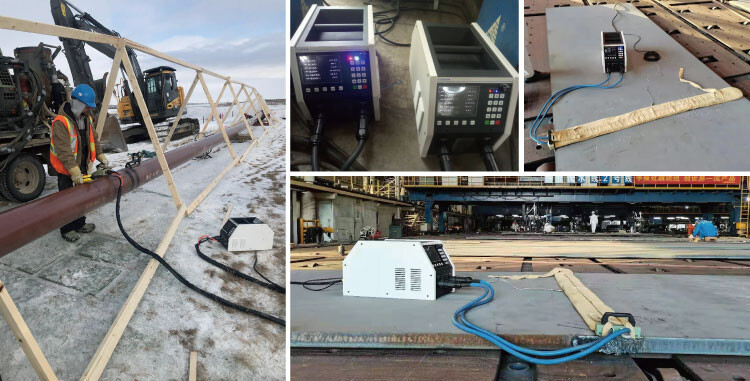
You can pick an induction preheater by looking at your material type, the temperature you need, how deep you want to heat, the frequency, and the power for your project. Industry standards show some important things to think about, like how thick the material is, how big the project is, how you control the temperature, following rules, and making sure the cost and efficiency are balanced. Induction heating works best when you focus on these things. Canroon gives good solutions and expert help for picking the right equipment.
Key Takeaways
Find out what material you have and what temperature you need. This helps make sure the induction preheater works well.
Pick the right frequency for how deep you want to heat. Low frequencies heat deep inside. High frequencies heat only the surface.
Make sure the preheater’s power matches your material and process. This stops the material from getting too hot or too cold. It helps you get good results.
Stay safe by wearing the right gear and following the rules. Check the machine and the workpiece often.
Ask Canroon for help with setup, training, and fixing problems. Their help can make your induction heating better.
Key Factors in Induction Preheater Selection
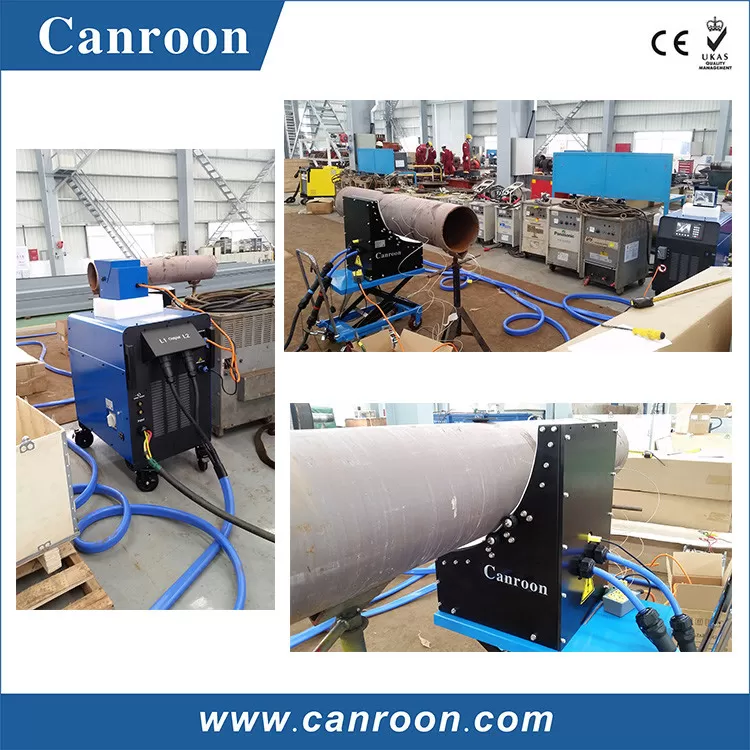
When you pick an induction preheater, you must think about your material, the temperature you need, and what your project needs. Each thing is important for your process to work well. Canroon gives expert help so you can choose the best preheater for your job.
Material and Temperature Requirements
You need to match the induction preheater to the material you want to heat. Materials react differently to induction heating. Aluminum wire, copper wire, and copper-clad wire all need special care. The table below shows what you should look for with each material:
You must know the temperature range for your project. Inductive cable preheating often needs temperatures from 80°C to 200°C. Induction forging needs even higher temperatures. Always check what your process needs.
Heating Depth and Frequency Choice
The depth you want to heat changes the frequency you should use. Induction heating sends energy into the material, but the depth depends on the frequency. Here are some key points:
Low frequencies let heat go deeper. Use them for big workpieces and through-heating.
High frequencies keep heat near the surface. They are best for surface treatments.
Medium-frequency induction heating (1 kHz to 10 kHz) gives deeper heat. It works well for thick or big materials.
High-frequency induction heating (60 kHz to 200 kHz) heats only the surface. This is good for surface hardening and fast heating.
If you do induction forging, pick the right frequency for the heating depth you want. For deep heating, use a lower frequency. For surface work, use a higher frequency. This helps you get the best results from your induction heating.
Power Level Considerations
You must match the power level of your induction preheater to your material and process. If you use too little power, your material will not get hot enough. If you use too much, you might waste energy or hurt your workpiece. Induction forging needs high power for fast and even heating. Smaller parts need less power.
Tip: Always check the size and thickness of your material before picking the power level. This helps you avoid problems and keeps your process safe.
Canroon can help you with technical support and picking products. You can get help with installation, operator training, troubleshooting, and on-site setup. Canroon also gives a global warranty, 24/7 support, and fast spare parts delivery. This support makes it easier for you to choose and use your induction preheater with confidence.
Frequency and Heating Depth
High Frequency for Surface Heating
High-frequency induction heating is good for heating just the surface. These high frequencies are usually above 10 kHz. They make the heat stay close to the top layer. The heat does not go deeper than 3 mm. This is helpful for surface hardening or case hardening. High-frequency induction heating works quickly and saves energy. It only heats the part you need. You do not have to wait for the whole piece to get hot. The process is safe and clean because it uses electricity, not fire.
Low Frequency for Deep Heating
Low-frequency induction heating helps heat deep inside thick metal. Frequencies from 1 kHz to 10 kHz let the heat reach the center. This gives even heating all through the part. You need this for tough jobs like induction forging. Low-frequency induction preheaters are best for forging big steel parts. They also help with stress relief in thick castings. You can use them for preheating before welding heavy pieces. They work for melting metals in foundries and treating billets or ingots. You get the same temperature everywhere, which keeps things strong and safe.
Tip: Use low-frequency induction heating for deep and even heat, especially when working with big or dense materials.
Application Examples
Induction heating is used in many industries. In car factories, high-frequency induction heating is used for crankshaft hardening and gear treatment. In other factories, it is used for brazing, sealing, and melting small amounts of metal. For induction forging, you need low-frequency induction heating to heat big steel parts before shaping. In construction, induction heating is used for welding preheating in tunnel boring machine parts. This helps stop cracks and lowers stress in thick steel. Induction forging is also important in railway work and making heavy steel parts. Deep and even heating is needed for good quality and safety.
Power Selection for Induction Preheaters
Matching Power to Material
You need to pick the right power for your induction preheater. Different materials need different power levels. Heat moves through each material in its own way. The temperature you want and the size of your workpiece are important. Think about these things:
How well the material lets heat pass through
How evenly heat spreads inside the material
What the material needs for your job
How quickly you want to heat up and how long you keep it hot
The surface quality and how the inside of the metal forms
How well the material stops cracks
Steel, copper, and aluminum act in different ways. For example, C45 steel starts with a thermal conductivity of 47 W/(mK). This changes as the steel gets hotter. You need to know how your material changes when it heats up. This helps you set the right power for induction forging, heat treating, or melting.
You can check this table to see what power and frequency you need for each job:
Balancing Speed and Efficiency
You want your induction forging to be fast and efficient. Induction heating gives you heat right away where you need it. You do not have to wait for a chamber to get warm. This saves time and energy. Less heat escapes into the air, so your process is more efficient.
You can use these strategies to get the best speed and efficiency:
Induction heating gives you speed, control, and safety. You can make your induction forging faster and use less energy by picking the right settings.
Avoiding Common Mistakes with Induction Preheaters
Misinterpreting Technical Specs
You might find technical data confusing when you choose an induction preheater for induction forging. Many people make mistakes because they do not understand the basics. You need to know how induction forging works and what the terms mean. This helps you read the specs and pick the right machine. If you skip this step, you may choose a preheater that does not fit your needs.
Here are some steps you can follow to avoid mistakes:
Learn the basics of induction forging and how it changes metal.
Get familiar with the words used in induction forging, like case depth and hardness.
Check the specs for quenching, such as temperature and flow, to make sure you get the right results.
Inspect the workpiece often to see if the heat goes deep enough and if the hardness is correct.
Tip: If you feel unsure about any technical detail, you can ask Canroon for help. Their experts can explain specs and help you match the right preheater to your induction forging job.
Overlooking Safety and Cooling
You must always think about safety and cooling when you use induction forging. Many users forget these steps, which can lead to accidents or machine damage. You should wear the right gear and follow safe steps every time you use the machine.
Use this checklist to stay safe:
Wear safety goggles, gloves, and protective clothes.
Check the machine before you start. Make sure the workpiece is in the center.
Watch the process and follow the rules from the maker.
Clean the coil and look for damage often.
Keep an eye on the heating time and the cooling system.
Store the machine in a safe place when you finish.
Note: Good safety and cooling keep your induction forging process smooth and protect your equipment. If you have questions, Canroon can give you advice and support.
You can avoid many problems by reading specs carefully and following safety steps. Induction heating works best when you match the right preheater to your job and keep safety first.
Here is how you can pick the best induction preheater:
Find out what material you have and decide the temperature you need.
Pick a frequency that matches the size of your workpiece.
Choose the right power so heating is quick and safe.
Make sure your process saves energy and works well.
Canroon can help with support, training, and fixing problems. You get help whenever you need it. If you want expert tips, contact Canroon.
FAQ
What materials can you heat with an induction preheater?
You can heat metals like steel, copper, and aluminum. Induction preheaters work best with things that let electricity move through them. Some plastics and ceramics do not work with induction heating.
How do you choose the right frequency for your job?
Pick a high frequency if you want to heat just the surface. Use a low frequency if you need to heat deep inside. Always match the frequency to how thick your material is and what you want to do.
Do you need special training to use an induction preheater?
Yes, you need training before you use an induction preheater. Training helps you stay safe and get good results. Canroon gives training and support for operators.
What safety steps should you follow when using an induction preheater?
Always wear safety goggles and gloves. Check the machine before you start. Keep your work area clean. Watch the heating process the whole time. Follow all safety rules from the maker.
Previous:
Next:
Sign up for updates