




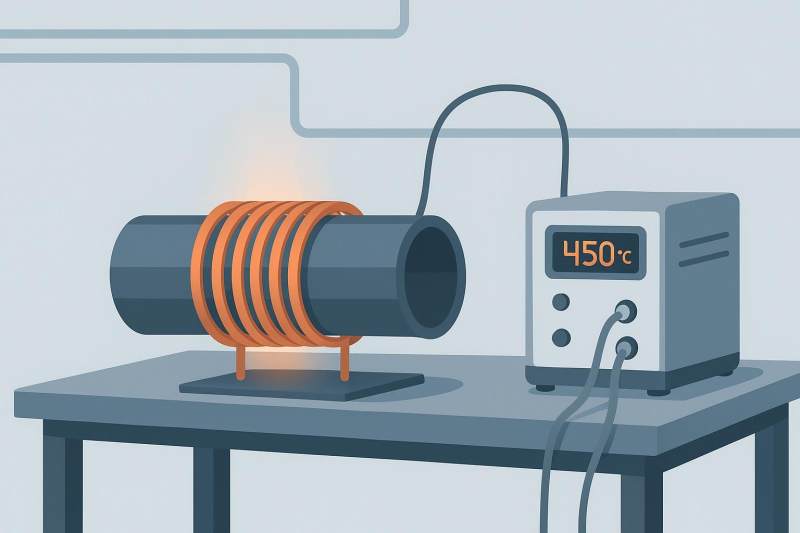
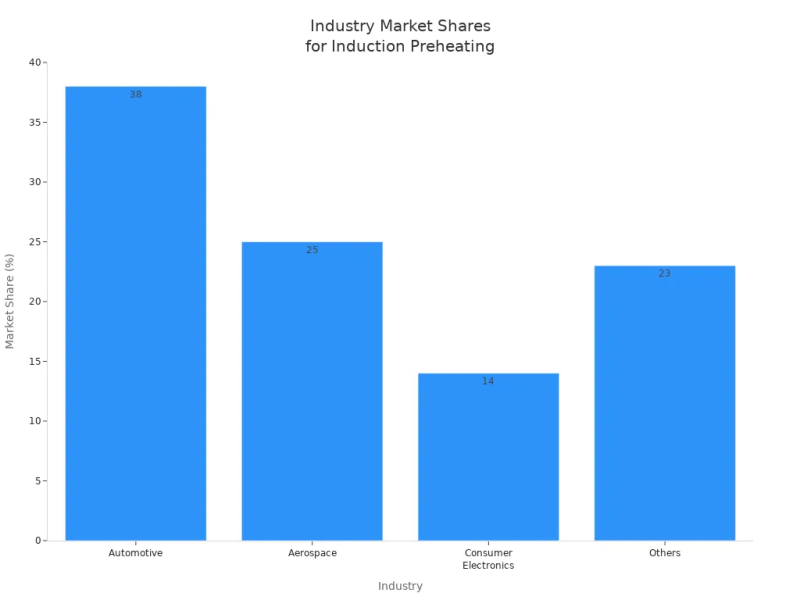
You use induction preheating to warm up metal before welding or making things. This way helps keep the heat even and uses less energy than old heating ways like flame or resistance heating. You can find induction preheating in many industries. These include automotive, aerospace, consumer electronics, and construction. The table below shows how much each industry uses it.
Key Takeaways
Induction preheating heats metal fast and evenly. This helps make welds better and lowers mistakes. It is safer than old heating ways because there are no open flames. This means there is less chance of fire. Induction preheating also saves energy and time. This makes it work better for many industries. Keeping the right temperature during preheating makes pressure vessels last longer. It also stops cracks from forming. Canroon has advanced induction preheating tools. These tools use less energy and give steady results.
What Is Induction Preheating
Definition and Principles
You use induction preheating to warm metal parts before welding or making things. This method works because of electromagnetic induction and the Joule effect. When electricity moves back and forth in a coil, it makes a magnetic field. If you put a metal part in this field, the metal gets eddy currents inside it. These currents move through the metal and meet resistance, which makes heat. This way, the metal heats up from the inside, not just on the outside.
Tip: Induction preheating heats the metal itself, so it works quickly and evenly. You do not have to wait long for the metal to get hot enough.
When you look at induction preheating and older ways, you see some big changes:
You can often get the right temperature in 15 to 20 minutes. For repairs, you might only need 5 to 10 minutes.
Importance for Pressure Vessels
Pressure vessels hold gases or liquids under high pressure. They must be strong and safe. Induction preheating is very important here. It gives even heat without using open flames, so it is safer for workers. You can control the temperature very well, which helps stop problems when welding.
Preheating slows down how fast the metal cools after welding. This lets trapped hydrogen leave before the weld gets hard. If you skip preheating, cracks and weak spots can form in the weld. Using induction preheating helps moisture leave the metal, lowers stress, and stops hydrogen cracks. This means your pressure vessels will last longer and work better.
Note: Preheating is not just for safety. It also makes welds better and helps you avoid expensive repairs later.
Common Industry Applications
You see induction preheating in many jobs that need strong welds. Some main areas are petrochemical, oil & gas, and shipbuilding. These fields use induction preheating for making pressure vessels, welding pipelines, and fixing things offshore.
You can also use induction preheating for other jobs, like:
Dehydrogenation (bake-out): Gets rid of hydrogen so steel lasts longer.
Expansion heating: Makes metal easier to bend and less stressed.
Post weld heat treating: Makes welds stronger and tougher.
Bolt removal: Helps you take out bolts safely without breaking them.
Thawing solutions: Unfreezes pipes so systems keep working.
These uses show how induction preheating helps you work faster, safer, and get better results in many fields.
How Induction Preheating Works
Process Overview
You start by putting a coil near the metal part. The coil sends electric current back and forth. This makes a magnetic field around the metal. The field creates eddy currents inside the metal. These currents heat the metal from the inside. You can reach the right temperature in less than five minutes. This is much faster than using flames or resistance heaters. Those old ways take longer to heat metal. You save both time and energy with induction preheating.
Achieving Temperature Consistency
You need even heat to make strong welds. Induction preheating gives you this with special coils and smart controls. Here are some ways you get steady temperatures:
Multi-turn coils focus heat on the exact spot you need.
Robots help place coils and change power as needed.
Flexible coils fit many shapes and sizes for even heating.
The process heats the metal directly, not the air or tools.
Cables or blankets spread the magnetic field for uniform results.
The method slows cooling, which helps stop cracks.
You can see the benefits of good temperature control in this table:
Selective Heating and Safety
You can use induction preheating to heat only certain zones. This is good for stress relief, brazing, or surface prep. The table below shows how this helps you:
You work safer because there are no flames or bad fumes. The process is quick and steady, so you feel less tired during long jobs. You get a safer workplace and better results.
Benefits of Induction Preheating
Weld Quality and Durability
You need welds to be strong and last long. Induction preheating makes the weld area tougher. It helps stop cracks from forming. Heating metal before welding removes hydrogen. It also controls how fast the metal cools. This stops defects and makes welds better. The table below shows how induction preheating helps:
You also get a better microstructure. Induction preheating helps form ferrite and pearlite. These are tougher than martensite. This makes the weld more even and causes fewer problems.
Efficiency and Energy Savings
Induction preheating saves energy and time. It heats metal directly, so less energy is wasted. You reach the right temperature quickly. This means you spend less time waiting. Here are some facts:
Induction cooktops are 83–87% efficient.
Gas ranges are only 30–40% efficient.
Electric ranges reach 70–75% efficiency.
Induction uses less electricity for each job.
You save money every year and waste less energy.
You can weld thick materials faster. Higher welding speeds are possible. This boosts productivity. Uniform heating gives better fusion and less distortion.
Environmental and Workplace Advantages
Induction heating sends energy right into the material. This cuts down on heat loss. It uses less energy and lowers the carbon footprint. There are no open flames or burning, so fewer pollutants and greenhouse gases are released.
Induction heating is good for the environment. It has very low emissions. It does not need fossil fuels. It reduces greenhouse gases much more than old heating methods.
You work in a safer place. No open flames means less danger. You feel more comfortable because there are fewer fumes. The workspace stays cooler. Controlled heating means fewer defects and less tiredness for welders.
Induction Preheating Equipment by Canroon
Equipment Overview
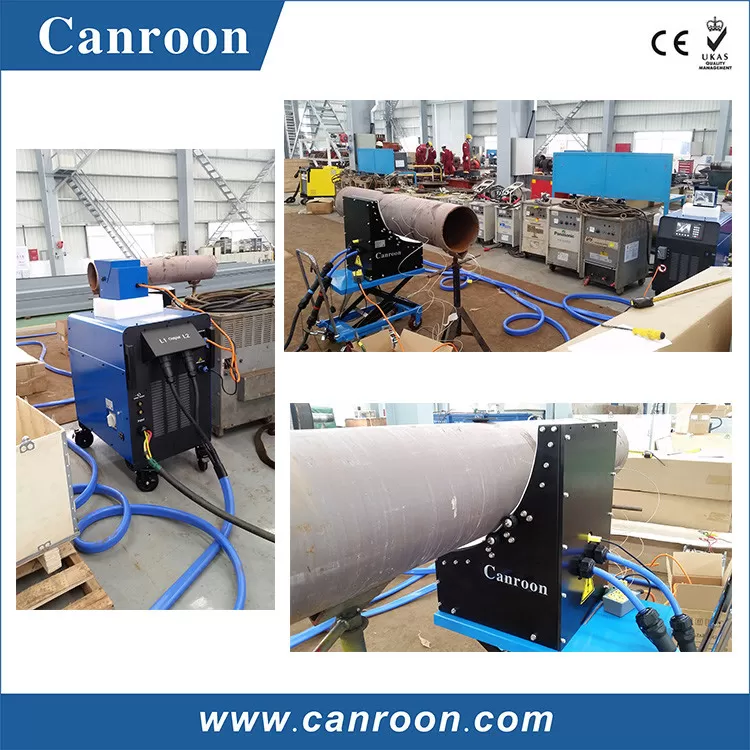
You need good tools for making pressure vessels. Canroon is a top company for induction preheating equipment. You can pick from different machines. Each machine is made for certain jobs and places. The table below lists the main choices you have:
You can use these machines in factories or outside. They help you finish work faster and get better results.
Features and Advantages
Canroon’s equipment gives you many good things. The machines let you control the heat exactly. You can check and change the temperature as you work. This stops overheating and keeps welds strong. The systems use up to 90% of energy for heating. You save power and money. You also get even heat all over the metal.
Here is a quick look at how Canroon compares to other brands:
Canroon’s smart systems use special insulation and smart controls. You get faster work and better quality every time.
Choosing the Right System
Think about your project before picking a system. Ask yourself these questions:
Will you work in a place with high pressure?
Do you need to heat big or thick metal parts?
Is exact temperature control important for safety and quality?
Induction heating works well in hard jobs. It heats the metal right away. You do not waste energy on the air or tools nearby. If you have problems with heat loss or uneven heating, Canroon’s machines fix them. You can control the process and keep your work safe and correct. Always match the equipment to your job and safety needs for the best results.
Applications and Case Studies
Industry Examples
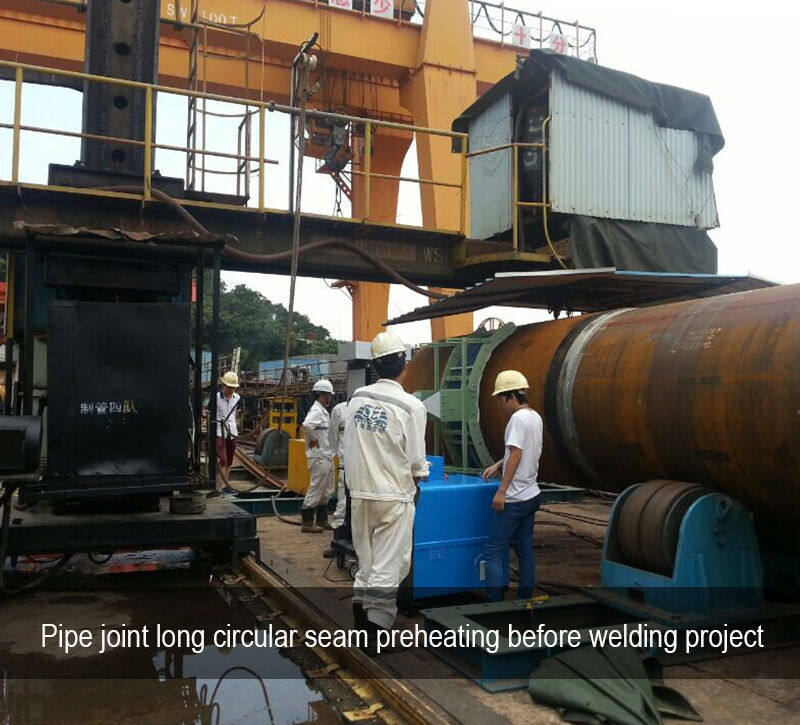
Induction preheating is used in many industries. Factories use it to make pressure vessels and pipelines. They also use it for big metal parts. Shipyards need induction preheating for welding thick steel plates. Oil and gas companies use it for fixing pipelines and making pressure vessels. Power plants pick induction preheating to make welds better and safer.
Canroon Solutions in Practice
You can see how Canroon equipment helps in real jobs. Here are some examples:
A car factory used the Canroon CR2100 to heat gears. Workers got faster heating and easier control of temperature.
The factory used less energy after switching to Canroon induction preheating. Energy use dropped by 25%.
The equipment broke down less. This meant less waiting and more work done.
Tip: You can save energy and work better if you pick the right induction preheating system.
Best Practices
You can follow these best practices to get the most from induction preheating:
Put coils close to the metal for even heating.
Watch the temperature with sensors so you do not overheat.
Use flexible coils for odd shapes and big parts.
Pick equipment that fits your project.
Teach workers to use the system safely.
You get better welds and fewer mistakes when you control the heating. You also make the workplace safer and save money on energy.
You get stronger welds, lower costs, and safer conditions when you use induction preheating for pressure vessel fabrication.
You get stronger welds and finish jobs faster with induction preheating for pressure vessel fabrication. Canroon’s advanced equipment lets you control heat exactly and saves energy.
Look into induction preheating solutions for your next project.
Talk to Canroon experts for help picking equipment.
Tip: You can make welds better and spend less money by picking the right induction preheating system. Start learning more now!
FAQ
What is induction preheating?
Induction preheating uses electromagnetic fields to warm metal before welding. It heats metal quickly and evenly. You do not need open flames. This method saves energy and keeps things safer.
Why should you use induction preheating for pressure vessels?
Induction preheating makes welds stronger and safer. It helps you control the temperature. This lowers the chance of cracks. Your pressure vessels last longer and work better.
Is induction preheating safe for workers?
Yes! Induction preheating does not use open flames. You do not have fire risks or bad fumes. The process keeps your workspace cooler and safer.
Can you use induction preheating on thick metal?
You can use induction preheating for thick or big metal parts. The heat goes deep inside the metal. You get even heating and better welds.
Sign up for updates