




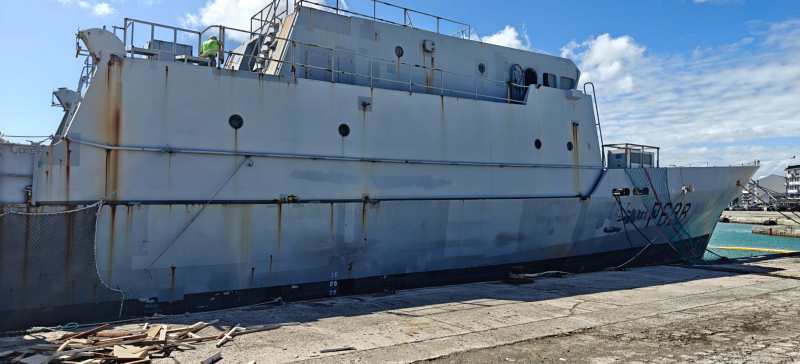
How do you ensure perfect strength in modern shipyards? You make welds better using induction preheating on plates. Advanced systems send even heat deep into your metal. This steady process slows cooling. It stops hydrogen-induced cracking in heavy joints.
Precise temperature control up to 780°C prevents brittle martensitic transformations. It lowers heat-affected zone hardness. It also boosts overall weld ductility.
You replace bad flame and resistance heating. This saves money on repairs. Using induction heating shipbuilding technology creates strong welds. It makes your welding work easier.
Key Takeaways
Induction preheating heats deep inside thick steel plates.
It stops dangerous hydrogen cracking from happening.
Slow cooling keeps heat-affected zones very soft.
This also boosts overall weld strength.
Modern induction systems do not use open flames.
This improves jobsite safety quite a bit.
It also helps reduce total energy costs.
Flexible heating coils easily wrap around curved hull plates.
They also fit complex pipe joints well.
Challenges in Heavy Plate Shipbuilding Preheating
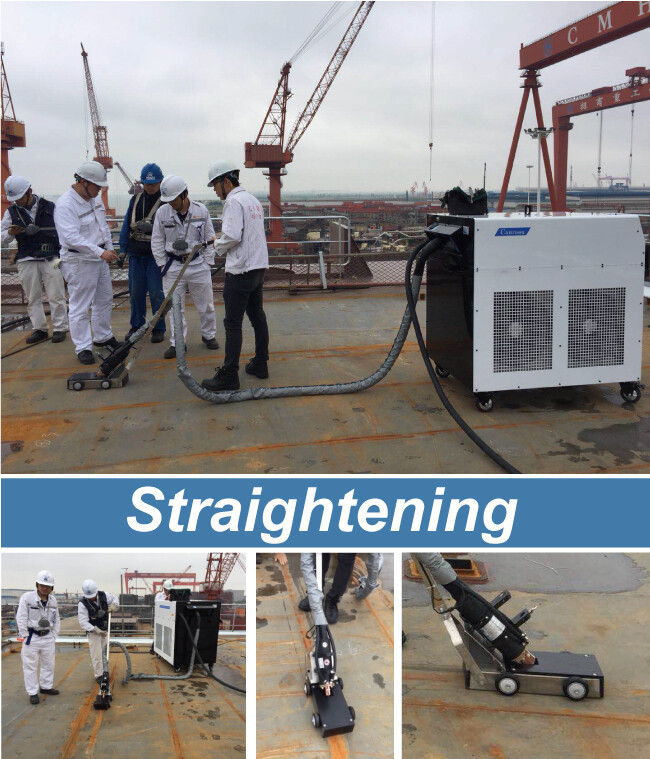
Limitations of Flame and Resistance Preheating
Thick hull plate fabrication faces big technical problems. You often use old open flame methods. Or you use ceramic resistance heating pads. Flame heating causes uneven surface heat. It has slow thermal penetration too. Torch setups burn tons of gas. This bad heating wastes your budget fast. Resistance cables need slow manual setup. They break often in harsh shipyards. Modern induction tech solves these problems completely.
Risks of Poor Temperature Control in Thick Steel
Thick steel quickly pulls heat away. It drains your active weld zone. Bad heat control creates dangerous metal defects. This happens during preheating of steel plate welds. You must track expansion carefully. Do this for each heat treatment of ship plates.
Warning: Bad heat control ruins strong structures. It causes sudden weld cracking. It also creates costly project delays.
Skipping proper preheat causes severe dangers:
Moisture Trapping: Low heat leaves water on plates. It affects electrodes and environments. This lets hydrogen enter welds.
Rapid Cooling Rate: Without good heat, welds cool fast. Fast cooling blocks the thermal window. Hydrogen cannot escape safely then.
Hydrogen Accumulation: Trapped gas stays inside thick metal. This greatly increases H₂ cracking risks. Cracking happens after metal cools.
Heavy steel plates need deep heat. Advanced induction tools guarantee exact control. This works across every single joint.
Induction Heating vs Flame in Shipyards
Rapid Thermal Penetration Up to 780°C
Thick steel needs deep heat. Fast systems create skin effects. They heat 2 mm deep. Low-frequency systems fix this issue. They heat steel cores to 780°C.
Key Insight: Good induction tools heat deep inside metal.
Improving Heavy Structural Steel Welds
Even heat boosts weld quality. Systems warm complex joints. You shield steel from shock. Slow cooling lets hydrogen leave.
Use safe heat for ship tasks:
Warm plates to stop cold spots.
Control heat for heavy welds.
Hold steady heat during brazing.
Help join mixed metal parts.
Jobsite Safety and Operational Energy Savings
Flames cause burns inside ships. They create bad fumes too. Induction heat stops open flames. Work areas stay clean now.
Power flows straight into steel. No heat escapes outside. You save daily power fast. Work finishes much faster today. You get better welds cheaply.
Metallurgical Benefits of Induction Preheating
Preventing Cracking and Hydrogen Hazards
Thick structural steel traps hydrogen gas. This happens during deep seam welding. Moisture breaks down under high heat. Hydrogen enters your molten weld fast. Metal cools without good heat control. Hydrogen builds up extreme pressure inside. This force causes delayed hydrogen-induced cracking.
Pro Tip: Induction preheating keeps steel warm. Warmth spreads through the entire thickness. Deep heat lets hydrogen escape safely. Gas leaves before metal solidifies fully.
You stop cold cracking hazards easily. Just maintain steady preheat temperatures daily. Safe heat lets hydrogen gas diffuse. Gas goes into surrounding air. You protect weld preheating equipment integrity. This ensures maximum long-term durability.
Controlling Cooling Rates in Marine Welding
Marine work needs total heat control. Control cooling rates between 800°C and 500°C ($t_{8/5}$). Fast cooling creates dangerous brittle structures. These form inside heavy plate joints. Deep induction systems send constant heat. Energy goes directly into metal cores.
Slow cooling protects heavy steel parts. It prevents sudden thermal shock damage. You keep strong material toughness. Use precise temperature controls everywhere.
Reducing HAZ Hardness and Enhancing Ductility
Fast heat loss causes local hardening. Hardening happens inside heat-affected zones. Uncontrolled hardening increases joint brittleness fast. Control peak hardness values using heat. Apply steady heat before joining plates.
Good heat control softens hard metal. It acts like localized annealing work. Controlled heat improves microstructures safely now. You get superior ductility across joints.
Use this system for stress relief. Apply heat treatment right after welding. Targeted heat relieves deep internal stresses. It works without causing structural distortion. Heat softens hardened zones very well. Welds reach optimal fatigue strength quickly. They meet strict classification standards easily.
Advancing Induction Heating Shipbuilding Applications
Canroon tools lead marine work. Yards use induction heating shipbuilding. This boosts yard productivity fast. You build strong vessel designs.
Flexible Coil Deployment for Hull Geometries
Hard ship shapes need versatile setups. Put air or water coils near stiffeners. Wrap coils on curved plates. Put them on pipe joints. An induction heating system wraps shapes easily. An induction brazing system joins pipes well. It helps with tight thermal bonding. It does quick localized brazing too. Fast setups speed up work.
Automated Temperature Profiling with Canroon Systems
Canroon units heat steel very well. Pick power from 40 kW to 120 kW. Run it from 3 kHz to 35 kHz. A digital display control system checks heat.
Six thermocouples track plate temperatures daily. Do precise heat treatment of ship plates up to 788°C. An induction heating machine controls pulses well. It uses constant heat for speed.
Code Compliance and Rework Elimination
Digital logs save complete thermal records. Meet AWS D1.1, ABS, and DNV rules. Good logs stop bad weld flaws. Fixes stop with modern induction heating applications. Yards improve welding heat treatment services now. You raise overall daily production fast. New tech guarantees deep structural safety. Advanced induction heating shipbuilding tools improve marine quality.
Summary: Uniform heat keeps steel plates strong.
Safe heat lets hydrogen escape. It softens hard zones. It protects thick joints. Canroon systems help shipyards. They raise daily work output. Workers stay safer now. Jobs meet strict rules. Upgrade your induction heating shipbuilding workflows today.
FAQ
What preheating temperature do you need for heavy ship plates?
Temperature Target: Heavy steel plates need heat up to 780°C.
Thick marine steel needs heat up to 780°C. Targets depend on steel thickness and grade. Good heat stops brittle shapes. It stops hydrogen cracking fast.
How does induction preheating compare to open flame heating?
Induction sends deep heat into steel cores. Open flames heat surfaces. Flames waste power fast. Induction saves energy. It lowers fuel costs. It makes jobs safer.
Can you use induction equipment for other shipyard tasks?
Yes, you use induction tools for many jobs:
Post-weld heat treatment
Structural stress relief
Pipe brazing operations
Flexible coils bend around tricky shapes.
How does induction heating eliminate hydrogen-induced cracking?
Induction heat slows weld cooling rates down. Controlled cooling lets hydrogen gas escape safely. You protect heat-affected zones from cold cracks.
Previous:
Next:
Sign up for updates