




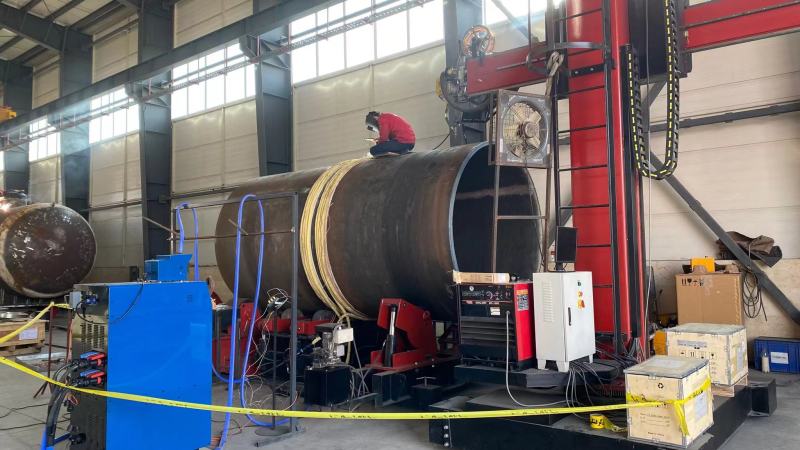
Induction preheating temperature control uses electromagnetic fields to heat metals. This happens before welding or other jobs. Many industries use this method. It gives fast, clean, and accurate heating. Using exact temperature control helps stop hydrogen cracking. It also helps welds go deeper and lowers leftover stress. You make welded joints stronger and less likely to rust. Canroon is a top company in induction heating technology. They offer reliable systems for every preheat job.
Preheating lowers the chance of hydrogen cracking.
It lets welds go deeper into the metal.
It cuts down on leftover stress and helps slow cooling.
Heating after welding lowers stress and makes things tougher.
Controlled heat treatment helps stop rust.
Key Takeaways
Induction preheating helps stop hydrogen cracking. This makes welds stronger.
When you control the temperature well, you save time and energy. This makes the work faster and easier.
Heating everything the same way stops cold spots. This gives steady results and lowers the chance of metal problems.
Automation in induction heating makes things safer. It lets you change settings right away. This makes the quality better.
Picking the best equipment and setup is very important. It helps induction preheating work well for different metals.
Induction Preheating Basics
What Is Induction Preheating
Induction preheating warms up metal parts before welding. It uses electromagnetic fields to heat the metal from inside. You do not need to touch the metal with fire or a heater. Induction preheating works quickly and keeps things clean. When you use induction preheating for steel, the heat spreads evenly. This stops weak spots and makes your work stronger.
You may want to know how induction preheating is different from other ways. The table below shows how induction heating and resistance heating are not the same:
Why Temperature Control Matters
Good temperature control is important when you preheat steel. If you heat the metal too much, it can get damaged. If you do not heat it enough, cracks or weak welds can happen. Temperature control keeps the steel at the right heat for the job. This makes welds stronger and helps steel last longer. You also save energy and time by not wasting heat. Induction preheating gives fast and accurate temperature control. You can trust your results every time you preheat.
Induction Preheating Process
Heating Principles
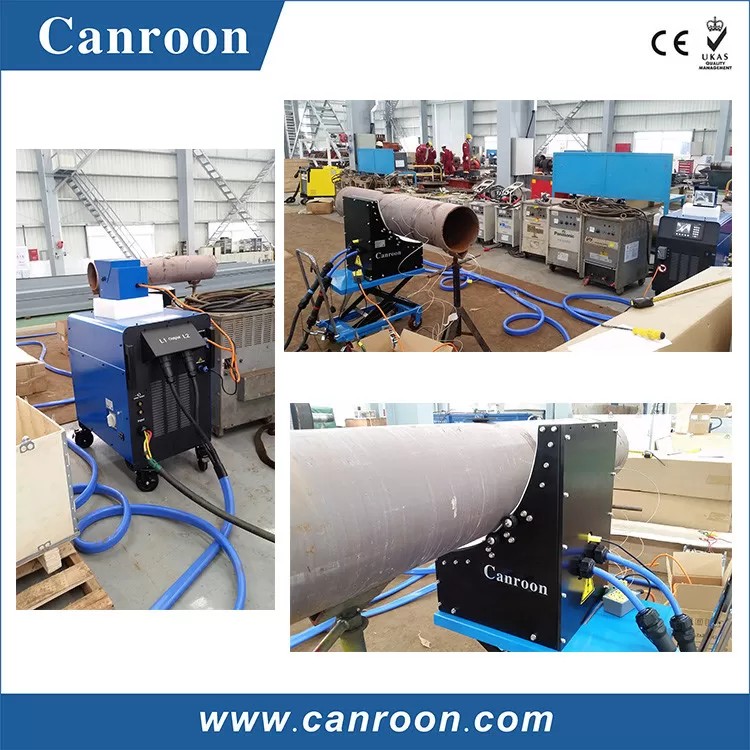
Induction preheating warms metal before welding or shaping. It uses science rules about electricity and magnetism. When you run an alternating current through coils, a magnetic field forms. This field makes electric currents inside the metal. The metal fights these currents. This turns electricity into heat.
Tip: The heat amount depends on the current’s frequency and strength, the metal’s resistance, and how well the metal holds a magnetic field.
Here is a table showing the main ideas behind induction heating:
You can change the process by adjusting frequency and power. Lower frequencies heat thick materials more evenly. Higher frequencies heat the surface faster but may not go deep. The metal’s specific heat and magnetic permeability also affect how fast and even it heats.
Temperature Monitoring Methods
You need good temperature control to reach your target heat and avoid overheating. Modern systems use optical controllers and infrared tools. These tools check temperature without touching the metal. Infrared pyrometers measure heat in milliseconds. This quick response keeps the process safe and efficient.
Here is a table explaining how these tools work:
You can use these sensors with automatic controllers. The system changes AC power to keep the temperature steady. This stops thermal runaway or cold spots. Canroon’s technology uses advanced sensors and smart controllers. You get real-time feedback and exact adjustments during preheating.
Coil Placement and Setup
How you place induction heating coils affects how well and evenly you heat metal. You must think about coil size and shape, metal thickness, and material type. The ratio of the coil’s inner diameter to outer diameter changes how much power goes to the workpiece. Thicker walls need lower frequencies for deep heating. Thinner walls heat up faster with higher frequencies.
Here is a table showing what to consider when setting up coils:
Lower frequencies can make heating more efficient by up to 16%.
Higher frequencies heat the surface more but may not go deep.
Picking the right frequency helps you get even heat through the whole part.
You may face problems like poor power transfer, wrong frequency, or oxide layers on the metal. These can cause slow heating, uneven results, or damage. Canroon’s systems help you fix these issues. Their experts help you choose the right setup and adjust the process for each job. You get reliable induction preheat every time.
Equipment for Induction Preheat
Sensors and Controllers
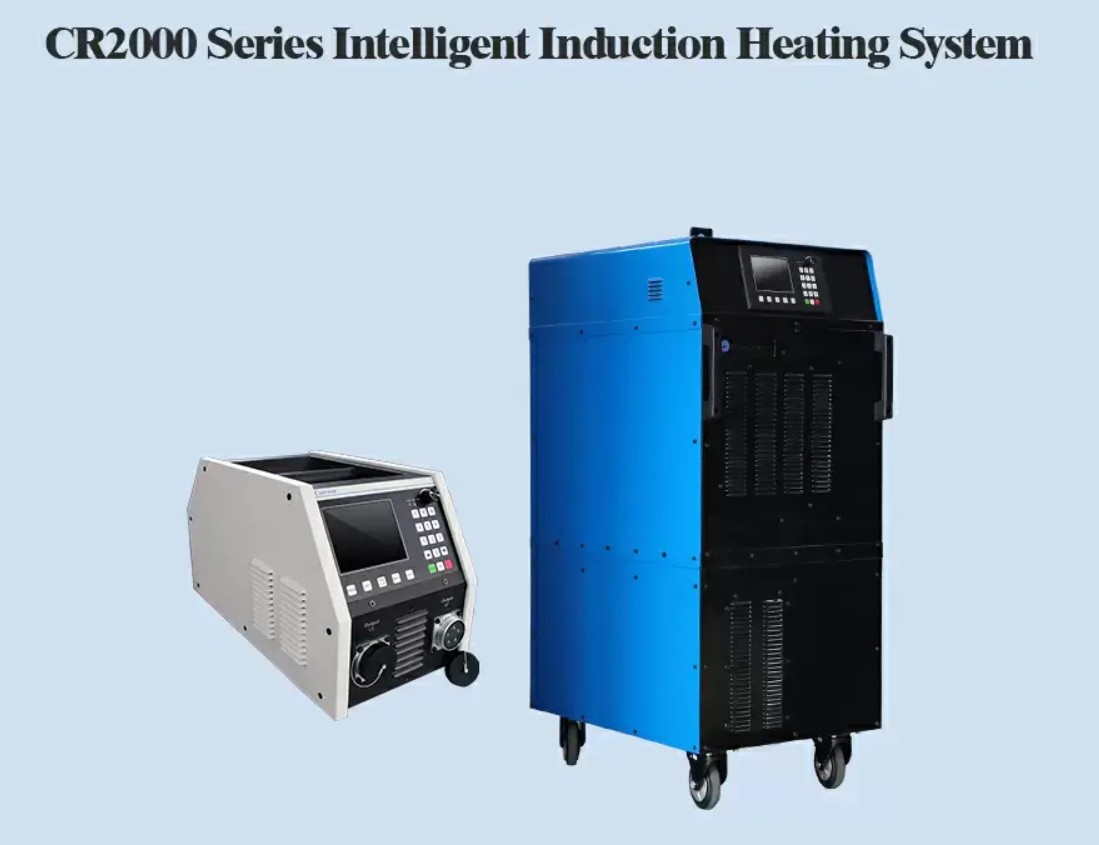
You need good sensors and controllers for safe induction heating. Sensors check the metal’s temperature while it heats up. Controllers help keep the heat at the right level. The table below shows the most common types:
Thermocouples give you instant temperature updates. PLC controllers let you set a temperature and keep it steady. These tools help stop overheating or cold spots during induction preheat.
Automation and Real-Time Adjustment
Automation makes induction heating simple and safe. Smart systems watch the temperature and change the power as needed. This keeps everything running well and saves energy. Here are some ways automation helps:
Real-time automation uses smart controls to watch and change the process. This makes things work better and improves quality.
Advanced sensors and temperature checks give you exact control. You get the same results every time.
Digital tools let you check the process from far away and plan repairs. Data helps you make heating better.
Tip: Automation saves time and cuts down on mistakes. You can do other work while the system handles preheating.
Canroon System Features
Canroon has induction heating systems with special features. You get high energy savings, lower costs, and help the environment. The table below shows how Canroon compares to other brands:
You also get extra safety:
You lower the chance of burns because induction heating does not make hot spots.
You stay safe from gas explosions since the system uses electricity, not fuel.
You protect your skin and eyes because there are no UV rays.
Canroon’s induction preheating equipment helps you work faster and safer. You can trust their systems to give steady heat for every job.
Preheating Steel Plates
Application in Welding
When you work with preheating steel plates, you make the welding process safer and more reliable. Preheating before welding helps you avoid cracks and weak spots in the steel. You can use induction preheating to get the steel to the right temperature quickly and evenly. For example, you can heat a steel valve to 400 °F (204 °C) in less than five minutes with a single coil using an EKOHEAT® 10 kW induction system. This method works well for both welding and bending thick steel.
Here are some ways preheating steel plates helps during welding:
You prevent hydrogen-induced cracking by letting hydrogen escape from the steel.
You reduce thermal shock and distortion, which keeps the steel flat and true.
You improve fusion and mechanical properties, making the welds stronger.
You lower hardness in the heat-affected zone, so the weld area stays tough and less brittle.
When you use induction for preheating, you get fast, clean, and controlled results. This makes it easier to handle bending thick steel and other tough jobs.
Stress Reduction Benefits
Preheating steel plates does more than just help with welding. It also reduces stress inside the metal. When you heat the steel before welding, you lower the risk of cracks and warping. This is important for both welding and bending. The right preheat keeps the steel from cooling too fast, which can cause problems.
You can see how different preheating methods affect stress in steel plates:
Induction preheating gives you even better control. You can keep the steel at the right temperature for as long as you need. This helps you avoid sudden changes that lead to stress. You get better results in both the welding process and when bending thick steel plates. With proper preheating, your steel stays strong and keeps its shape.
Benefits of Induction Preheating
Speed and Efficiency
Induction preheating lets you finish welding jobs faster. It heats steel quickly, so you do not wait long. The process saves time compared to older ways. The table below shows how induction heating is faster than other methods:
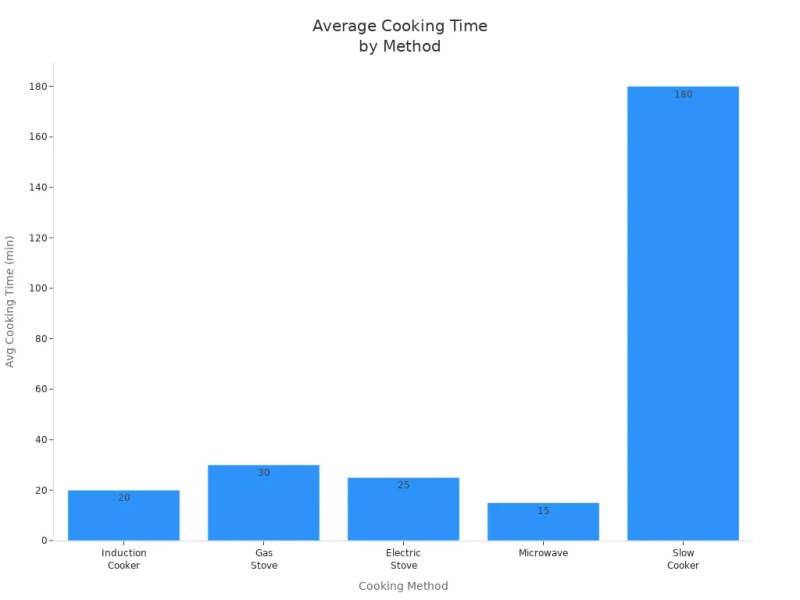
Induction heating cuts down the time needed to preheat steel. You can start welding sooner and finish your work faster.
Uniform Heating
Induction preheating spreads heat evenly across steel plates. You do not get cold spots or overheated areas. This helps you make strong welds. The heat goes through the metal, so every part gets hot enough. Uniform heating is important for welding thick and thin steel. You get steady results, and forging takes less time. Induction gives you reliable heat for every job.
Note: Uniform heating keeps steel from bending or cracking during welding. You get better welds and fewer mistakes.
Safety and Energy Savings
Induction preheating makes your work safer and saves energy. It does not use open flames, so fire risks are lower. You avoid breathing in bad fumes. The process turns most energy into heat, so it is more efficient than old methods. You waste less energy and can reach up to 98% efficiency. Here are some main benefits:
Induction preheating uses energy well.
You work safely with no flames or burning.
Direct heating of steel cuts waste and saves money.
The table below shows more environmental benefits:
You keep yourself and your team safe while saving energy. Induction preheating helps you work smarter and safer.
Comparing Induction Preheat Methods
Induction vs. Resistance Heating
When you pick a way to heat steel, you want it fast and cheap. You also want good control. Induction preheating works well and saves money in the long run. Resistance heating uses wires or pads to warm up metal. Induction uses magnetic fields to heat steel right away. This makes heating quicker and more exact.
Here is a table to show how both ways compare:
Induction preheating costs more at first. But you save money later. You use less energy and get better steel results. Induction gives steady heat. You do not get hot or cold spots.
Tip: If you want to save energy and have more control, induction is a smart choice for steel jobs.
Induction vs. Flame Heating
Flame heating uses gas burners to warm steel. This way wastes energy and is hard to control. Induction gives you better accuracy and repeatability. You can put heat right where you need it.
See how these two ways compare:
Induction helps you avoid overheating or underheating steel. You keep your work area safer because there are no flames. Induction preheating lets you get the right temperature every time. Your steel stays strong and welds last longer.
Implementation Tips
Choosing Equipment
When picking induction preheating equipment, match it to your project. Think about the steel type and part size. Know what you want to heat and why. The table below shows what to compare:
Custom coil designs help keep temperature even. This matters for big steel jobs. Faster heating cycles make your work more efficient.
Maintenance and Troubleshooting
You want your induction heating system to work well daily. Sometimes, you get uneven or inconsistent heating. Here is how to fix these problems:
Check if your coil design fits your steel parts.
Put your workpiece in the right spot.
Pick the correct frequency for your heating job.
Keep your power supply steady.
Control cooling to stop overheating.
Tip: Regular checks and quick fixes keep your system working well.
Training and Support
Proper training and support help you use your induction preheating system best. Canroon gives many services to help you:
You learn to use, maintain, and fix your system. Canroon’s team helps you solve problems fast and keeps your steel heating jobs running smoothly.
You get lots of good things when you use induction preheating. The table below shows why this method is special:
Canroon’s systems help you finish jobs quickly and safely. You can count on their solutions for steady and good results. Contact Canroon to get a plan made just for you.
FAQ
What metals can you preheat with induction?
You can preheat many metals with induction. Common choices include steel, stainless steel, copper, and aluminum. Induction works best on metals that conduct electricity well.
How do you check the temperature during induction preheating?
You can use infrared sensors or thermocouples. These tools give you fast and accurate temperature readings. You do not need to touch the metal.
Is induction preheating safe for workers?
Induction preheating is safe. You avoid open flames and hot surfaces. The system heats only the metal, not the air around you. This lowers the risk of burns and fire.
Can you use induction preheating for large steel plates?
Yes, you can.
Use the right coil size and power level.
Induction gives even heat across big surfaces.
You get strong welds and less stress in the steel.
Sign up for updates