




You use an induction power supply to heat metal fast and well. Knowing how it works helps you control it better. It also helps you take care of the equipment in factories. Many workers use these systems to make things faster. This helps them make more products. Taking care of your equipment helps it last longer. It also uses less energy.
The world market for induction heating systems is growing quickly. It is worth USD 2.3 billion in 2025. It may reach USD 4.1 billion by 2035.
Canroon gives you good induction solutions for your factory needs.
Key Takeaways
Induction power supplies heat metal fast and well. They are very important in today’s factories.
Knowing the parts, like rectifiers and inverters, helps you control heating. It also helps you use less energy.
Taking care of your induction system stops it from breaking. This makes it last longer and saves you money over time.
Induction heating is safer and cleaner than old ways. It lowers pollution and makes work safer for people.
Picking the right frequency and power for your metal job helps it work better. It also stops you from wasting energy.
Induction Power Supply Basics
How Induction Power Supply Converts Energy
An induction power supply changes electricity into heat. The process starts with the power grid. The system takes 3-phase current from the grid. It turns this into high-frequency current. You can change the frequency for different metals. You can also change it for different jobs. This makes heating in factories work well.
The induction power supply uses alternating current in a coil.
The coil makes a magnetic field.
The magnetic field touches metal nearby and heats it.
The coil does not need to touch the metal. The magnetic field moves electrons inside the metal. These moving electrons make eddy currents. Eddy currents meet resistance and create heat. You can melt metal quickly and safely.
Tip: Change the frequency and power level to control heat. This helps you get the right temperature for each job.
Modern induction power supplies use new technology. IGBT modules make the system work better and last longer. Water-cooled cables take away extra heat and keep things safe. These features help you work faster and save energy.
The Role of Electromagnetic Induction
Electromagnetic induction is the main idea behind induction power supplies. You use this idea to move energy without touching the metal.
Put a conductor, like a metal rod, in the coil’s magnetic field.
The magnetic flux changes because the coil’s current alternates.
The changing flux makes voltage in the metal.
If the circuit is closed, current flows in the metal.
Energy moves from the coil to the metal and heats it.
You can use induction in many ways. You can melt, harden, or weld metal. You can also store energy or change voltage. Induction power supplies give you control and flexibility.
Induction makes your work safer and faster. You do not need open flames or direct contact. You can control the heating very well. This helps you make better products and waste less.
Key Components of Induction Power Supplies
Rectifier and Inverter Functions
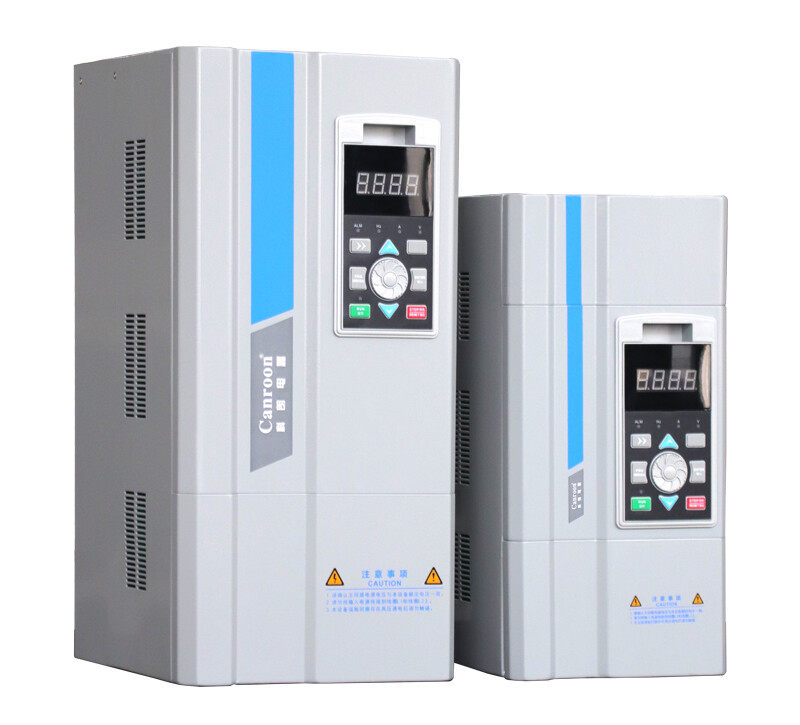
First, the rectifier changes AC from the power grid into DC. The rectifier lets current move in only one direction. You need DC so the inverter can work. The inverter then changes DC into high-frequency AC. This step is needed for induction heating. High-frequency AC helps the coil heat metal faster.
The inverter lets you change the frequency and power. This helps you pick the right settings for each metal. Canroon makes rectifiers and inverters that work well. You get steady power and fewer problems.
Tank Circuit and Impedance Matching
The tank circuit links the inverter to the coil. It has capacitors and sometimes transformers. The tank circuit stores and moves energy. Impedance matching is very important here. You adjust the circuit to fit the load. This helps power move better and saves energy.
Impedance matching sends more power to the metal.
You change the circuit’s inductance to match the inverter.
The coil’s shape and turns change how well it heats.
You get better heating when impedance matches. Canroon makes tank circuits for many shapes and materials. You save energy and heat things faster.
Induction Coil as Applicator
The induction coil is the part that heats the metal. You put the coil close to the metal you want to heat. The coil moves energy from the power unit to the metal. Good coil design is important for heating in factories.
Keep the coil under 37 °C to protect it.
Use water jackets to cool the air around the coil.
Some uneven fields can lower power use and make the field stronger.
Maxwell-type coils give a more even magnetic field.
Bad coil design can cause uneven heating and waste energy.
Special coils may be needed for tricky parts, which can cost more.
Uneven magnetic fields make it hard to know how much heat you get.
Canroon makes coils for many jobs. You get custom coils that fit your needs. You save energy and get good heating every time.
Control Systems for Precision
Control systems help you run the induction power supply. You can turn it ON or OFF and set the power. Advanced controls use smart systems and AI. These systems guess heat patterns and change power as needed. You get exact heating and save energy.
Control systems make things safer. You stop overheating and keep things steady. You get even results and fewer mistakes. Canroon gives training and support for control systems. You learn how to use the system and keep your factory working well.
Note: Induction heating with good control can be over 30% more efficient than old ways. You use power only when you need it and do not waste energy.
Canroon’s Approach to Component Integration and Reliability
You want your induction power supply to last a long time. Canroon gives strong support and good parts. You get help when you start, repairs at your site, and spare parts. Canroon’s warranty covers repairs and regular checks. You get help for life after the warranty ends.
You get expert help for small shops and big factories. Canroon’s induction heaters last longer because of this support. You avoid long stops and keep working.
Start-up help makes setup simple.
On-site repair fixes problems fast.
Spare parts keep you running.
You get good service and training. You learn how to care for your induction power supply and make your factory better.
Induction Furnace Power Supply and Types
Conversion from 3-Phase AC to High-Frequency AC
An induction furnace power supply changes normal power into high-frequency energy. This energy is needed to melt metal. The process happens in a few easy steps:
The furnace gets three-phase AC from the power grid.
The system turns this AC into direct current (DC).
The DC changes into single-phase AC at a medium frequency. This frequency is usually between 200 and 2,500 Hz.
This conversion lets you control how you heat metal. You get steady power and can change the frequency for different metals. The induction furnace power supply helps you reach the right temperature fast and safely. You save energy because most power goes to the metal, not the air.
Tip: Picking the right frequency melts metal faster and wastes less. You spend less on energy and get better results.
Types of Induction Power Supplies
You can pick from different types of induction furnace power supply units. Each type works best for certain jobs and frequency ranges. The table below shows the main types and their usual frequency ranges:
Low-frequency units are good for melting big pieces of metal. Medium-frequency units work for melting and heating. High-frequency units help with surface treatments and small parts. Each induction furnace power supply lets you control the process. You get high efficiency in industrial heating. You waste less heat and send more power where you need it.
Efficiency and Industrial Heating Benefits
Component Impact on Efficiency
You can make heating in factories work better by knowing how each part of your induction power supply works. The way you design important parts decides how well your system changes electricity into heat. If you pick the right parts, your system works better and uses less energy.
The rectifier and inverter let you control power and frequency. You match these to your job and the metal you are working with.
The tank circuit keeps and moves energy. You change it to fit your load and get more heat where you need it.
The induction coil sends energy right to the metal. A good coil design gives you even heating and less waste.
The control circuit uses sensors to check temperature and power. It changes settings quickly for exact heating.
You get better energy efficiency when you use these parts well. You waste less power and heat only what you need. You also protect your equipment and help it last longer.
Control and Environmental Advantages
You can make your factory safer and cleaner with induction heating. This method sends energy right to the material, so you lose less heat. You use less electricity and lower your carbon footprint.
Induction heating does not use open flames or burning. You avoid bad pollutants and keep the air clean.
You do not make soot or emissions. Your workplace stays safe for you and your team.
You use less natural gas and cut down on fossil fuel emissions.
Canroon helps you get high efficiency and be more green. You get advanced power semiconductors like IGBTs and SiC MOSFETs for better power conversion. Sensor systems give you real-time feedback. Control algorithms like PID and model predictive control change power fast.
You see real benefits in your factory. You cut installation time, improve heat treatment cycles, and make your equipment work better. You also lower carbon emissions and make the air cleaner.
Tip: Use induction heating to save energy, protect the environment, and make your products better.
Maintenance and Reliability
Maintenance for Key Components
You must keep your induction power supply working well. This helps your factory run smoothly. Regular checks and calibration find small problems early. Preventative maintenance gives you the best results. Here are some steps you should follow:
Check and clean cooling systems so they do not overheat.
Look at electrical connections for damage or wear.
Calibrate control systems to make heating accurate.
Change worn parts before they break.
Write down all maintenance work.
Some problems can stop your system from working. You can avoid most failures if you know what to look for and act early:
Overheating happens when the system is overloaded or cooling is not enough. Use the right size and check often to prevent this.
Electrical imbalance comes from uneven power supply. Watch phase voltages and use phase sequence indicators.
Bearing failures happen from bad lubrication or misalignment. Check bearings often and use good parts.
Electrical faults may happen because of insulation breakdown or surges. Inspect often and use surge protectors.
Vibration and mechanical stress can break parts. Do vibration analysis and make sure everything is lined up.
Tip: A good maintenance plan saves money and keeps your equipment safe.
Ensuring Long-Term Performance
You want your induction system to last for years. Reliable systems have strong temperature control, high efficiency, and flexible designs. The table below shows what you should expect from a quality system:
Always follow the manufacturer's instructions for care and use. Regular checks and fast repairs help you avoid long stops. Using good parts and keeping your system clean gives you better performance and longer life for your equipment.
You now know that induction power supplies use important parts. These parts include rectifiers, inverters, coils, and control systems. They help heat metal fast and well. Each part is needed for safe and steady heating. Induction systems let you save energy and spend less money. They heat only what you need. Canroon’s machines give you good results every time. They help your factory run smoothly.
Use what you learned to make your own heating process better.
FAQ
What is the main purpose of an induction power supply?
You use an induction power supply to heat metal quickly and safely. This tool helps you melt, harden, or join metals in many factory jobs.
How does an induction coil work?
You place the coil near the metal. The coil creates a magnetic field. This field makes the metal heat up without touching it.
Why should you choose induction heating for industrial applications?
You get fast, clean, and energy-saving heating. Induction heating does not use open flames. You can control the process for better results in industrial applications.
How do you keep an induction power supply working well?
You check cooling systems, clean parts, and replace worn items. Regular checks help you avoid breakdowns and keep your system safe.
Can you use induction heating for small and large jobs?
Yes. You can heat tiny parts or big metal pieces. You only need to pick the right coil and settings for your job.
Previous:
Next:
Sign up for updates