




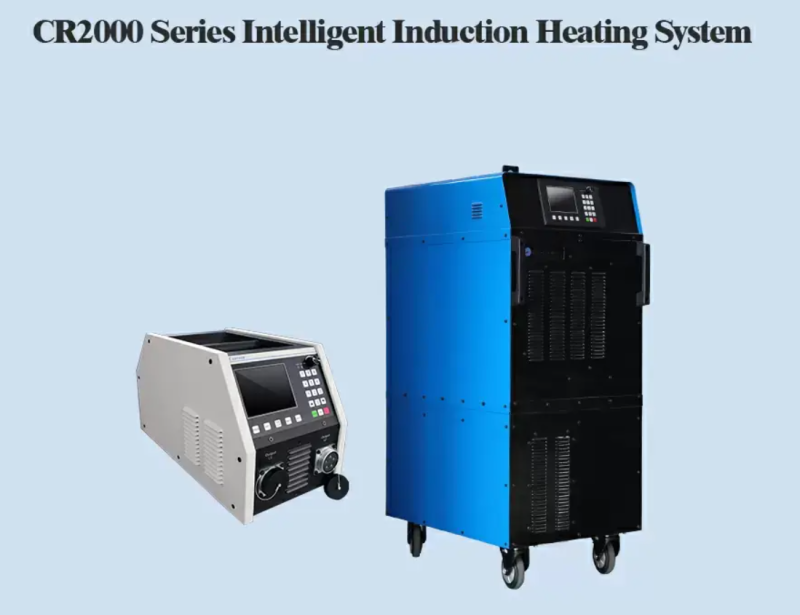
An induction heating generator helps you heat metal objects fast and safe without touching them. You use regular electricity, and the generator turns it into high-frequency current. This current goes through a coil and makes a strong magnetic field around your workpiece. The induction process gives you quick, controlled, and repeatable heating. Many industries pick induction heating because it makes products better, saves energy, and keeps people safe. The world market for these systems gets bigger every year as more companies want good heating solutions. Canroon is known as a trusted company for reliable induction equipment.
Key Takeaways
Induction heating generators use electromagnetic induction to heat metal fast and safely. They do not need to touch the metal. This technology lets you control the temperature very well. It is great for things like welding, brazing, and heat treating. Induction heating saves energy. It uses over 30% less energy than old methods. This helps save money. Safety is a big advantage. Induction heating does not use open flames. It lowers the chance of burns or accidents at work. You should pick the right induction heating generator for your power needs. You also need to think about the metal type and how fast you want to heat it.
How Induction Heating Generators Work
Electromagnetic Induction Principle
You can heat metal without touching it. This happens because of electromagnetic induction. When you turn on an induction heating generator, it sends high-frequency current into a coil. The coil makes a magnetic field around your workpiece. The energy moves into the metal, even though the coil does not touch it.
The magnetic field causes eddy currents inside the metal.
These currents move fast and hit the atoms in the metal.
The hitting makes heat. Scientists call this Joule heating.
Note: Inductive heating generators use this process to heat things safely and cleanly. You do not need flames or direct contact. This keeps your workspace safer and avoids contamination.
You can use induction heating for many jobs:
Hardening and tempering metal to make it stronger.
Melting metals for casting.
Joining parts with brazing or welding.
Curing adhesives in advanced materials.
Induction heating lets you control the temperature exactly. You can heat only the part you want. This saves energy and time. The process works quickly and keeps your products clean.
The Skin Effect in Induction Heating
When you use high-frequency current, the skin effect happens. The current stays near the surface of the metal. It does not go deep inside. Most of the heat forms at the surface.
The skin effect happens because the magnetic field pushes the current to the outside of the workpiece. The current is strongest at the surface and gets weaker deeper inside. If you do not control this effect, heating can be uneven.
The frequency you pick for your induction heating generator changes how deep the heat goes:
Lower frequencies let heat go deeper.
Higher frequencies keep heat near the surface.
Frequencies above 25 kHz work well for many heating jobs.
You can change the frequency to match the size and type of metal. This helps you get the right balance between surface and core temperature.
Power Conversion Process
You start with regular AC power from the wall. The induction heating generator changes this power into high-frequency AC. Here is how it works:
The generator uses a transformer to raise the voltage.
It sends the higher voltage through a bridge rectifier. This turns AC into DC.
The generator uses an oscillator to change DC into high-frequency AC.
The frequency depends on parts inside, like capacitors and inductors.
Some generators use a spark gap oscillator for very high frequencies.
This high-frequency AC goes through the coil. The coil makes the magnetic field that heats your workpiece.
Inductive heating generators heat metal without touching it. You get fast, even heating and use less energy. This method is safe and efficient for many industries.
Main Components of an Induction Heating Generator
You should know the main parts of an induction heating generator to see how it works. Each part does something important during heating. Here is a simple table that shows what each part does:
Power Unit
The power unit is the most important part of your induction heating generator. It takes electricity from your wall and turns it into high-frequency power. This step is needed because high-frequency current heats things quickly and well. You can find generators with different power levels. Some are for small jobs, and some are for big jobs in factories. Canroon makes power units for many uses, from light work to heavy work.
Induction Coil and Work Head
The induction coil is where the main heating happens. You put your metal piece near or inside the coil. The coil makes a strong magnetic field that heats the metal without touching it. The work head holds the coil and helps aim the heat at the right place. You can pick different coil shapes and sizes for different jobs. This makes induction heating good for many kinds of work.
Control and Safety Systems
You need good controls to use your induction heating generator well. Control systems let you set the temperature, time, and power. Controlling the temperature is very important for safety and to stop overheating. New generators use sensors and smart controls to keep heating safe and steady. Canroon adds special control and safety features, so you can trust the machine and focus on your work.
Tip: Always look at the control panel before you start heating. Good temperature control gives you even results and keeps your machine safe.
History and Evolution
Early Developments
Induction heating started in the early 1800s. Michael Faraday found electromagnetic induction in 1831. This idea helped engineers heat metal without touching it. In the early 1900s, companies used induction to melt steel and harden parts. High-power motor generators came in 1922. This made induction heating work for businesses. Engineers learned to change frequency. This let them heat certain parts of metal.
Here is a table with important events:
During World War II, induction heating helped make vehicle parts and munitions. This let industries build strong equipment fast.
Note: In the late 1920s and 1930s, engineers started changing frequency for selective heating. This made induction heating useful for more jobs.
Modern Advancements
Today, induction heating technology is much better. In the 1970s, solid-state power supplies replaced old systems. Machines became more reliable and efficient. In the 1990s and 2000s, digital controls and IGBT inverters gave more precision and saved energy. The 2010s brought smart integration with Industry 4.0. This made induction heating easier to monitor and control.
Here is a list of important steps:
Michael Faraday finds electromagnetic induction in 1831.
Elihu Thomson patents high-frequency dynamos in the 1890s.
H. Kjellin makes the first practical induction furnace in 1900.
More companies use induction in the 1920s and 1930s.
Military uses grow in the 1940s.
Solid-state power supplies come in the 1970s.
Digital controls and IGBT inverters improve systems in the 1990s and 2000s.
Smart, energy-saving designs appear in the 2010s.
Now, companies like Canroon lead with advanced induction heating generators. These machines give precise control, safety, and save energy. You can trust modern systems for many jobs, like metalworking and pipeline construction.
Induction Heating Applications
Industrial Uses
Induction heating is used in many industries. The induction heating generator helps finish jobs fast and safe. It is used for welding, brazing, and annealing metal parts. It also helps heat treat gears and bearings to make them stronger. Food companies use induction heating to cook food quickly and exactly. Medical device makers use it to shape metal for catheters and tools. Car factories use induction heating to make gears, axles, and bearings.
Factories, workshops, and labs use induction heating. This process gives even heating and saves energy.
Pipeline Construction
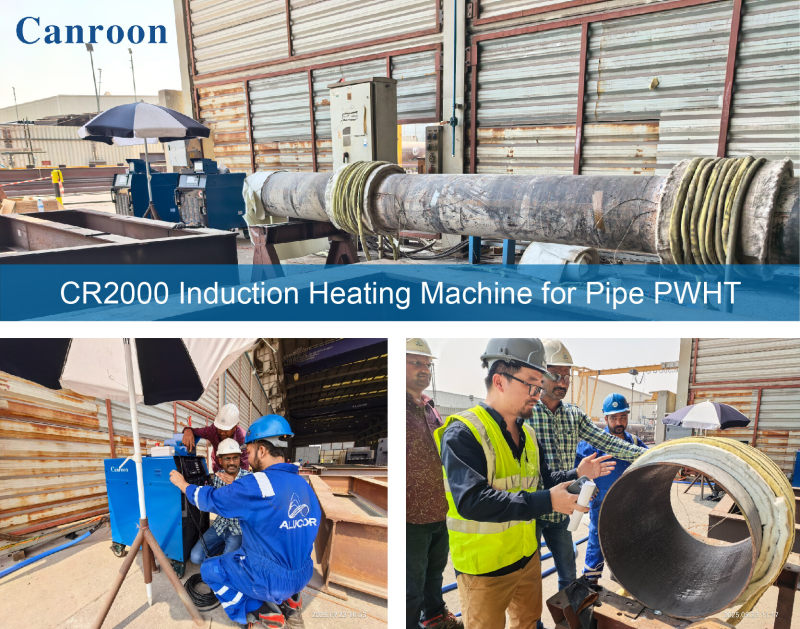
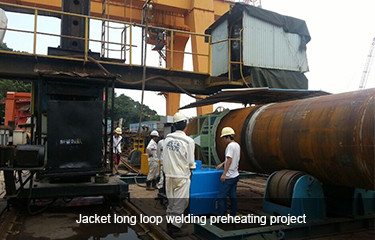
Induction heating generators are used in pipeline construction. These generators preheat pipes and keep welds hot. They heat faster than old methods. They also save energy and make work safer. Good temperature control gives better welds.
Pipes are preheated before welding.
Welds stay hot during construction.
Heating is faster and saves energy.
Work is safer with less risk.
Heating is even for strong welds.
Diesel engine generators help in faraway places. Induction heating is used in oil, gas, power plants, and mining. Jobs finish faster and results are better.
Other Sectors
Induction heating is used in many other jobs. Canroon’s machines give exact and steady heating. Their machines are used for metal work, welding preheat, and post-weld heat treatment. The CR1000 model helps make textile shuttles fast. The CR2000 system preheats steam turbine rotors in power plants. Handheld induction brazing tools join metal quickly. Induction hardening makes gears and shafts harder on the outside. Induction shrink fitting helps put together bearings and couplings safely. Preheating for welding helps stop cracks. Induction heating removes coatings and paint without hurting the material.
Tip: Pick the right induction heating generator for your job. Canroon has solutions for heating in factories, repairs, and building work.
Benefits of Induction Heating
Efficiency and Speed
Induction heating helps you work faster. It heats metal from the inside. You do not have to wait for the outside to get hot. The heat goes right where you need it. This makes jobs finish quickly. Induction heating uses over 30% less energy than old ways. You only use power when you need it. The system turns on for each job and stops when done. This saves energy and keeps things from getting too hot. You see faster heating, so you use less energy to reach the right temperature. This helps you save money and finish work sooner.
Uniform and Precise Heating
Induction gives even and controlled heat. It only heats the spot you want. This stops heat from spreading to other parts. You can use it for jobs that need high accuracy, like making medical tools. Thin inserts get strong, focused heat with quick temperature changes. Thick inserts get a smoother heat spread. You can change the coolant temperature to make heat more even. This control helps you get the same results every time.
Energy Savings and Safety
Induction heating saves energy and keeps your workspace safe. You only use power when you heat something. You do not waste energy running machines all day. Here is a table that shows how much energy you can save:
You also get a safer place to work. Induction heating does not use open flames or make bad fumes. The system shuts off by itself and stops overheating. You work in a quieter place with less chance of burns or accidents.
Comparison with Traditional Methods
Induction heating costs less for energy and repairs. Old heating ways use more power and depend on fuel prices, which can change a lot. Induction heating keeps costs steady and lowers pollution. You finish jobs faster, so you pay less for workers. Here is a table that compares safety features:
You can trust Canroon to give you induction heating that is safe, efficient, and easy to control. You get better results and a cleaner place to work.
You can see that an induction heating generator helps industries heat metal in a new way. It works fast and saves energy. You can control the heat and make products better. Canroon makes machines with smart controls and good designs. Induction heating works for many jobs and uses less energy. If you want to do better work and spend less money, you should think about using this technology for your business.
FAQ
What materials can you heat with an induction heating generator?
You can heat metals like steel, copper, aluminum, and brass. Induction heating works best with conductive materials. Non-metals like plastic or wood do not heat directly.
Is induction heating safe for you to use?
Yes, induction heating is safe. You do not touch hot parts or open flames. The system has safety controls to prevent overheating and accidents.
How do you choose the right induction heating generator?
Check your power needs.
Look at the size and type of metal.
Think about how fast you want to heat.
Can you use induction heating for small jobs?
Yes, you can use induction heating for small parts. Many generators have settings for low power. You get precise heat for tiny pieces.
Sign up for updates