




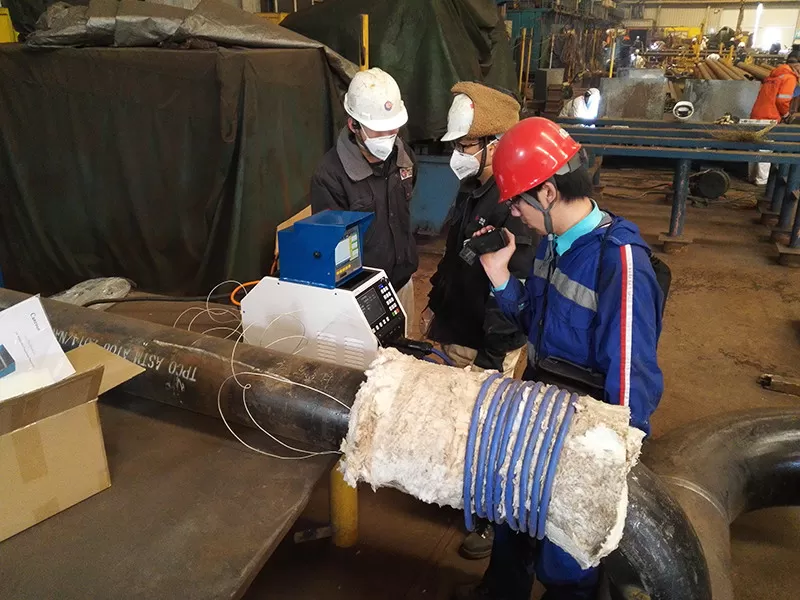
When picking a way to do post weld heat treatment, you want it to be fast, efficient, and accurate. Many industries see that induction heating is about 85% efficient. It heats up quickly and keeps the temperature even. Resistance heating works well too, but it is slower and not as exact.
Industries like shipping and aerospace use advanced PWHT solutions. Canroon helps you with expert induction PWHT tools and service for every need.
Key Takeaways
Induction heating works well and saves energy. It is about 85% efficient. It heats things quickly for post weld heat treatment.
Resistance heating takes more time. It can be used for many shapes. It is often cheaper to set up at first.
Pick induction if you need exact temperature control. It gives fast results. It is good for complex shapes.
Think about costs over time. Induction costs more at first. It can save money on energy and repairs later.
Always check rules in your industry. Make sure you follow safety and quality standards when picking a heating method.
Induction Heating PWHT Overview
Induction Heating Process
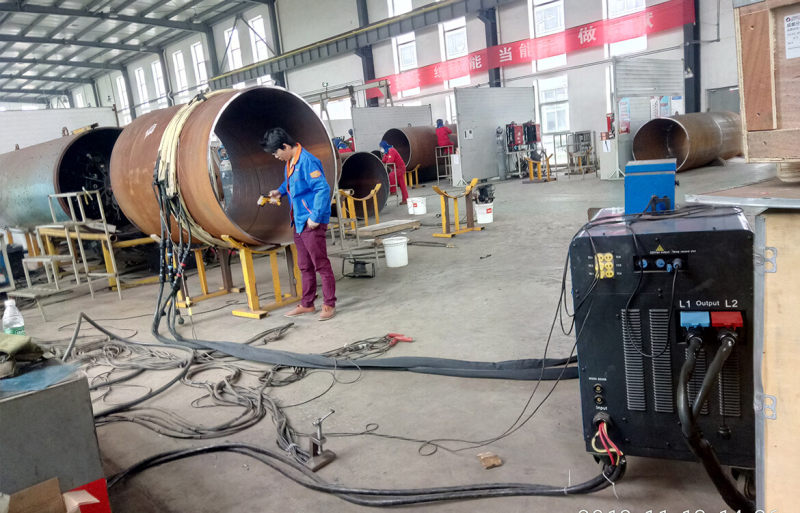
Induction heating is a quick way to heat metal parts. People use it to make welds better after joining metal. An induction coil goes around or near the metal piece. When you turn on the power, the coil makes a magnetic field. This field makes electric currents move inside the metal. These currents heat the metal from inside.
Induction lets you control the temperature very well. You can set how fast it heats, how long it stays hot, and how it cools. Most systems heat at 100 to 150 degrees each hour. You can reach between 650 and 780 degrees, depending on the metal. The heat spreads wide and even, so it meets tough rules. The coil does not get hot, so it is safe to use. You can put on or take off the coil fast, which saves time.
Tip: Induction heating is about 85% efficient, so it saves energy compared to other ways.
Induction PWHT Applications
Induction is used for many post weld heat treatments. It helps make metals stronger and harder on the outside. The inside stays tough. You can use it for stress relief, normalizing, tempering, annealing, and surface hardening. These steps help lower stress in welds and make metal last longer.
Induction heating PWHT works best for steel and welded joints. You heat the welds again to a set temperature to lower stress and make them stronger. This process is good for shipbuilding, pipelines, and pressure vessels. You pick the right treatment based on the metal, how thick it is, and how it will be used.
Resistance Heating PWHT Overview
Resistance Heating Process
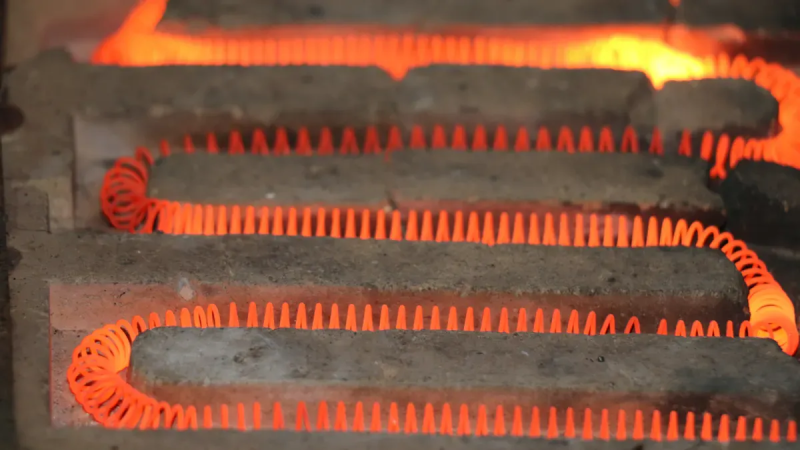
Resistance heating helps control metal temperature after welding. This method lowers stress in welded joints and makes the material stronger. It works by sending electric current through heating elements. These elements touch the metal’s surface. The current meets resistance and makes heat. The heat moves into the metal and warms it up.
Here are the steps for resistance heating:
Heat the metal slowly. This keeps it from cracking or getting damaged.
Hold the metal at the right temperature for a set time. This lets the heat spread out and lowers stress.
Cool the metal slowly. This stops new cracks or weak spots from forming.
Ceramic heating pads help spread heat evenly. Special tools check the temperature. This keeps the process safe and meets industry rules. Resistance heating lets you control each heating zone. You can heat just the weld and the area near it. This saves energy and works better.
Note: Resistance heating uses Joule heating. It heats only where you need it, so you do not waste energy on the whole thing.
Resistance PWHT Applications
Resistance heating works for many post weld heat treatment jobs. It is good for pipelines, pressure vessels, and big steel structures. You can treat shapes that are hard to heat because you put the heating elements where you want. Resistance heating is great for work in the field or in a shop. The equipment is easy to move and set up.
This method helps stop stress corrosion cracking. It also makes the metal stronger. You can use resistance heating for stress relief, tempering, and annealing. You get even results and meet strict quality rules. Resistance heating is safe and reliable for PWHT in many industries.
Induction vs Resistance PWHT: Pros & Cons
Induction PWHT Advantages
Induction heating has many good points for post weld heat treatment. This method does not use flames or touch the metal. You do not have to worry about fire or bad fumes. Induction heats things up fast and spreads heat evenly. You can set the temperature very exactly. This way saves energy and is better for the planet.
Here is a table that lists the main good things about induction heating:
You can use this method for tricky shapes and hard-to-reach spots. Induction works well with machines that run by themselves. You can hook it up to CNC systems for better control. This way also keeps the metal clean because nothing touches it. The process is safe and clean.
Tip: Induction gives you quick results and helps you follow tough industry rules.
Induction PWHT Limitations
Induction heating has some downsides too. The machines cost a lot at first. Small shops might find this hard. Induction works best on metals that carry electricity. If you need to heat metals that do not, this way may not work.
Here are some common problems with induction heating:
It can be hard to heat big or weird-shaped parts evenly. This method needs skilled people to set the right settings. If you do not set them right, the heat may not go deep enough.
Resistance PWHT Advantages
Resistance heating gives you lots of choices and control. You can use it for many shapes and sizes. It works well in the field or in a shop. You put the heating parts right where you want. You only heat the weld and the area near it. This saves energy and does not heat the whole thing.
Here are some main good points of resistance heating:
You can use it for many metals and shapes.
The tools are easy to move and set up.
You can control each heating spot well.
This way works for both small and big jobs.
You can meet strict quality rules with this method.
Note: Resistance heating gives even results and helps stop stress corrosion cracking.
Resistance PWHT Limitations
Resistance heating has some problems too. It heats up slower than induction. Each job may take more time. The temperature control is good but not as exact as induction. The heat may not be the same everywhere.
Some other problems with resistance heating are:
The heating parts wear out and need to be changed.
You may need more people to set up the tools.
This way can use more energy over time.
It may not work well for very thick or tricky parts.
Hot spots can happen if you do not place the parts right.
Think about these good and bad points before you pick a heating method for your PWHT job. Each way has its own strengths and problems. Your choice depends on your project size, the metal you use, and how good you want the results to be.
PWHT Comparison: Key Criteria
Heating Speed & Efficiency
You want to finish heat treatment fast and use less energy. Induction gives quick heating right where you need it. The weld area gets hot almost right away. Resistance heating takes longer because heat moves from the element into the metal. Induction works faster and uses energy better.
Induction heats the metal from inside. This saves energy and time. You can do more jobs in less time. Resistance heating works but is not as fast or energy-saving as induction.
Tip: If you need fast preheat or on-site heat treatment, induction helps you save time and energy.
Energy Use & Cost
You care about how much money and energy you use. Induction costs more at first because the machines are expensive. Over time, you save money because induction uses less power and needs less fixing. Resistance heating is cheaper to buy and set up. But you may pay more for power and repairs later.
Induction costs more at the start but saves money later.
Resistance heating is cheaper at first but can cost more over time.
Induction saves energy and lowers your bills.
Resistance heating may use more power and raise your costs.
If you plan to do many heat treatment jobs, induction can help you save money in the future.
Precision & Control
You want to control the heat treatment very well. Induction lets you set the temperature just right. You can pick how fast it heats up and how long it stays hot. This helps you keep the heat even for good welds. Induction also lets you control how deep the heat goes.
Resistance heating lets you pick where to heat, but it does not control the temperature as well as induction. If you need very exact results, induction is the better choice.
Note: Induction helps you get better product quality by giving you more control over the process.
Material & Geometry Compatibility
You may need to treat different shapes and materials. Induction works well for tricky parts and is good for on-site heat treatment. You can use it for odd shapes or hard-to-reach spots. Resistance heating is flexible and works for many jobs. You can put the heating pads where you need them.
Both ways work for preheat and on-site heat treatment, but induction is better for fast heating and tricky shapes.
Setup & Portability
You want to set up your tools fast and move them easily. Induction systems are quick to set up and good for on-site heat treatment. You can move the machines to different places without much trouble. Resistance heating is also easy to move and works for many jobs, but it may take longer to set up.
If you need to do heat treatment in many places, induction helps you work faster.
Safety & Maintenance
You want your team to stay safe during heat treatment. Induction does not use open flames or hot surfaces. This lowers the risk of fire and burns. You also avoid bad gases and UV light. Induction systems use safety features like isolation transformers and ground fault detection.
Resistance heating can get very hot and needs more care to avoid burns. The heating pads wear out and need to be changed. Induction systems need less fixing and keep your work area cooler.
Induction lowers the chance of burns and accidents.
Resistance heating needs more checks and pad changes.
Induction keeps your team safer during heat treatment.
Remember: Good safety and less fixing help you keep high quality and finish jobs on time.
Choosing the Right PWHT Method
Decision Factors
You need to think about a few things before you pick a post weld heat treatment method. Every project is different and has its own needs. Here are some important things to help you choose:
Industry rules and safety needs can change your choice. Some jobs have very strict rules for safety and quality.
The kind of metal and how big your project is matter. These things help you know which method is best.
How much money you have and how you work are important. You should look at both the first cost and what you will pay later, like for fixing and energy.
Technical details help you pick. You need to match the machine’s power and heat range to your job.
Tip: Always check the rules for your job. Rules like ASME Boiler and Pressure Vessel Code, API standards, and AWS structural welding codes tell you how to do safe and good work.
Industry Recommendations
Many jobs must follow strict rules for heat treatment. You see these rules in oil & gas, power plants, and factories. Here is a table that shows some main rules:
You have to follow these rules to keep your job safe and meet your goals for good work.
Canroon PWHT Solutions
Canroon gives you smart ways to use induction and resistance heating. You can see good results in many jobs. Here is a table with real examples:
You get help from Canroon experts. Their team helps you pick the right tools and way for your job. You can trust their skills to follow the rules and help you get better results.
You can spot big differences between induction heating and resistance heating for pwht. Induction uses an electromagnetic field and does not touch the metal. Resistance heating needs to touch the metal to work. Induction heats metal really fast and lets you control the heat well. Resistance heating is slower but costs less when you start. Look at this table to compare both methods:
Pick the way that matches your project, money, and quality needs. If you want help, Canroon can give you good advice.
FAQ
What is PWHT?
PWHT means Post Weld Heat Treatment. It makes welded metal stronger and safer. This process takes away stress from the weld. It also helps the metal last longer.
How do you choose between induction and resistance heating?
You should think about your project size, the kind of metal, and your budget. Induction heats up fast and uses less energy. Resistance costs less at first and works for many shapes.
Is induction heating safer than resistance heating?
Induction heating is safer for workers. There are no open flames or hot surfaces to touch. This lowers the chance of burns or fire. People stay safer while working.
Can you use PWHT for all metals?
You can use PWHT on most metals. Some methods work better for certain metals.
Sign up for updates