




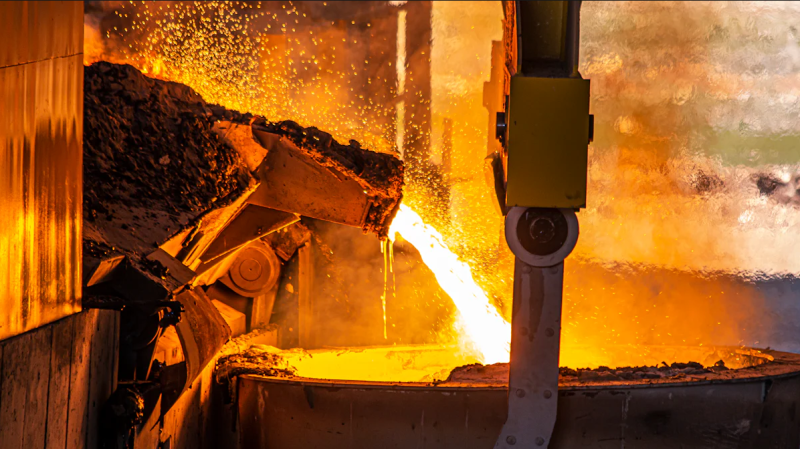
You want induction melting equipment that works well. The best induction melting furnaces help you use less energy and spend less money. Canroon is one of the top makers of induction melting equipment. You can pick channel, coreless, or core-type furnaces. Each type of furnace works for different metals and jobs. What you choose will help your business do well.
Key Takeaways
Induction melting furnaces use less energy and save money. Pick the right furnace to work better and pay less.
Channel induction furnaces melt metals like aluminum at low heat. They use less power and give steady results.
Coreless induction furnaces can melt many kinds of metals. They are good for jobs that need different materials often.
Core-type induction furnaces are great for making lots of iron and steel. They use less energy and keep the quality the same.
Canroon helps you choose the best induction melting furnace. They make sure you stay safe and work well.
Induction Melting Equipment Overview
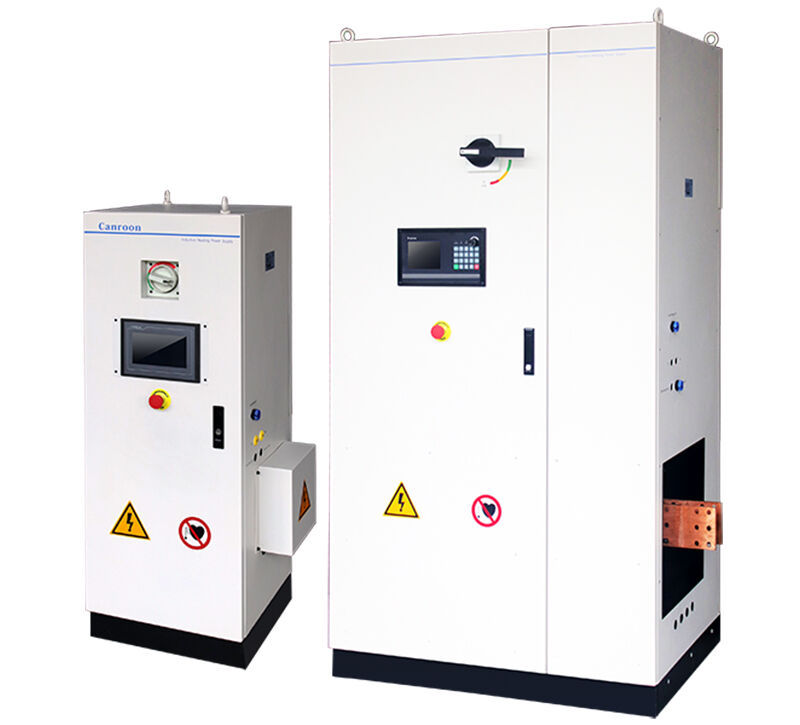
What Is Induction Melting Equipment
Induction melting equipment heats and melts metals very accurately. It uses induction heating, which makes heat inside the metal with electromagnetic fields. This method works quickly and lets you control the temperature well. You can melt metals like steel, aluminum, and copper. Induction melting equipment helps save energy and cut down on waste.
Here is a table that lists the main types of induction melting equipment used in today’s industry:
Induction heating is special because it does not touch the metal directly. This makes the process clean and efficient. You can also use leftover raw materials in induction melting equipment. This helps lower costs and use less energy. Induction heating is good for the environment because it saves energy and reduces waste.
Industrial Applications and Canroon’s Role
Induction melting equipment is used in many factories. Foundries use it to melt metals for casting. Car makers use induction heating to make engine parts. Electronics companies use it to make small, exact parts. Induction melting is also used to recycle metals and make new alloys.
Canroon has many types of induction melting equipment for different jobs. You can pick channel, coreless, or core-type induction melting furnace models. Canroon’s team helps you choose the best equipment for your work. You get help from experts who know about induction heating and industry needs. Canroon’s solutions help you work better and reach your production goals.
Channel Induction Melting Furnace
Working Principle
A channel induction furnace melts metals that melt at lower temperatures. It makes heat in a small channel at the bottom of the bath. Electric coils send energy into the channel. The metal in the channel gets hot first. The hot metal mixes with the rest of the bath. This is not like a coreless induction melting furnace. That type heats the whole coil area. You can look at the table below to see the main differences:
Advantages for Low Melting Point Metals
There are many good things about using a channel induction furnace for metals like aluminum, zinc, or lead. It uses less energy and helps you save money. You can use it for a long time without fixing it much. The design lets you melt metals fast and safely. You can control the temperature well. This helps you stop the metal from getting too hot.
Tip: Pick a channel induction furnace if you want to save energy and work with metals that melt easily.
Limitations
There are some things a channel induction furnace cannot do. You cannot use it for metals that need very high heat, like cast iron or stainless steel. The channel does not get hot enough for these metals. It works best for jobs where you melt the same metal all the time. If you need to change metals a lot, you should use a different furnace.
Typical Uses
Channel induction furnaces are used in places that melt aluminum, brass, or other soft metals. You use them for casting, making alloys, and recycling. Many companies pick channel induction furnace models for jobs that need steady and energy-saving melting. You can trust this furnace for jobs that do not need very high heat.
Coreless Induction Melting Furnace
Working Principle
A coreless induction furnace melts many kinds of metals. The furnace has a coil around a crucible. When you turn on the power, the coil makes a strong magnetic field. This field creates electric currents inside the metal. The currents heat the metal until it melts. You can change the temperature by changing the power. There is no core inside the coil. This design helps you melt different metals and switch batches easily.
Efficiency for High Melting Point Metals
If you want to melt steel or cast iron, you might use a coreless induction furnace. Studies show this furnace is not great for metals that need very high heat. It does not work fast and does not save much energy. The furnace uses more power and costs more money to run. You may want a different induction melting furnace for metals that need very high temperature.
Pros and Cons
Here is a table that lists the main pros and cons of a coreless induction furnace:
Note: You get the best results with a coreless induction furnace when you melt metals that do not need very high temperature.
Common Applications
You see coreless induction furnace models in foundries, casting shops, and labs. People use them to melt copper, aluminum, and gold. They are also good for recycling scrap metal. The furnace lets you control the temperature well. You can melt different metals and change the process for each batch. This makes the coreless induction furnace a good choice for small and medium jobs.
Core-Type Induction Melting Furnace
Magnetic Field Efficiency
A core-type induction melting furnace makes a strong magnetic field. The magnetic core helps guide the field. This lets you heat metal fast and evenly. You can melt big batches and not waste energy. The magnetic field stays steady, so you control melting better. You lose less heat, so you save money on power.
High-Production Ferrous Metal Melting
If you need to melt lots of iron or steel, use a core-type induction melting furnace. These furnaces can run for many hours without stopping. They work well for big jobs. You get good temperature control, so your metal melts the same way each time. The furnace can use automation, so you need fewer workers and your plant works more.
Here is a table that shows why this furnace is good for melting lots of iron or steel:
Key Benefits
You get many good things with a core-type induction melting furnace. It uses less power, so you pay less for energy. You can change metals easily. The small size saves space in your plant. You can set it up fast and fix it easily. Automation means you need fewer workers.
Tip: Pick a core-type induction melting furnace if you want to save money and work better when melting lots of metal.
Application Scenarios
You see core-type induction melting furnaces in steel plants and iron foundries. They are used where people melt lots of iron or steel. You can use them to make cast iron parts, steel billets, or recycle scrap metal. The furnace works well for jobs that never stop. You get good results and make more metal, which helps your business grow.
Induction Melting Furnace Transformers
Role in High Current Handling
Induction melting furnace transformers help with big amounts of electricity. They take power from the supply and change it for the furnace. This gives strong and steady energy to melt metal fast. Rules help make these transformers safe and reliable. You can trust them with lots of electricity. They do not get too hot or break. Using these transformers helps your melting process work well.
Impact on Melting Efficiency
Induction melting furnace transformers help your furnace work better. They turn electricity into heat very well. This means you melt metal faster and use less energy. The transformer keeps the power steady. Your furnace does not waste energy. You can melt more metal in less time. This helps your business grow. If you want to make more products, pick good transformers. Good ones help you reach your goals and save money.
Tip: Pick induction melting furnace transformers that work well. This helps you melt faster and pay less for energy.
Safety and Reliability
You want your workers and equipment to be safe. Induction melting furnace transformers have safety features. These features help your work stay safe. They handle big currents, resist short-circuits, and change energy well. You can see these features in the table below:
You feel safe using transformers with these features. They help stop accidents and keep your furnace running. You protect your workers and have less downtime. Good transformers mean you fix fewer problems and make more products.
Industrial Aluminum Melting Furnace
Induction Aluminum Melting Furnace Features
When you want to melt aluminum fast and safely, you use this furnace. It heats and melts metal with electromagnetic fields. This furnace works well and helps protect the environment. The furnace is closed all the way, so your workspace stays clean and safe. You can change the heating power to fit what you need. Only trained workers should use this equipment. The furnace costs a lot, but it gives you results you can trust.
Here is a table that shows how an induction aluminum melting furnace is different from other ways to melt aluminum:
Flexibility and Speed
This furnace lets you change the heating power for each job. You can melt different amounts of aluminum. It melts metal faster than other ways. You can start or stop the furnace quickly. You do not have to wait long between batches. This helps you finish work on time and keep up with changes.
Tip: Pick an induction aluminum melting furnace if you want to melt aluminum quickly and change your process easily.
Comparison with Gas and Oil Furnaces
You might wonder how this furnace is different from gas or oil furnaces. Induction technology uses less energy and is cleaner. You do not need as much fuel and make less pollution. Gas and oil furnaces lose more heat and make more waste. Induction aluminum melting furnaces keep your workspace safer and cleaner. You spend less time cleaning and fixing things. You can also control the temperature better, so you do not overheat the aluminum.
Induction aluminum melting furnaces help you melt metal fast, safe, and with more choices. You can make more products and help the environment at the same time.
Furnace Comparison and Selection
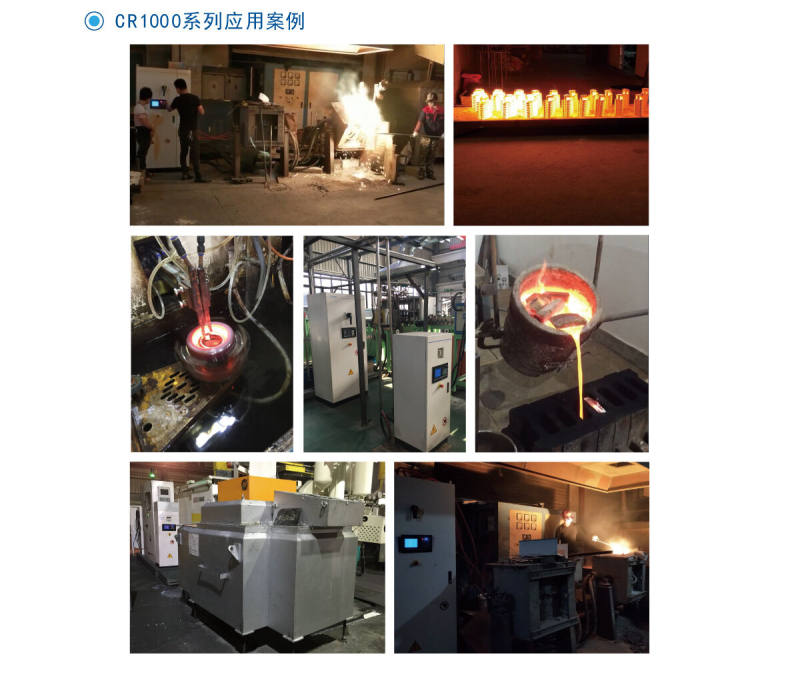
Efficiency and Energy Use
You want your melting to use less power. Saving energy helps you spend less money. It also helps the environment. Channel induction furnace models use less energy for aluminum. You get steady results and do not waste heat. Coreless induction furnace models work for many metals. They use more power for metals that need high heat. You can melt aluminum, copper, and gold. But you pay more for electricity. Core-type induction melting furnaces are good for big batches of iron or steel. You lose less heat and get more metal each time.
Here is a table that shows how each furnace type compares for energy efficiency and efficient energy conversion:
Tip: Pick channel induction furnace models for jobs that use less energy and work with aluminum or other easy-to-melt metals.
Operational Flexibility
You need a furnace that fits your work style. Channel induction furnace models work best for melting the same metal. You get steady results but cannot switch metals quickly. Coreless induction furnace models let you change metals and batches easily. You can melt aluminum, copper, or gold in one furnace. This gives you more choices for different jobs. Core-type induction melting furnaces work best for big jobs with iron or steel. You get high production but do not switch metals often.
Key points for operational flexibility:
Channel induction furnace: Best for steady, single-metal jobs.
Coreless induction furnace: Best for changing metals and small batches.
Core-type induction melting furnace: Best for large, steady production.
Note: If you need to melt aluminum and switch metals often, pick a coreless induction furnace for more flexibility.
Environmental and Safety Factors
You want your plant to be safe and clean. Induction melting furnaces help protect the environment and workers. Channel induction furnace, coreless induction furnace, and core-type induction melting furnace models use electromagnetic fields. They do not burn fuel. This means less smoke and fewer harmful gases. You help the environment and follow safety rules.
Here is a table that shows the main environmental and safety factors:
You get better protection with induction melting furnaces. Your workspace stays clean and safe. You need trained workers to run these furnaces. You get fewer accidents and less pollution. You help the environment and keep your team safe.
Cost Analysis
You want to know how much you will spend. Channel induction furnace models cost less to run because they use less energy. You pay more at first but save money over time. Coreless induction furnace models cost more to run, especially for metals that need high heat. You spend more on electricity but get more choices. Core-type induction melting furnaces cost more to buy and set up. You save money with high production and low energy use.
Cost breakdown:
Channel induction furnace: Lower running costs, good for aluminum and other soft metals.
Coreless induction furnace: Higher running costs, best for flexible jobs.
Core-type induction melting furnace: Higher upfront cost, best for big jobs and saving energy.
Tip: If you want to melt aluminum and save money, channel induction furnace models give you the best value.
Application Suitability
You need the right furnace for your job. Channel induction furnace models work best for aluminum, zinc, and other metals with low melting points. You get high energy efficiency and steady results. Coreless induction furnace models fit jobs where you melt many metals and change batches often. You get flexibility and good control. Core-type induction melting furnaces work best for large-scale iron and steel melting. You get high production and save energy.
Application guide:
Channel induction furnace: Aluminum casting, recycling, steady jobs.
Coreless induction furnace: Foundries, labs, flexible production.
Core-type induction melting furnace: Steel plants, iron foundries, high-volume jobs.
Canroon’s Recommendations
You want expert advice for your melting needs. Canroon helps you pick the best induction melting furnace for your job. If you melt aluminum and want high energy efficiency, choose channel induction furnace models. If you need flexibility and melt many metals, coreless induction furnace models work best. For large-scale iron or steel melting, pick core-type induction melting furnaces for high efficiency and production.
Canroon’s team helps you match your needs with the right furnace. You get support for environmental protection, safety, and cost savings. You reach your goals and help the environment at the same time.
Callout: Contact Canroon for help choosing the best induction melting furnace for your business. You get expert advice and solutions that fit your needs.
You should pick the induction melting furnace that fits your needs. Channel induction furnaces are good for aluminum and soft metals. Coreless furnaces let you melt many kinds of metals. Core-type furnaces are best for big iron and steel jobs. Canroon’s experts help you choose and set up your furnace.
Want to make your melting better? Contact Canroon for solutions made just for your business.
FAQ
What metals can you melt with induction furnaces?
You can melt metals like aluminum, copper, steel, iron, gold, and zinc. Induction furnaces work for many kinds of metals. You need to pick the right furnace for your metal.
How do induction furnaces help you save energy?
Induction furnaces heat metal using electromagnetic fields. This method wastes less energy. You can control the temperature more easily. This helps you spend less on electricity.
Are induction melting furnaces safe for your workers?
Yes, induction furnaces are safe for workers. The furnace is closed, so there are fewer splashes and less gas leaks. Automation helps keep workers safe. Trained workers should use the furnace for best safety.
How do you choose the right induction furnace for your job?
Tip: Think about what metal you want to melt, how much you need to melt, and how often you will use the furnace. Channel furnaces are good for aluminum. Coreless furnaces are good for jobs that change a lot. Core-type furnaces are best for big iron or steel jobs.
What makes Canroon’s induction melting equipment different?
Canroon’s team helps you pick the right equipment. You get machines that fit what you need.
Previous:
Next:
Sign up for updates