





You need the right motor speed controller for each motor type to get the best results. Use PWM controllers for DC motors. Pick VFDs for AC motors. Stepper drivers work best for stepper motors. BLDC controllers fit brushless motors. SCR or TRIAC controllers work well for universal motors. Choosing the right controller gives you better performance and higher efficiency. Canroon helps you pick the best solution and shows a clear performance comparison.
Key Takeaways
Pick the correct motor speed controller for your motor type. This helps your motor work better and use less energy. Use PWM controllers with DC motors to save power. They also let you change speed smoothly. Choose VFDs for AC motors to control speed and torque well. This makes the system more reliable. Use stepper drivers for stepper motors for exact movement. This is important in things like 3D printing. Always check the controller’s voltage and current ratings. Make sure they match your motor’s needs. This stops damage and keeps things safe.
Motor Speed Controller Overview
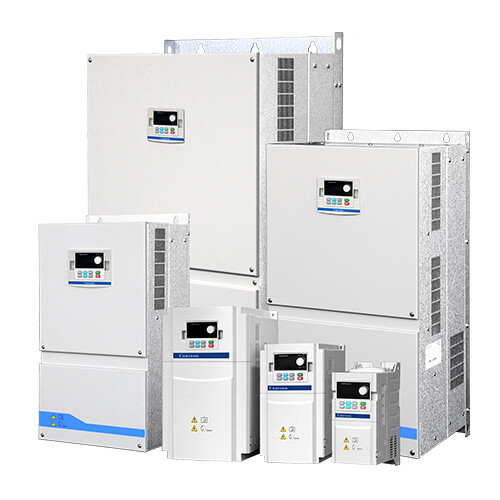
Picking the right motor speed controller helps your motor work well. You need to know which controller matches each motor type. The table below shows a quick guide.
AC vs. DC Controllers
There are two main kinds of motor speed controllers: AC and DC. DC controllers work with motors that use direct current. AC controllers work with motors that use alternating current. DC controllers often use PWM to change how fast the motor goes. AC controllers use things like VFDs to change speed and torque.
Key Controller Types
You can use different controllers for AC motors. AC drives, called VFDs, let you change speed by adjusting frequency. Soft starters help motors start slowly and lower stress. Contactors work like switches and help you turn motors on and off safely. Each controller type gives you different control and protection.
Tip: Always use a motor speed controller that matches your motor type and job. This helps your motor work better and last longer.
DC Motor Controllers
PWM Motor Speed Controller
A PWM motor speed controller helps control a DC motor’s speed. PWM means Pulse Width Modulation. This method sends fast bursts of power to the motor. You change the speed by making the bursts longer or shorter. Short bursts make the motor go slow. Long bursts make it go fast. PWM controllers save energy because the motor only uses what it needs. They also let you change speed smoothly and keep the motor cool. Many toys, fans, and pumps use PWM controllers for simple speed changes.
Note: PWM controllers are good for most DC motors. They give you easy control and save energy.
Intelligent Control Techniques
Intelligent control techniques can help your DC motor work even better. One common way is called PI control. PI stands for Proportional-Integral. This method keeps the motor speed close to what you want. Studies show PI control keeps speed at least 95% of your setting. If you use an electromagnetic brake, PI control keeps speed at least 90%. You get quick changes and steady speed. These things make PI control good for jobs that need fast and steady speed.
Many new motor speed controllers use PI control and other smart ways. You can find these controllers in robots, electric cars, and machines that need exact moves. Canroon has advanced controllers for AC motor speed. You get easy setup and steady work. If you want your DC motor to do better, try using smart controllers.
AC Motor Controllers
VFDs for AC Motors
You can use a variable frequency drive (VFD) to control the speed of an AC motor. VFDs change the frequency and voltage sent to the motor. This lets you adjust speed and torque with high accuracy. Many factories use VFDs because they help machines work better and save energy. Here are some ways VFDs improve your system:
You get precise control over motor speed and torque. This helps you match the motor’s output to what you need.
VFDs help you save energy. The motor only uses the power needed for the job.
Motors last longer with VFDs. They start slowly and ramp up power, which reduces wear and tear.
You can control flow rates better. This is important for pumps and fans.
If you want your AC motor to run smoothly and efficiently, a VFD is a smart choice. You can use a VFD as a motor speed controller in many industrial settings.
Soft Starters and Contactors
Soft starters and contactors help you manage AC motors in different ways. A soft starter lets your motor start slowly. It increases voltage step by step. This protects the motor from sudden jolts and lowers stress on the system. You often use soft starters for pumps, compressors, and conveyors. They work well when you need a gentle start but do not need to change speed during operation.
Contactors act like switches. You use them to turn motors on and off safely. They do not control speed or torque. Contactors work best in simple systems where you only need to start or stop the motor.
Tip: Choose a motor speed controller based on your application. VFDs give you the most control and efficiency. Soft starters protect your motor during startup. Contactors keep things simple and safe.
Stepper Motor Controllers
Stepper Drivers
A stepper driver helps control a stepper motor. The driver sends electric pulses to the motor. Each pulse makes the motor move a small step. There are different types of stepper drivers. Some use full-step or half-step modes for simple jobs. Others use microstepping for smoother moves and less noise. Stepper drivers let you set the speed and direction. You can use them in 3D printers, CNC machines, and robots. If you need high precision, pick a driver with microstepping. Canroon has stepper drivers that give steady and accurate control. You can trust these for your projects.
Microstepping Methods
Microstepping is a special way to control a stepper motor. The driver splits each full step into many tiny steps. This gives you fine control over where the motor stops. You can move the motor in very small angles. Microstepping helps lower vibration and noise, especially at slow speeds.
Here is a table that shows how microstepping helps your motor:
You can use microstepping when you want smooth and quiet moves. Many people use it in machines that need exact motion. When picking a motor speed controller for a stepper motor, look for microstepping features. Canroon’s stepper motor controllers support these advanced methods. You get steady and precise results every time.
Brushless Motor Controllers
BLDC Motor Speed Controller
BLDC motors need a special motor speed controller. These controllers do not use brushes or moving parts to switch current. They use electronic commutation instead. The controller sends electric pulses at the right time and order. This makes the motor run smoothly and efficiently.
A BLDC motor speed controller controls both speed and torque. It does this by changing the phase and strength of the DC current pulses. The controller gets feedback from the motor to keep things working as you want. Many controllers have PID controllers inside. These help keep the speed steady, even if the load changes. The controller also uses signals from sensors, like Hall sensors, to know where the rotor is. This helps send the right signals at the right time.
Here are some important features of BLDC motor speed controllers:
They use electronic commutation for smooth running.
They change current pulses to control speed and torque.
They use feedback systems for accurate speed control.
They often have PID controllers for steady speed.
They use rotor position signals for good timing.
You can find these controllers in drones, e-bikes, and power tools. They help your motor run quietly and last longer.
Sensorless vs. Sensored Control
You can pick sensorless or sensored control for your BLDC motor. Sensored controllers use things like Hall sensors to find the rotor’s position. This gives you exact control, especially at low speeds or when starting the motor. You get smooth starts and steady running.
Sensorless controllers do not use real sensors. They guess the rotor’s position by checking the back EMF from the motor. This makes the system simpler and often cheaper. Sensorless control works well at medium or high speeds. But it may not be as smooth when starting or at very low speeds.
Here is a quick comparison:
Tip: Pick sensored control if you want smooth starts and steady speed. Choose sensorless control if you want a simple setup and mostly run at higher speeds.
Universal Motor Controllers
SCR/TRIAC Controllers
SCR and TRIAC controllers help you change how fast universal motors go. SCR means Silicon Controlled Rectifier. TRIAC stands for Triode for Alternating Current. These devices work like switches. They control how much power gets to the motor. You can make the motor go faster or slower by changing how long electricity flows. Universal motors can use both AC and DC power, so this method works well.
SCR controllers are used in tools that need smooth speed changes. You can turn a knob or press a button to change the speed. TRIAC controllers do the same thing but work better with AC power. You find TRIAC controllers in many home appliances. These controllers help save energy and keep the motor safe from sudden power spikes.
Tip: To control a universal motor easily, use an SCR or TRIAC controller. They make speed changes simple and safe.
Common Applications
Universal motors are found in many places because they work with AC and DC power. You see them in power tools, kitchen machines, and vacuum cleaners. These motors need a controller to change speed for different jobs.
Here are some ways people use universal motors with SCR/TRIAC controllers:
Power drills: You pick the speed for different materials.
Blenders: You change speed for mixing or chopping.
Sewing machines: You set the stitching speed for better work.
Hair dryers: You choose airflow and heat levels.
It is important to pick the right controller for good performance. SCR/TRIAC controllers give smooth speed changes and protect the motor from getting too hot. You get better control, longer motor life, and less noise. If you want your appliance to work well and last a long time, use the right controller.
Choosing the Right Motor Speed Controller
When you want your motor to work well, you need to pick the right controller. You must look at several important factors. These include voltage, current, control precision, cost, and the job you want the motor to do. If you choose the wrong controller, your motor may not run safely or efficiently. Canroon can help you make the best choice for your needs.
Voltage and Current Needs
You must check the voltage and current ratings for your motor. Every motor works best at a certain voltage. If you use a controller with the wrong voltage, the motor may not start or could get damaged. You also need to know how much current your motor uses when it runs and when it starts. Some motors use more current when they start than when they run.
Here is a simple table to help you remember what to check:
If you use a controller that cannot handle the current, it may overheat or shut down. Always read the motor label and the controller manual. This helps you match them correctly. If you feel unsure, ask an expert at Canroon for advice.
Tip: Always use a controller that matches or exceeds your motor’s voltage and current needs. This keeps your system safe and reliable.
Control Precision and Cost
You also need to think about how much control you want over your motor. Some jobs need very precise speed or position control. For example, robots and CNC machines need high precision. Other jobs, like fans or pumps, do not need as much accuracy.
You can use this checklist to help you decide:
Do you need to change speed often?
Does your motor need to start and stop smoothly?
Is quiet operation important?
Do you need exact position control?
If you answer “yes” to many of these, you need a controller with advanced features. These controllers may cost more, but they give you better results. If you only need simple on/off control, you can use a basic controller. This saves money.
Here is a quick comparison:
You should also think about your budget. Sometimes, spending more on a good motor speed controller saves money later. You get less downtime and longer motor life. Canroon offers many options, from simple to advanced. You can ask their team to help you pick the best one for your project.
Note: The right controller gives you the best mix of performance, safety, and cost. Always match the controller to your job and your budget.
Performance Comparison and Pros & Cons
Efficiency and Suitability
It is important to pick the right controller for your motor. Each controller type works best for certain jobs. SCR drives let you change voltage for DC motors. Factories use these when they need strong power. PWM drives help motors run quietly and smoothly. You can use them in fans or toys to lower noise. Servo controllers give you very accurate position and speed control. These are good for robots and machines that need exact moves. Stepper motor controllers are simple and save money. You find them in 3D printers and CNC machines. New speed controls for AC induction motors make them tough and easy to take care of. These are great when you want less work and more reliability.
Tip: Pick a controller that matches your motor and job. This helps your motor work better and saves you time and money.
Advantages and Disadvantages
You should look at the good and bad points of each controller before you choose. The table below shows the main pros and cons for each type. This helps you find the best one for your needs.
Note: Think about the good and bad points for your job. PWM controllers are best for quiet and smooth running. Servo controllers are best for exact control. For easy jobs, stepper motor controllers or SCR/TRIAC controllers save money and work well.
Use this guide to compare motor speed controllers. It helps you make smart choices for your project or business.
Application Scenarios

Industrial Automation
Motors and controllers are used in many factories. Conveyor belts use AC motors and VFDs to move things at different speeds. Pumps use soft starters so they do not start too fast. Stepper motors help machines cut and shape things with good accuracy. If you use the right motor speed controller, your machines work better and last longer. Canroon has solutions for many factory jobs. You get smooth starts, steady speed, and less downtime. Many companies pick Canroon for easy setup and reliable control.
Conveyor belts: VFDs help change speed.
Pumps: Soft starters help start gently.
CNC machines: Stepper drivers help make exact moves.
Tip: Pick a controller that matches your motor and job. This helps your factory work well and saves energy.
Robotics and Appliances
Robots and home appliances need smart controllers for best results. Robots use DC motors and PWM controllers for smooth movement. Stepper motors help robots move arms and wheels with accuracy. BLDC motors help drones and e-bikes run quietly. At home, blenders and sewing machines use universal motors with SCR or TRIAC controllers. You can change speed easily and save energy.
Here is a table that shows how controllers help save energy in these jobs:
You pay less for electricity and motors last longer when you use the right controller. Canroon has advanced controllers for robots and appliances. You get easy control, quiet running, and better results.
Robots: PWM and stepper drivers help make smooth and precise moves.
Drones: BLDC controllers help flight stay quiet and efficient.
Appliances: SCR/TRIAC controllers help change speed easily.
Note: The right controller helps you save energy and makes your machines last longer.
You can boost your project’s success by choosing the right motor speed controller for your motor type. Use this checklist: match the controller to your motor, check voltage and current, and think about how much control you need. Focus on performance and efficiency for the best results. If you need help, ask Canroon for expert advice.
FAQ
What is the main benefit of using a motor speed controller?
You get better control over your motor’s speed and energy use. This helps your machine work more efficiently and last longer.
Tip: Using the right controller can lower your energy bills.
How do I choose the right controller for my motor?
Check your motor type, voltage, and current needs. Think about how much control you want.
DC motors: Use PWM controllers
AC motors: Use VFDs
Universal motors: Use SCR/TRIAC controllers
Can I use one controller for different motor types?
You should not use one controller for all motor types. Each motor needs a specific controller for safe and efficient operation.
Note: Always match the controller to your motor type.
Do motor speed controllers help save energy?
Yes! Motor speed controllers let you adjust power use to match your needs. You waste less energy and save money.
:bulb: Using VFDs or PWM controllers can cut energy use by up to 60%.
Sign up for updates