




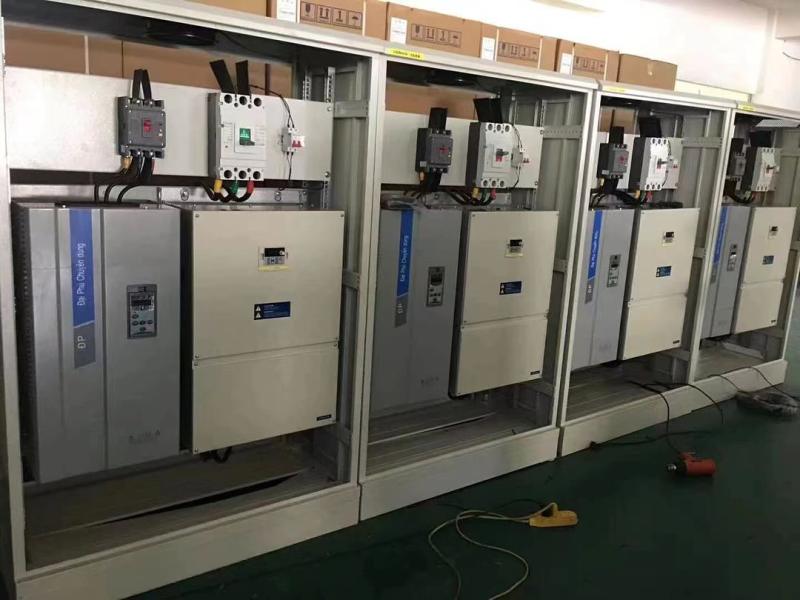
You want your equipment to run safely and last a long time. Choosing the right low voltage vfd helps you control your motor speed and save energy. Each application has its own needs, and picking the wrong drive can lead to problems. Canroon has years of experience and can help you make the best choice. Think about what your system requires as you read this guide.
Key Takeaways
Figure out what your application needs before you pick a low voltage VFD. Think about things like the type of load and how you want to control it. This helps the VFD work its best.
Always make sure the voltage and power ratings of your motor match the VFD. This stops damage and keeps everything safe when running.
Pick a VFD that has the right control method for your job. Choices like V/f Control and Vector Control give different levels of accuracy and performance.
Check if your VFD has safety features like overload protection and emergency stop buttons. These keep your system and workers safe.
Think about things like temperature and humidity when you set up your VFD. Setting it up the right way can help your equipment last longer.
Key Steps to Choose a Low Voltage VFD
Choosing the right low voltage vfd starts with a clear process. You need to look at your system, your motor, and your goals. Each step helps you avoid mistakes and keeps your equipment running well.
Define Application Needs
Start by thinking about what your system does every day. You might use a low voltage vfd in an HVAC system, a manufacturing line, or a water treatment plant. Each job has its own needs. Some systems need precise speed control. Others need to handle heavy loads or change speeds often.
Control methods matter. You can pick from V/f Control, Vector Control, or Direct Torque Control. Each method works best for certain jobs. For example, Vector Control gives you better precision. V/f Control works well for simple speed changes.
Look at your load. Some machines have variable torque, like fans or pumps. Others need constant torque, like conveyors. High-precision loads need special attention.
Think about how often your system runs and how much it changes speed. This helps you pick a vfd that matches your real-world needs.
Tip: Write down your main goals. Do you want to save energy, improve control, or protect your motor? This list will guide your choices.
Assess Voltage and Power Ratings
Next, check the voltage and power ratings for your motor and your power supply. You must match these numbers to your low voltage vfd.
Find the voltage rating for your motor. Most low voltage vfds work with motors up to 690V.
Check the power rating, usually listed in kilowatts (kW) or horsepower (HP). Your vfd must handle at least as much power as your motor uses.
Make sure your power supply matches the input voltage of the vfd. If your supply is 400V, your vfd must accept 400V input.
If you choose the wrong voltage or power rating, your system may not start, or it could get damaged.
Match Input and Output Specifications
You also need to match the input and output specs of your vfd to your system.
Check if your power supply is single-phase or three-phase. Your vfd must support the same type.
Look at the output frequency range. Make sure it fits your motor’s needs.
Review the current rating. Your vfd must supply enough current for your motor, even during startup.
Note: Always read the datasheets for both your motor and your vfd. Double-check the numbers before you buy.
When you follow these steps, you make sure your low voltage vfd fits your application. You get better control, more safety, and longer equipment life.
Why VFD Selection Matters
System Performance
You want your machines to work smoothly and respond quickly. The right VFD helps you control motor speed and torque with accuracy. When you select a VFD that matches your motor and application, you get better control over starting, stopping, and running your equipment. This means you can avoid sudden surges or drops in speed. Your system will run more quietly and with less vibration. You also reduce the risk of mechanical stress on your equipment.
A well-matched VFD can extend the life of your motor and connected machinery.
Energy Efficiency
You can save a lot of energy by choosing the correct VFD for your needs. Many systems, like fans and pumps, do not always need to run at full speed. When you use a low voltage vfd, you can adjust the speed to match the actual demand. This reduces wasted energy and lowers your electricity bills.
VFDs help regulate the speed of fans and pumps, which leads to reduced energy consumption and less wear on equipment.
The right VFD selection is crucial for applications with variable torque loads, such as fans and pumps, where torque decreases as speed decreases.
You also help the environment by using less power. Over time, these savings can be significant for your business.
Reliability and Safety
You want your system to run safely every day. The right VFD protects your motor from overloads, short circuits, and voltage spikes. It can also monitor the system and shut down if it detects a problem. This keeps your workers and equipment safe. Reliable VFD selection means fewer breakdowns and less downtime. You spend less time on repairs and more time getting work done.
Always choose a VFD with built-in safety features for peace of mind.
Critical Factors for Low Voltage VFDs
Control and Programming Options
You have to pick the best control method for your job. Each method gives you different results and accuracy. The table below shows the main control options in a low voltage vfd:
You should find drives that let you change settings easily. Many drives have simple menus. Some let you use a computer or a keypad to set them up fast. This helps you change settings and check your system without trouble.
Load Type and Duty Cycle
You need to know what kind of load your machine has. Fans and pumps usually have changing torque. Conveyors need the same torque all the time. The duty cycle tells you how long and how often your machine works. If your machine runs all day, you need a drive that can work nonstop. If your machine starts and stops a lot, pick a drive that can handle many cycles.
Motor Compatibility
Your low voltage vfd must fit your motor. Check the motor’s voltage, current, and frequency numbers. Make sure the drive works with your motor’s size and type. Some motors need extra features, like strong starting power or exact speed control. Always read the datasheets for both the drive and the motor.
Safety Features
You need to keep your system safe. Look for drives with safety torque OFF. This feature stops the motor fast if there is an emergency. Many drives also have safety checks built in. These features help you follow safety rules like the Machinery Directive 2006/42/EC. They also make it easier to get your machines certified.
Tip: Always look for safety features before you buy a drive. This keeps your workers and equipment safe.
Environmental and Installation Considerations
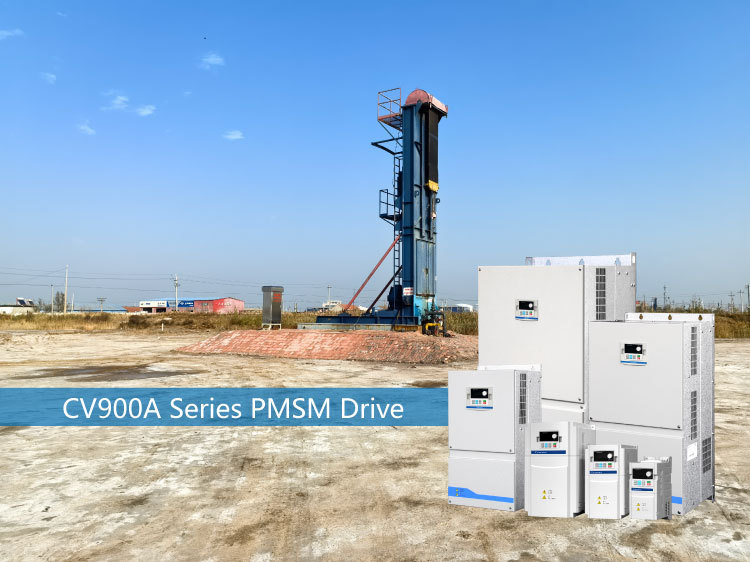
When you put in a low voltage vfd, you need to think about where your equipment is. The right setup helps your system last longer and keeps it safe.
Enclosure Ratings
You should check the enclosure rating before picking a drive. This rating shows how well the vfd blocks dust, water, and other things. Companies use IP codes to show this. For example, IP20 means it keeps out fingers and small stuff. IP54 gives better protection from dust and water splashes. If you put your vfd outside or in a wet place, choose a higher IP rating.
Tip: Always pick an enclosure rating that fits your site.
Temperature and Humidity
Your vfd works best when the weather is steady. High heat can make it too hot. Too much humidity can cause rust or electric problems. You should look at the temperature range the maker suggests. Most drives work well from 0°C to 40°C. If your place gets hotter, you might need fans or air conditioning. Try to keep humidity under 95% to stop trouble.
Put your vfd away from hot things.
Use fans or air conditioning if you need to.
Watch humidity with sensors.
Contaminant Protection
Dust, oil, and chemicals can hurt your vfd. You need to keep the drive clean and dry. If your place has lots of dust or fumes, use sealed boxes. Clean the drive often to stop dirt from building up. You can also use filters to block dust. Keeping your drive safe from dirt helps your system work well.
Note: Good cleaning and the right box help your low voltage vfd last longer.
Application Examples for Low Voltage VFDs

HVAC Systems
You can use a low voltage vfd to control heating, ventilation, and air conditioning systems. When you adjust the speed of fans and compressors, you save energy and keep the temperature steady. Many buildings need different air flow at different times. You set the speed to match the need. This helps you lower costs and make the system quieter. You also protect the motor from sudden starts and stops.
Tip: Use a vfd to keep your HVAC system running smoothly and reduce wear on parts.
Pumps and Fans
You often see low voltage vfds in pump and fan systems. These drives help you change the speed to match the demand. When you slow down the motor, you use less energy and reduce stress on the equipment. You also make the system last longer.
You regulate the speed of fans and pumps, which leads to reduced energy use and less wear.
The load torque drops as speed drops, so vfds work well for these jobs.
Picking the right vfd boosts efficiency, cuts energy costs, and helps your machines last.
You can set the speed for different times of day or different jobs. This gives you more control and saves money.
Conveyors and Material Handling
You use vfds to control conveyors and material handling systems. When you set the speed, you move products safely and avoid jams. You can start and stop the conveyor gently. This protects the motor and the items you move. You also change the speed for different products or tasks. Many factories use vfds to keep lines running smoothly and to handle heavy loads.
Note: Using a vfd in these systems helps you get better control and protect your equipment.
Step-by-Step Selection Guide
You can follow these steps to make sure you pick the right drive for your system. Use this guide as a checklist for your own selection process.
Gather Technical Data
Start by collecting all the important information about your system and motor. This helps you avoid mistakes and choose the best drive for your needs.
Write down the control method you need. You can choose from V/f Control, Vector Control, or Direct Torque Control.
Check if your load needs variable or constant torque. This tells you what kind of drive works best.
Find the rated current, motor power, and rated capacity. Rated current is the most important number.
Think about other factors like harmonics, efficiency, and how the drive will affect your motor.
Tip: Keep all your data in one place. This makes it easy to compare options later.
Compare Canroon VFD Solutions
Now you can look at the different drives that Canroon offers. Match your technical data to the features of each drive.
Check if the drive supports your control method.
Make sure the drive can handle your load type and duty cycle.
Look at the rated current and power to see if they fit your motor.
Review extra features like easy programming, safety options, and energy-saving modes.
You can ask Canroon’s support team for help if you have questions. They can guide you to the best low voltage vfd for your job.
Verify Compliance and Support
Before you make your final choice, check that the drive meets all the rules and standards for your site.
Look for low-voltage directives.
Check for EMC directives.
Make sure the drive has certifications for hazardous locations, such as Class I Zone 2, ATEX, IECEx, or ABS Type approval.
You should also make sure you can get technical support and service when you need it. Canroon offers help with setup, troubleshooting, and maintenance.
Note: Picking a drive with the right certifications keeps your site safe and legal.
You can select the right low voltage vfd by following a clear process. Review your system needs, compare options, and check certifications. Use this guide as a reference for every project. If you have questions, contact Canroon for expert advice or technical support. You can make your equipment safer and more efficient with the right choice.
For more tips or direct help, reach out to Canroon’s team today.
FAQ
What is a low voltage VFD?
A low voltage VFD controls the speed of motors that run on voltages up to 690V. You use it to save energy and improve motor performance in many systems.
How do I know which VFD size to choose?
You match the VFD size to your motor’s rated current and power. Always check your motor’s datasheet. Pick a VFD that meets or exceeds these numbers.
Can I install a VFD outdoors?
You can install a VFD outdoors if it has a high IP rating, like IP65. Make sure the enclosure protects against dust, water, and temperature changes.
What safety features should I look for?
You should look for safety torque OFF, overload protection, and emergency stop functions. These features help keep your system and workers safe.
Who can help me select the right VFD?
You can contact Canroon’s support team. They offer expert advice and technical help for choosing and installing the best VFD for your needs.
Sign up for updates