




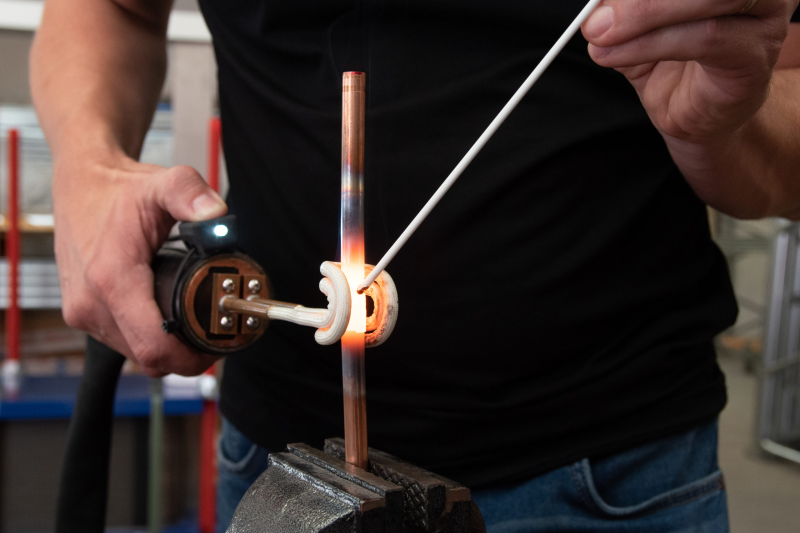
When selecting the best induction brazing machines for your shop, it’s important to navigate through the many options available, as it can be quite confusing. The induction brazing machine you choose will impact safety, quality, and the overall effectiveness of the brazing process. Start by considering the specific tasks you need the machine to perform and determine which type of induction heating system is suitable for your job. Opt for induction power supply units that come equipped with genuine safety features and are reliable. For optimal results, choose brands that provide clear instructions and allow you to test the machine beforehand. Avoid selecting induction brazing machines that lack CE/UL certification, have inadequate documentation, or are sold by vendors who do not offer demo units or test runs. The right induction brazing machine will ensure your brazing operations are safe and durable.
Key Takeaways
First, think about what you need to braze. Look at the material, the joint shape, and how many parts you will make. This helps you pick the right machine.
Choose a machine with the right power and frequency. Make sure these match your part’s size and thickness. This gives you the best brazing results.
Check if the machine has good safety features and certifications. Make sure it has a strong cooling system. It should also meet industry rules to keep your shop safe.
Find a machine that is easy to use. Look for simple controls and if it works with automation. This makes training faster and helps your work go smoothly.
Think about how much the machine will cost over time. Also, check if it saves energy. Induction brazing machines can lower your bills and give great results.
Define Application Needs
Before you pick an induction brazing machine, you need to know exactly what you want it to do. Every shop has different requirements, and the right choice depends on your materials, joints, production goals, and the size and shape of your parts. Let’s break down what you should look at first.
Material Type and Thickness
The type and thickness of your base material play a huge role in choosing the right induction brazing machine. Some metals heat up fast, while others need more power. Thicker materials usually require higher power and a different frequency range. If you use the wrong settings, you might not get a strong bond, or you could even damage your parts.
Here’s a quick table to help you match your material needs to machine specs:
Tip: If you work with copper, steel, or aluminum, you’ll need to adjust your induction heating settings. Always check the specs before you start the brazing process.
Joint Design
Joint design is another key factor. The way your parts fit together changes how you set up your induction brazing machine. Some joints need more heat, while others need special fillers or protection from oxidation.
You need to match the thermal expansion of your materials. If you don’t, your joints might crack during heating or cooling.
Some metals, like aluminum and titanium, form oxide layers. These layers can block the brazing process, so you may need special flux or an inert gas.
If your application needs high electrical or thermal conductivity, you must pick the right filler metal.
Cost matters, too. Some fillers are cheaper but may not work as well for every job.
Clean surfaces help the filler metal flow better, making your joints stronger.
The induction coil structure should fit the shape and size of your joint. This helps you get even heating.
The size of the induction ring matters. You need to pick the right dimensions for the best results.
Note: Always design your joints with the brazing process in mind. This will save you time and money later.
Production Volume
How many parts do you need to braze each day? Production volume affects the type of induction brazing machines you should consider. If you only braze a few parts, a smaller machine might work. For high-volume jobs, you’ll want a machine that can run all day without overheating.
High production means you need a machine with a strong supply of power and a reliable cooling system.
For small batches, you can use a more basic induction brazing machine.
If you plan to grow your business, think about future requirements. It’s better to get a machine that can handle more parts than you need right now.
Pro Tip: Always match your machine’s capacity to your production goals. This keeps your brazing applications running smoothly.
Part Size and Shape
The size and shape of your parts can change everything. Induction heating works best when the coil matches your part. If your parts are big or have odd shapes, you’ll need a custom coil design.
Coil design affects part quality, process efficiency, and cost.
You can use simple helical coils for basic shapes, or get precision-machined coils for complex parts.
The coil’s electromagnetic field creates eddy currents in your part. This is what heats it up during the brazing process.
If you have many different part sizes, look for induction brazing machines that let you swap out coils quickly.
By understanding your application needs, you can pick the right induction brazing machine for your shop. This helps you avoid mistakes and keeps your brazing jobs strong and reliable.
Key Specifications of Induction Brazing Machines
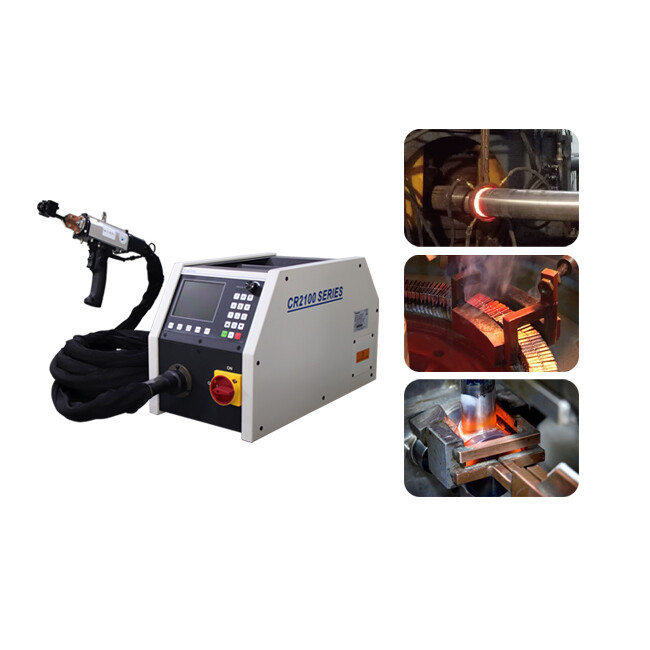
When you look for the best induction brazing machine, you need to check the key specs. These specs decide how well your machine works and how safe your shop stays. Let’s break down the most important ones so you can match them to your brazing needs.
Power and Frequency
Power and frequency are the heart of any induction brazing machine. You need to pick the right power level for your parts. If you use too little power, your brazing process will be slow and weak. If you use too much, you might overheat or damage your parts.
Here’s a quick table to show how power output affects brazing speed for different part sizes:
You want to match the power output to your part size. Small parts heat up fast with less power. Large parts need more power to keep the brazing process quick and even. The right frequency also matters. High frequency works best for small, thin parts. Low frequency is better for thick or large parts. Always check your induction brazing machine specs to make sure they fit your job.
Tip: If you want to boost your shop’s speed, choose a machine with adjustable power and frequency. This lets you fine-tune the settings for every brazing job.
Coil Design
Coil design shapes how your induction brazing machine heats your parts. The coil is the part that wraps around or sits near your workpiece. It creates the electromagnetic field that heats the metal during induction heating.
A good coil design spreads heat evenly across the joint. This helps you get strong, clean brazing joints every time. If the coil is the wrong shape or size, you might get hot spots or cold spots. That can lead to weak joints or even cracks.
The geometry of the coil controls how the heat flows. You want the loops of the coil close together and the distance from the coil to your part to stay the same all the way around. This keeps the heat even and the brazing quality high. A custom coil can help if you have odd-shaped parts or tricky joints.
When you choose an induction brazing machine, ask if you can swap out coils or order custom designs. This gives you more options for different brazing jobs.
Control Systems
Control systems make your induction brazing machine smart and easy to use. You want a machine that lets you set the power, frequency, and heating time with simple controls. Some machines have touchscreens or digital panels. Others use knobs and switches.
A good control system helps you repeat the same brazing process every time. This means your joints stay strong and your quality stays high. Some advanced machines let you save your favorite settings or connect to a computer for more control.
Look for induction brazing machines with clear displays and easy-to-understand controls. This makes training new workers faster and helps you avoid mistakes.
Cooling Systems
Cooling systems keep your induction brazing machine safe and running smoothly. Brazing creates a lot of heat, and the machine needs to stay cool to work well. Most machines use water or air cooling.
If you run your machine for long hours or use high power, you need a strong cooling system. This stops the machine from overheating and protects the safety features. A good cooling system also helps your machine last longer and cuts down on repairs.
Water cooling works best for big jobs or high-power machines.
Air cooling is fine for small jobs or portable machines.
Always check the cooling system before you buy. Make sure it matches your brazing needs and your shop’s setup.
When you match the specs of your induction brazing machine to your brazing jobs, you get better results and safer work. Power, frequency, coil design, control systems, and cooling all play a big role in the brazing process. Take your time to check each one and pick the best fit for your application.
Usability and Integration
User Interface
You want an induction brazing machine that is simple to use. The user interface should help you set up jobs quickly. Touchscreens, big buttons, and easy menus make work easier. If you can see power settings right away, you save time. Some machines let you save your favorite brazing programs. This helps you do the same job again without mistakes. When you teach new workers, a simple interface helps them learn fast. You avoid mix-ups and keep your shop safe.
Tip: Try the user interface before you buy. Testing the induction brazing machine shows if it works for you.
Automation Compatibility
Automation can make your brazing process faster. If you want to connect your induction brazing machines to robots or conveyors, check for automation features. Machines with digital inputs and outputs work well with automated lines. You can control heating cycles and power from a main computer. This setup helps you do many brazing jobs in less time. You get the same results every time and save on labor costs. Automation also makes things safer because people handle parts less.
Look for machines that work with PLCs or have Ethernet ports.
Ask if you can get software updates for better heating control.
Installation and Footprint
You need to think about where your induction brazing machine will go. Some machines are big and need lots of space. Others are small and fit on a bench or roll around. Check the size and make sure you have room for cables and cooling. If your shop is small, pick a compact induction brazing machine. Easy installation saves time and money. You avoid waiting and keep your brazing jobs on track.
Note: Always check the safety rules for installation. Make sure your induction heating setup follows local codes.
Reliability and Support
Brand Reputation (Canroon)
You want your induction brazing machine to come from a brand you can trust. A good reputation means the company stands behind its products. Canroon is a name many shops know for induction brazing machines. They focus on quality and safety. You get machines that last and work well for many brazing jobs. When you pick a trusted brand, you know the induction heating process will stay smooth. You also get better support if you have questions or need help.
Tip: Ask other users about their experience with Canroon or check online reviews. A strong brand gives you peace of mind.
Warranty and Service
Warranty matters when you buy an induction brazing machine. You want to know what the warranty covers and how long it lasts. Good brands offer clear terms. They help you fix problems fast. Service is just as important. You need quick answers if your induction machine stops working. Fast service keeps your brazing jobs on track and protects your investment.
Here’s a quick checklist for warranty and service:
Check if the warranty covers the induction power supply and all main parts.
Ask how to get service if you need repairs.
Find out if the company offers remote support or on-site help.
Maintenance Needs
Every induction brazing machine needs care to keep it running. You should clean the coils and check the power supply often. Look for machines with easy access to parts. This makes maintenance simple. Good induction machines have safety features that warn you if something goes wrong. Regular checks help you avoid downtime and keep your brazing quality high.
Note: Follow the maintenance guide from the brand. This keeps your induction brazing machines safe and ready for every job.
Cost and Efficiency
Initial Investment
Induction brazing machines can cost a little or a lot. The price depends on how much power the machine has and what jobs it can do. Here’s what you might see:
Small portable units can cost less than $1,000.
Big, automated machines can cost more than $80,000.
Machines with more power usually cost more money.
You should pick a machine that fits your budget and your work. If you only do small jobs, you do not need a huge machine. If you make lots of parts, spending more can help you work faster and get better results.
Operating Costs
You want your shop to run well and not waste money. Induction brazing machines can help you save money every day. They cost less to use than flame brazing. Look at this table to compare:
“Induction brazing is much safer than torch brazing, faster than furnace brazing, and more repeatable than both,” says Steve Anderson, manager of field and test science at Fusion Inc.
You will use less material and pay less for workers. Induction heating also makes your shop safer. You get better joints and make fewer mistakes.
Energy Efficiency
Modern induction brazing machines use energy very well. They heat the part right away, so less energy is wasted. The fast heating means you use less power for each job. Your energy bills go down and your shop is better for the planet. Induction heating gives you strong results every time and helps you save money.
If you want to make your brazing better, think about cost and efficiency. The right induction brazing machine will help you save money, keep your shop safe, and give you great quality every time.
Common Mistakes to Avoid
When you shop for induction brazing machines, you want to make smart choices. Many people make mistakes that cost time and money. Let’s look at the most common ones so you can avoid them.
Ignoring Your Application Needs
You might pick a machine without thinking about your brazing jobs. If you do not match the machine to your parts, you will not get good results. Always check your material, joint, and production needs before you buy.Choosing the Wrong Power or Frequency
Some people think more power is always better. That is not true for induction. Too much power can damage your parts. Too little power makes brazing slow and weak. You need to match the power and frequency to your job.Overlooking Coil Design
You may forget about the coil. The coil is key for induction heating. If the coil does not fit your part, the brazing will not work well. Always ask if you can get custom coils for special shapes.Skipping Safety Checks
Never skip safety. Some shops buy machines without checking for safety features. Induction can get very hot. You need machines with good cooling and safety systems.Not Planning for Maintenance
You want your induction brazing machines to last. If you do not clean and check them, they can break down. Make a simple maintenance plan and follow it.
Tip: Write down your brazing needs before you shop. Ask questions about induction, safety, and support. This helps you avoid mistakes and keeps your shop running well.
Here’s a quick table to help you remember:
You want your brazing jobs to go well and give strong, clean results. First, match the induction machine features to what you need. Work with your team and stay ahead to keep things running right:
Trusted brands like Canroon help you set up, train your team, and give fast support. You save money, get better quality, and make induction brazing machines a smart choice for your shop.
FAQ
What materials can you braze with an induction brazing machine?
You can braze metals like copper, steel, brass, and aluminum. Always check your machine’s specs to make sure it works with your material. Some machines handle special alloys, too.
How do you know what power level to choose?
You should match the power level to your part size and thickness. Small parts need less power. Large or thick parts need more. Ask your supplier for advice if you’re not sure.
Can you use induction brazing for high-volume production?
Yes, you can. Induction brazing works well for both small batches and large runs. Machines with strong cooling and automation features help you keep up with high-volume jobs.
Is induction brazing safer than flame brazing?
Induction brazing is safer. You avoid open flames and reduce the risk of burns. Machines have built-in safety features. You also get cleaner joints and less smoke.
Do you need special training to use an induction brazing machine?
You don’t need advanced training. Most machines have easy controls and clear instructions. You can learn the basics quickly. Ask your supplier for a demo or training session.
Previous:
Next:
Sign up for updates